Key Takeaways
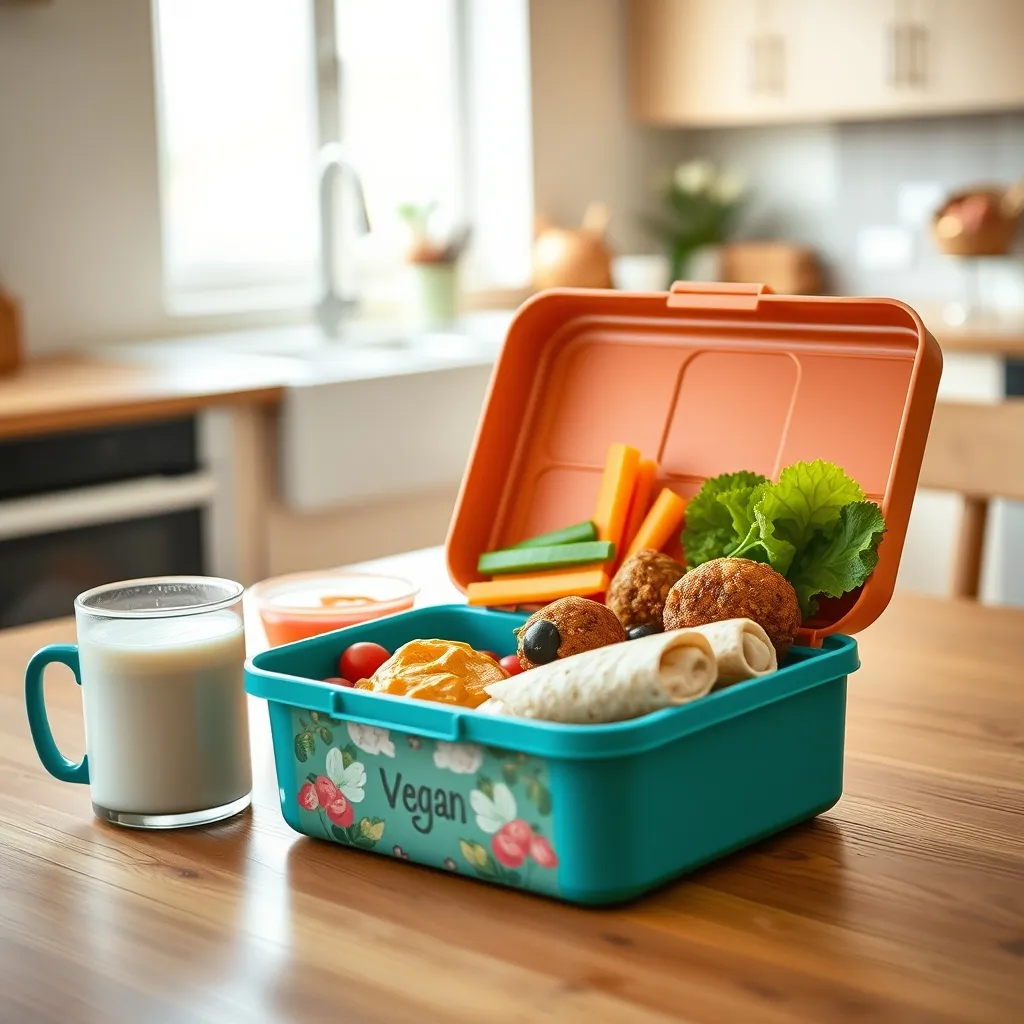
- A well-planned vegan packed lunch can meet all of a child’s nutritional needs when it includes protein, complex carbohydrates, healthy fats and plenty of vegetables
- The British Dietetic Association confirms that vegan diets can be suitable for children at every stage of growth when properly balanced
- Children following a vegan diet should supplement with vitamin B12, vitamin D and iodine as recommended by the NHS
- Aim for at least 2 portions of fruit or vegetables in every packed lunch to contribute towards the daily five-a-day target
- Including a plant-based protein source such as hummus, beans, tofu or nut butter in each lunch box helps sustain energy and concentration throughout the afternoon
- Batch-preparing vegan lunch components on a Sunday can save families up to 30 minutes each weekday morning
In This Article
- Why Consider Vegan Packed Lunches for Children?
- Essential Nutrients Every Vegan Lunch Box Needs
- Building a Balanced Vegan Lunch: The Four-Box Method
- Vegan Packed Lunch Ideas by Age Group
- Quick Vegan Sandwich and Wrap Ideas
- No-Sandwich Vegan Lunch Ideas
- The Five-Minute Vegan Lunch Box
- Meal Prep Tips for Stress-Free Vegan Lunches
- Common Mistakes to Avoid with Vegan Packed Lunches
- School Policies and Allergen Considerations
As a paediatric nutritionist who has worked with hundreds of families across Bristol and the wider NHS, I have seen a significant rise in parents choosing plant-based meals for their children. Whether your family is fully vegan, exploring meat-free days, or simply looking for fresh vegan packed lunch ideas, this guide will help you create lunch boxes that are nutritious, delicious and genuinely practical for busy school mornings.
I understand the worry that comes with packing a vegan lunch for a child. Will they get enough protein? Will they actually eat it? Will it survive until lunchtime without going soggy? I have spent years answering these questions in clinic, and I can assure you that with a little planning, vegan packed lunches can be every bit as nourishing and appealing as their non-vegan counterparts. If you are also exploring meat-free options more broadly, my colleagues have put together some excellent vegetarian packed lunch ideas for children that complement what I share here.
Why Consider Vegan Packed Lunches for Children?
Plant-based eating has moved firmly into the mainstream. According to NHS guidance on the vegan diet, a well-planned vegan diet can provide all the nutrients a growing child needs. The key word here is well-planned, and that is exactly what this article helps you achieve.
There are several reasons families choose vegan lunches. Some children have dairy or egg allergies. Others come from families with ethical or environmental convictions. Many parents simply want to increase the variety of plant foods their children eat, which aligns with the Eatwell Guide recommendations for families. Whatever your motivation, the nutritional principles remain the same: every lunch box should deliver a balance of macronutrients (protein, carbohydrates and fats) alongside essential micronutrients (vitamins and minerals).
Essential Nutrients Every Vegan Lunch Box Needs
Before diving into specific recipes, it is crucial to understand which nutrients require particular attention in a vegan child’s diet. The British Dietetic Association’s position statement highlights several key areas that parents should be mindful of when planning plant-based meals for children.
| Nutrient | Why It Matters | Best Vegan Lunch Box Sources | Daily Target (Age 5-11) |
|---|---|---|---|
| Protein | Growth, muscle repair, immune function | Hummus, lentils, tofu, edamame, nut butters, chickpeas | 19-28g |
| Iron | Oxygen transport, energy, concentration | Fortified bread, dark leafy greens, dried apricots, beans | 6-9mg |
| Calcium | Bone and teeth development | Fortified plant milk, calcium-set tofu, fortified bread, kale | 450-550mg |
| Vitamin B12 | Nerve function, red blood cells | Fortified yeast extract (Marmite), fortified plant milk, supplement | 1-1.5µg |
| Omega-3 (ALA/DHA) | Brain development, concentration | Walnuts, chia seeds, flaxseeds, hemp seeds | No UK RNI; include daily |
| Iodine | Thyroid function, cognitive development | Seaweed snacks (in moderation), supplement | 110-130µg |
| Zinc | Immune system, wound healing | Pumpkin seeds, wholegrain bread, chickpeas, cashews | 5-7mg |
I always recommend that families review their child’s overall diet with a healthcare professional. For more detailed guidance on supplementation, have a look at our article on vitamins and supplements for children based on NHS recommendations. At a minimum, vitamin B12 and vitamin D supplements are essential for vegan children.
Building a Balanced Vegan Lunch: The Four-Box Method
In my practice, I teach parents a simple framework I call the Four-Box Method. Imagine your child’s lunch box divided into four sections. Each section serves a purpose:
- Energy base (complex carbohydrates): wholemeal bread, pitta, pasta, rice, wraps, oatcakes or couscous
- Protein power: hummus, bean dip, tofu pieces, lentil soup in a flask, falafel, nut butter or edamame beans
- Fruit and vegetables: cherry tomatoes, cucumber sticks, carrot batons, pepper strips, apple slices, berries, satsumas or grapes (halved for younger children)
- Healthy extra: a small portion of nuts or seeds (if school policy allows), a vegan flapjack, fruit bread, or a fortified vegan yoghurt
This method ensures that every lunch has nutritional balance without requiring you to calculate exact grams each morning. It is also flexible enough to accommodate what is in your fridge on any given day. For more on getting portions right across the day, our guide to portion sizes for children by age is a helpful companion resource.
Vegan Packed Lunch Ideas by Age Group
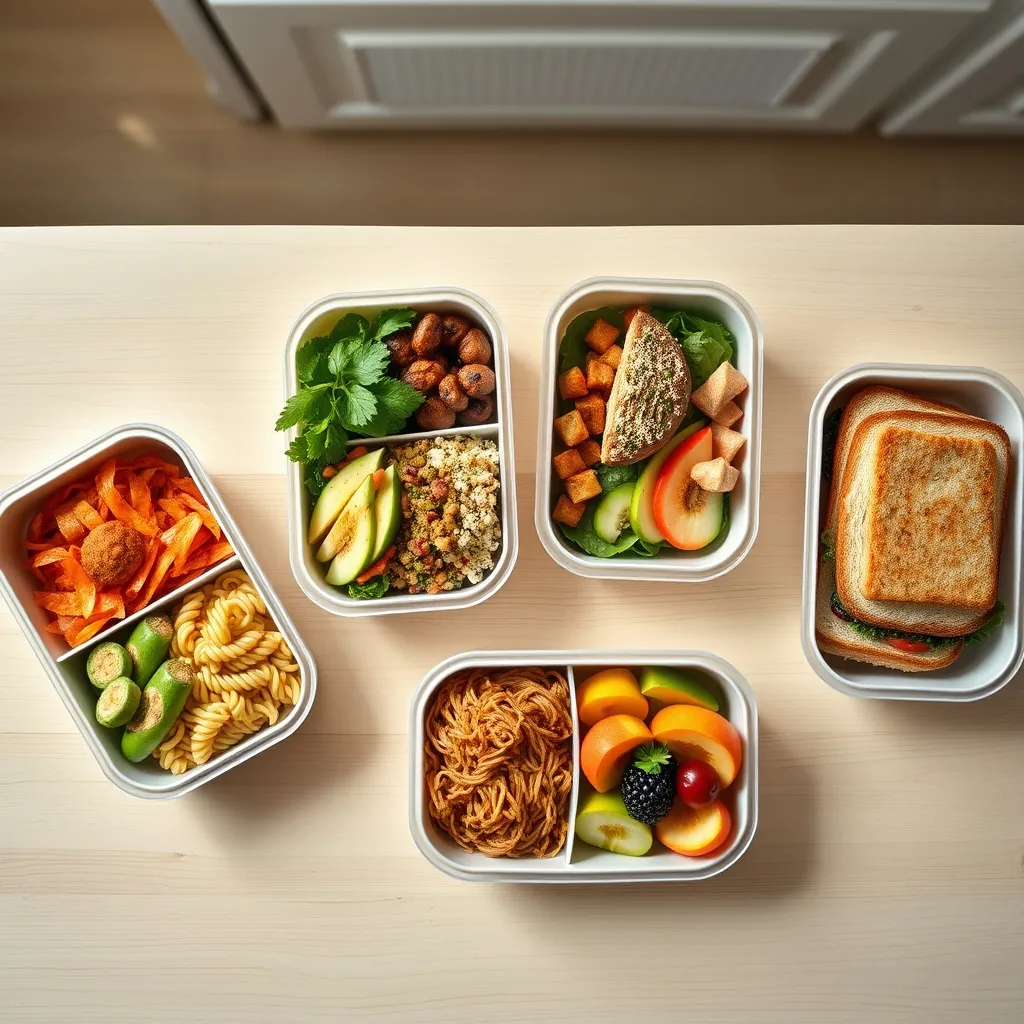
Children’s nutritional needs and eating abilities change as they grow. Here are tailored vegan packed lunch ideas for different age groups.
Reception and Key Stage 1 (Ages 4-7)
Younger children benefit from smaller, finger-friendly portions. Focus on foods that are easy to manage independently:
- Mini pitta pockets filled with hummus and grated carrot
- Cucumber rounds, cherry tomatoes (halved) and breadsticks with beetroot dip
- Small banana and a fortified soya yoghurt
- Oatcakes with smooth almond butter (check school nut policy first)
- Rice cakes with mashed avocado and a sprinkle of nutritional yeast
At this age, presentation matters enormously. Using cookie cutters on sandwiches or arranging items in a bento-style box can make a vegan lunch far more appealing. If your child is a reluctant eater, our article on fussy eating in children offers practical strategies that work alongside these lunch ideas.
Key Stage 2 (Ages 7-11)
Children at this stage can handle more complex flavours and textures:
- Wholemeal wrap with falafel, shredded lettuce and tahini dressing
- Pasta salad with sweetcorn, red pepper, spring onion and a lemon-herb vinaigrette
- Apple slices and a small pot of mixed seeds
- Leftover bean chilli in a thermos flask with a small wholemeal roll
- Vegetable sticks with white bean and roasted garlic dip
Secondary School (Ages 11+)
Teenagers need more calories and often want food that feels substantial:
- Buddha bowl: brown rice, roasted chickpeas, edamame, shredded red cabbage, avocado and soy-ginger dressing
- Stuffed wholemeal tortilla with black beans, sweetcorn salsa and guacamole
- Couscous salad with roasted Mediterranean vegetables and pine nuts
- Noodle pot: rice noodles with vegetables and a sachet of miso paste (add hot water at school)
- A generous slice of homemade vegan banana bread as a snack
For teenagers managing their own nutrition, our complete guide to healthy eating for children provides a broader framework they can use alongside these lunch ideas.
Quick Vegan Sandwich and Wrap Ideas
Sandwiches remain the backbone of the British packed lunch, and there is no reason they cannot be both vegan and satisfying. Here are some of my favourite combinations that children genuinely enjoy:
- Hummus, roasted red pepper and spinach on wholemeal bread
- Mashed chickpea “tuna”: tinned chickpeas mashed with vegan mayo, a squeeze of lemon, chopped celery and a pinch of nori flakes for a seafood-like flavour
- Peanut butter and banana on granary bread (check nut policy)
- Coronation chickpea wrap: chickpeas in a mild curry-spiced vegan mayo with sultanas and coriander
- Avocado and Marmite on sourdough (a surprisingly popular combination with children who like Marmite)
- BBQ jackfruit in a soft roll with coleslaw made with vegan mayo
- Sweet potato and black bean quesadilla: made the night before and served cold or at room temperature
The trick with vegan sandwiches is moisture management. Wet fillings like tomato should go in the centre, protected by lettuce or spinach leaves against the bread. This prevents the dreaded soggy sandwich by lunchtime.
No-Sandwich Vegan Lunch Ideas
Not every child wants a sandwich, and variety keeps lunchtime interesting. These no-bread vegan lunch ideas are perfect for children who prefer something different:
- Lentil soup in a thermos flask with a side of crusty bread (a warming option for winter months)
- Cold soba noodle salad with edamame, cucumber, sesame seeds and a soy-lime dressing
- Baked sweet potato kept warm in foil, with a small pot of baked beans
- Vegetable sushi rolls: surprisingly simple to make at home with avocado, cucumber and carrot
- Mezze box: falafel balls, hummus, tabbouleh, olives, pitta triangles and crudités
- Pasta pesto pot: cooked pasta tossed with dairy-free pesto, cherry tomatoes and pine nuts
- Stuffed pepper halves: filled with rice, black beans, sweetcorn and smoked paprika
If budget is a concern, many of these ideas use storecupboard staples like dried lentils, tinned beans and frozen vegetables. For more tips on keeping costs down whilst eating well, our guide to budget-friendly healthy meals for UK families has plenty of practical advice.
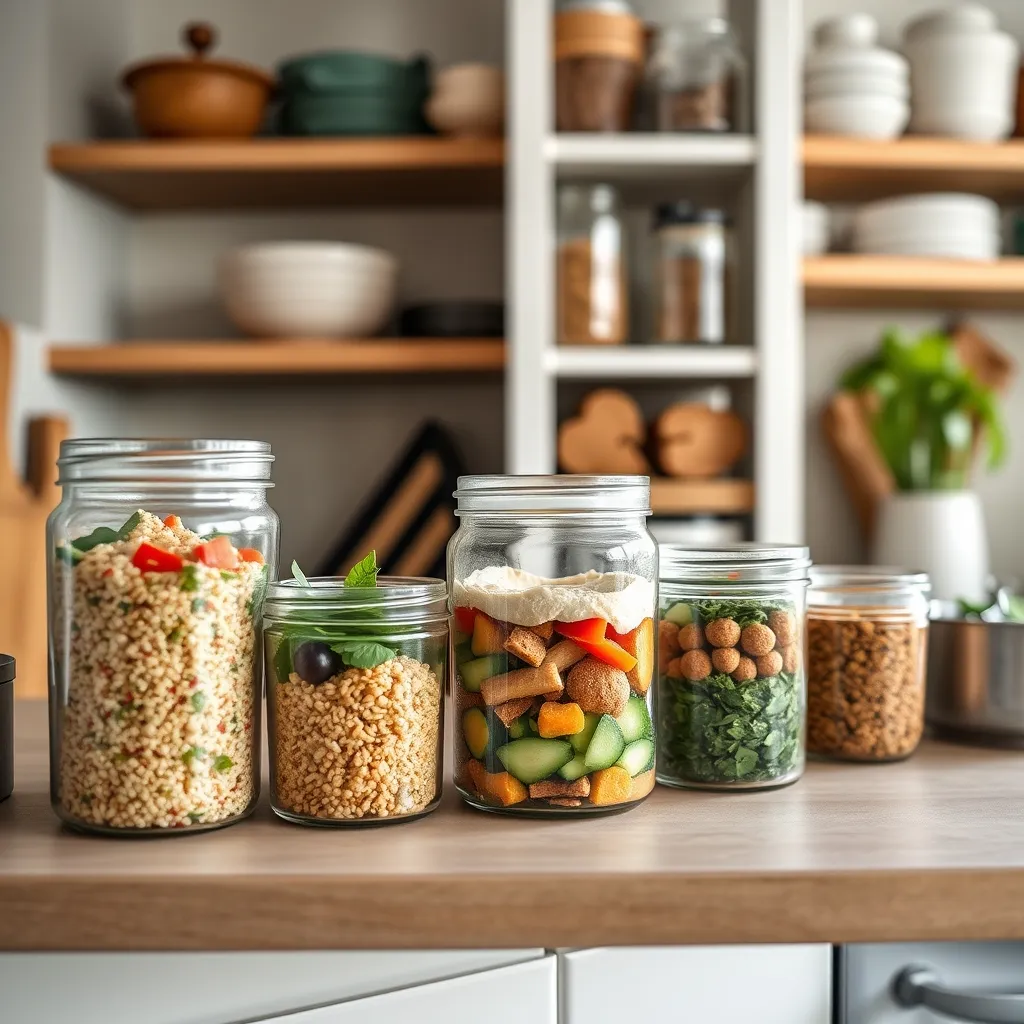
The Five-Minute Vegan Lunch Box
I know that school mornings are chaotic. Here is my five-minute vegan lunch box formula for those days when time is particularly tight:
- Grab a carbohydrate (30 seconds): a wholemeal roll, wrap, pitta or a portion of last night’s leftover rice or pasta
- Add protein (1 minute): a generous scoop of hummus in a small pot, a handful of edamame beans from the freezer (they defrost by lunchtime), or two tablespoons of nut butter spread on your chosen carb
- Chop something fresh (2 minutes): a carrot, a handful of cherry tomatoes, an apple cut into quarters, or a banana (no chopping required)
- Include a snack (30 seconds): a small box of raisins, a vegan cereal bar, a satsuma or a handful of popcorn
- Add a drink (30 seconds): a reusable bottle of water or fortified plant milk
This approach proves that a balanced vegan packed lunch does not have to be elaborate. On particularly hectic mornings, even this simplified version provides the energy and nutrients your child needs. If you would like to see how this fits into a broader meal plan, our weekly healthy meal plan for children provides a full seven-day framework.
Meal Prep Tips for Stress-Free Vegan Lunches
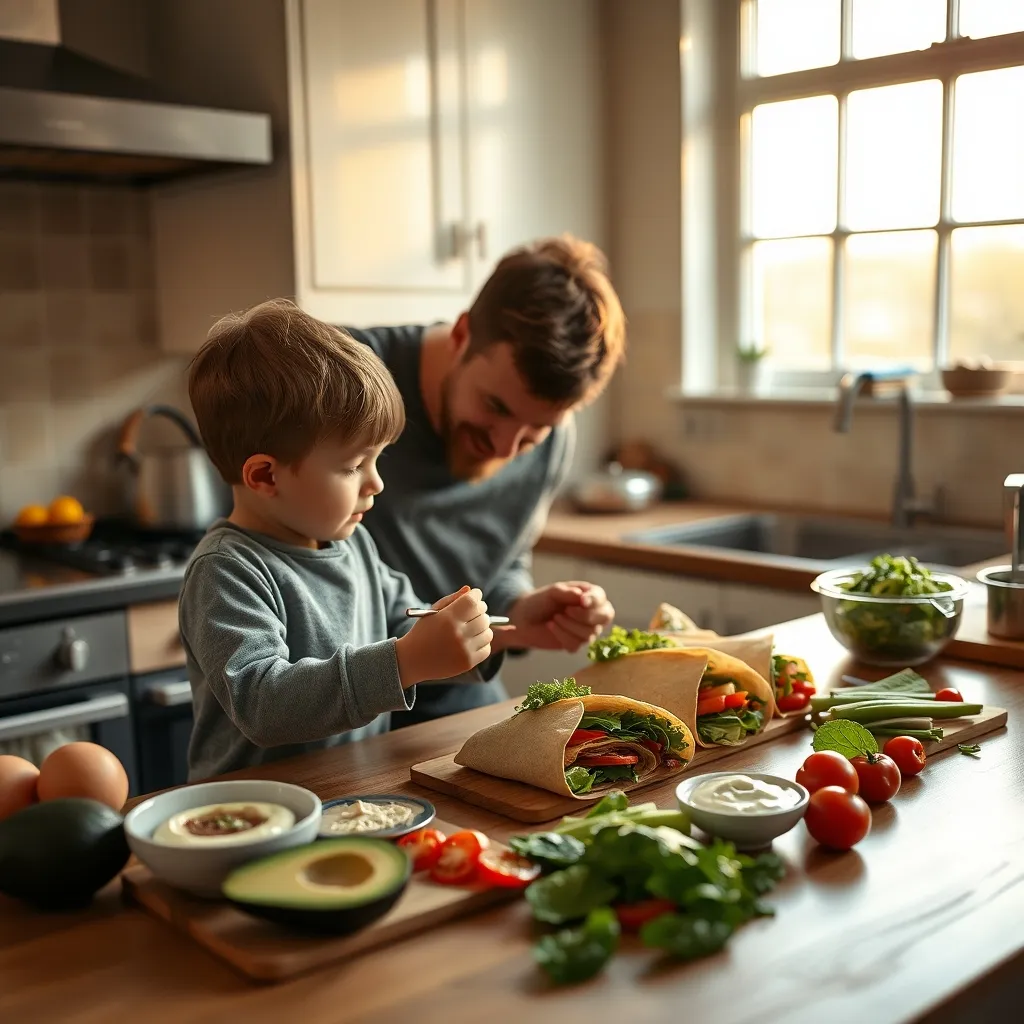
The single most effective strategy I recommend to parents is batch preparation. Spending 30 to 45 minutes on a Sunday afternoon can transform your entire week. Here is what I suggest:
- Cook a large batch of grains: quinoa, brown rice or pasta keeps well in the fridge for up to three days and forms the base of many lunches
- Prepare dips and spreads: a large batch of hummus or white bean dip lasts the whole week when refrigerated
- Wash and chop vegetables: store carrot sticks, cucumber batons and pepper strips in containers lined with damp kitchen paper
- Make falafel or bean patties: these freeze beautifully. Take out what you need the night before
- Bake a batch of vegan muffins or flapjacks: homemade versions allow you to control the sugar content (see our article on how much sugar a child should have per day)
- Portion out snacks: divide dried fruit, seeds and trail mix into small reusable containers or beeswax wraps
Investing in good-quality leak-proof containers is also worthwhile. Bento-style boxes with compartments are ideal for vegan lunches because they keep wet and dry foods separate, and they make the lunch look appealing when opened.
Common Mistakes to Avoid with Vegan Packed Lunches
In my years of practice, I have seen several recurring pitfalls that parents fall into when packing vegan lunches. Being aware of these will help you provide the best nutrition for your child:
- Relying too heavily on processed vegan products: vegan sausage rolls, cheese slices and nuggets are convenient, but they often contain high levels of salt and saturated fat. Use them occasionally, not daily. Learning to read and understand food labels helps you identify which products are genuinely nutritious
- Forgetting about iron absorption: plant-based iron is less easily absorbed than animal-based iron. Including a source of vitamin C (like orange segments, pepper strips or a kiwi) alongside iron-rich foods significantly boosts absorption
- Insufficient protein: a lunch of crisps, an apple and a plain jam sandwich may be vegan, but it will leave your child hungry and struggling to concentrate by mid-afternoon
- Ignoring fortified foods: fortified plant milks, cereals and bread are important contributors to a vegan child’s calcium, B12 and vitamin D intake
- Making it too complicated: you do not need to create Instagram-worthy bento boxes every day. Simple, balanced and consistent is far better than elaborate but unsustainable
School Policies and Allergen Considerations
Before packing any vegan lunch, it is essential to check your school’s food policy. Many primary schools in the UK are now nut-free zones, which affects some popular vegan protein sources like peanut butter and almond butter. If this applies to your school, seed butters (such as sunflower seed or pumpkin seed butter) are excellent alternatives that provide similar nutrition.
It is also worth noting that if your child qualifies for free school meals, most school kitchens now offer a vegan option as part of their menu. This can be a convenient alternative on days when packing a lunch is not possible. To understand what schools are serving, our analysis of whether school meals are healthy provides useful context for comparison.
If your child has additional food allergies alongside being vegan (such as soya or wheat), it is particularly important to work with a registered dietitian to ensure their nutritional needs are fully met. The NHS food allergy guidance is a good starting point for understanding how allergies interact with dietary choices.
For families concerned about overall wellbeing beyond the lunch box, supporting your child’s gut health through a diverse range of plant foods is one of the genuine advantages of a well-planned vegan diet. The variety of fibre from different beans, grains, fruits and vegetables feeds beneficial gut bacteria, which in turn supports immunity and overall health.
Key Points
- Use the Four-Box Method to build every lunch: energy base, protein, fruit/veg and a healthy extra
- Always include a vitamin C source alongside iron-rich foods to boost absorption
- Supplement with vitamin B12, vitamin D and iodine as these are difficult to obtain from food alone on a vegan diet
- Batch-prepare grains, dips and chopped vegetables on Sundays to save time during the week
- Check your school’s nut-free policy and swap to seed butters if necessary
Frequently Asked Questions
What should I pack for a vegan child’s lunch?
A balanced vegan packed lunch should include a complex carbohydrate (wholemeal bread, pasta or rice), a plant-based protein (hummus, beans, tofu or nut/seed butter), at least one portion of fruit and one of vegetables, and a healthy snack such as a fortified vegan yoghurt, oatcakes or homemade flapjack. Including a source of vitamin C alongside iron-rich foods is particularly important for absorption.
Vegan sandwich options are far more varied than many people realise. Popular choices include hummus with roasted vegetables, mashed chickpea “tuna” with vegan mayo, peanut or almond butter with banana, coronation chickpea with sultanas, avocado with Marmite, and BBQ jackfruit with coleslaw. Use sturdy wholemeal bread and place wet ingredients in the centre, protected by leaves, to prevent sogginess.What sandwiches can vegans eat for lunch?
The five-minute vegan lunch box is a quick-assembly formula for busy mornings. You grab a carbohydrate (roll, wrap or leftover grains), add a protein (hummus pot or nut butter), chop something fresh (carrot, apple or tomatoes), include a ready-made snack (raisins, cereal bar or fruit) and add a drink. With practice, this takes under five minutes and still provides a nutritionally balanced meal.What is the five-minute vegan lunch box?
Plant-based proteins are abundant if you know where to look. Include chickpeas, lentils, beans, tofu, edamame, quinoa, nuts or seeds in every lunch box. A hummus and pitta lunch, for example, provides around 10 to 12 grams of protein. Combining different plant proteins throughout the day (not necessarily in the same meal) ensures your child gets all essential amino acids.How do I ensure my vegan child gets enough protein at school?
With careful planning, vegan packed lunches can be suitable for most children. However, the NHS recommends that vegan children take supplements for vitamin B12, vitamin D and potentially iodine and omega-3. Children with additional food allergies, very fussy eaters, or those with specific medical conditions should have their diet reviewed by a registered dietitian to ensure all nutritional needs are met.Are vegan packed lunches suitable for all children?
A well-planned vegan lunch that is rich in whole foods, fibre and plant protein can support healthy weight management because these foods tend to be naturally lower in saturated fat and higher in nutrients per calorie. However, vegan does not automatically mean healthy; processed vegan foods can be high in sugar and fat. Focus on whole, minimally processed plant foods for the best outcomes.Can vegan lunches help with my child’s weight management?