Key Takeaways
- The NHS recommends all children aged 6 months to 5 years take daily supplements containing vitamins A, C and D
- Vitamin D (10 micrograms/400 IU daily) is recommended for everyone in the UK from birth, including breastfed babies
- Formula-fed babies do not need vitamin drops until they are drinking less than 500ml of formula per day
- The Healthy Start scheme provides free vitamin drops for eligible pregnant women and children under 4
- Most children over 5 who eat a varied, balanced diet should not need a daily multivitamin supplement
- Giving children more than the recommended dose of any vitamin can be harmful, particularly vitamins A and D
In This Article
- Why Vitamins Matter for Growing Children
- What the NHS Recommends by Age Group
- Vitamin D: The Most Important Supplement for UK Children
- Vitamins A and C: Why They Are Included
- Healthy Start Vitamins: Free Supplements for Families
- Choosing the Right Supplement for Your Child
- Food First: Getting Vitamins from a Balanced Diet
- Common Mistakes and Safety Concerns
- When to Speak to Your GP or Health Visitor
As a paediatric nutritionist working in Bristol for over 15 years, one of the questions I hear most frequently from parents is: “Does my child really need vitamin supplements?” It is a perfectly reasonable question, and I understand the confusion. Walk into any pharmacy or supermarket and you will find shelves lined with brightly coloured gummy vitamins, fizzy tablets and liquid drops, all promising to support your child’s health. But what does the evidence actually say, and what does the NHS officially recommend?
In this guide, I am going to walk you through the current NHS guidelines on vitamins and supplements for children, explain which nutrients are most important at each age, and help you make informed decisions without spending money on products your child may not need. Whether you have a newborn, a fussy toddler or a school-age child, this article covers what you need to know.
Why Vitamins Matter for Growing Children
Children’s bodies are growing and developing at an extraordinary rate, particularly during the first five years of life. Vitamins and minerals play essential roles in bone development, immune function, brain growth and energy metabolism. A deficiency in even one key nutrient can have measurable effects on a child’s health and wellbeing.
In an ideal world, children would get every vitamin and mineral they need from a varied, balanced diet. However, the reality is that many children in the UK do not eat enough of the foods that provide certain critical nutrients. According to the NHS vitamins for children guidance, this is particularly true for vitamins A, C and D, which is why supplementation is recommended for younger children.
There are also environmental factors at play. Here in the UK, our relatively limited sunlight between October and March means that most of us, adults and children alike, struggle to produce enough vitamin D through skin exposure alone. This makes supplementation not just helpful but genuinely necessary for many families.

What the NHS Recommends by Age Group
The NHS guidelines on vitamin supplementation for children are quite clear, though they do vary depending on your child’s age and feeding method. Let me break this down so it is easy to follow.
Birth to 12 months
From birth, all breastfed babies should receive a daily supplement containing 8.5 to 10 micrograms of vitamin D. This applies whether the mother is taking vitamin D herself or not, because the amount transferred through breast milk is not sufficient to meet a baby’s needs.
Formula-fed babies do not need a vitamin D supplement as long as they are drinking at least 500ml (about a pint) of infant formula per day, because formula is already fortified with vitamin D. Once they drop below that amount, typically as they begin weaning, a supplement should be introduced.
6 months to 5 years
The NHS recommends that all children from 6 months to 5 years be given daily vitamin drops containing vitamins A, C and D. This recommendation applies regardless of whether your child seems to eat well, because it acts as a nutritional safety net during a critical period of growth. If you are looking for practical ways to support your child’s diet alongside supplementation, my weekly meal plan guide for children can help.
Children aged 5 and over
For children over 5, the NHS recommends continuing with a daily vitamin D supplement of 10 micrograms (400 IU), particularly during autumn and winter. A general multivitamin is not routinely recommended for this age group if the child eats a balanced diet, though it may be appropriate in certain circumstances.
| Age Group | NHS Recommendation | Key Vitamins | Notes |
|---|---|---|---|
| Birth to 6 months (breastfed) | Daily supplement | Vitamin D (8.5–10mcg) | Start from birth |
| Birth to 6 months (formula-fed) | No supplement needed | N/A | Only if taking 500ml+ formula daily |
| 6 months to 5 years | Daily vitamin drops | Vitamins A, C and D | Recommended for all children |
| 5 to 18 years | Daily vitamin D | Vitamin D (10mcg/400 IU) | Especially October to March |
Vitamin D: The Most Important Supplement for UK Children
If there is one vitamin I find myself discussing with parents more than any other, it is vitamin D. Often called the “sunshine vitamin,” vitamin D is crucial for helping the body absorb calcium and phosphorus, which are essential for building strong bones and teeth. A severe deficiency in children can lead to rickets, a condition that causes soft, weak bones and skeletal deformities.
The UK government’s guidance on vitamin D supplementation states that everyone over the age of one, including children, should consider taking a daily supplement containing 10 micrograms of vitamin D, particularly during autumn and winter when UV levels are too low for the skin to produce it. For babies under one year, the recommended amount is 8.5 to 10 micrograms.
Some children are at higher risk of vitamin D deficiency and may need supplementation all year round. These include children who:
- Have darker skin tones (of African, Afro-Caribbean or South Asian heritage)
- Spend limited time outdoors or cover most of their skin when outside
- Follow a restricted diet, particularly a vegan or dairy-free diet
- Have certain medical conditions affecting fat absorption (such as coeliac disease or Crohn’s disease)
In my practice, I have seen a notable increase in vitamin D deficiency cases over the past decade. This is partly due to our indoor lifestyles and partly because awareness of the need for supplementation is still not where it should be. It is one of the simplest interventions you can make for your child’s health.
Vitamins A and C: Why They Are Included
Vitamin A is vital for your child’s immune system, vision (particularly night vision) and healthy skin. Good dietary sources include carrots, sweet potatoes, mangoes, dark leafy greens and dairy products. Despite these being relatively common foods, national diet surveys consistently show that many young children in the UK do not consume enough vitamin A.
Vitamin C helps protect cells, supports the immune system and aids in the absorption of iron from plant-based foods. This last point is particularly important: if your child is at risk of iron deficiency, ensuring adequate vitamin C intake can make a real difference to how well their body utilises the iron in their diet.
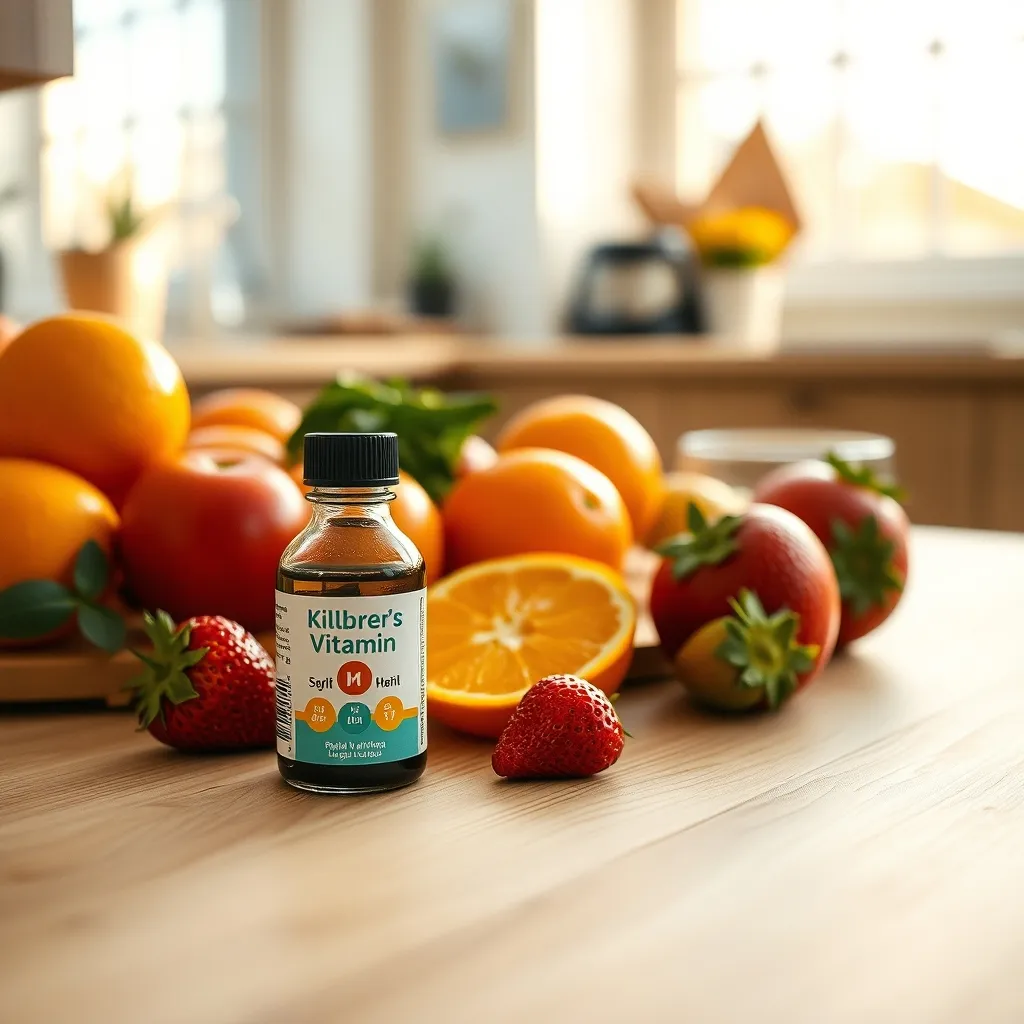
Vitamin C is found in citrus fruits, strawberries, peppers, broccoli and potatoes. While scurvy (severe vitamin C deficiency) is rare in the UK today, subclinical deficiency is more common than many parents realise, particularly in children who are fussy eaters or who have very limited fruit and vegetable intake.
The NHS recommendation to supplement vitamins A, C and D for all children aged 6 months to 5 years is based on solid evidence that these three nutrients are the ones most commonly lacking in young children’s diets. It is a targeted, evidence-based approach rather than a blanket recommendation for every vitamin under the sun.
Healthy Start Vitamins: Free Supplements for Families
One of the most underused resources I encounter in my work is the Healthy Start scheme. This government programme provides free vitamins to eligible families, and I genuinely wish more parents knew about it.
The Healthy Start scheme offers:
- Free vitamin drops for children from birth to 4 years old, containing vitamins A, C and D
- Free vitamin tablets for pregnant and breastfeeding women, containing folic acid, vitamin C and vitamin D
- A prepaid card worth £4.25 per week (or £8.50 if your child is under one) to spend on milk, fruit, vegetables and pulses
You may be eligible for Healthy Start if you are on certain benefits and are either pregnant or have a child under 4. Even if you are not sure whether you qualify, I would strongly encourage you to check. The application process is straightforward and can be completed online. For families managing tight budgets, this scheme can be a genuine lifeline: my guide to budget-friendly healthy meals offers additional practical tips.
Healthy Start vitamin drops are specifically designed to meet the NHS recommendation for children under 5. They contain the correct doses of vitamins A, C and D without unnecessary additives, and they are available from many children’s centres, health visitor clinics and some pharmacies.
Choosing the Right Supplement for Your Child
If you are not eligible for Healthy Start vitamins or prefer to purchase supplements yourself, the range of options can feel overwhelming. Here is what I advise parents to look for when choosing a vitamin supplement for their child.
What to look for on the label
- The supplement should contain vitamin D at 10 micrograms (400 IU) per daily dose
- For under-5s, it should also contain vitamins A and C
- Check the supplement is appropriate for your child’s age; dosing varies significantly between baby drops, toddler drops and chewable tablets for older children
- Look for products that do not contain excessive added sugar or artificial sweeteners
- Avoid supplements containing vitamin A as retinol in high doses, as this can be harmful; beta-carotene forms are generally safer
Drops versus gummies versus tablets
For babies and young toddlers, liquid drops are the most practical option. They can be placed directly on the tongue or mixed into food. For older children, chewable tablets or gummy vitamins are often more appealing, though I would caution parents to treat these as supplements, not sweets. Many gummy vitamins contain significant amounts of sugar, which is counterproductive. Understanding how much sugar your child should have per day can help you make better choices here.
A good rule of thumb: the simpler the ingredient list, the better. Your child does not need a supplement containing 25 different vitamins and minerals, exotic superfoods or probiotics unless specifically advised by a healthcare professional.
| Supplement Type | Best For | Pros | Cons |
|---|---|---|---|
| Liquid drops | Birth to 2 years | Easy to administer; precise dosing | Can have a strong taste; requires a syringe or dropper |
| Chewable tablets | 3 to 12 years | Convenient; often pleasant flavour | Choking risk for very young children |
| Gummy vitamins | 3 to 12 years | Children enjoy the taste | Often high in sugar; may encourage overconsumption |
| Effervescent tablets | Older children and teens | Easy to take dissolved in water | Can contain artificial sweeteners; less appealing for younger children |

Food First: Getting Vitamins from a Balanced Diet
While supplements have their place, I always emphasise to families that a “food first” approach is the foundation of good nutrition. Supplements are designed to fill gaps, not replace a healthy diet. Understanding the Eatwell Guide for families is an excellent starting point for ensuring your child’s meals are nutritionally balanced.
Here are the key vitamins and the best food sources to include in your child’s diet:
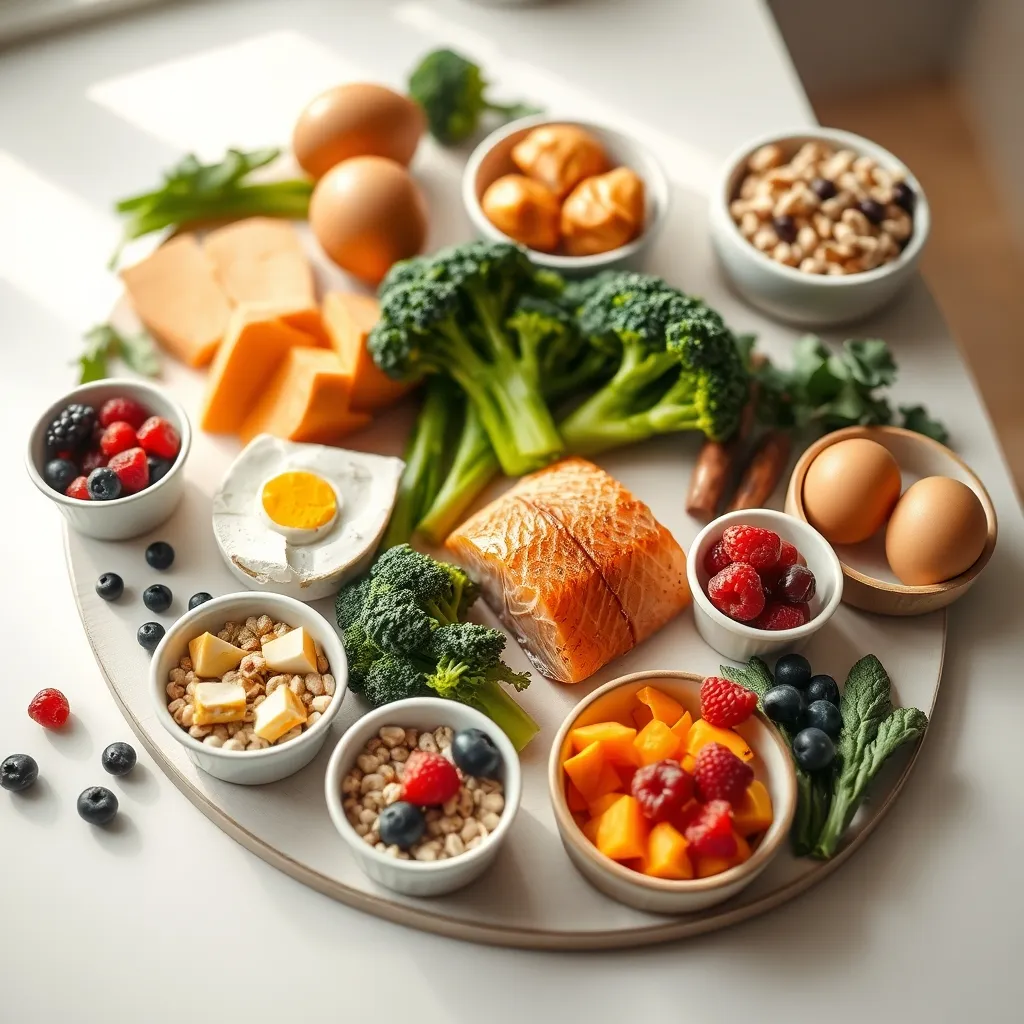
- Vitamin D: oily fish (salmon, sardines, mackerel), eggs, fortified cereals and fortified spreads
- Vitamin A: liver, carrots, sweet potatoes, butternut squash, spinach, mangoes, cheese
- Vitamin C: oranges, strawberries, kiwi fruit, peppers, broccoli, tomatoes, potatoes
- Iron: red meat, lentils, beans, fortified cereals, dark green vegetables
- Calcium: milk, cheese, yoghurt, fortified plant milks, broccoli, tinned fish with bones
- B vitamins: wholegrains, meat, eggs, dairy, green vegetables
Getting enough variety into a child’s diet can be challenging, especially with fussy eaters. I find that involving children in food preparation and shopping can make a real difference. Even simple activities like washing vegetables or choosing which fruit to buy at the supermarket can increase a child’s willingness to try new foods. For practical inspiration, have a look at my healthy packed lunch ideas and after-school snack suggestions.
It is also worth remembering that some nutrients work together. Vitamin C enhances iron absorption, so serving a glass of diluted orange juice alongside an iron-rich meal can boost your child’s uptake. Similarly, vitamin D aids calcium absorption, which is why both are so important for bone health. Thinking about nutrition holistically, rather than focusing on individual nutrients in isolation, is always more effective.
Supporting your child’s gut health through a diet rich in fibre, fruits, vegetables and fermented foods also plays a role in how effectively their body absorbs the vitamins and minerals from food and supplements alike.
Common Mistakes and Safety Concerns
In my years of practice, I have seen several recurring mistakes that parents make with children’s supplements. Most are well-intentioned, but some can carry genuine risks.
Giving adult supplements to children
Adult multivitamins are not suitable for children. They contain higher doses that can be harmful, particularly of fat-soluble vitamins (A, D, E and K), which accumulate in the body. Always use a product specifically formulated for your child’s age group.
Exceeding the recommended dose
More is not better when it comes to vitamins. Excessive vitamin A can cause liver damage, nausea and even hair loss. Too much vitamin D over a prolonged period can lead to a dangerous build-up of calcium in the body (hypercalcaemia). Stick to the dose stated on the product, and do not give multiple supplements that contain the same vitamins unless advised by a doctor.
Relying on supplements instead of food
Supplements cannot replicate the full nutritional profile of whole foods. A vitamin tablet does not contain the fibre, protein, healthy fats and phytonutrients that come packaged together in real food. If your child’s diet is very limited, supplementation is a sensible short-term measure, but working on positive mealtime habits and gradually broadening their diet should remain the long-term goal.
Assuming all children need a multivitamin
The marketing around children’s vitamins can create the impression that every child needs a daily multivitamin. For most healthy children over 5 who eat a reasonably varied diet, this is simply not the case. The NHS is clear that the routine recommendation for supplementation applies primarily to under-5s and to vitamin D for all ages. Unnecessary supplementation is a waste of money and, in some cases, carries risk.
Storing supplements within children’s reach
This may seem obvious, but gummy vitamins look and taste like sweets. Every year, poison control centres receive calls about children who have consumed an entire bottle of gummy vitamins. Store all supplements out of reach, ideally in a locked cupboard, and administer them yourself rather than allowing children to help themselves.
When to Speak to Your GP or Health Visitor
While the general NHS guidelines cover the majority of children, there are specific situations where I would recommend speaking to your GP, health visitor or a registered dietitian before starting or changing any supplement regime.
You should seek professional advice if your child:
- Has a diagnosed medical condition that affects nutrient absorption (coeliac disease, inflammatory bowel disease, cystic fibrosis)
- Is on a restricted diet due to allergies, intolerances, or ethical choices (vegan, dairy-free, multiple food allergies)
- Is taking prescription medication that may interact with supplements (some epilepsy and heart medications, for example)
- Shows signs of possible nutritional deficiency such as extreme fatigue, frequent infections, poor growth or persistent skin problems
- Has a very restricted eating pattern that you are struggling to expand, which may indicate a need for more targeted support
I would also encourage parents to discuss vitamin supplementation at routine health visitor checks and GP appointments. These are excellent opportunities to ask about your child’s growth, dietary adequacy and whether any additional supplementation might be beneficial. The NHS child health reviews schedule provides regular check-in points where these conversations can happen naturally.
For children who are significantly overweight or underweight, addressing the underlying dietary patterns is far more important than adding supplements. My guides on helping a child lose weight safely and understanding age-appropriate portion sizes may be useful starting points.
Key Points
- Give all breastfed babies a vitamin D supplement from birth and all children aged 6 months to 5 years daily drops containing vitamins A, C and D
- Continue giving everyone in the family, including children over 5, a 10 microgram vitamin D supplement during autumn and winter
- Check your eligibility for free Healthy Start vitamins at healthystart.nhs.uk if you are on certain benefits
- Choose age-appropriate supplements, avoid exceeding the stated dose, and never give adult vitamins to children
- Prioritise a varied diet rich in fruits, vegetables, wholegrains and protein as the primary source of nutrients, using supplements to fill gaps rather than replace food
Frequently Asked Questions
What vitamins should I give my child according to the NHS?
The NHS recommends that all children aged 6 months to 5 years receive daily vitamin drops containing vitamins A, C and D. From birth, breastfed babies should have a vitamin D supplement (8.5 to 10 micrograms). Children over 5 and adults should take a 10 microgram (400 IU) vitamin D supplement daily, particularly during autumn and winter when sunlight is insufficient for the body to produce its own.
Are Healthy Start vitamins free and how do I get them?
Yes, Healthy Start vitamins are completely free for eligible families. You may qualify if you are at least 10 weeks pregnant or have a child under 4 and receive certain benefits such as Universal Credit (with earnings under a set threshold), Income Support or Jobseeker’s Allowance. You can apply online at healthystart.nhs.uk. The vitamin drops for children contain the recommended amounts of vitamins A, C and D and are available from children’s centres, health visitor clinics and some pharmacies.
Can I give my child too many vitamins?
Yes, it is possible and potentially dangerous to give a child excessive amounts of certain vitamins. Fat-soluble vitamins (A, D, E and K) are stored in the body and can build up to toxic levels if taken in large doses over time. Excessive vitamin A can cause liver damage, while too much vitamin D can lead to calcium build-up in the blood. Always follow the dosage instructions on the product label and avoid giving multiple supplements that contain the same vitamins.
Do formula-fed babies need vitamin supplements?
Formula-fed babies who are drinking 500ml or more of infant formula per day do not need additional vitamin supplements, because infant formula is already fortified with vitamins and minerals. However, once your baby starts weaning and their formula intake drops below 500ml daily, the NHS recommends starting vitamin drops containing vitamins A, C and D, typically from around 6 months of age.
Should children over 5 take a daily multivitamin?
The NHS does not routinely recommend a daily multivitamin for children over 5 who eat a varied, balanced diet. However, a daily vitamin D supplement (10 micrograms) is recommended for all children and adults, especially during autumn and winter. If your child has a very restricted diet, a medical condition affecting nutrient absorption, or follows a vegan diet, it is worth speaking to your GP or a dietitian about whether additional supplementation is appropriate.
What is the best form of vitamin supplement for toddlers?
For toddlers and young children, liquid vitamin drops are generally the most practical and safest option. They allow precise dosing, can be placed directly on the tongue or mixed into food, and eliminate any choking risk associated with tablets or gummies. The NHS Healthy Start drops are an excellent, no-fuss option for children under 4. From around age 3, some children may move on to chewable tablets, but always check the product is suitable for your child’s age.