
Key Takeaways
- A well-planned vegetarian packed lunch can provide all the protein, iron, calcium and B vitamins a growing child needs
- The NHS recommends children eat at least 5 portions of fruit and vegetables every day, and a packed lunch is the perfect opportunity to include 1 to 2 of those portions
- Swapping processed meat sandwiches for plant-based protein sources such as beans, lentils, hummus and cheese can reduce saturated fat intake by up to 30%
- Batch-preparing vegetarian lunch components on a Sunday evening can save families up to 45 minutes on busy weekday mornings
- Including a variety of colours and textures in a lunch box increases the likelihood that children will eat, and enjoy, every item
- According to the NHS Healthier Families guidance, a balanced packed lunch should contain starchy carbohydrates, protein, dairy, fruit and vegetables
In This Article
- Why Choose Vegetarian Packed Lunches?
- Building a Balanced Vegetarian Lunch Box
- 10 Vegetarian Packed Lunch Ideas Children Will Love
- Key Protein Sources for Vegetarian Children
- Meal Prep Tips for Busy Families
- Common Mistakes to Avoid
- Adapting for Allergies and Preferences
- Nutritional Comparison: Vegetarian vs Traditional Lunch Boxes
As a paediatric nutritionist who has worked with families across Bristol and the wider NHS for over fifteen years, one of the questions I hear most frequently is: “Can my child really get everything they need from a vegetarian packed lunch?” The answer, quite simply, is yes. With a little planning and some creative thinking, vegetarian packed lunch ideas can be just as nutritious, filling and exciting as any other option, often more so.
Whether your family is fully vegetarian, trying to reduce meat consumption for health or environmental reasons, or simply looking for fresh inspiration to break out of the ham-sandwich rut, this guide will walk you through ten practical, child-approved lunch box ideas. I have tested every single one of these with the families I work with, and the feedback has been overwhelmingly positive.
Why Choose Vegetarian Packed Lunches?

There are several compelling reasons to explore vegetarian packed lunch ideas for your child. First, the health benefits are well documented. A plant-rich diet in childhood is associated with lower rates of obesity, improved gut health and better long-term cardiovascular outcomes. Research published by the British Nutrition Foundation confirms that a well-planned vegetarian diet can meet all the nutritional needs of growing children.
Second, variety matters. Children who eat the same lunch day after day often become bored, leading to wasted food and missed nutrients. Introducing vegetarian options naturally broadens their palate and encourages them to try new flavours. If your child is a fussy eater, this can be a surprisingly effective strategy.
Third, there is the environmental consideration. Many families I work with are keen to reduce their carbon footprint, and cutting down on meat at lunchtime is one of the simplest changes a household can make. Even one or two vegetarian lunch days per week makes a measurable difference over the course of a school year.
Finally, vegetarian lunches are often more budget-friendly. Beans, lentils, eggs and seasonal vegetables tend to cost less than quality meats, which is welcome news for families already stretching their weekly shop. For more tips on eating well without overspending, have a look at our guide to budget-friendly healthy meals for families in the UK.
Building a Balanced Vegetarian Lunch Box
Before we get to specific recipes, it helps to understand the framework behind a balanced vegetarian lunch box. I use a simple formula with the families I advise, and it aligns closely with the principles outlined in the Eatwell Guide for children and families.
Every lunch box should ideally contain four components:
- Starchy carbohydrates for sustained energy: wholemeal bread, wraps, pasta, rice, pitta or oatcakes
- Protein for growth and repair: cheese, eggs, beans, lentils, hummus, tofu or nut butter (where school policy allows)
- Fruit and vegetables for vitamins, minerals and fibre: aim for at least two portions
- Dairy or a calcium-rich alternative: yoghurt, cheese cubes, or fortified plant-based drinks
Getting the portion sizes right for your child’s age is equally important. A five-year-old needs considerably less food than a twelve-year-old, and overfilling a lunch box can be just as problematic as underfilling it.
10 Vegetarian Packed Lunch Ideas Children Will Love
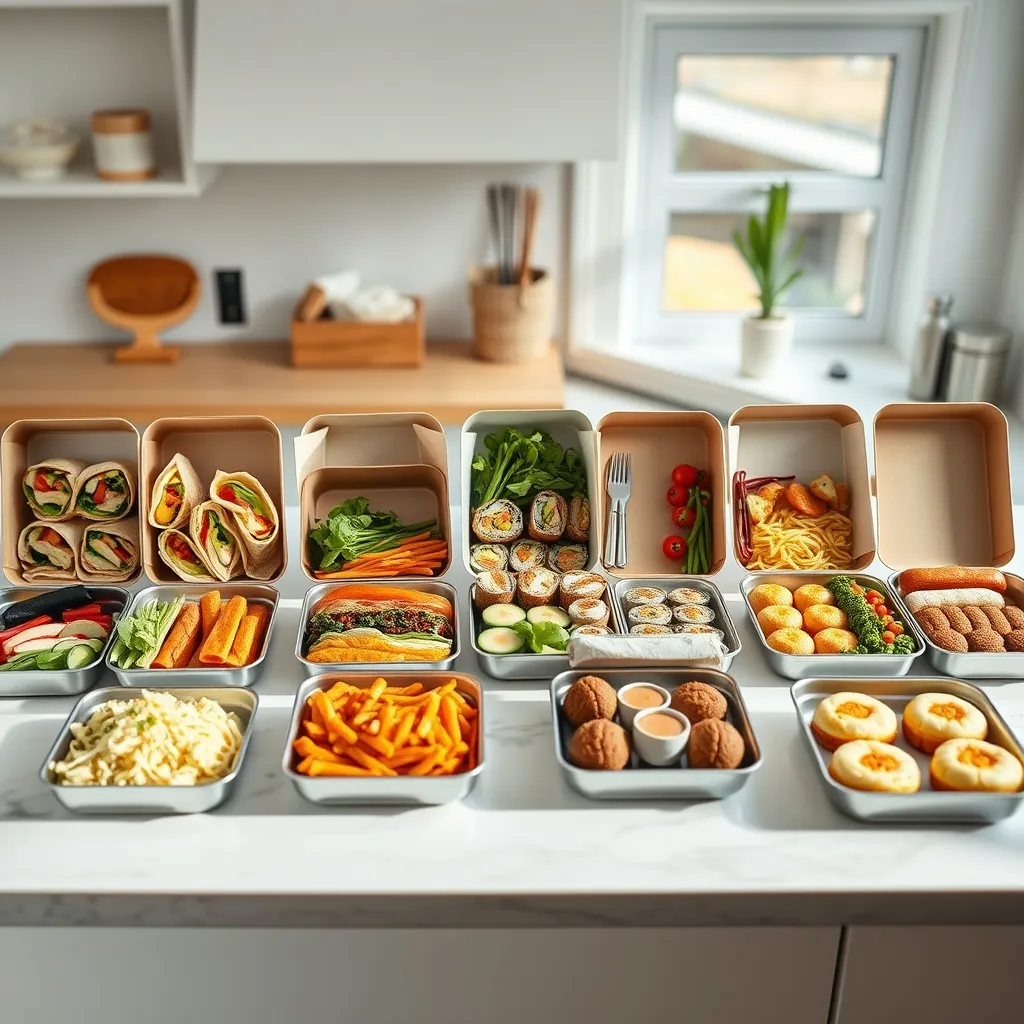
Here are my ten favourite vegetarian packed lunch ideas, refined through years of clinical practice and real-world testing with children aged four to fourteen.
1. Rainbow Hummus Wrap
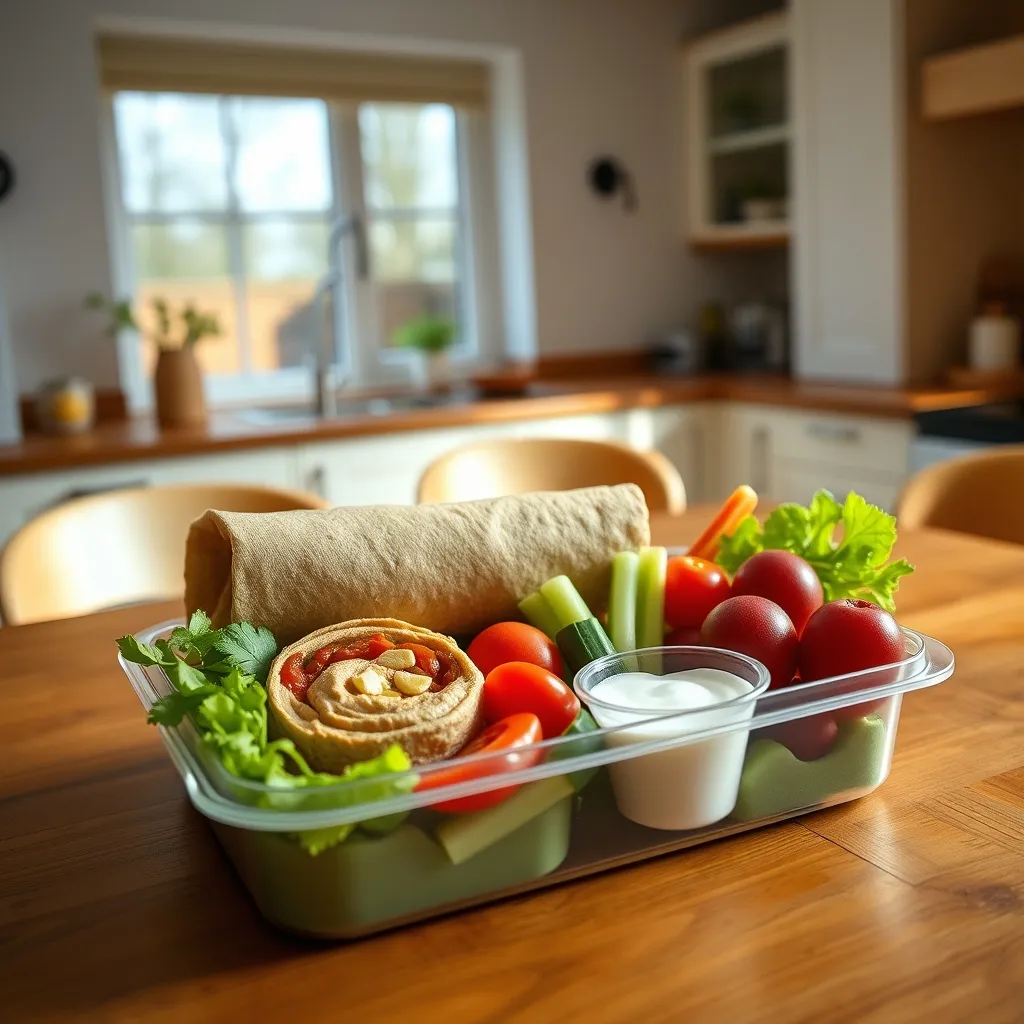
Spread a generous layer of hummus across a wholemeal tortilla wrap, then add grated carrot, sliced cucumber, shredded red cabbage and a handful of sweetcorn. Roll tightly and cut in half. The colours alone make this appealing to children, and the hummus provides a solid 4 to 5 grams of protein per serving. Pair with a small pot of cherry tomatoes and a handful of grapes.
2. Cheese and Bean Quesadilla
Mix a tablespoon of refried or mashed kidney beans with grated Cheddar and spread between two small tortillas. Toast lightly the evening before, then slice into triangles. Served cold, these are surprisingly tasty and hold up well until lunchtime. Add a pot of salsa and some cucumber sticks on the side.
3. Egg Muffin Bites
Whisk together four eggs with diced peppers, sweetcorn and a pinch of herbs, then bake in a muffin tin at 180°C for 15 minutes. These can be made in batches on a Sunday and will keep in the fridge for up to three days. Pack alongside wholemeal pitta fingers, cherry tomatoes and a pot of natural yoghurt.
4. Pasta Salad with Pesto and Roasted Vegetables
Cook wholemeal fusilli, toss with green pesto, cubed roasted courgette, halved cherry tomatoes and a sprinkle of pine nuts or sunflower seeds. This lunch is filling, nutrient-dense and travels brilliantly. A portion of seasonal fruit completes the meal. For ideas on fitting this into a broader weekly plan, see our healthy weekly meal plan for children.
5. Pitta Pocket with Falafel
Tuck two or three small shop-bought or homemade falafel into a wholemeal pitta pocket with shredded lettuce, diced tomato and a drizzle of tahini or natural yoghurt dressing. Falafel made from chickpeas are an excellent source of plant-based protein and fibre. Add a satsuma and a small oatcake with cream cheese for balance.
6. Vegetable Sushi Rolls
These are simpler to make than you might think. Spread cooked sushi rice on a sheet of nori, add strips of cucumber, avocado and red pepper, then roll tightly and slice. Children love the novelty, and nori seaweed is naturally rich in iodine. Include a small pot of soy sauce for dipping and a handful of edamame beans.
7. Lentil and Tomato Soup in a Flask
On colder days, a vacuum flask filled with warming soup is a wonderful alternative. Red lentil and tomato soup is quick to make, incredibly nutritious and naturally high in iron. Pair with a wholemeal roll and some cheese cubes. This is a particularly good option for children who need a warm midday meal to sustain their energy through afternoon lessons.
8. Bean and Cheese Burrito Bowl
Layer cooked brown rice with black beans, sweetcorn, diced pepper and grated cheese in a sealable container. Add a spoonful of guacamole or mashed avocado and a dollop of natural yoghurt. This is a hearty lunch that provides sustained energy and a broad range of micronutrients.
9. Vegetable Frittata Slices
A frittata is essentially a thick omelette packed with vegetables. Use courgette, peas, spinach and feta or whichever vegetables your child enjoys. Bake in a square tin, cool completely, then cut into slices. Pack with oatcakes, carrot sticks and a pot of hummus. Like the egg muffin bites, frittata slices can be batch-cooked and refrigerated for several days.
10. Bagel with Cream Cheese, Cucumber and Seeds
Sometimes simplicity wins. Spread a wholemeal bagel with cream cheese, layer with thinly sliced cucumber and sprinkle with a mix of pumpkin and sunflower seeds. The seeds add crunch, healthy fats and a boost of zinc and magnesium. Serve with a small banana and a pot of yoghurt with berries.
These vegetarian packed lunch ideas can be mixed and matched throughout the week. For more school-friendly options, our detailed guide to healthy packed lunch ideas for children covers additional recipes and tips.
Key Protein Sources for Vegetarian Children
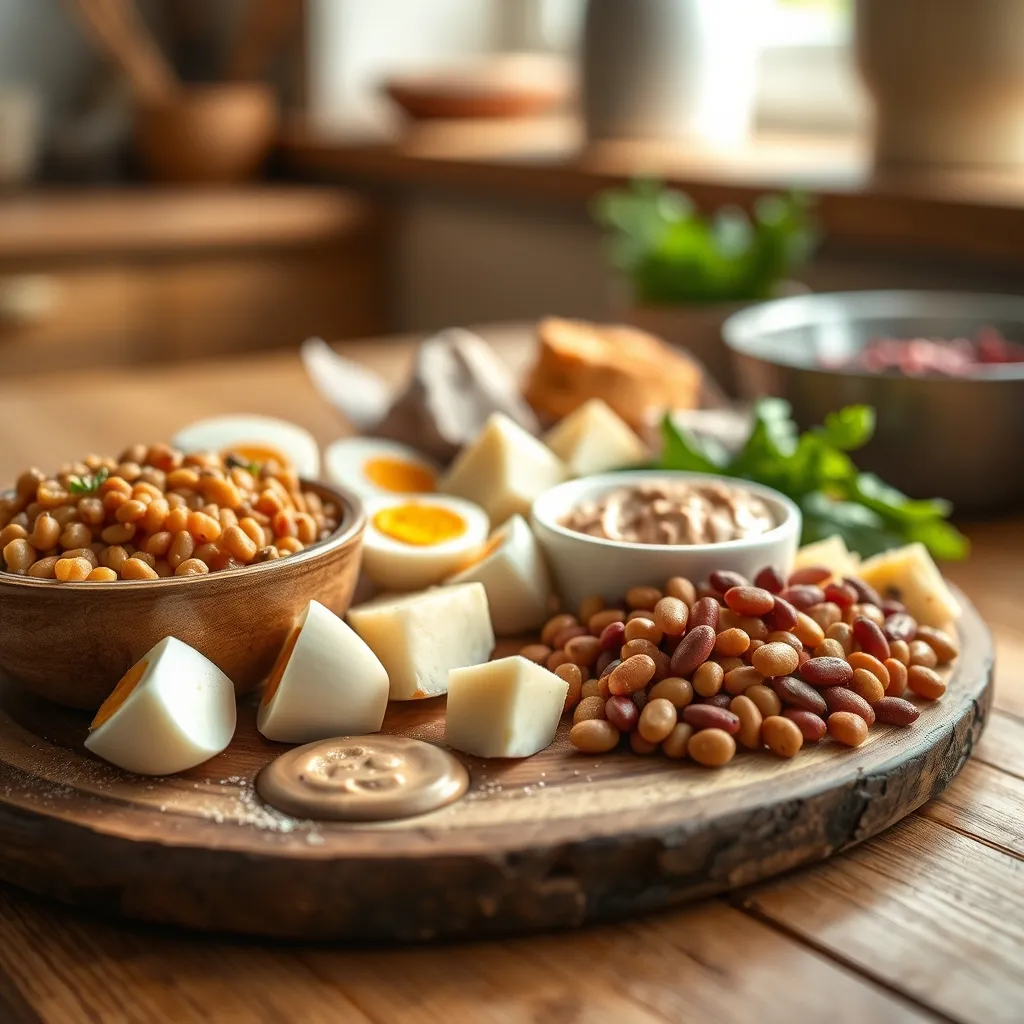
One of the most common concerns parents raise with me is whether their child will get enough protein from a vegetarian lunch. The short answer is that protein deficiency is extremely rare in children eating a varied vegetarian diet in the UK. However, it is still important to include a reliable protein source in every meal.
Here are the best protein-rich foods for vegetarian packed lunches:
- Eggs: around 6g of protein per egg, plus vitamin D and B12
- Cheese: approximately 7g of protein per 30g serving, with calcium
- Chickpeas and hummus: roughly 7g of protein per 100g
- Lentils: about 9g of protein per 100g cooked, plus iron
- Kidney beans and black beans: around 8g of protein per 100g cooked
- Natural yoghurt: approximately 5g of protein per 100g
- Tofu: roughly 8g of protein per 100g, with calcium if set with calcium salts
- Nut butters: about 4g per tablespoon (check school nut policies first)
Combining different plant proteins, such as beans with rice or hummus with wholemeal pitta, ensures your child receives a complete range of amino acids. For more on the nutrients vegetarian children need, including iron and vitamin B12, read our article on vitamins and supplements for children.
Meal Prep Tips for Busy Families
I understand that mornings are chaotic. One of the biggest barriers to providing a healthy, varied packed lunch is simply time. Here are the strategies I recommend to the families I work with:
- Batch cook on Sundays: make a large frittata, a batch of egg muffin bites, a pot of soup and a bowl of pasta salad. Divide into individual portions and refrigerate.
- Prep vegetables in advance: wash and chop carrot sticks, cucumber, peppers and cherry tomatoes at the start of the week. Store in airtight containers with a damp piece of kitchen towel to keep them crisp.
- Use a lunch box assembly line: lay out all the containers the night before and fill them systematically. This is far faster than making each lunch box from scratch.
- Involve your children: children aged seven and above can help assemble their own lunch boxes. This gives them a sense of ownership and makes them more likely to eat what they have packed.
- Keep a running list: stick a list of your child’s favourite vegetarian packed lunch ideas on the fridge. Rotate through the list weekly to maintain variety without decision fatigue.
For broader advice on feeding children well during the school day, including information on eligibility for free school meals, we have a dedicated resource to help.
Common Mistakes to Avoid
In my experience, there are a few pitfalls that well-meaning parents often fall into when preparing vegetarian packed lunches:
Relying too heavily on processed vegetarian products. Vegetarian sausage rolls, flavoured crisps and processed cheese strings might be convenient, but they are often high in salt, sugar and saturated fat. Always check the food labels and aim for whole, minimally processed foods as the foundation of the lunch box.
Forgetting about iron. Iron deficiency is one of the most common nutritional concerns I see in vegetarian children. Include iron-rich foods such as lentils, beans, fortified cereals, dark green leafy vegetables and dried apricots regularly. Pairing these with a source of vitamin C, like an orange or some pepper strips, significantly improves iron absorption.
Overloading on carbohydrates. A lunch box containing a sandwich, a cereal bar, crisps and a biscuit may technically be vegetarian, but it is not balanced. Every lunch should include visible protein and at least one portion of vegetables.
Ignoring what comes home uneaten. If items consistently return untouched, that is valuable feedback. Rather than persisting with foods your child will not eat, adjust and try alternatives. Keeping an eye on daily sugar intake is also important when swapping items around.
Adapting for Allergies and Preferences
Many schools now have nut-free policies, which means peanut butter sandwiches and trail mix are off the table. Fortunately, there are plenty of alternatives. Sunflower seed butter, tahini and soya nut butter all provide similar nutrition without the allergen risk.
For children with a dairy allergy or lactose intolerance, swap cheese for fortified plant-based alternatives and use coconut or oat yoghurt. Ensure these alternatives are fortified with calcium and vitamin D, as the NHS guidance on plant-based diets recommends.
For children with coeliac disease or gluten sensitivity, simply replace bread, wraps and pasta with gluten-free versions. Rice-based lunches, such as the burrito bowl, are naturally gluten-free and require no adaptation at all.
If your child has specific dietary needs or you are concerned about nutritional adequacy, I always recommend discussing this with your GP or a registered dietitian. Supporting gut health in children is another consideration when managing food sensitivities.
Nutritional Comparison: Vegetarian vs Traditional Lunch Boxes
To illustrate how a vegetarian packed lunch measures up against a traditional one, I have put together a side-by-side comparison of two typical lunch boxes suitable for a child aged seven to ten.
| Component | Traditional Lunch Box | Vegetarian Lunch Box |
|---|---|---|
| Main item | Ham and butter sandwich (white bread) | Hummus and rainbow vegetable wrap (wholemeal) |
| Protein (approx.) | 12g | 11g |
| Fibre (approx.) | 2g | 6g |
| Saturated fat | 5g | 2g |
| Salt | 1.8g | 0.9g |
| Fruit and veg portions | 1 (apple) | 2 (carrot, cucumber, grapes) |
| Added sugar | Chocolate biscuit: 8g | Natural yoghurt with berries: 4g |
| Estimated cost | £1.80 | £1.50 |
| Iron content | 1.2mg | 2.4mg |
| Calcium content | 180mg | 210mg |
As you can see, the vegetarian option provides comparable protein with significantly more fibre, less saturated fat, less salt and more iron. It also costs roughly 30p less per lunch, which adds up to meaningful savings over a school term. Understanding the broader principles of healthy eating for children can help you make informed choices consistently.
These figures are based on typical products available in UK supermarkets and are intended as a general guide. Individual products will vary, so always check labels for the most accurate nutritional information.
Key Points
- Include four components in every lunch box: starchy carbohydrates, protein, fruit or vegetables, and dairy or a calcium-rich alternative
- Batch cook items like frittata, egg muffins and soup on Sundays to save time during the week
- Prioritise iron-rich plant foods such as lentils, beans and dark leafy greens, paired with vitamin C for better absorption
- Avoid relying on processed vegetarian products; focus on whole foods and always check food labels
- Adapt recipes for allergies and school policies by using seed butters, gluten-free alternatives and fortified dairy-free options
Frequently Asked Questions
Are vegetarian packed lunches nutritionally complete for children?
Yes, a well-planned vegetarian packed lunch can provide all the nutrients a growing child needs. The key is to include a reliable protein source such as eggs, cheese, beans or lentils alongside starchy carbohydrates, fruit and vegetables, and a calcium-rich food. The British Nutrition Foundation confirms that vegetarian diets can meet children’s nutritional requirements when properly planned.
Include at least one protein-rich food in every packed lunch. Excellent vegetarian sources include eggs (6g per egg), cheese (7g per 30g), hummus, lentils and beans. Combining different plant proteins, such as hummus with wholemeal pitta, provides a complete range of amino acids.How can I make sure my vegetarian child gets enough protein at school?
Start with familiar foods in a new format. Cheese quesadillas, egg muffin bites and pasta salads tend to be well accepted even by cautious eaters. Involve your child in choosing and preparing their lunch, as children are more likely to eat food they have helped to make. Gradually introduce new items alongside favourites.What are the best vegetarian packed lunch ideas for fussy eaters?
They can be part of a broader healthy lifestyle approach. Vegetarian lunches tend to be higher in fibre and lower in saturated fat than traditional meat-based options, which supports healthy weight management. Combined with appropriate portion sizes and regular physical activity, plant-based meals contribute positively. Our guide to childhood obesity prevention strategies covers this topic in detail.Can vegetarian packed lunches help with childhood obesity prevention?
Use an insulated lunch bag with a small ice pack to keep perishable items cool. Foods containing eggs, cheese and yoghurt should be kept below 8°C. If including soup or warm foods, use a vacuum flask that has been pre-warmed with boiling water. Prepare items the night before and refrigerate the complete lunch box overnight.How do I keep vegetarian packed lunches safe and fresh until lunchtime?
In most cases, yes. Staple vegetarian proteins such as dried lentils, tinned beans and eggs are among the most affordable sources of protein available. A typical vegetarian lunch box can cost around 30p less than a meat-based equivalent, saving families approximately £50 or more over a school year.Are vegetarian packed lunches more affordable than traditional ones?