
Key Takeaways
- A balanced healthy meal plan for children weekly should include 5 portions of fruit and vegetables each day across breakfast, lunch, dinner and snacks
- Children aged 4 to 10 need approximately 1,200 to 1,800 calories per day depending on age, sex and activity level
- The Eatwell Guide recommends that over a third of a child’s plate should be starchy carbohydrates such as wholegrain bread, pasta or potatoes
- Batch cooking just 2 to 3 meals per week can reduce weeknight stress and help families stick to a nutritious plan
- Including children in meal planning and preparation increases their willingness to try new foods by up to 40% according to research
- Weekly meal planning can reduce household food waste by approximately 20% while keeping grocery costs manageable
In This Article
- Why Weekly Meal Planning Matters for Children’s Health
- Nutritional Foundations: What Children Need Each Day
- A Complete Weekly Meal Plan for Children
- Breakfast Ideas That Set the Day Right
- Lunch Options for School and Home
- Dinner Recipes the Whole Family Will Enjoy
- Healthy Snacks and Hydration
- Adapting the Plan for Different Dietary Needs
- Practical Tips for Successful Meal Prep
Why Weekly Meal Planning Matters for Children’s Health
In my 15 years working with families across Bristol and the wider NHS, I have seen first-hand how a structured healthy meal plan for children transforms not just nutrition but the entire family dynamic around food. When parents tell me they feel overwhelmed by the daily question of “what’s for dinner?”, I always recommend stepping back and planning the whole week in one sitting.
Weekly meal planning is not about perfection or rigid rules. It is about creating a framework that ensures your child receives the nutrients they need for growth, concentration and energy, while reducing the stress that leads so many families towards convenience foods. According to NHS Eatwell Guide recommendations, children should eat a varied diet that includes all five food groups daily, and planning ahead is the most practical way to achieve this consistently.
Research published in the International Journal of Behavioral Nutrition and Physical Activity found that families who plan meals weekly consume more fruit and vegetables, less takeaway food, and have children with healthier body weights. This aligns with what I observe in my clinic: families who plan tend to worry less about their children’s intake because they can see the balance across the week rather than agonising over individual meals.
For families concerned about their child’s weight, a structured weekly plan provides gentle accountability without restriction. You can learn more about supporting healthy weight in our guide on how to help your child lose weight safely.

Nutritional Foundations: What Children Need Each Day
Before diving into the meal plan itself, I want to outline what we are aiming for nutritionally. Children’s needs differ from adults, and understanding these foundations helps you make confident swaps when the plan needs adjusting.
The Eatwell Guide explained for children and families provides the overarching framework, but here is a practical daily breakdown:
Starchy carbohydrates should form roughly a third of each meal. Choose wholegrain options where possible: wholemeal bread, brown rice, wholewheat pasta, oats and potatoes with their skins. These provide sustained energy for active bodies and growing brains.
Fruit and vegetables need to appear at every meal and snack opportunity. The target is at least 5 portions per day, though I encourage families to aim higher. A child’s portion is roughly the size of their palm, which is smaller than many parents realise. For age-specific guidance, our article on portion sizes for children by age provides detailed information.
Protein sources should appear at least twice daily. This includes lean meat, poultry, fish (aim for two portions weekly, one of which is oily), eggs, beans, lentils, chickpeas, tofu and nuts (whole nuts are not suitable for children under 5 due to choking risk).
Dairy or alternatives provide calcium essential for growing bones. Three portions daily is ideal: a glass of milk, a pot of yoghurt or a matchbox-sized piece of cheese each count as one portion.
Healthy fats from oily fish, avocados, nuts, seeds and olive oil support brain development and help absorb fat-soluble vitamins. Children should not follow low-fat diets unless specifically advised by a healthcare professional.
| Nutrient | Daily Target (Age 5-10) | Good Sources | Role in Child’s Health |
|---|---|---|---|
| Calories | 1,400-1,800 kcal | All food groups | Energy for growth and activity |
| Protein | 19-28g | Meat, fish, eggs, beans, lentils | Muscle growth, immune function |
| Calcium | 450-550mg | Milk, cheese, yoghurt, fortified alternatives | Bone and teeth development |
| Iron | 6-9mg | Red meat, beans, dark leafy greens, fortified cereals | Oxygen transport, cognitive function |
| Fibre | 15-20g | Wholegrains, fruit, vegetables, pulses | Digestive health, satiety |
| Vitamin D | 10mcg (supplement recommended) | Oily fish, eggs, fortified foods | Calcium absorption, immune health |
| Omega-3 | 250-500mg | Salmon, mackerel, sardines, walnuts, flaxseeds | Brain development, concentration |
For more on iron specifically, our detailed guide on iron deficiency in children covers symptoms to watch for and the best food sources.
A Complete Weekly Meal Plan for Children
This is the plan I share with families in my clinic, adapted for a range of ages. It is designed to be flexible, budget-conscious and family-friendly, meaning adults can eat the same meals with slightly larger portions. All meals align with UK Government dietary recommendations for children.
| Day | Breakfast | Lunch | Dinner | Snacks |
|---|---|---|---|---|
| Monday | Porridge with banana slices and a drizzle of honey | Wholemeal wrap with chicken, grated carrot, cucumber and hummus | Spaghetti Bolognese with hidden vegetables (courgette, pepper, mushroom) | Apple slices with peanut butter; milk |
| Tuesday | Wholegrain toast with scrambled eggs and cherry tomatoes | Lentil and vegetable soup with crusty bread | Baked salmon with sweet potato wedges and steamed broccoli | Carrot sticks with cream cheese; small yoghurt |
| Wednesday | Natural yoghurt with berries and a sprinkle of granola | Jacket potato with beans and cheese, side salad | Chicken stir-fry with peppers, mange tout and brown rice | Banana; handful of raisins |
| Thursday | Overnight oats with grated apple and cinnamon | Pitta bread with tuna, sweetcorn and lettuce | Homemade fish fingers with mushy peas and oven chips | Cucumber and pepper sticks with hummus; milk |
| Friday | Wholegrain cereal with milk and sliced strawberries | Pasta salad with pesto, cherry tomatoes, peas and mozzarella | Bean and vegetable chilli with brown rice and a dollop of yoghurt | Oatcakes with cheese; satsuma |
| Saturday | Pancakes with blueberries and a drizzle of maple syrup | Homemade pizza on wholemeal bases with vegetable toppings | Roast chicken with roasted root vegetables and gravy | Smoothie (banana, spinach, milk); rice cakes |
| Sunday | Boiled eggs with wholemeal soldiers and orange segments | Leftover roast chicken sandwiches with lettuce and tomato | Shepherd’s pie with lamb mince and mashed sweet potato topping | Popcorn (plain); pear slices |
This plan provides approximately 1,500 to 1,700 calories per day with a good balance of macronutrients. You will notice it includes two portions of fish (Tuesday’s salmon and Thursday’s fish fingers), plenty of vegetables at every meal, and a mix of animal and plant-based protein sources throughout the week.
Breakfast Ideas That Set the Day Right
I cannot overstate the importance of breakfast for children. Research consistently shows that children who eat a nutritious breakfast perform better academically, have improved concentration and are less likely to overeat later in the day. Yet one in five UK children regularly skips breakfast.
The breakfasts in this plan share common characteristics: they combine complex carbohydrates with protein to provide sustained energy through the morning. Porridge with milk and fruit, eggs on toast, yoghurt with granola: these combinations prevent the blood sugar spike and crash that sugary cereals cause.
For busy mornings, I recommend these quick options that take under 5 minutes:
- Overnight oats prepared the evening before (simply mix oats, milk and chosen toppings in a jar)
- Wholegrain toast with nut butter and sliced banana
- Natural yoghurt with frozen berries (they defrost quickly) and a handful of seeds
- Smoothies blended with spinach, banana, oats and milk for a portable option
Be mindful of sugar content in breakfast cereals. Many marketed to children contain over 30% sugar by weight. Our guide on how much sugar a child should have per day helps you interpret labels and make better choices.
Lunch Options for School and Home
Lunchtime presents unique challenges depending on whether your child eats at school or brings a packed lunch. The meal plan above works beautifully for both scenarios with minor adaptations.
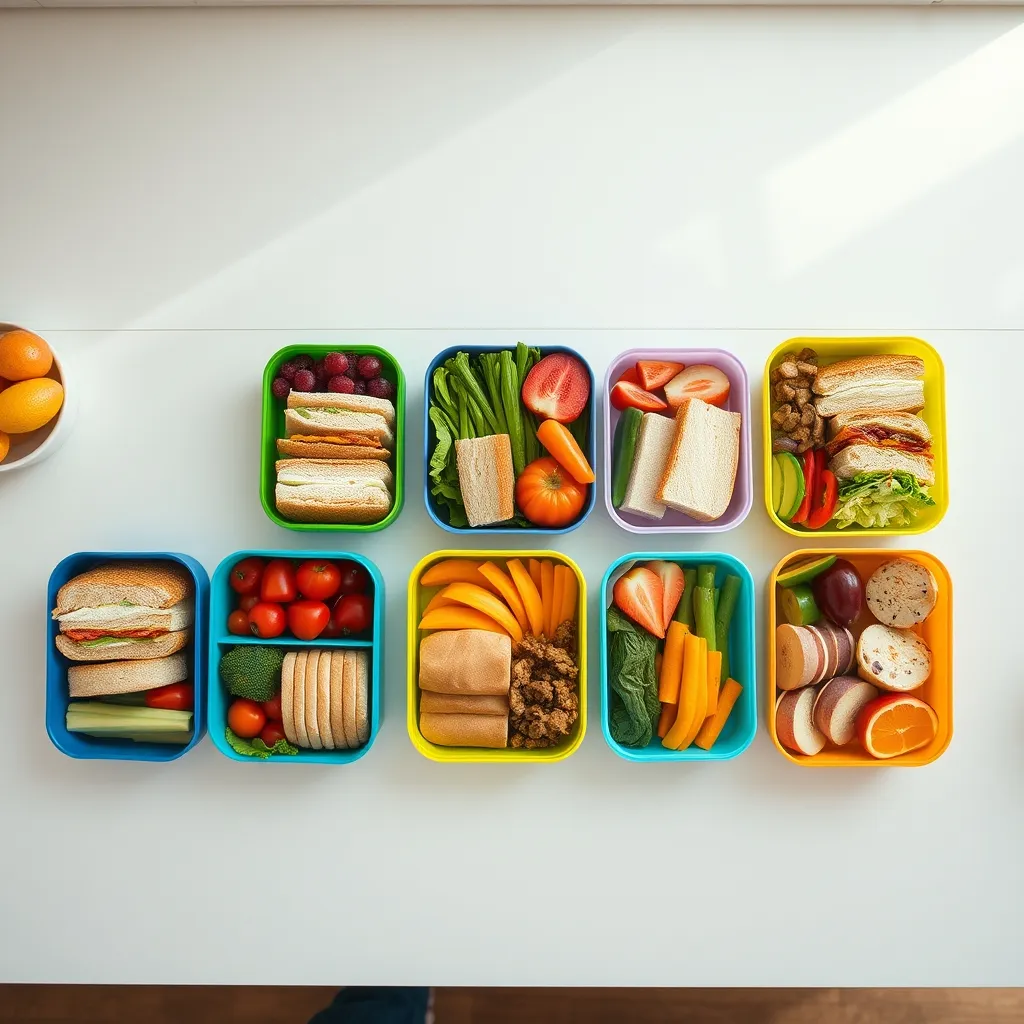
For packed lunches, the key principles I recommend are:
- Include one portion of starchy carbohydrate (bread, wrap, pitta, pasta or rice)
- Add one protein source (chicken, cheese, egg, hummus, tuna or beans)
- Pack at least two portions of fruit or vegetables
- Include a dairy element (cheese portion, yoghurt tube or milk drink)
- Add one small treat if desired (homemade flapjack, a few crackers)
For comprehensive lunchbox inspiration, our article on healthy packed lunch ideas for children provides dozens of combinations that keep things interesting throughout the term.
If your child eats school dinners, you can find helpful information in our piece about whether school meals are healthy. I generally advise parents to plan evening meals that complement what was served at school, ensuring the day’s nutrition is balanced overall.
For families on tighter budgets, do explore whether your child qualifies for support. Our guide on free school meals eligibility explains the criteria and application process.
Dinner Recipes the Whole Family Will Enjoy
The evening meal is often where families gather, and I have deliberately chosen dinners in this plan that work for everyone at the table. Cooking separate meals for children and adults is not only exhausting but sends the message that “children’s food” is somehow different from “real food”.
Here are three of my favourite recipes from the plan in more detail:
Spaghetti Bolognese with Hidden Vegetables (Monday)
This is my go-to recommendation for families dealing with vegetable resistance. Finely grate courgette, carrots and mushrooms into the sauce alongside the mince. Once cooked, the vegetables disappear entirely into the tomato sauce while adding fibre, vitamins and reducing the overall meat content. I use a ratio of approximately 300g lean mince to 400g mixed grated vegetables for a family of four. For strategies around fussy eating more broadly, our article on fussy eating in children offers evidence-based approaches.
Baked Salmon with Sweet Potato Wedges (Tuesday)
Oily fish is one of the most important foods I encourage families to include. It provides omega-3 fatty acids (DHA and EPA) that are critical for brain development and have been linked to improved behaviour and concentration in school-age children. Simply season salmon fillets with a squeeze of lemon and bake at 200°C for 12 to 15 minutes. Sweet potato wedges tossed in a little olive oil and roasted alongside provide vitamin A and complex carbohydrates.
Bean and Vegetable Chilli (Friday)
Plant-based meals deserve a regular slot in any family’s weekly rotation. This chilli combines kidney beans, black beans, peppers, tomatoes and sweetcorn for a protein and fibre-rich dinner that costs very little to prepare. Serve with brown rice and a spoonful of natural yoghurt. Leftovers freeze brilliantly for future weeks. For more affordable meal ideas, see our guide to budget-friendly healthy meals for families.

Healthy Snacks and Hydration
Snacks are not the enemy. Children have smaller stomachs and higher energy needs relative to their body size, which means two to three planned snacks daily are appropriate and necessary. The problem arises when snacks become unregulated grazing on ultra-processed foods.
I advise parents to think of snacks as mini-meals rather than treats. Each snack should ideally combine a carbohydrate with a protein or healthy fat for staying power:
- Apple slices with a tablespoon of nut butter
- Vegetable sticks with hummus or cream cheese
- A small pot of natural yoghurt with berries
- Oatcakes topped with cheese
- A banana with a small handful of nuts (over 5s only)
- Homemade popcorn (air-popped, lightly seasoned)
For more ideas, our comprehensive list of healthy after-school snack ideas covers options for every taste preference.
Hydration is equally important and often overlooked. Children should drink 6 to 8 glasses of fluid daily, with water and plain milk being the best choices. Fruit juice should be limited to one small glass (150ml) per day, diluted with water and served with meals to protect teeth. Fizzy drinks, energy drinks and squash with added sugar have no place in a child’s regular diet.
Signs of dehydration in children include darker urine, tiredness, difficulty concentrating and headaches. I suggest keeping a water bottle accessible throughout the day and offering water at every meal and snack time.
Adapting the Plan for Different Dietary Needs
No single meal plan suits every family. Here is how to adapt the weekly plan for common dietary requirements:
Vegetarian Families
Replace meat and fish with additional pulses (lentils, chickpeas, beans), eggs, tofu, Quorn and dairy. Monday’s Bolognese works beautifully with red lentils instead of mince. Tuesday’s salmon can become a baked frittata with vegetables. Thursday’s fish fingers can be swapped for bean burgers. Ensure adequate iron and vitamin B12 intake by including fortified cereals and plenty of dark green vegetables.
Dairy-Free Requirements
Use fortified plant milks (soya, oat or pea milk are most nutritionally similar to cow’s milk) and dairy-free yoghurts. Check that alternatives are fortified with calcium and vitamin D. Include plenty of calcium-rich foods such as fortified bread, green vegetables (broccoli, kale), sesame seeds and tinned fish with soft bones.
Gluten-Free Needs
Swap wheat-based items for gluten-free alternatives: rice, potatoes, quinoa, gluten-free pasta and bread, oats (certified gluten-free) and corn-based products. Most of the dinners in this plan are naturally gluten-free or easily adapted.
Food Allergies
For children with diagnosed allergies, work with your child’s dietitian to ensure nutritional adequacy. The plan can be modified around any allergen while maintaining balance. Always check labels carefully, as ingredients can change without notice.
Supporting good gut health through a varied diet rich in fibre and fermented foods benefits all children. Our article on gut health for children explains this connection in detail.
Practical Tips for Successful Meal Prep
Having the plan is one thing; making it work in a busy family life is another. Here are my most practical recommendations based on what I see working for families in my practice:
Set aside 20 minutes each weekend to plan the coming week. Check what you already have in the cupboards, write a shopping list organised by supermarket section, and note which meals can share ingredients to reduce waste and cost.
Batch cook on Sundays. Prepare the Bolognese sauce, soup or chilli in double quantities. Freeze half in labelled containers for the following week. This means you are always one week ahead.
Prep vegetables in advance. Wash and chop carrots, peppers and cucumber on Sunday evening. Store in containers lined with damp kitchen paper in the fridge. This makes assembling packed lunches and cooking dinners significantly faster on weekday evenings.
Involve your children. Even young children can wash vegetables, tear lettuce, stir sauces and choose between options (“shall we have broccoli or green beans tonight?”). Research from the Great Ormond Street Hospital nutrition team confirms that children who help prepare food are more likely to eat it.
Be flexible with the plan. If Wednesday’s stir-fry ingredients look tired by Wednesday, swap it with Friday’s chilli. The plan is a guide, not a contract. Life happens: a child is invited to a friend’s house for tea, you receive unexpected leftovers from family, or everyone is simply too exhausted. Adjust without guilt.
Keep a well-stocked store cupboard. Tinned tomatoes, tinned beans, pasta, rice, frozen vegetables, frozen fish fillets and eggs form the backbone of dozens of quick, nutritious meals. When the plan falls apart entirely, you can always produce a healthy meal from these staples.
Building positive mealtime habits around your weekly plan helps children develop a healthy lifelong relationship with food. Keep mealtimes relaxed, avoid using food as reward or punishment, and model the eating behaviours you want your children to adopt.
Combining good nutrition with regular physical activity creates the foundation for lifelong health. Our guide to UK physical activity guidelines for children by age outlines how much movement children need alongside their balanced diet.
Key Points
- Plan all meals and snacks for the week in one 20-minute session each weekend to reduce daily decision fatigue
- Aim for at least 5 portions of fruit and vegetables daily, spread across every meal and snack
- Include 2 portions of fish per week, with one being an oily fish like salmon or mackerel for omega-3
- Batch cook 2 to 3 meals on Sundays and freeze portions for stress-free weeknight dinners
- Involve children in meal planning and preparation to increase acceptance of new foods and build food literacy
Frequently Asked Questions
How many calories should a child eat per day?
Calorie needs vary by age, sex and activity level. As a general guide, children aged 4 to 6 need approximately 1,200 to 1,400 calories daily, while those aged 7 to 10 need around 1,500 to 1,800 calories. Rather than counting calories, I recommend focusing on providing balanced meals from all food groups and letting your child’s natural hunger and fullness cues guide portion sizes. If you are concerned about your child’s intake, speak with your GP or a registered dietitian.
What should I do if my child refuses to eat the planned meals?
Food refusal is normal and extremely common, particularly between ages 2 and 7. Continue offering the planned meals without pressure. Serve at least one accepted food alongside newer items. It can take 15 to 20 exposures before a child accepts a new food, so persistence and patience are essential. Avoid making alternative meals, as this can reinforce refusal behaviour. If refusal is severe or causing weight concerns, seek advice from your health visitor or GP.
Can this meal plan work for the whole family including adults?
Absolutely. This plan is designed as a family meal plan with adjustable portions. Adults simply serve themselves larger portions, and you may wish to add extra seasoning, chilli or salad to your own plate. Cooking one meal for everyone saves time, money and teaches children that healthy food is not separate from “grown-up food”. The only adjustment needed is for children under 1, who have different dietary requirements and should follow weaning guidance.
How can I make weekly meal planning more affordable?
Plan meals around seasonal vegetables and supermarket offers. Use cheaper protein sources like eggs, beans and lentils for two to three meals per week. Buy frozen fruit and vegetables, which are just as nutritious as fresh and significantly cheaper. Cook in bulk and freeze portions to avoid waste. Write a detailed shopping list and stick to it. Swap branded items for supermarket own-brand equivalents, which are often nutritionally identical. A well-planned weekly shop for a family of four can cost as little as 40 to 60 pounds.
Should I give my child vitamin supplements alongside this meal plan?
The UK Department of Health recommends that all children aged 1 to 4 take a daily supplement containing vitamins A, C and D. Children over 4 and adults should consider a vitamin D supplement (10 micrograms daily), particularly during autumn and winter months when sunlight is insufficient for adequate vitamin D production. If your child eats a well-balanced diet like this plan, additional supplements are generally unnecessary, but vitamin D remains important year-round for many children in the UK.
How do I ensure my child gets enough protein on a vegetarian meal plan?
Plant-based protein sources are abundant and perfectly adequate for growing children when varied throughout the week. Include a combination of pulses (lentils, chickpeas, kidney beans), eggs, dairy products (milk, cheese, yoghurt), tofu, nuts and seeds (over 5s), and Quorn or similar meat alternatives. Combining different plant proteins across the day, such as beans on toast or rice with lentils, ensures your child receives all essential amino acids. A well-planned vegetarian diet meets all nutritional needs for children.