
Key Takeaways
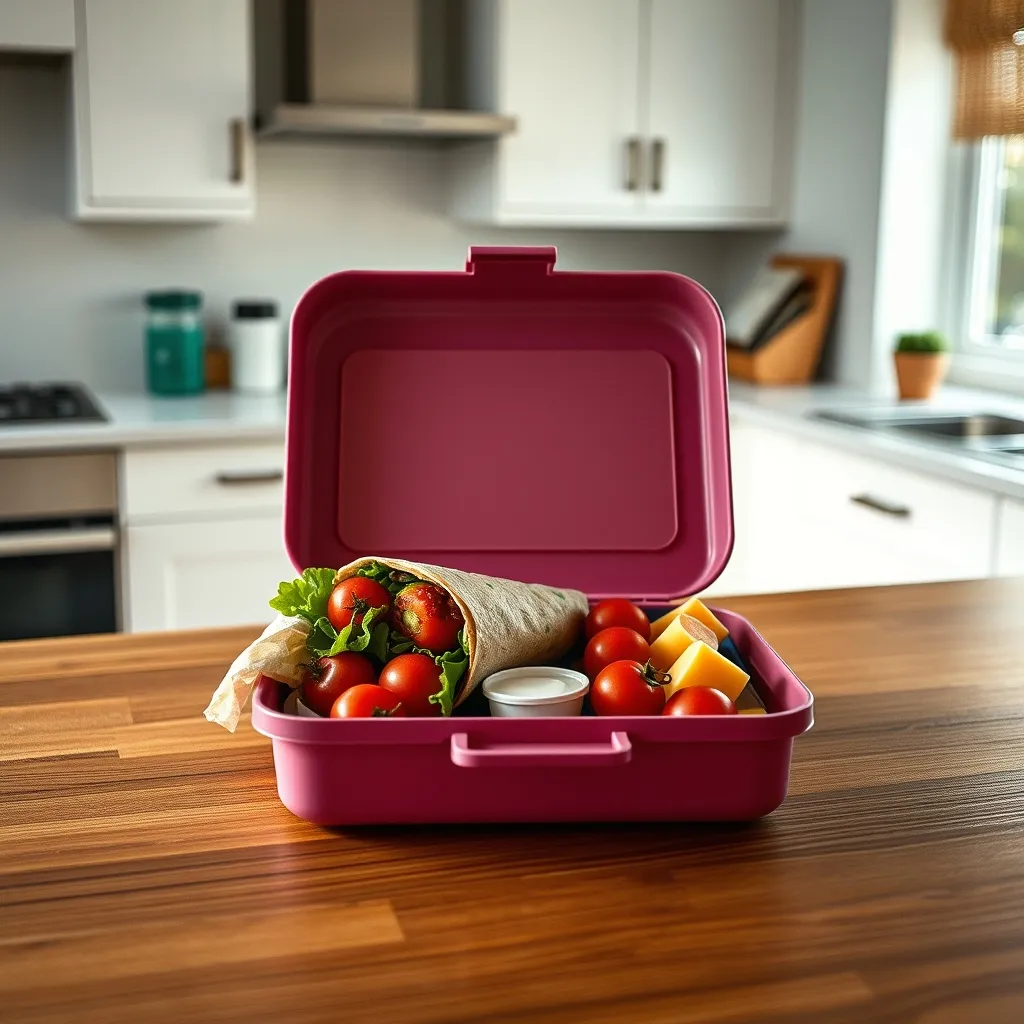
- A balanced packed lunch should include 4 key components: a starchy carbohydrate, a protein source, fruit or vegetables, and a dairy item
- According to NHS data, only 1.6% of UK children’s packed lunches meet all the nutritional standards set for school meals
- Preparing lunch boxes the night before saves an average of 15 to 20 minutes during the morning rush
- Batch cooking on Sundays can provide enough filling and protein for up to 5 days of varied packed lunches
- Children are more likely to eat their lunch when they help choose at least 1 item in the box themselves
- A well-planned packed lunch can cost as little as £1 to £1.50 per day, significantly less than a bought meal
In This Article
- Why Packed Lunches Matter for Your Child’s Health
- Building a Balanced Lunch Box: The Essential Formula
- Easy Sandwich and Wrap Ideas Children Actually Eat
- No-Sandwich Packed Lunch Ideas
- A Simple Five-Day Lunch Box Plan
- Healthy Snacks, Sides and Extras
- Batch Cooking and Meal Prep Tips
- Food Safety and Storage Essentials
- Involving Children in Lunch Preparation
As a paediatric nutritionist, one of the questions I hear most frequently from parents is: “What on earth do I put in the lunch box?” I completely understand the frustration. Between fussy eaters, school food policies, time constraints and the desire to keep things nutritious, packing a good lunch can feel like solving a daily puzzle. The good news is that easy packed lunch ideas do not have to be complicated, expensive or time-consuming. With a few simple strategies and a handful of reliable recipes, you can send your child off with a lunch they will actually enjoy eating.
In my years working with families across the NHS and in private practice here in Bristol, I have seen first-hand how a well-packed lunch box can transform a child’s energy levels, concentration and mood throughout the afternoon. Let me share the practical approach I use with my own patients and, frankly, with my own children.
Why Packed Lunches Matter for Your Child’s Health
Lunch provides roughly a third of your child’s daily nutritional intake. What goes into that box genuinely matters. Research published by the NHS Healthier Families programme has consistently shown that the nutritional quality of most packed lunches falls well short of what school meals provide. In fact, studies have found that fewer than 2% of children’s packed lunches meet the nutritional standards required for school dinners.
This is not about making parents feel guilty. It is about recognising that small, achievable changes can have a significant impact. A lunch box that includes a good balance of carbohydrates, protein, healthy fats and vitamins will help your child concentrate in afternoon lessons, maintain steady energy levels and support healthy growth. If you are interested in how packed lunches fit into a broader nutritional picture, my guide to healthy eating for children covers the fundamentals.
Packed lunches also offer a wonderful opportunity to introduce variety. Unlike school meals where children may only have one or two choices, a home-prepared lunch box can include different textures, flavours and food groups arranged in a way that appeals to your specific child.

Building a Balanced Lunch Box: The Essential Formula
I always recommend parents think of the lunch box in four simple compartments. This framework takes the guesswork out of planning and ensures nutritional balance every day, without needing to count calories or weigh portions. The Eatwell Guide provides the foundation for this approach.
| Lunch Box Component | What It Provides | Examples |
|---|---|---|
| Starchy carbohydrate | Sustained energy for the afternoon | Wholemeal bread, wraps, pasta, rice, pitta, oatcakes, couscous |
| Protein source | Growth, repair and satiety | Chicken, tuna, cheese, hummus, eggs, beans, turkey |
| Fruit and/or vegetables | Vitamins, minerals and fibre | Cherry tomatoes, cucumber, pepper sticks, grapes, satsumas, berries |
| Dairy or calcium-rich food | Bone health and development | Cheese cubes, yoghurt pot, milk-based pudding, calcium-fortified alternative |
Getting the right portion sizes for your child’s age is also worth considering. A five-year-old needs significantly less than a thirteen-year-old, and overpacking the box can be just as unhelpful as underfilling it.
Beyond the four compartments, I encourage adding a small treat or “fun” item. This might be a homemade flapjack, a few crackers, or a small piece of dark chocolate. Including something enjoyable prevents children from feeling deprived and reduces the likelihood of swapping food with friends or buying snacks after school. The key is keeping the sugar content reasonable.
Easy Sandwich and Wrap Ideas Children Actually Eat
Sandwiches remain the cornerstone of most packed lunches for good reason: they are quick, portable and endlessly versatile. The trick is keeping things interesting enough that children do not start returning them uneaten by week three of term. Here are my most reliable combinations.
Classic Combinations That Work
- Chicken and sweetcorn mayo on wholemeal bread: shred leftover roast chicken, mix with tinned sweetcorn and a tablespoon of light mayonnaise. Simple, protein-rich and popular with most children.
- Tuna and cucumber in a wholemeal wrap: drain tinned tuna, add finely chopped cucumber and a squeeze of lemon. Roll tightly and slice into pinwheels for younger children.
- Cheese and grated carrot on seeded bread: a surprising hit with children who think they do not like vegetables. The sweetness of the carrot pairs beautifully with mature cheddar.
- Egg mayo and cress on soft white bread: hard-boil eggs on Sunday evening, mash with a little mayo and keep in the fridge. Assemble in under two minutes.
- Hummus, roasted pepper and spinach wrap: spread hummus generously, add sliced peppers from a jar and a handful of baby spinach. Roll and cut in half.
Keeping Sandwiches Fresh
Nobody enjoys a soggy sandwich. Place wet ingredients like tomato slices or cucumber between layers of lettuce to create a moisture barrier. Wraps tend to hold up better than sliced bread if your child’s lunch box sits in a warm classroom. Consider investing in a small insulated lunch bag with a reusable ice pack.
For families exploring plant-based options, I have put together a dedicated guide to vegetarian packed lunch ideas with plenty of protein-rich alternatives.
No-Sandwich Packed Lunch Ideas
Some children simply tire of sandwiches, and I find that offering variety is one of the best ways to combat lunch box boredom. These ideas are just as quick to prepare and often go down even better than the traditional sandwich.
Pasta-Based Lunches
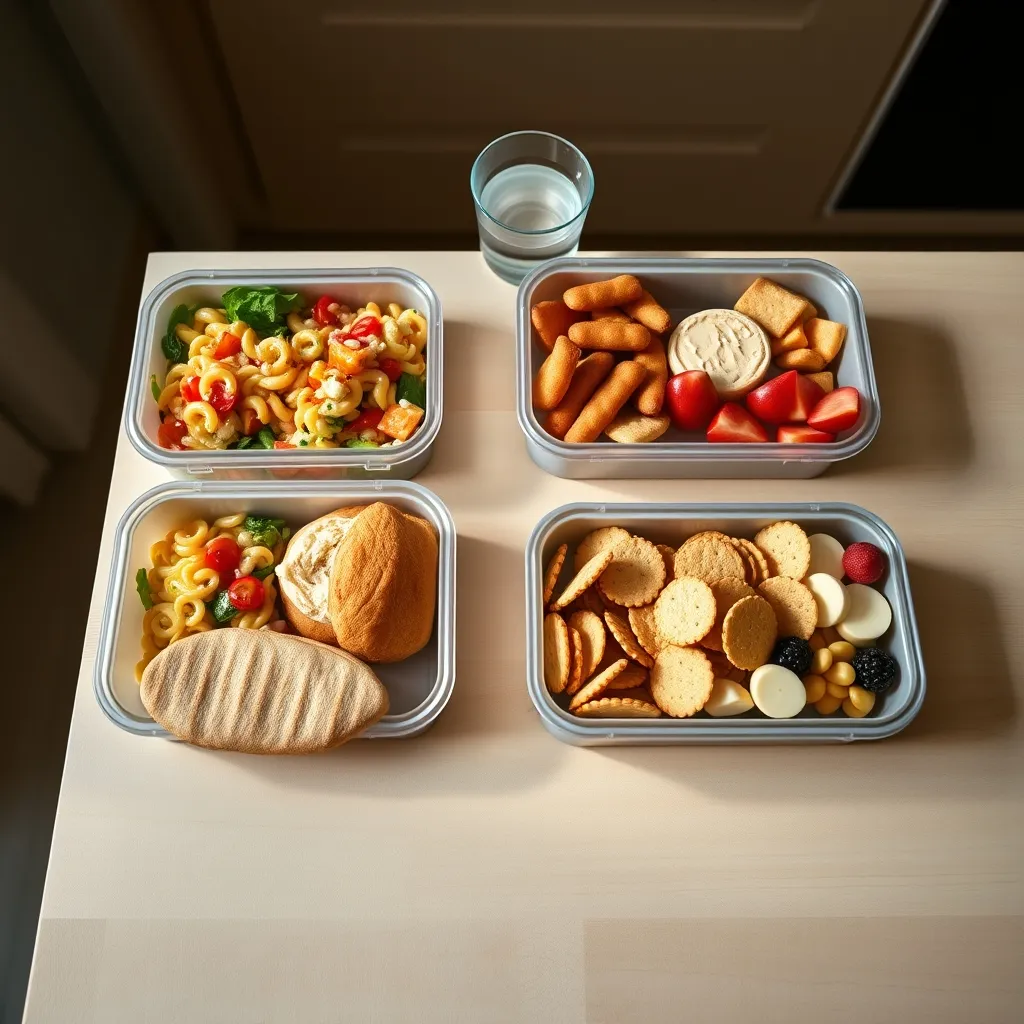
Cold pasta salads are a lunch box staple in our household. Cook a large batch of fusilli or penne on Sunday, toss with a drizzle of olive oil and refrigerate. Each morning, simply add different mix-ins:
- Pesto, cherry tomatoes and mozzarella pearls
- Tinned tuna, sweetcorn and a light dressing
- Diced ham, peas and a spoonful of cream cheese
- Roasted vegetables and crumbled feta
Build-Your-Own Boxes
Children adore picking and choosing from a selection of small items. Use a compartmentalised lunch box and fill each section with different foods: cubes of cheese, sliced turkey, breadsticks, cherry tomatoes, hummus, grapes and a few crackers. This approach works brilliantly for fussy eaters because the child feels in control. If your child struggles with food variety, my article on fussy eating strategies has plenty of practical suggestions.
Rice and Grain Bowls
Leftover rice from dinner makes an excellent lunch base. Combine with edamame beans, shredded carrot, a dash of soy sauce and some diced chicken or tofu for a simple rice bowl. Couscous works equally well and takes just five minutes to prepare with boiling water.
Savoury Muffins and Frittata Slices
Bake a batch of vegetable muffins (courgette, sweetcorn and cheese are a winning combination) at the weekend and freeze individually. Pop one into the lunch box each morning; it will be defrosted by lunchtime. Frittata slices made with whatever vegetables you have to hand are equally portable and protein-rich.
A Simple Five-Day Lunch Box Plan
One of the most effective strategies I recommend to busy parents is planning the week’s lunches in one go. This saves time, reduces food waste and ensures variety. Here is a sample week that I often share with families in my clinic. You can adapt it according to your child’s preferences and any weekly meal plan you already follow.
| Day | Main Item | Side 1 | Side 2 | Treat/Extra |
|---|---|---|---|---|
| Monday | Chicken and sweetcorn wrap | Cucumber sticks | Yoghurt pot | Oat flapjack square |
| Tuesday | Pasta salad with pesto and tomatoes | Pepper sticks and hummus | Cheese cubes | Satsuma |
| Wednesday | Egg mayo sandwich on wholemeal | Cherry tomatoes | Grapes | Rice cake with peanut butter |
| Thursday | Build-your-own box (turkey, cheese, crackers) | Carrot sticks | Strawberries | Small malt loaf slice |
| Friday | Tuna and cucumber pitta pocket | Sugar snap peas | Apple slices | Homemade banana muffin |
This plan costs approximately £6 to £8 for the entire week, making it far more affordable than relying on pre-packaged lunch kits or daily school dinners. For more ideas on keeping costs down, have a look at my guide to budget-friendly healthy meals for families.
Healthy Snacks, Sides and Extras
The sides and extras often make or break a lunch box. Children tend to eat the treat first and leave the rest, so choosing sides that are genuinely appealing is important. Here are my top picks, organised by category.
Fruit Options
Whole fruits are brilliant but can sometimes come home untouched. I find that prepared fruit is eaten far more readily than whole fruit. Slice apples and store in a small pot with a squeeze of lemon juice to prevent browning. Grapes cut in half (essential for younger children to prevent choking), satsuma segments, berries in a small container, or chunks of melon all travel well.
Vegetable Sides
Raw vegetables with a dip are far more appealing to most children than plain sticks on their own. Hummus, cream cheese or guacamole paired with carrot batons, cucumber rounds, pepper strips or sugar snap peas make a satisfying side. Cherry tomatoes are another easy addition that require zero preparation.
Smart Treat Choices
Rather than banning treats entirely, which in my experience tends to backfire, choose options that offer some nutritional value. Homemade flapjacks, banana bread, oat cookies or malt loaf are all better choices than shop-bought cakes and biscuits. When you do buy packaged snacks, checking the label is worthwhile; my guide to understanding food labels can help you make informed choices quickly.
For more after-school and lunch box snack inspiration, my collection of healthy snack ideas has options for every age group.
Batch Cooking and Meal Prep Tips
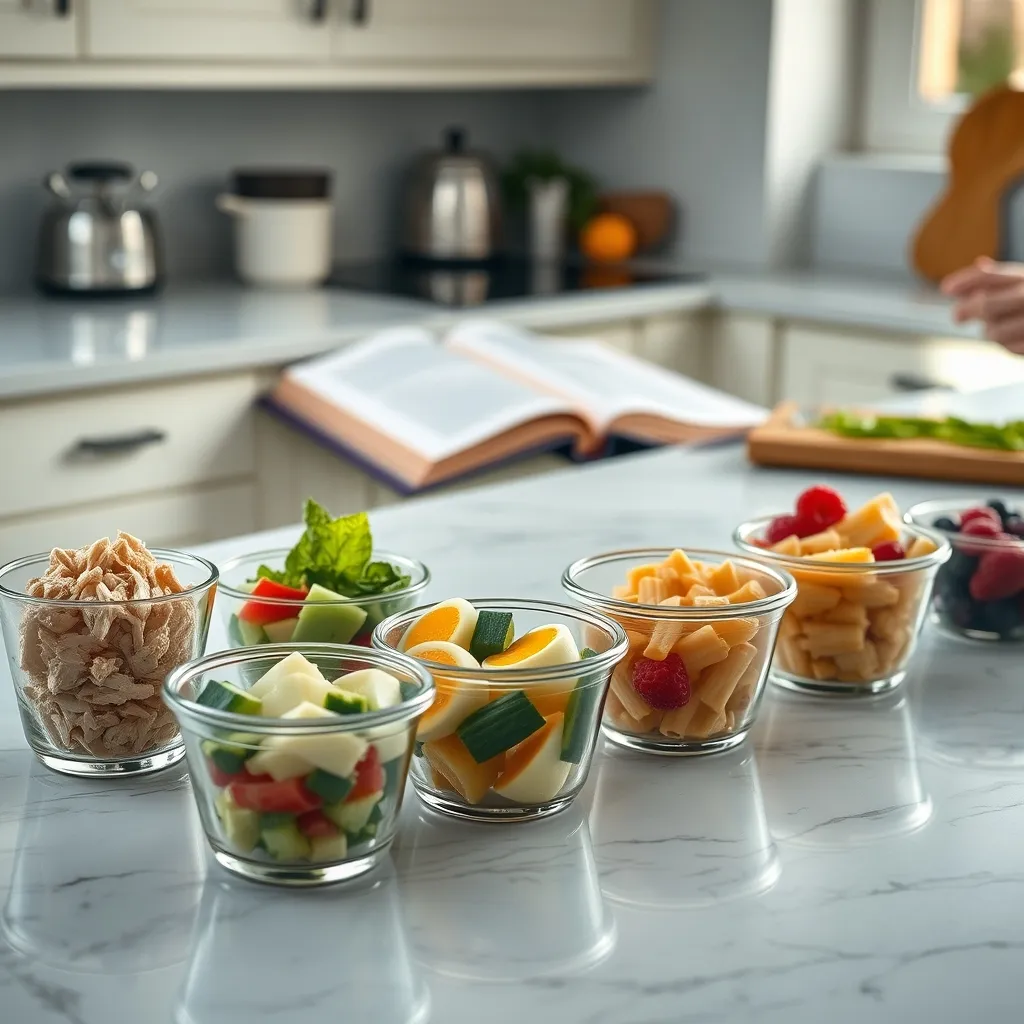
The single biggest time-saver for packed lunches is dedicating 30 to 45 minutes on a Sunday to basic preparation. This is the approach I recommend to every busy family I work with, and it genuinely transforms the morning routine.
Sunday Prep Checklist
- Cook a large batch of pasta or rice and store in an airtight container. This serves as the base for two or three lunches during the week.
- Hard-boil 4 to 6 eggs and refrigerate in their shells. They keep well for up to five days and can be used in sandwiches, salads or eaten as a side.
- Wash and chop vegetables: carrot sticks, cucumber rounds, pepper strips. Store in containers lined with damp kitchen paper to keep them crisp.
- Bake a batch of savoury muffins or flapjacks. Freeze individually so you can grab one each morning.
- Shred leftover roast chicken from Sunday lunch. Mixed with different sauces throughout the week, this provides at least two days of sandwich or wrap fillings.
- Prepare a large container of couscous salad. Couscous absorbs flavours beautifully and actually improves over a day or two in the fridge.
Freezer-Friendly Items
Several lunch box staples freeze exceptionally well. Wraps, pitta breads, sliced bread and homemade muffins can all go straight from the freezer into the lunch box in the morning. By lunchtime, they will be perfectly defrosted. A frozen juice box or water bottle also acts as an ice pack, keeping everything cool and providing a cold drink.
According to the Food Standards Agency guidance on chilling and food safety, perishable foods should be kept below 8°C. Using a cool bag with an ice pack is the simplest way to achieve this in a school environment.
Food Safety and Storage Essentials
Food safety is something I take seriously in my recommendations, particularly during the warmer months. A packed lunch typically sits at room temperature for several hours before being eaten, which creates a window for bacterial growth if you are not careful.
Key Safety Rules
- Always use an insulated lunch bag with at least one ice pack, especially between April and October.
- Avoid mayonnaise-heavy fillings in hot weather unless you can guarantee the lunch stays cool. Alternatives like pesto, mustard or mashed avocado are safer options.
- Never reuse yesterday’s lunch box without washing it thoroughly. Bacteria thrive in warm, damp environments.
- Ensure reheated rice is piping hot before cooling it for the lunch box. Rice that has been poorly stored can harbour Bacillus cereus, a common cause of food poisoning.
- If including yoghurt, freeze it the night before. It acts as an additional ice pack and reaches the perfect consistency by midday.
Allergy-Aware Packing
Many schools now have strict policies around common allergens, particularly nuts. Before including any nut-based products, check your school’s allergy policy. Seed butters (sunflower or pumpkin) make excellent alternatives to peanut butter and are allowed in most nut-free schools. Similarly, if your child has allergies or intolerances, clear labelling inside the lunch box can help teachers and lunchtime supervisors keep your child safe.
Involving Children in Lunch Preparation
One of the most effective strategies I share with parents is surprisingly simple: let your child help pack their own lunch. Research consistently shows that children who participate in food preparation are more likely to eat what they have helped create. The School Food Standards published by the Department for Education emphasise the importance of developing children’s understanding of food and nutrition, and hands-on involvement at home supports this beautifully.
Age-Appropriate Tasks
- Ages 3 to 5: Choosing between two fruits, placing items in the box, washing grapes or tomatoes
- Ages 5 to 7: Spreading fillings on bread, assembling wraps, peeling satsumas, arranging items in the box
- Ages 7 to 10: Making their own sandwich, chopping soft vegetables with a child-safe knife, mixing pasta salads
- Ages 10 and above: Planning the week’s lunches with you, cooking simple items like boiled eggs or pasta, packing independently
I also recommend creating a “lunch box menu” on the fridge where your child can tick off their choices for the week. This gives them ownership and reduces the morning negotiations that so many families find stressful. It is also a wonderful way to gradually expand their food repertoire; offer two familiar options alongside one new item and let them choose.
If your child is going through a particularly difficult phase with food, the strategies in my article on fussy eating in children may help you navigate this alongside the lunch box routine.
Making It Fun
Small touches can make a big difference to how enthusiastically a child opens their lunch box. Cookie cutters to shape sandwiches, colourful silicone cupcake cases to separate foods, or a simple note tucked inside can transform an ordinary lunch into something that feels special. These details cost virtually nothing but create positive associations with lunchtime that last.
Key Points
- Build every lunch box around 4 components: starchy carbohydrate, protein, fruit or veg, and dairy
- Dedicate 30 to 45 minutes on Sunday to batch cooking pasta, boiling eggs and chopping vegetables for the week
- Use an insulated bag with an ice pack year-round and always check your school’s allergy policy before packing nut products
- Let children help choose and prepare at least one item in their lunch box to increase the likelihood they will eat it
- Plan 5 days of lunches at once using the balanced formula to save time, money and reduce food waste
Frequently Asked Questions
What is the easiest lunch to pack for school?
The easiest packed lunch is a build-your-own box with no cooking required: crackers or breadsticks, cheese cubes, sliced deli meat or hummus, cherry tomatoes, a piece of fruit and a yoghurt pot. It takes under five minutes to assemble and covers all four nutritional components. Preparing vegetables and portioning snacks on Sunday evening makes weekday assembly even faster.
A good packed lunch includes a starchy carbohydrate (bread, wrap, pasta), a protein source (chicken, cheese, eggs, hummus), fruit and vegetables (at least one of each), and a dairy item (yoghurt, cheese). Adding a small treat like a homemade flapjack or malt loaf slice keeps children happy without excessive sugar. Variety across the week is more important than perfection at every meal.What are good things to put in a packed lunch for children?
Use an insulated lunch bag with a reusable ice pack to keep food below 8°C, as recommended by the Food Standards Agency. Freezing a drink or yoghurt pot the night before provides additional cooling. Avoid mayonnaise-heavy fillings in warm weather, and always store the lunch box in the coolest spot available, away from radiators or direct sunlight. Wash the bag and box daily.How do I keep a packed lunch fresh until lunchtime?
Excellent alternatives to sandwiches include cold pasta salads with pesto and vegetables, rice bowls with chicken or edamame, couscous salads, savoury vegetable muffins, frittata slices, or a “mezze-style” box with pitta, hummus, falafel and raw vegetables. Many children prefer these varied options to a daily sandwich, and most can be batch-prepared at the weekend for quick assembly during the week.What are some no-sandwich packed lunch ideas?
Plan the week’s lunches before you shop and use leftovers creatively: Sunday roast chicken becomes Monday’s sandwich filling; extra pasta from dinner becomes Tuesday’s salad. Buy fruit and vegetables in season, choose tinned tuna and beans over expensive deli meats, and bake treats at home rather than buying packaged snacks. A well-planned packed lunch costs approximately £1 to £1.50 per day, significantly less than most school meals or shop-bought alternatives.How can I make packed lunches on a tight budget?
Children can begin helping with lunch preparation from age 3 to 4, starting with simple tasks like choosing a fruit or placing items in the box. By age 7 to 8, most children can make their own sandwich and assemble a complete lunch with supervision. By age 10 and above, many children are capable of planning and packing independently. Involving children early builds healthy habits and reduces morning stress for the whole family.At what age can children start packing their own lunch?