
As a paediatric nutritionist with over 15 years of experience working across the NHS and in private practice here in Bristol, I have seen first-hand how the right food at the right time can transform a child’s energy, mood, concentration and long-term health. Yet I also know that navigating nutrition advice can feel overwhelming for parents. Government guidelines, school meal standards, social media trends and picky eaters all compete for your attention. This guide brings together evidence-based recommendations from UK health authorities with the practical strategies I share daily in my clinic, so you can feel confident about what you put on your family’s plates.
Key Takeaways
- Only 18% of UK children aged 5 to 15 eat the recommended five portions of fruit and vegetables each day
- Children aged 4 to 6 should consume no more than 19 g of free sugars per day, roughly five sugar cubes
- The Eatwell Guide applies to children over two, but portion sizes must be adjusted by age
- Including three structured meals and two small snacks daily helps maintain steady energy and blood sugar levels
- Vitamin D supplements of 10 micrograms daily are recommended for all UK children aged one to four year-round
- Involving children in meal planning, shopping and cooking is one of the most effective ways to encourage healthier choices
In This Article
- Why Healthy Eating Matters for UK Children
- What Does a Balanced Diet Look Like?
- Age-by-Age Nutrition Needs
- Applying the Eatwell Guide to Children
- Practical Tips for Encouraging Healthy Eating
- Tackling Sugar and Ultra-Processed Foods
- Healthy Eating on a Family Budget
- School Meals and Packed Lunches
- When to Seek Professional Help
Why Healthy Eating Matters for UK Children
Good nutrition during childhood does far more than support growth. It lays the foundation for lifelong health, influences brain development, strengthens the immune system and shapes the eating patterns your child will carry into adulthood. The statistics paint a concerning picture: according to the NHS National Child Measurement Programme, roughly one in three children leaving primary school in England are overweight or living with obesity. Poor diet is a leading contributor.
In my clinic, I regularly see children who are tired, struggling to concentrate at school or experiencing frequent illness, and in many cases dietary changes bring remarkable improvements. Nutrient deficiencies, particularly in iron, vitamin D, calcium and omega-3 fatty acids, remain surprisingly common among UK children. The good news is that small, consistent changes to family eating habits can make a significant difference, and this guide will show you exactly how.
Beyond physical health, what children eat affects their emotional wellbeing and behaviour. Research consistently links diets high in fruit, vegetables, wholegrains and lean protein with better mood regulation and fewer behavioural difficulties. Understanding childhood obesity trends in the UK helps put these dietary choices into a wider public health context.
What Does a Balanced Diet Look Like?
A balanced diet for children includes a variety of foods from five main food groups, eaten in the right proportions. I find it helpful to think of each meal as a plate divided into sections, rather than counting individual nutrients. Here is what a well-balanced day of eating should include:
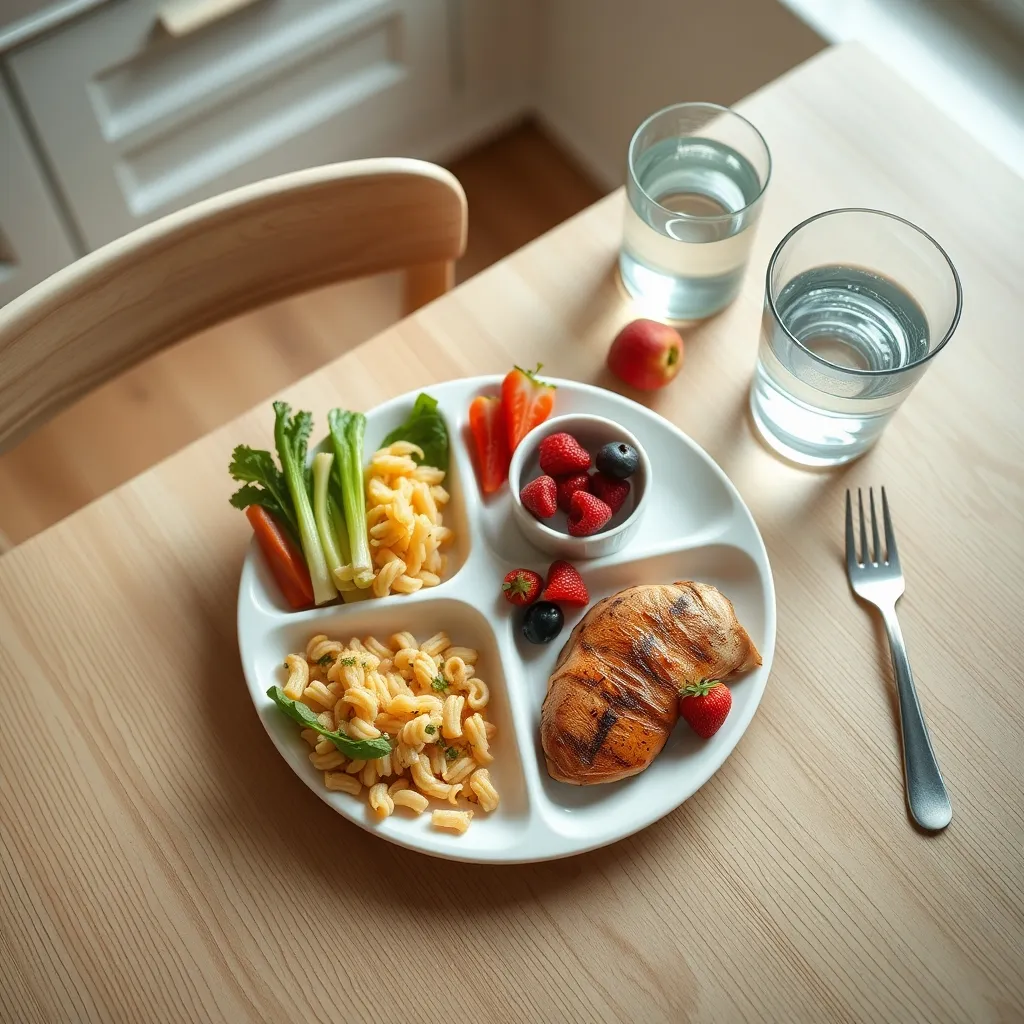
Fruit and vegetables should make up just over a third of everything your child eats. Aim for at least five portions per day, and remember that frozen, tinned (in juice, not syrup) and dried options all count. A child-sized portion is roughly the amount that fits in their palm.
Starchy carbohydrates such as bread, pasta, rice, potatoes and cereals should form another third of the diet. Choose wholegrain versions where possible, as they provide more fibre and sustained energy. I often recommend switching gradually, for example mixing white and brown rice together until your child adjusts to the texture.
Protein sources including beans, pulses, fish, eggs, meat and other proteins are essential for growth and repair. Children should eat two portions of fish per week, one of which should be oily fish such as salmon, mackerel or sardines. Plant-based proteins like lentils and chickpeas are excellent, affordable alternatives.
Dairy and alternatives provide calcium for growing bones. Semi-skimmed milk is suitable from age two, and skimmed milk from age five. If your child has a dairy-free diet, choose fortified alternatives and check they contain adequate calcium and iodine. For more on this topic, I have written about vitamins and supplements the NHS recommends for children.
Oils and spreads should be used in small amounts. Unsaturated oils like rapeseed and olive oil are better choices than butter or coconut oil for cooking.
Age-by-Age Nutrition Needs
Children’s nutritional requirements change as they grow, and what works for a toddler will not suit a teenager. Below is a summary of the key considerations at each stage. For detailed guidance on how much food to serve, see my guide on portion sizes for children by age.
| Age Group | Daily Energy (kcal approx.) | Key Nutrients to Prioritise | Special Considerations |
|---|---|---|---|
| 1 to 3 years | 1,000 to 1,300 | Iron, calcium, vitamin D, zinc | Full-fat dairy; avoid whole nuts (choking risk); vitamin A, C, D drops recommended |
| 4 to 6 years | 1,200 to 1,600 | Iron, calcium, fibre, vitamin D | Transition to semi-skimmed milk; introduce wider variety; limit free sugars to 19 g/day |
| 7 to 10 years | 1,500 to 2,000 | Calcium, iron, B vitamins, omega-3 | Increasing independence with food choices; focus on breakfast and school meals |
| 11 to 14 years | 1,800 to 2,400 | Iron (especially girls), calcium, protein | Puberty increases nutrient demands; be alert to disordered eating patterns |
| 15 to 18 years | 2,000 to 3,000 | Iron, calcium, vitamin D, folate | Peer influence on food choices; support autonomy while modelling healthy habits |
One point I always stress to parents is that energy needs vary considerably between children of the same age. A very active ten-year-old who plays football three times a week will need more calories than a less active peer. The figures above are guidelines, not rigid targets. According to Government dietary recommendations published on GOV.UK, the Eatwell Guide proportions apply from age two onwards, with portion sizes scaling to the child’s age and appetite.
Applying the Eatwell Guide to Children
The Eatwell Guide is the UK’s official framework for a healthy, balanced diet. It shows the proportions in which different food groups should be consumed over the course of a day or week. I have written a detailed breakdown of the Eatwell Guide explained for children and families, but here are the essential points.
For children under two, the Eatwell Guide does not fully apply. Babies and very young toddlers need more fat and fewer high-fibre foods than older children and adults. Full-fat milk, yoghurt and cheese should be the standard until at least age two. After that, you can gradually align your child’s diet with the Eatwell Guide proportions.

A common mistake I see is parents trying to replicate adult healthy eating for very young children. Low-fat, high-fibre diets can actually be harmful for toddlers because their small stomachs fill up quickly, and they may not get enough energy. By contrast, children over five can generally eat the same balanced meals as the rest of the family, just in smaller portions.
I recommend building meals around a simple formula: one portion of starchy carbohydrate, one portion of protein, and at least one portion of vegetables or fruit. Add a serving of dairy on the side or as a snack, and you have covered the basics. For a week of meals following this approach, see my weekly healthy meal plan for children.
Practical Tips for Encouraging Healthy Eating
Knowing what children should eat is one thing; getting them to actually eat it is quite another. After years of working with families, I have found that the following strategies make the biggest difference:
Eat together as a family whenever possible. Children who regularly eat meals at the table with their family consume more fruit and vegetables and fewer sugary drinks. Even three or four shared meals per week can have a measurable impact. Turn off screens during mealtimes and make conversation part of the experience.
Involve children in the process. Let them help choose recipes, write shopping lists, wash vegetables and stir ingredients. Children who participate in meal preparation are significantly more likely to try new foods. Even a three-year-old can tear lettuce leaves or arrange fruit on a plate.
Offer new foods alongside familiar ones. Research suggests it can take 10 to 15 exposures to a new food before a child accepts it. Do not force the issue; simply place a small amount on the plate each time with no pressure. If your child is particularly resistant, my article on fussy eating in children: causes and strategies covers this in depth.
Make healthy options the easy options. Keep a bowl of fruit visible on the kitchen counter. Pre-cut vegetables and store them at child-height in the fridge. Have wholemeal wraps, hummus and cheese sticks ready for quick snacks. When healthy food is convenient, it gets chosen more often. For snack inspiration, have a look at my list of healthy after-school snack ideas.
Avoid using food as a reward or punishment. Saying “eat your broccoli and you can have pudding” teaches children that vegetables are a chore and dessert is the prize. Instead, treat all foods neutrally and let your child learn to enjoy a variety of flavours without emotional baggage attached.
Be a role model. Children mirror the eating behaviours of the adults around them. If they see you enjoying a salad, drinking water and trying new foods, they are far more likely to do the same. Your relationship with food matters as much as the food itself.
Tackling Sugar and Ultra-Processed Foods
Free sugars remain one of the biggest dietary concerns for UK children. The NHS advises that children aged 4 to 6 should have no more than 19 g of free sugars per day (about five sugar cubes), rising to 24 g for ages 7 to 10. Yet many children consume two to three times this amount, much of it from sugary drinks, breakfast cereals, yoghurts and biscuits.
I always tell parents that reducing sugar does not mean eliminating all sweetness. Whole fruit, for example, contains natural sugars alongside fibre, vitamins and water, making it a completely different proposition from a glass of fruit juice or a handful of sweets. For a full breakdown of how much sugar children should have, read my detailed guide on how much sugar a child should have per day.
Ultra-processed foods (UPFs) are another growing concern. These are products that have been heavily industrially processed and typically contain ingredients you would not find in a home kitchen: emulsifiers, artificial colours, flavour enhancers and hydrogenated fats. Examples include many breakfast cereals, flavoured yoghurts, chicken nuggets, crisps and fizzy drinks. Studies now link high UPF consumption in childhood with increased risk of obesity, type 2 diabetes and poor mental health.
Practical ways to reduce UPFs include:
- Swapping flavoured yoghurt for plain yoghurt with fresh berries
- Choosing porridge oats over sugar-coated cereals
- Making homemade versions of popular items like fish fingers, pizza and flapjacks
- Reading ingredient lists and choosing products with fewer, recognisable ingredients
- Learning to understand food labels so you can spot hidden sugars and additives
I want to be clear: the goal is not perfection. Birthday cake, the occasional takeaway and a biscuit after school are all part of a normal, healthy relationship with food. What matters is the overall pattern of eating across the week, not every individual choice.
Healthy Eating on a Family Budget
One of the most common concerns I hear from parents is that healthy eating costs too much. The cost of living crisis has made this feel even more pressing. While fresh organic produce and speciality health foods can indeed be expensive, a nutritious diet does not have to break the bank.
Frozen fruit and vegetables are just as nutritious as fresh, often cheaper, and they last much longer. Frozen peas, sweetcorn, berries and spinach are staples in my own family kitchen. Tinned vegetables, beans and pulses are similarly excellent value. A tin of chickpeas costs around 40p and provides a generous serving of protein and fibre.
Batch cooking and meal planning are two of the most effective strategies for saving money while eating well. Cooking a large pot of chilli, soup or curry and freezing portions means you always have a healthy meal ready, reducing the temptation to order a takeaway. I have put together a comprehensive resource on budget-friendly healthy meals for UK families with specific recipes and shopping tips.
If your family is eligible, free school meals and the Healthy Start scheme can provide significant support. The Healthy Start scheme gives qualifying families vouchers for milk, fruit, vegetables and infant formula. Check whether you qualify by visiting the NHS Healthy Start website. You can also find out more about free school meals eligibility and how to apply on this site.
Other money-saving tips I recommend include buying own-brand products (which are often nutritionally identical to branded versions), shopping at markets towards closing time, using seasonal produce, and reducing food waste by planning meals around what you already have in the fridge.
School Meals and Packed Lunches
What children eat during the school day makes up a significant proportion of their overall intake, sometimes as much as 35 to 40 percent. In England, school food standards require that school meals include fruit, vegetables and starchy foods, while restricting fried foods, confectionery and sugary drinks. However, the quality of school meals varies considerably between schools and catering providers.
I encourage parents to look at their school’s menu, which should be available on the school website. If you are unsure about the nutritional quality, my article on whether school meals are healthy provides a helpful framework for evaluating what your child is being served.
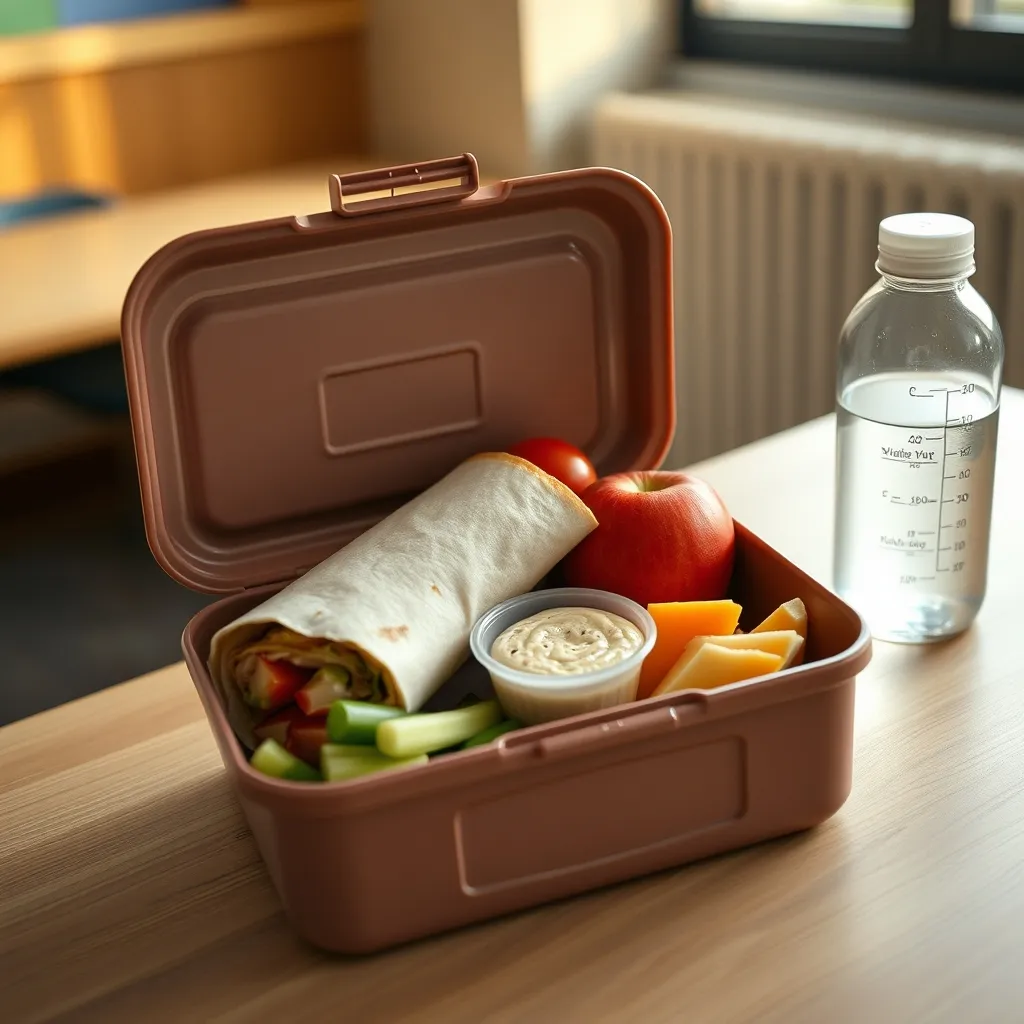
For families who prefer packed lunches, the key is balance and variety. A good packed lunch should include:
- A starchy carbohydrate: wholemeal bread, wrap, pitta, pasta or rice
- A protein source: cheese, chicken, tuna, egg, hummus or beans
- At least one portion of vegetables and one portion of fruit
- A dairy item: yoghurt, cheese or milk
- A drink: water or plain milk (avoid juice boxes and squash)
I have compiled a full list of healthy packed lunch ideas for UK schools, including nut-free options for schools with allergy policies.
When to Seek Professional Help
Most children go through phases of fussy eating, food jags (wanting the same food repeatedly) and fluctuating appetites. These are usually normal parts of development. However, there are situations where professional support is warranted:
Persistent poor growth or weight loss. If your child is consistently falling off their growth curve or losing weight, speak to your GP. They can refer you to a paediatric dietitian for a thorough assessment.
Extreme food restriction. If your child eats fewer than 20 different foods, gags or vomits when presented with new textures, or shows signs of distress around mealtimes, this may indicate avoidant/restrictive food intake disorder (ARFID) or a sensory processing issue that benefits from specialist input.
Signs of disordered eating. In older children and teenagers, watch for secretive eating, excessive concern about body shape, skipping meals, rigid food rules or compulsive exercise. Early intervention for eating disorders significantly improves outcomes. I have written about the warning signs of eating disorders in children and teenagers to help parents know what to look out for.
Suspected nutrient deficiencies. If your child is very pale, unusually tired, bruising easily or getting frequent infections, they may have a nutritional deficiency such as iron deficiency. Your GP can arrange blood tests to check.
Weight concerns. If you are worried your child may be overweight, avoid putting them on a restrictive diet without professional guidance. Instead, focus on the whole family eating well and being active together. For evidence-based approaches, see my guide on how to help your child lose weight safely, and read about practical strategies for preventing childhood obesity.
Your GP, health visitor or school nurse can all be good starting points for getting support. NHS dietitians are available free of charge through referral, and many offer family-based programmes that work with the whole household rather than singling out the child.
Key Points
- Aim for five portions of fruit and vegetables daily, using fresh, frozen or tinned varieties
- Limit free sugars to 19 g per day for children aged 4 to 6 and 24 g for ages 7 to 10
- Follow the Eatwell Guide proportions for children over two, adjusting portion sizes by age
- Involve children in shopping, cooking and meal planning to encourage acceptance of new foods
- Seek professional help if your child eats fewer than 20 foods, shows signs of disordered eating, or is losing weight unexpectedly
Frequently Asked Questions
How many portions of fruit and vegetables should children eat per day?
Children should eat at least five portions of fruit and vegetables per day, the same target as adults. However, a child-sized portion is smaller, roughly the amount that fits in the child’s palm. Fresh, frozen, tinned (in juice or water) and dried varieties all count towards the five-a-day target. Fruit juice and smoothies count as a maximum of one portion per day due to their high free sugar content.
The Eatwell Guide applies to children from the age of two onwards. Before age two, children need a higher proportion of fat in their diet and should have full-fat dairy products. After two, you can gradually align their meals with the Eatwell Guide proportions, scaling portion sizes to match their age, appetite and activity level.At what age can children follow the Eatwell Guide?
A well-planned vegetarian diet can be perfectly healthy for children. Vegan diets require more careful planning to ensure adequate intake of vitamin B12, iron, calcium, iodine, omega-3 fatty acids and zinc. If your child follows a vegan diet, I strongly recommend consulting a registered dietitian and using appropriate supplements. The NHS recommends that all vegan children take vitamin B12 and vitamin D supplements as a minimum.Is it safe to give children a vegetarian or vegan diet?
Fussy eating is very common and usually a normal developmental phase. Strategies that work well include offering vegetables alongside foods your child already likes, involving them in growing or preparing vegetables, offering the same vegetable in different forms (raw, roasted, in a soup), and eating vegetables yourself at shared mealtimes. Avoid pressuring, bribing or forcing your child to eat. Research shows it can take 10 to 15 exposures to a new food before a child accepts it, so patience and consistency are essential.How can I get my fussy child to eat more vegetables?
The NHS recommends that all children aged six months to five years take a daily supplement containing vitamins A, C and D, unless they are drinking more than 500 ml of infant formula per day (which is already fortified). Children over five and all adults in the UK are advised to consider a vitamin D supplement of 10 micrograms daily, particularly during autumn and winter when sunlight is insufficient for the body to produce enough vitamin D. Additional supplements may be needed for children on restricted diets.Should I give my child vitamin supplements?
As a general guide, children aged 4 to 8 should drink around 1,000 to 1,200 ml of fluid per day, and children aged 9 to 13 should drink approximately 1,200 to 1,500 ml. Water and plain milk are the best choices. Sugary drinks, fruit juice and flavoured water should be limited. In hot weather or during physical activity, children will need more. Encourage your child to carry a reusable water bottle to school and to drink regularly throughout the day.How much water should children drink each day?