
Key Takeaways
- A child’s gut contains around 100 trillion microorganisms that influence digestion, immunity and even mood
- Approximately 70% of the immune system resides in the gut, making gut health central to overall wellbeing
- Children who eat 30 or more different plant foods per week tend to have significantly more diverse gut bacteria
- The gut-brain axis means poor gut health in children is increasingly linked to anxiety, low mood and behavioural difficulties
- Unnecessary antibiotic use can reduce gut bacterial diversity by up to 30% within days, so they should only be used when truly needed
- Simple daily habits such as eating fermented foods, whole grains and prebiotic-rich vegetables can measurably improve a child’s gut microbiome within weeks
In This Article
- What Is Gut Health and Why Does It Matter for Children?
- How a Child’s Gut Microbiome Develops
- Signs of Poor Gut Health in Children
- The Gut-Brain Connection: How the Gut Affects Mood and Behaviour
- Foods That Support Gut Health in Children
- Lifestyle Factors Beyond Diet
- Antibiotics and Gut Health in Children
- When to See a Doctor About Your Child’s Gut Health
As a paediatric nutritionist, I spend a great deal of my clinic time talking to parents about their children’s tummies. Over the past decade, our understanding of gut health in children has transformed dramatically. We now know that the trillions of bacteria living in your child’s digestive system do far more than simply break down food. They train the immune system, manufacture essential vitamins, influence weight regulation and even communicate directly with the brain.
Yet despite the growing body of research, many families I work with are unsure where to start when it comes to supporting their child’s gut health. In this guide, I will walk you through what gut health actually means for children, how to spot potential problems and, most importantly, the practical steps you can take at home to nurture a thriving gut microbiome from infancy through the teenage years.
What Is Gut Health and Why Does It Matter for Children?
When we talk about gut health in children, we are referring to the balance and function of the entire gastrointestinal tract, but particularly the community of microorganisms that live within it. This community, known as the gut microbiome, contains bacteria, viruses, fungi and other microscopic organisms. In a healthy child, these organisms exist in a balanced ecosystem that supports digestion, nutrient absorption and immune function.
According to the NHS guidance on digestive health, maintaining a well-functioning gut is essential for overall wellbeing at any age, but it is particularly important during childhood when the body and brain are still developing rapidly.
The gut plays several critical roles in your child’s health:
- Immune defence: roughly 70% of the immune system is located in the gut-associated lymphoid tissue (GALT), meaning gut health directly affects how well your child fights off infections
- Nutrient absorption: a healthy gut lining ensures your child absorbs the vitamins and minerals they need for growth, including iron, calcium and B vitamins
- Hormone and neurotransmitter production: gut bacteria produce approximately 95% of the body’s serotonin, the neurotransmitter that regulates mood, sleep and appetite
- Protection against harmful pathogens: beneficial bacteria crowd out potentially dangerous organisms and produce substances that strengthen the gut barrier
I often explain to parents that the gut microbiome is rather like a garden. When the soil is rich and diverse, plants flourish. When it becomes depleted or overrun with weeds, everything struggles. The same principle applies to your child’s gut.
How a Child’s Gut Microbiome Develops
A child’s gut microbiome begins to establish itself from birth, and the first 1,000 days of life (from conception to roughly age two) represent a critical window. During this period, the microbiome is most responsive to environmental influences and most vulnerable to disruption.
Several factors shape the early microbiome:
- Mode of delivery: babies born vaginally are exposed to the mother’s vaginal and intestinal bacteria, giving them a different initial microbial profile compared with babies delivered by caesarean section
- Feeding method: breast milk contains human milk oligosaccharides (HMOs), which act as prebiotics and selectively feed beneficial bacteria such as Bifidobacterium
- Introduction of solid foods: weaning introduces new fibres and nutrients that dramatically diversify the gut microbiome
- Environment: contact with family members, pets, outdoor play and even the household environment all contribute bacteria to a child’s developing gut
By around age three to five, a child’s microbiome begins to resemble that of an adult in terms of diversity and stability, although it continues to evolve throughout childhood and adolescence. This is why the dietary and lifestyle habits you establish during these early years carry such long-term significance. As I often tell the families in my practice, the food choices you make for your toddler today are laying the foundation for their gut health well into adulthood.
Signs of Poor Gut Health in Children
Parents frequently ask me how they can tell whether their child’s gut health needs attention. While occasional tummy upset is entirely normal, persistent or recurring symptoms may signal an imbalance in the gut microbiome, sometimes called dysbiosis.
Common signs to watch for include:
- Frequent bloating or excessive wind after meals
- Chronic constipation or diarrhoea, or alternating between the two
- Recurring stomach pain or cramps, particularly around mealtimes
- Food intolerances that seem to be worsening or multiplying
- Frequent colds, ear infections or other recurring illnesses
- Skin conditions such as eczema or unexplained rashes
- Low energy or fatigue that cannot be explained by sleep habits alone
- Mood changes, increased anxiety or irritability
It is worth noting that many of these symptoms can have other causes, so I would always recommend keeping a food and symptom diary for two to four weeks before drawing conclusions. This gives you and your healthcare provider a clearer picture of patterns and potential triggers. If your child is a particularly selective eater, their gut health may also be affected by a lack of dietary variety, something I discuss in detail in my article on fussy eating in children.
The Gut-Brain Connection: How the Gut Affects Mood and Behaviour
One of the most exciting areas of research in recent years is the gut-brain axis, a bidirectional communication highway between the gut and the brain. This connection operates through the vagus nerve, the immune system and the metabolites produced by gut bacteria.

What this means in practical terms is that the state of your child’s gut can genuinely affect how they feel, think and behave. Research published by the Royal College of Paediatrics and Child Health and other bodies has highlighted growing evidence linking gut microbiome composition to childhood anxiety, attention difficulties and mood disorders.
In my clinical experience, I have seen children whose persistent anxiety or behavioural difficulties improved noticeably after dietary changes that supported their gut health. This is not to say that gut health is a magic cure for mental health conditions, but it is an increasingly recognised contributing factor that deserves attention alongside other interventions. I explore this connection more broadly in my piece on the link between children’s mental health and nutrition.
Key mechanisms through which the gut influences the brain include:
- Serotonin production: with the vast majority of serotonin produced in the gut, an unhealthy microbiome can directly affect mood regulation
- Inflammation: gut dysbiosis can trigger low-grade systemic inflammation, which has been linked to depressive symptoms and cognitive difficulties in children
- Short-chain fatty acid production: beneficial gut bacteria produce butyrate and other SCFAs that nourish the gut lining and have anti-inflammatory effects on the brain
- Stress response: the gut microbiome helps regulate the hypothalamic-pituitary-adrenal (HPA) axis, which controls the body’s stress response
Foods That Support Gut Health in Children
Diet is the single most powerful tool you have for shaping your child’s gut microbiome. The guiding principle is simple: diversity, fibre and fermented foods. Here is how I break this down for the families I work with.
Prebiotic Foods (Feeding the Good Bacteria)
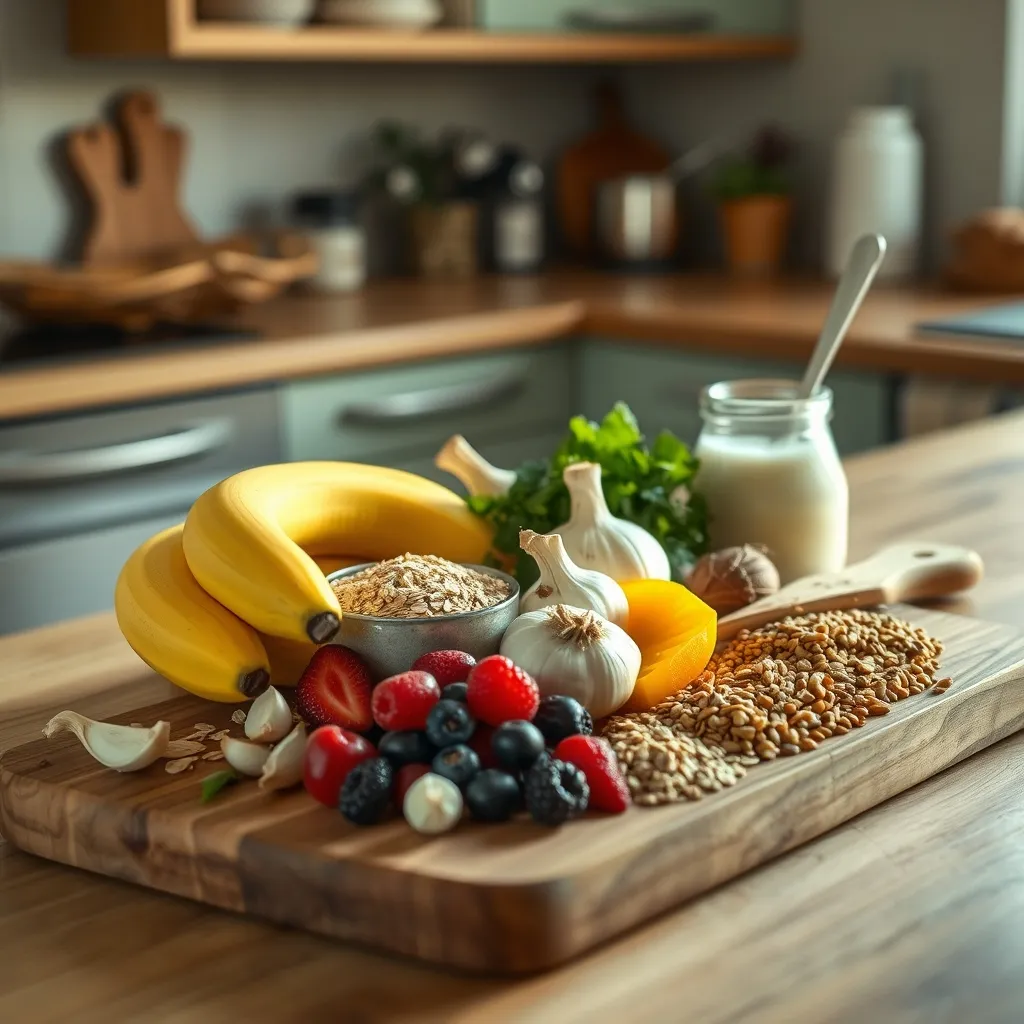
Prebiotics are types of dietary fibre that your child’s gut bacteria ferment and feed on. They act as fuel for beneficial microorganisms. Good sources include:
- Onions, garlic and leeks (even small amounts in cooking count)
- Bananas, especially slightly underripe ones
- Oats and barley
- Asparagus, artichokes and chicory root
- Beans, lentils and chickpeas
- Apples (with the skin on)
Probiotic Foods (Adding Good Bacteria)
Probiotics are live beneficial bacteria found in fermented foods. Many children enjoy these once they become familiar with them:
- Natural live yoghurt (check the label for “live cultures”)
- Kefir, which can be blended into smoothies
- Sauerkraut and kimchi (mild versions work well for younger children)
- Miso in soups or dressings
- Aged cheeses such as cheddar, Gouda and Parmesan
The 30-Plant Challenge
Research from the British Society of Gastroenterology and large-scale studies such as the American Gut Project have shown that people who eat 30 or more different plant foods per week have significantly more diverse gut microbiomes. This includes fruits, vegetables, whole grains, legumes, nuts, seeds, herbs and spices, so it is more achievable than it sounds.
For children, I suggest starting with a plant variety chart on the fridge and making it a family game. Even adding a single new herb to a meal counts towards the total. If you are looking for practical meal ideas, my guides on healthy packed lunches and breakfast ideas for fussy eaters include plenty of gut-friendly options.
| Food Group | Gut Health Benefit | Child-Friendly Examples | Suggested Daily Amount (Age 5-11) |
|---|---|---|---|
| Prebiotic vegetables | Feed beneficial bacteria, increase SCFA production | Carrots, sweetcorn, peas, sweet potato | 3-4 portions (80g each) |
| Whole grains | Provide diverse fibres for different bacterial species | Wholemeal bread, brown rice, oat porridge | 3-5 portions |
| Fermented foods | Introduce live beneficial bacteria directly | Natural yoghurt, kefir smoothies, mild cheese | 1-2 portions |
| Fruits | Provide polyphenols and soluble fibre | Berries, apples, bananas, kiwi fruit | 2-3 portions (80g each) |
| Legumes | Rich in resistant starch and prebiotic fibre | Baked beans, lentil soup, hummus | 1 portion |
| Nuts and seeds | Provide fibre, healthy fats and polyphenols | Nut butters, ground flaxseed, pumpkin seeds | 1 small handful (if no allergy) |

Lifestyle Factors Beyond Diet
While food is the cornerstone of gut health for children, several other lifestyle factors play an important supporting role. In my practice, I always discuss these alongside dietary recommendations because they can make a genuine difference.
Physical Activity
Regular exercise has been shown to increase the diversity of gut bacteria independently of diet. Children who are physically active tend to have higher levels of beneficial species such as Faecalibacterium prausnitzii, which produces anti-inflammatory compounds. The NHS recommends that children aged 5 to 18 get at least 60 minutes of moderate to vigorous physical activity every day. Activities as simple as walking or cycling to school contribute to both physical fitness and a healthier gut.
Sleep
The gut microbiome follows a circadian rhythm, and disrupted sleep patterns can alter the composition of gut bacteria. I advise parents to prioritise consistent bedtime routines and age-appropriate sleep durations:
- Ages 3-5: 10-13 hours per night
- Ages 6-12: 9-12 hours per night
- Ages 13-18: 8-10 hours per night
Excessive screen time before bed is one of the most common disruptors of healthy sleep in the children I see, so setting firm boundaries around evening device use supports gut health indirectly but meaningfully.
Outdoor Play and Nature Exposure
Children who spend more time outdoors, particularly in green spaces, are exposed to a wider range of environmental microorganisms. This exposure helps diversify the gut microbiome and may reduce the risk of allergic conditions. Encourage your child to play in the garden, visit parks and, where safe to do so, interact with soil and natural environments. There is good evidence that children who grow up with pets, particularly dogs, also develop more diverse microbiomes.
Stress Management
Chronic stress triggers the release of cortisol, which can alter gut motility, increase intestinal permeability (sometimes called “leaky gut”) and shift the balance of gut bacteria. If your child is experiencing ongoing stress, whether from school pressures, social difficulties or family changes, addressing this is important for their gut health as well as their emotional wellbeing.
Antibiotics and Gut Health in Children
Antibiotics are sometimes essential and genuinely life-saving medicines. However, they work by killing bacteria indiscriminately, which means they destroy beneficial gut bacteria alongside the harmful ones they are targeting. Studies suggest that a single course of broad-spectrum antibiotics can reduce gut bacterial diversity by up to 30%, and full recovery can take several months to over a year.
This does not mean you should refuse antibiotics when your child genuinely needs them. What it does mean is:
- Only use antibiotics when prescribed by a doctor for a confirmed bacterial infection, not for viral illnesses such as colds or most sore throats
- Complete the full course as prescribed, even if your child feels better before it is finished
- Support gut recovery during and after antibiotic treatment by offering probiotic-rich foods such as live yoghurt and kefir (ideally taken a few hours apart from the antibiotic dose)
- Increase prebiotic fibre intake after the course to help beneficial bacteria repopulate
According to NICE guidelines on antimicrobial stewardship, reducing unnecessary antibiotic prescribing is a national priority, and parents can play a role by understanding when antibiotics are and are not appropriate.
What About Probiotic Supplements?
Many parents ask me about probiotic supplements for their children. The evidence is mixed. For specific conditions such as antibiotic-associated diarrhoea, certain probiotic strains (particularly Lactobacillus rhamnosus GG and Saccharomyces boulardii) have reasonable evidence supporting their use. However, for general gut health, I typically recommend food-based sources of probiotics first, as these come packaged with additional nutrients and fibre that supplements lack.
If you are considering a probiotic supplement for your child, I would always recommend discussing it with your GP or a registered dietitian, particularly if your child has any underlying health conditions or food allergies.
When to See a Doctor About Your Child’s Gut Health
While many gut health concerns can be addressed through dietary and lifestyle changes, certain symptoms warrant professional assessment. I advise parents to consult their GP if their child experiences:
- Persistent abdominal pain lasting more than two weeks
- Blood in the stool or very dark, tarry stools
- Unexplained weight loss or failure to gain weight appropriately
- Chronic diarrhoea lasting more than two weeks
- Severe constipation that does not respond to dietary changes
- Vomiting that is frequent, forceful or contains blood
- Difficulty swallowing or pain when swallowing
- A family history of inflammatory bowel disease, coeliac disease or other gastrointestinal conditions
Your GP can arrange appropriate investigations and, if necessary, refer your child to a paediatric gastroenterologist. In the UK, you can also ask for a referral to a registered paediatric dietitian through the NHS, who can provide tailored dietary advice for gut-related concerns.
It is also worth bearing in mind that some children’s gut symptoms may be connected to their emotional health. Functional abdominal pain, where no structural cause can be identified, is common in school-age children and is often linked to stress and anxiety. In these cases, a combined approach addressing both nutrition and mental wellbeing tends to produce the best outcomes.
Key Points
- Aim for your child to eat 30 different plant foods per week, including fruits, vegetables, whole grains, legumes, nuts, seeds, herbs and spices
- Include at least one fermented food daily, such as live yoghurt, kefir or mild cheese with live cultures
- Support gut recovery after antibiotics with prebiotic-rich foods and probiotic sources for several weeks
- Ensure your child gets 60 minutes of daily physical activity and consistent, age-appropriate sleep
- Keep a food and symptom diary for two to four weeks if you suspect gut health issues, and share it with your GP
Frequently Asked Questions
How do I improve my child’s gut health?
Focus on increasing the variety of plant-based foods in your child’s diet, aiming for 30 different plants per week. Include prebiotic-rich foods such as oats, bananas, onions and beans alongside probiotic sources like live yoghurt and kefir. Regular physical activity, adequate sleep, outdoor play and minimising unnecessary antibiotic use all contribute to a healthier gut microbiome.
Common signs include frequent bloating, excessive wind, chronic constipation or diarrhoea, recurring stomach pain, frequent infections, skin conditions like eczema, unexplained fatigue and mood changes such as increased anxiety or irritability. Keeping a food and symptom diary for two to four weeks can help identify patterns. If symptoms persist, consult your GP for further investigation.How do you know if your child has gut issues?
The best foods combine prebiotic fibre with probiotic bacteria. Prebiotic-rich options include oats, bananas, apples, beans, lentils, onions and garlic. Probiotic foods include natural live yoghurt, kefir, aged cheeses and mild fermented vegetables. Whole grains, berries and a wide variety of fruits and vegetables also support microbial diversity.What are the best foods for children’s gut health?
Yes. The gut-brain axis is a well-established communication pathway between the digestive system and the brain. Gut bacteria produce approximately 95% of the body’s serotonin, and gut dysbiosis can trigger low-grade inflammation linked to anxiety and mood difficulties. While gut health is not the sole factor, supporting it through diet and lifestyle can positively influence a child’s emotional wellbeing and behaviour.Can gut health affect my child’s behaviour and mood?
For most children, food-based sources of probiotics such as live yoghurt and kefir are preferable to supplements. However, specific probiotic strains like Lactobacillus rhamnosus GG may be beneficial during or after antibiotic courses. Always consult your GP or a registered dietitian before starting any supplement, particularly if your child has allergies or underlying health conditions.Should I give my child a probiotic supplement?
Dietary changes can begin to shift the gut microbiome within days, but meaningful improvements in symptoms and microbial diversity typically take four to eight weeks of consistent changes. After antibiotic treatment, full microbiome recovery can take several months to over a year. Consistency with diverse, fibre-rich eating and healthy lifestyle habits is more important than any single intervention.How long does it take to improve a child’s gut health?