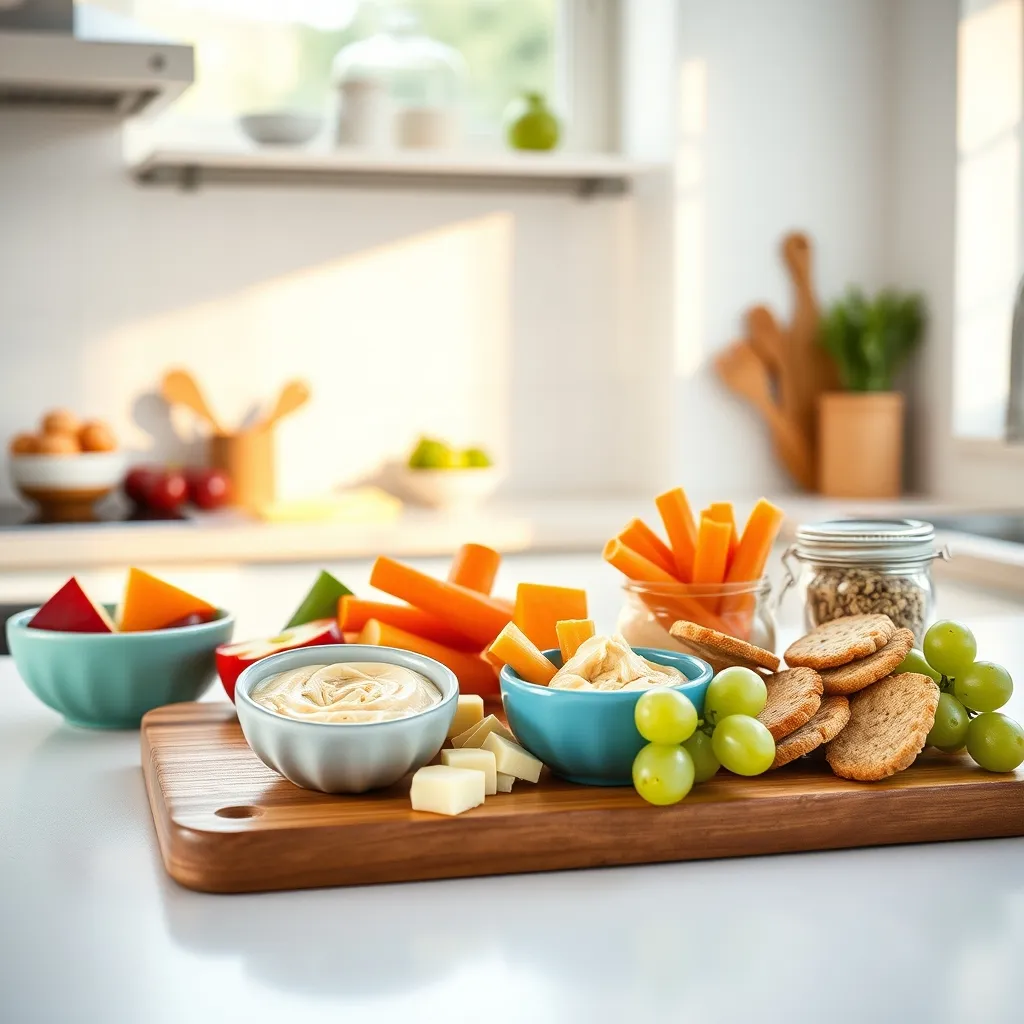
After a long day at school, children come through the door hungry and often reaching for the nearest biscuit tin or crisp packet. As a paediatric nutritionist who has worked with hundreds of families across Bristol and the wider NHS, I see firsthand how the after-school snack window can make or break a child’s daily nutrition. The right snack bridges the gap between lunch and dinner, refuels energy for homework and after-school activities, and helps children meet their nutrient targets for the day. The wrong one can spike blood sugar, suppress appetite for dinner, and contribute to excess sugar intake.
In this guide, I share my favourite healthy after-school snack ideas for children of all ages, along with practical tips that actually work for busy families. Whether you have a ravenous five-year-old or a picky teenager, there is something here for everyone.
Key Takeaways
- Children consume up to 30% of their daily calories from snacks, making after-school choices a significant nutritional opportunity
- The best after-school snacks combine protein, fibre and slow-release carbohydrates to sustain energy until dinner
- NHS guidance recommends children aged 4-6 have no more than 19g of free sugars per day, roughly 5 sugar cubes
- Preparing snacks in advance on a Sunday batch-prep session saves time and reduces reliance on processed options
- Involving children in snack preparation increases their willingness to try new fruits and vegetables by up to 50%
- A well-timed snack 30-60 minutes after school helps stabilise mood, concentration and appetite for the evening meal
In This Article
- Why After-School Snacks Matter
- What Makes a Snack Healthy?
- Quick and Easy Snack Ideas (Under 5 Minutes)
- Batch-Prep Snacks for Busy Families
- Snack Ideas for Fussy Eaters
- Snacks for Active Children and After-School Sports
- Snacks to Avoid and Healthier Swaps
- Portion Sizes by Age Group
- Involving Children in Snack Preparation
Why After-School Snacks Matter
Children typically eat lunch between 12:00 and 12:30 at school, yet many families do not sit down for dinner until 5:30 or 6:00 pm. That leaves a gap of five to six hours where growing bodies and brains are running on fumes. I regularly see children in my clinic who are irritable, unfocused during homework, or who overeat at dinner simply because they had nothing nutritious to bridge that gap.
According to NHS Healthier Families guidance on snacking, children in the UK consume too many snacks that are high in sugar, salt and saturated fat. The after-school window is one of the peak times for these less healthy choices. However, when we reframe snacking as a mini meal rather than a treat, it becomes an opportunity to add vegetables, wholegrains, calcium and other nutrients that children might otherwise miss.
Research also shows a strong connection between what children eat and how they feel. A snack rich in protein and complex carbohydrates supports steady blood sugar, which in turn supports mood, concentration and emotional regulation. If your child seems to have an afternoon slump or meltdown after school, the solution might be as simple as rethinking what they eat when they walk through the door. You can read more about this connection in our article on the link between children’s mental health and nutrition.
What Makes a Snack Healthy?
Not all snacks labelled “healthy” on the packaging actually are. I encourage parents to look beyond marketing claims and focus on three key building blocks:
- Protein for satiety and muscle repair: cheese, yoghurt, eggs, nut butters, hummus, beans
- Fibre-rich carbohydrates for sustained energy: oatcakes, wholemeal pitta, fruit, vegetable sticks
- Healthy fats for brain development: nuts (age-appropriate), seeds, avocado, olive oil
A truly healthy after-school snack combines at least two of these three elements. An apple on its own is fine, but an apple with a tablespoon of peanut butter is far more satisfying and keeps blood sugar stable for longer. Similarly, carrot sticks are a great start, but paired with hummus they become a properly balanced snack.
It is also important to keep an eye on how much sugar your child has per day. Many shop-bought snack bars, fruit pouches and yoghurt drinks marketed to children contain surprising amounts of free sugars. As a rule of thumb, I tell families to check the label: if sugar is in the first three ingredients or if a product contains more than 12g of sugar per serving, look for a better option.
Quick and Easy Snack Ideas (Under 5 Minutes)
I know that after-school time is hectic. You might be juggling homework, activities, younger siblings, or your own work. These snacks require virtually no preparation and use ingredients you likely already have in the kitchen.
Fruit and Protein Pairings
- Banana with peanut or almond butter: slice the banana, spread a thin layer of nut butter on each piece. Rich in potassium, protein and healthy fats.
- Apple wedges with cheese cubes: a classic combination that provides fibre, calcium and vitamin C.
- Berries with natural yoghurt: choose plain yoghurt and let children add their own handful of berries. This avoids the added sugars found in flavoured yoghurts.
- Satsuma segments with a small handful of mixed nuts: suitable for children over five with no nut allergies. Check our guide on food allergies in children if you are unsure.
Vegetable-Based Quick Snacks
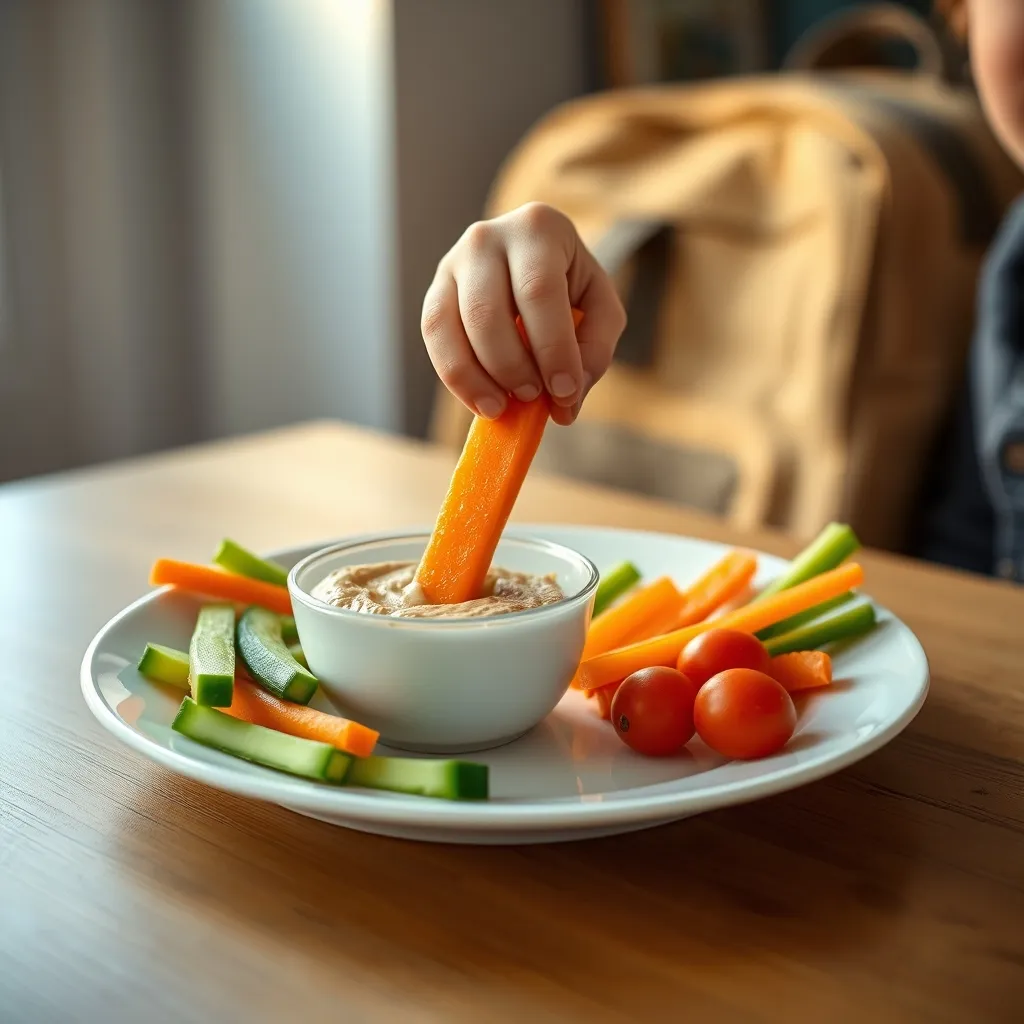
- Cucumber, pepper and carrot sticks with hummus: portion into small pots at the start of the week for grab-and-go convenience.
- Cherry tomatoes with mini mozzarella balls: drizzle with a tiny bit of olive oil for extra flavour.
- Celery boats with cream cheese: fill celery sticks with soft cheese and top with raisins for a fun presentation.
Storecupboard Standbys
- Oatcakes with cream cheese or nut butter: oatcakes are low in sugar and high in fibre.
- Wholemeal toast fingers with mashed avocado: a squeeze of lemon keeps the avocado from browning.
- A small bowl of plain popcorn: air-popped popcorn is a wholegrain snack. Avoid the microwave varieties laden with salt and butter flavouring.
Batch-Prep Snacks for Busy Families
If you can spare 30 to 45 minutes at the weekend, batch-prepping snacks for the entire week is one of the most effective strategies I recommend. Having healthy options ready to grab means your child is far less likely to reach for crisps or chocolate biscuits.
Homemade Flapjack Bites
Mix 200g rolled oats with 2 mashed bananas, 2 tablespoons of honey, a tablespoon of seeds and a handful of dried fruit. Press into a lined tin and bake at 180°C for 15 to 20 minutes. Cut into small squares and store in an airtight container for up to five days. These contain a fraction of the sugar found in shop-bought flapjacks.
Veggie Muffins
Grate courgette, carrot or beetroot into a basic muffin batter made with wholemeal flour. Add grated cheese for extra protein. Bake a batch of 12 and freeze individually. Take one out in the morning and it will be defrosted by home time. These are excellent for fussy eaters who resist vegetables at mealtimes.
Energy Balls
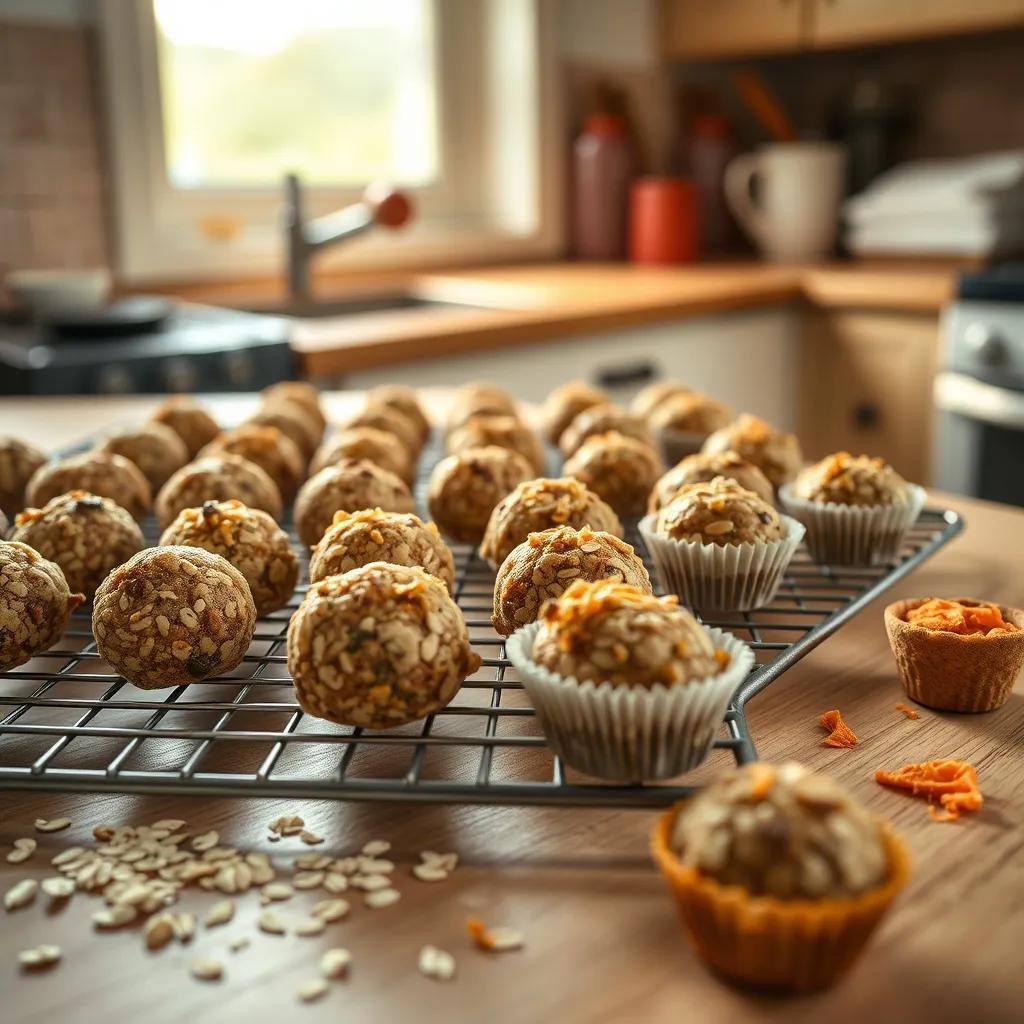
Blend together 150g oats, 100g nut butter, 2 tablespoons of honey, and a handful of dark chocolate chips or dried cranberries. Roll into walnut-sized balls and refrigerate. These keep for a week and are a fantastic source of slow-release energy.
Savoury Pinwheels
Spread wholemeal tortilla wraps with cream cheese, lay on sliced ham or turkey and a few spinach leaves, then roll tightly and slice into rounds. Store in the fridge for up to three days.
Snack Ideas for Fussy Eaters
Fussy eating is one of the most common concerns parents bring to my clinic, and snack time can feel particularly fraught. The key is to reduce pressure and increase exposure. Offer a variety, let your child choose what and how much to eat from what is available, and resist the urge to comment on what they leave.
Some strategies that work well include:
- The snack plate approach: arrange 4 to 5 small portions of different foods on a plate or muffin tin. Include one safe food they always eat alongside newer options. There is no pressure to eat everything.
- Dips change everything: children who refuse plain vegetables will often eat them dipped in hummus, guacamole, tzatziki or even a thin yoghurt dressing.
- Fun shapes and names: use cookie cutters on toast, sandwiches or melon slices. Call broccoli “tiny trees” or pepper slices “dinosaur teeth”. It sounds simple but it genuinely works with younger children.
- Smoothies as a bridge: blend spinach or avocado into a banana and berry smoothie. The colour might look green but the taste is predominantly sweet fruit. Add a tablespoon of oats for extra fibre and substance.
For more detailed guidance, our article on healthy breakfast ideas for fussy eaters shares many principles that transfer perfectly to snack time. Building a positive relationship with food at snack time is just as important as at the dinner table.
Snacks for Active Children and After-School Sports
If your child heads straight from school to football practice, swimming lessons, or dance class, their snack needs are different. They need something that provides quick-release energy before the activity and a recovery snack afterwards that combines protein and carbohydrate.
Pre-Activity Snacks (30 to 60 minutes before)
- A banana or a few dried apricots
- A small flapjack or granola bar (homemade if possible)
- A slice of malt loaf
- A few rice cakes with a thin spread of jam
Post-Activity Recovery Snacks
- Chocolate milk: surprisingly, semi-skimmed milk with a teaspoon of cocoa powder is one of the best recovery drinks, providing protein, carbohydrate and fluid
- Wholemeal pitta with turkey and cucumber
- Natural yoghurt with granola and sliced banana
- A small portion of beans on toast
Children who are active after school, whether through organised sport or simply walking and cycling, need adequate fuel. According to the Government’s Eatwell Guide, starchy carbohydrates should make up just over a third of the food children eat. Active children may need slightly larger snack portions than their less active peers, though the focus should always remain on nutrient density rather than sheer volume. Our guide on how many calories a child needs by age provides more detail on this.
Snacks to Avoid and Healthier Swaps
I never believe in labelling foods as strictly “good” or “bad” because that kind of language can contribute to an unhealthy relationship with food. However, some snacks are clearly better everyday choices than others. The table below shows common after-school snacks alongside healthier alternatives that children genuinely enjoy.
| Common Snack | Typical Sugar Content | Healthier Swap | Sugar Content of Swap |
|---|---|---|---|
| Chocolate biscuit bar (e.g. Kit Kat) | 11g per finger | Oatcake with dark chocolate chips | 3g |
| Fruit juice box (200ml) | 17g | Water with fresh fruit slices | 0g free sugars |
| Flavoured yoghurt tube | 9g | Plain yoghurt with fresh berries | 4g (natural sugars) |
| Packet of crisps (25g) | 0.5g sugar, 0.5g salt | Plain popcorn with a pinch of herbs | 0.1g salt |
| Cereal bar (shop-bought) | 8g | Homemade energy ball | 3g |
| Fruit winders or fruit strings | 8g | Sliced apple with peanut butter | 0g free sugars |
As you can see, the swaps are not about deprivation. They are about choosing options that deliver more nutrition with less free sugar. The NHS sugar guidance for families is a brilliant resource for understanding where hidden sugars lurk in children’s foods. The recent UK junk food advertising ban is also helping to reduce the visibility of unhealthy options marketed to children, but the snack aisle remains a minefield.

Portion Sizes by Age Group
One of the most common questions I receive is: “How much should my child actually eat at snack time?” The answer varies by age, activity level and appetite, but the following table provides a sensible starting point.
| Age Group | Snack Frequency | Approximate Portion Size | Example Snack |
|---|---|---|---|
| 2-4 years | 2 snacks per day | Child’s palm-sized amount | 3-4 cucumber sticks + 1 tbsp hummus |
| 5-7 years | 1-2 snacks per day | Child’s cupped hand | 1 small banana + 1 tbsp nut butter |
| 8-11 years | 1-2 snacks per day | Adult cupped hand | 2 oatcakes + cheese + apple slices |
| 12-16 years | 1-2 snacks per day | Slightly larger than adult cupped hand | Wholemeal pitta + hummus + veg sticks |
Remember, these are guidelines, not rigid rules. A child who has just finished an hour of football will need more than a child who has been sitting quietly. The important thing is to listen to your child’s hunger cues and avoid using snacks as rewards or punishments. Our article on talking to your child about weight without causing harm discusses why this matters.
Involving Children in Snack Preparation
In my experience, one of the most effective strategies for encouraging healthy snacking is to get children involved in the kitchen. Research consistently shows that children who help prepare food are more likely to eat it. This applies to snacks just as much as main meals.
Age-Appropriate Kitchen Tasks
- Ages 3-5: washing fruit, tearing lettuce, stirring ingredients, pressing cookie cutters into toast
- Ages 6-8: spreading nut butter or cream cheese, grating cheese (with supervision), assembling kebab sticks with fruit
- Ages 9-11: using a peeler, following a simple recipe, measuring ingredients, operating a blender with supervision
- Ages 12+: baking independently, using a knife safely, creating their own snack recipes
Try setting up a “snack station” in your kitchen: a low shelf in the fridge and a basket on the worktop stocked with pre-approved options. Children can help themselves without needing to ask, which builds independence and reduces the nagging cycle. Stock it with washed fruit, pre-cut vegetable sticks, small pots of hummus, yoghurt, oatcakes and cheese portions.
This approach ties beautifully into broader childhood obesity prevention strategies. When children feel ownership over their food choices and understand what makes a snack balanced, they carry those habits into adulthood. Supporting gut health in children also starts with the diversity of foods they eat at snack time, since a varied diet supports a thriving microbiome.
Weekly Snack Planning Together
At the weekend, sit down with your child and plan the week’s snacks together. Give them a list of options across the three building blocks (protein, fibre-rich carbs, healthy fats) and let them choose combinations. Write it on a whiteboard on the fridge. This simple ritual takes five minutes and can dramatically improve cooperation during the week.
If budget is a concern, remember that many of the healthiest snacks are also among the cheapest. Bananas, carrots, oats, eggs and tinned beans are all excellent value. Our article on how poverty and deprivation affect children’s weight explores affordable nutrition strategies in greater detail.
Key Points
- Combine at least two of protein, fibre-rich carbohydrate and healthy fat in every after-school snack
- Batch-prep snacks at the weekend: energy balls, veggie muffins and pinwheels keep well for the working week
- Set up a self-serve snack station in the fridge and on the worktop with pre-approved healthy options
- Swap shop-bought bars and flavoured yoghurts for homemade alternatives with less than 5g of free sugars per serving
- Use your child’s cupped hand as a rough portion guide and adjust for activity level
Frequently Asked Questions
What is a healthy snack for children after school?
A healthy after-school snack combines protein with fibre-rich carbohydrates to provide sustained energy. Good examples include apple slices with peanut butter, vegetable sticks with hummus, wholemeal toast with cheese, or natural yoghurt with fresh berries. The key is to think of snacks as mini meals rather than treats, aiming for real, whole foods over processed packaged options.
Most children aged 5 and over do well with one to two snacks per day, typically one after school and sometimes one mid-morning. Younger children aged 2 to 4 often need two planned snacks as their small stomachs cannot hold enough food at mealtimes to sustain them. The important thing is that snacks complement meals rather than replace them or spoil appetite for dinner.How many snacks should a child have per day?
For fussy eaters, I recommend the snack plate approach: offer 4 to 5 small portions of different foods including one safe favourite alongside newer options. Dips such as hummus or yoghurt dressing can make vegetables more appealing. Smoothies are another excellent strategy, as you can blend spinach or avocado with banana and berries to create a nutritious drink that tastes like a treat. Reduce pressure and never force a child to eat specific items.What are healthy after-school snacks for picky eaters?
Many shop-bought snack bars marketed as healthy contain 6 to 12g of sugar per bar, which is a significant portion of a child’s daily allowance. Always check the ingredients label: if sugar, glucose syrup or honey appears in the first three ingredients, it is essentially a sweet treat. Homemade alternatives such as oat-based energy balls or flapjack bites typically contain far less sugar and more fibre. If you do buy bars, look for those with under 5g of sugar and at least 2g of fibre per serving.Are shop-bought snack bars healthy for children?
Before sports practice (30 to 60 minutes beforehand), choose quick-release carbohydrates such as a banana, a slice of malt loaf, or a few dried apricots. After practice, the body needs both protein and carbohydrate for recovery. Excellent post-activity snacks include a glass of chocolate milk made with cocoa powder, natural yoghurt with granola, or beans on wholemeal toast. Hydration is equally important, so ensure your child drinks plenty of water before, during and after exercise.What should children eat before and after sports practice?
Rather than banning crisps and biscuits entirely, which can increase their appeal, focus on making healthier options more accessible and convenient. Set up a snack station with pre-approved choices so your child has autonomy. Involve them in planning and preparing snacks at the weekend. Over time, as they become accustomed to wholesome options, the demand for less healthy choices naturally decreases. It is absolutely fine to include a biscuit or crisps occasionally; the goal is for the everyday default to be nutritious.How can I stop my child from asking for crisps and biscuits after school?