
Key Takeaways
- Research from the University of East Anglia found that children eating 5 or more portions of fruit and vegetables daily scored significantly higher on mental wellbeing measures
- Up to 90% of the body’s serotonin, a key mood-regulating neurotransmitter, is produced in the gut, making diet a direct influence on emotional health
- A systematic review in Nutrients found that higher intake of processed foods is consistently associated with increased symptoms of anxiety and depression in children
- Children who regularly skip breakfast are twice as likely to report low mood and difficulty concentrating at school
- Omega-3 fatty acids, iron, zinc and B vitamins are the nutrients most strongly linked to children’s cognitive function and emotional regulation
- The Mediterranean-style diet, rich in whole grains, oily fish, fruits and vegetables, shows the most consistent protective effects on children’s mental health across multiple studies
In This Article
- Why Nutrition Matters for Children’s Mental Health
- The Gut-Brain Connection in Children
- Key Nutrients That Support Mental Wellbeing
- Foods That Can Harm Children’s Mood
- What the Research Tells Us
- Practical Dietary Changes for Better Mental Health
- Meal Planning for Mood and Mind
- When to Seek Professional Help
Why Nutrition Matters for Children’s Mental Health
In my 15 years working with families across Bristol and the wider NHS, I have seen first-hand how profoundly what children eat affects how they feel, think and behave. The children mental health nutrition link is something I discuss with parents almost daily, and yet it remains one of the most overlooked aspects of childhood wellbeing.
We tend to think of food in terms of physical health: strong bones, healthy weight, energy for sport. But the brain is an organ too, and it is arguably the most nutritionally demanding organ in the body. A child’s brain uses roughly 20% of their total energy intake, and during periods of rapid growth, even more. Every neurotransmitter, every neural connection, every moment of emotional regulation depends on a steady supply of the right nutrients.
The scale of the problem is significant. According to NHS data on children’s mental health, one in six children aged 5 to 16 in England has a probable mental health disorder. At the same time, the National Diet and Nutrition Survey consistently shows that children’s diets are falling short of recommendations for fruits, vegetables, oily fish and fibre, while exceeding limits for sugar, salt and saturated fat. These two trends are not coincidental.
I want to be clear: nutrition is not a replacement for professional mental health support. A child with clinical anxiety or depression needs proper assessment and treatment. But nutrition is a foundational pillar that can either support or undermine every other intervention. Think of it as the soil in which mental health grows; without good soil, even the best seeds will struggle.
The Gut-Brain Connection in Children
One of the most exciting areas of nutritional science in recent years has been the discovery of the gut-brain axis: the bidirectional communication pathway between the digestive system and the brain. This connection is particularly important in children because their gut microbiome is still developing and is highly responsive to dietary changes.
The gut contains its own nervous system, sometimes called the “second brain”, with over 100 million nerve cells lining the gastrointestinal tract. Up to 90% of the body’s serotonin, the neurotransmitter most commonly associated with mood regulation, is produced not in the brain but in the gut. This means that what a child eats directly influences the chemical messengers that govern their emotions.
The gut microbiome, the trillions of bacteria living in the digestive system, plays a critical role in this process. A diverse, well-nourished microbiome produces short-chain fatty acids and other compounds that reduce inflammation, support immune function and influence brain chemistry. A diet high in fibre, fermented foods and plant diversity promotes a healthy microbiome, while a diet dominated by ultra-processed foods can reduce microbial diversity and increase systemic inflammation.
I often explain to parents that if their child is experiencing persistent low mood, irritability or anxiety, looking at their diet is not about blame. It is about recognising that we have a powerful, modifiable factor that can genuinely shift things in a positive direction. Children’s gut microbiomes are remarkably adaptable; positive dietary changes can produce measurable shifts in gut bacteria within just two to four weeks.
This connection between gut health and emotional wellbeing is also relevant to how diet affects children with ADHD, where emerging research suggests that gut health may influence attention and behavioural regulation.
Key Nutrients That Support Mental Wellbeing
Not all nutrients are created equal when it comes to brain health. Through my clinical work and review of the evidence, I consistently see several key nutrients emerge as essential for children’s mental wellbeing.
Omega-3 fatty acids are perhaps the most well-researched nutrient in relation to children’s mental health. The brain is approximately 60% fat, and DHA (docosahexaenoic acid), an omega-3 fatty acid found in oily fish, is a major structural component of brain cell membranes. Studies have shown that children with higher omega-3 intake demonstrate better emotional regulation, improved concentration and lower rates of depressive symptoms. Good sources include salmon, mackerel, sardines and, for those who do not eat fish, algae-based supplements.
Iron deficiency is the most common nutritional deficiency worldwide and has a pronounced effect on children’s mood, energy and cognitive function. Iron is essential for the production of dopamine and the transport of oxygen to the brain. Children who are iron-deficient often present with fatigue, irritability and difficulty concentrating, symptoms that can easily be mistaken for behavioural problems. Red meat, lentils, dark leafy greens, fortified cereals and beans are all valuable sources.
Zinc is involved in over 300 enzymatic reactions in the body and plays a crucial role in neurotransmitter function. Research published in peer-reviewed journals on diet and child mental health has linked low zinc levels to increased anxiety and depressive symptoms in children. Meat, shellfish, seeds, nuts and whole grains are excellent sources.
B vitamins, particularly B6, B12 and folate, are essential cofactors in the production of serotonin, dopamine and noradrenaline. Deficiencies can contribute to low mood, poor concentration and increased stress responses. Eggs, dairy products, leafy green vegetables, legumes and fortified foods provide a good range of B vitamins.
Vitamin D has received increasing attention for its role in mental health. In the UK, where sunlight is limited for much of the year, many children have suboptimal vitamin D levels. The NHS recommends that all children aged 1 to 4 take a daily supplement containing 10 micrograms of vitamin D, and this advice extends to older children during the autumn and winter months. Low vitamin D has been associated with increased rates of depression and seasonal mood changes in children.
Magnesium is sometimes called the “calming mineral” because of its role in regulating the stress response and supporting GABA production, a neurotransmitter that promotes relaxation. Nuts, seeds, dark chocolate, avocados and whole grains are good dietary sources. I find that many children, particularly those with limited dietary variety, do not consume enough magnesium-rich foods.
| Nutrient | Role in Mental Health | Best Food Sources | Signs of Deficiency |
|---|---|---|---|
| Omega-3 (DHA/EPA) | Brain structure, mood regulation | Oily fish, walnuts, flaxseeds | Poor concentration, low mood |
| Iron | Dopamine production, oxygen transport | Red meat, lentils, spinach | Fatigue, irritability, brain fog |
| Zinc | Neurotransmitter function | Meat, seeds, nuts, beans | Anxiety, appetite changes |
| B Vitamins (B6, B12, Folate) | Serotonin and dopamine synthesis | Eggs, dairy, leafy greens | Low mood, poor concentration |
| Vitamin D | Mood regulation, immune support | Sunlight, oily fish, fortified foods | Seasonal low mood, fatigue |
| Magnesium | Stress regulation, GABA production | Nuts, seeds, dark chocolate | Restlessness, sleep difficulties |
Foods That Can Harm Children’s Mood
Just as certain foods support mental wellbeing, others can actively undermine it. Understanding which foods to limit is just as important as knowing which to include.

Ultra-processed foods are the single biggest dietary concern I see in my practice. These are products that have been industrially manufactured with multiple additives, emulsifiers, artificial colours and flavourings. Think fizzy drinks, crisps, cheap chicken nuggets, sugary cereals and packaged cakes. A growing body of evidence links high consumption of ultra-processed foods to increased rates of anxiety, depression and behavioural difficulties in children.
The mechanisms are multiple. Ultra-processed foods tend to be high in sugar, which causes rapid blood glucose spikes followed by crashes. These crashes can trigger irritability, difficulty concentrating and mood swings. They are also typically low in the micronutrients the brain needs and can disrupt the gut microbiome. The upcoming UK junk food advertising ban recognises the wider harm these products cause to children’s health.
Added sugar deserves particular attention. The Scientific Advisory Committee on Nutrition recommends that free sugars should make up no more than 5% of total energy intake, yet many UK children consume two to three times this amount. High sugar intake has been linked to increased inflammation, which in turn is associated with depressive symptoms. I regularly see children whose mood and behaviour improve dramatically when their sugar intake is reduced gradually and sustainably.
Artificial additives have been a subject of debate for decades, but the evidence is becoming clearer. Certain artificial colours (particularly the “Southampton six” identified in research commissioned by the Food Standards Agency) have been linked to hyperactivity in some children. While not all children are equally sensitive, reducing artificial additives is a sensible precaution.
Caffeine is often overlooked in discussions about children’s diets, but energy drinks, cola and even tea contain significant amounts. Caffeine can increase anxiety, disrupt sleep and interfere with appetite for nutritious foods. I advise parents to keep caffeine intake as close to zero as possible for children under 12, and to be cautious with teenagers. Good hydration with water is far more beneficial, and understanding how much water your child should drink can support both physical and mental health.
Skipping meals, particularly breakfast, is another pattern I see frequently in older children and teenagers. When blood sugar drops too low, the body releases stress hormones like cortisol and adrenaline, which can trigger anxiety, irritability and difficulty focusing. Research consistently shows that children who eat a balanced breakfast perform better academically and report better mood throughout the morning. For families struggling with morning meals, I have shared some healthy breakfast ideas for fussy eaters that can help.
What the Research Tells Us
The evidence base linking children’s nutrition to mental health has grown substantially over the past decade. Let me summarise some of the most important findings.
A landmark study from the University of East Anglia, published in BMJ Nutrition, Prevention and Health, analysed data from nearly 9,000 secondary school children and over 1,200 primary school children in Norfolk. The researchers found a clear, dose-dependent relationship between fruit and vegetable intake and mental wellbeing. Children consuming five or more portions daily scored highest on validated wellbeing measures. Notably, the association was independent of other factors such as socioeconomic status, physical activity and weight.
A systematic review published in Nutrients in 2022 examined the relationship between diet quality and mental health outcomes in children and adolescents across multiple countries. The review found that “unhealthy” dietary patterns, characterised by high intake of processed foods, refined carbohydrates and sugar-sweetened beverages, were consistently associated with poorer mental health outcomes, including higher rates of depression, anxiety and behavioural problems.
The Mediterranean diet pattern has received particular attention. Multiple studies have shown that children who follow a diet rich in fruits, vegetables, whole grains, legumes, nuts, olive oil and fish demonstrate lower rates of depression and anxiety compared to those eating a typical Western diet. A 2021 systematic review found that adherence to a Mediterranean-style diet was associated with a 30% reduction in the risk of depression in young people.
Closer to home, the ALSPAC (Avon Longitudinal Study of Parents and Children) cohort based in Bristol, my own city, has provided valuable insights. Researchers found that children whose diets were higher in processed foods at age 3 had increased behavioural difficulties by age 7, even after controlling for confounding factors. This suggests that early dietary patterns can have lasting effects on mental health trajectories.
It is worth noting the limitations of this research. Most studies are observational, meaning they can show associations but not definitively prove causation. Families with better diets may also have other protective factors such as higher income, more stable home environments, or greater access to healthcare. However, the consistency of findings across different populations, the biological plausibility of the mechanisms and the emerging evidence from intervention studies all strengthen the case that the children mental health nutrition link is genuine and clinically meaningful.
The relationship between nutrition and mental health also intersects with other lifestyle factors. Sleep quality and screen time both influence dietary choices and mental wellbeing, creating interconnected cycles that families can address holistically.

Practical Dietary Changes for Better Mental Health
Knowing that diet matters is one thing; knowing what to do about it is another. Here are the practical steps I recommend to families in my clinic, based on what the evidence supports and what I have seen work in real life.
Start with breakfast. A balanced morning meal that includes protein (eggs, yoghurt, nut butter), complex carbohydrates (wholegrain toast, porridge oats) and some fruit provides steady energy and stable blood sugar throughout the morning. This single change can make a noticeable difference to a child’s mood and concentration at school.
Aim for the rainbow. Encourage your child to eat a wide variety of colourful fruits and vegetables. Each colour represents different phytonutrients that support brain health. I suggest aiming for at least 5 different colours each day. This does not need to be complicated: berries on cereal, cherry tomatoes in a lunchbox, carrot sticks with hummus, peas with dinner and a banana as a snack covers five colours easily.
Include oily fish twice a week. Salmon, mackerel, sardines and trout are all excellent sources of omega-3 fatty acids. If your child will not eat fish, consider an algae-based omega-3 supplement and include other sources of omega-3 such as walnuts, chia seeds and flaxseeds. Fish fingers made from real fish fillets can be a useful stepping stone for reluctant eaters.
Reduce ultra-processed foods gradually. I never advise parents to overhaul their child’s diet overnight. Instead, focus on one swap per week. Replace sugary cereal with porridge topped with fruit. Swap crisps for popcorn or wholegrain crackers. Choose plain yoghurt with honey instead of flavoured yoghurts loaded with sugar. Small, sustainable changes accumulate into significant improvements over time.
Prioritise whole grains. Swap white bread for wholemeal, white rice for brown, and refined pasta for wholegrain varieties. Whole grains provide a steadier release of energy, supporting stable blood sugar and more consistent mood throughout the day. They also provide B vitamins and fibre that support the gut microbiome.
Include protein at every meal. Protein provides the amino acids that are the building blocks of neurotransmitters. Tryptophan, found in turkey, chicken, eggs, cheese, nuts and seeds, is the precursor to serotonin. Ensuring adequate protein at each meal supports steady neurotransmitter production throughout the day.
Do not demonise treats. A healthy relationship with food is itself protective for mental health. Occasional sweets, cakes and crisps are a normal part of childhood. The goal is to ensure that nutrient-dense foods form the foundation of your child’s diet, not to create fear or guilt around certain foods. This is closely linked to supporting positive body image and self-esteem in children.
Meal Planning for Mood and Mind
I know that meal planning can feel overwhelming, especially for busy families. Here is a simple framework that I use with the families in my clinic, designed to ensure children get the nutrients their brains need without requiring hours in the kitchen.
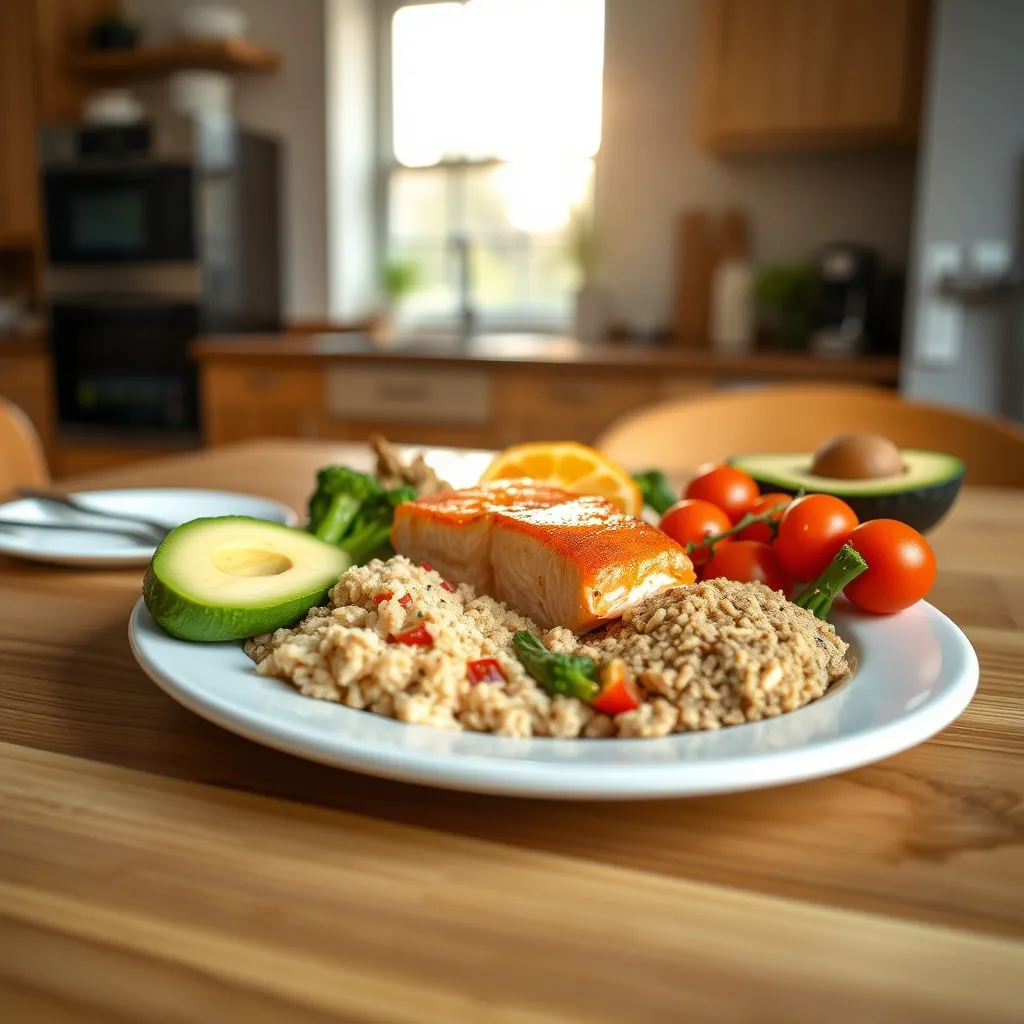
The “brain plate” model is a visual tool I find helpful. At each main meal, aim for the plate to include:
- One quarter protein: meat, fish, eggs, beans, lentils or tofu
- One quarter complex carbohydrates: wholegrain bread, brown rice, pasta or potatoes with skin
- Half vegetables and/or fruit: as many colours as possible
- A small amount of healthy fat: olive oil, avocado, nuts or seeds
This model ensures a balance of macronutrients and micronutrients at each meal, supporting stable energy, steady blood sugar and optimal brain function. For younger children, toddler nutrition guidance can help you adapt portion sizes appropriately.
Getting children involved in food preparation is another strategy I strongly recommend. Cooking with children not only increases their willingness to try new foods but also provides a sense of achievement and agency that supports their emotional wellbeing. Even a three-year-old can wash lettuce or tear herbs, and the pride they take in eating something they helped prepare is genuinely therapeutic.
For children who are particularly selective with food, the approach needs to be gentle and patient. Pressuring children to eat certain foods can increase anxiety around mealtimes and worsen the problem. I recommend the “division of responsibility” approach: parents decide what food is offered and when, while the child decides whether and how much to eat. Over time, repeated, low-pressure exposure to new foods increases acceptance. Understanding strategies for encouraging vegetable intake can be particularly valuable.
It is also worth acknowledging that poverty and deprivation affect children’s access to nutritious food. Families on tight budgets can still prioritise brain-healthy foods by focusing on affordable options like frozen vegetables, tinned fish, eggs, lentils, oats and seasonal fruits. These are among the most nutrient-dense and cost-effective foods available.
When to Seek Professional Help
While dietary improvements can make a meaningful difference to many children’s mental wellbeing, it is essential to recognise when professional help is needed. Nutrition should complement, not replace, appropriate mental health support.
I recommend speaking to your GP if your child shows persistent changes in mood lasting more than two weeks, significant changes in appetite or sleep, withdrawal from activities they used to enjoy, difficulty functioning at school or in friendships, or expressions of hopelessness or self-harm. These may indicate a mental health condition that requires professional assessment and treatment.
If you are concerned about your child’s nutritional status, a referral to a registered dietitian or paediatric nutritionist can help identify specific deficiencies and create a tailored plan. Blood tests can check for common deficiencies such as iron, vitamin D and B12 that may be contributing to mood difficulties. The British Dietetic Association provides guidance on diet, behaviour and learning in children that families and professionals may find helpful.
I also want to address the question of supplements. While a “food first” approach is always preferable, there are situations where supplementation is appropriate. The NHS recommends vitamin D supplements for all children aged 1 to 4, and many children may benefit from omega-3 supplements if they do not eat oily fish regularly. However, I advise against giving children multiple supplements without professional guidance, as some nutrients can interact with medications or be harmful in excess.
For children with specific conditions such as ADHD, food allergies or underweight concerns, working with a specialist who understands both the nutritional and mental health dimensions is particularly important. These children may have additional nutritional needs or dietary restrictions that require careful management.
The conversation around children’s mental health and nutrition is not about perfection. It is about recognising that every meal is an opportunity to nourish not just the body but the mind. Small, consistent improvements to a child’s diet can support their emotional resilience, cognitive function and overall sense of wellbeing. As I tell every family I work with: you do not need to be perfect; you just need to keep moving in the right direction.
Key Points
- Serve oily fish at least twice a week (salmon, mackerel, sardines) to boost omega-3 intake for brain health
- Aim for 5 different coloured fruits and vegetables each day to maximise phytonutrient diversity
- Make one processed food swap per week rather than overhauling your child’s diet overnight
- Ensure every meal includes protein, complex carbohydrates and vegetables using the “brain plate” model
- Ask your GP to check your child’s iron, vitamin D and B12 levels if they show persistent low mood or fatigue
Frequently Asked Questions
Can changing my child’s diet really improve their mental health?
Yes, there is strong evidence that dietary improvements can positively influence children’s mood, behaviour and emotional regulation. Research from the University of East Anglia found a clear link between higher fruit and vegetable intake and better mental wellbeing scores. While diet alone cannot treat clinical mental health conditions, it provides a nutritional foundation that supports brain function and can enhance the effectiveness of other interventions. Most families I work with notice improvements in mood and concentration within four to six weeks of consistent dietary changes.
The foods most consistently linked to poorer mental health outcomes in children are ultra-processed foods, including sugary cereals, fizzy drinks, cheap ready meals, crisps and sweets. These foods cause blood sugar spikes and crashes, disrupt the gut microbiome and are typically low in the nutrients the brain needs. Caffeine-containing drinks should also be limited, particularly for children under 12. Rather than banning specific foods entirely, focus on ensuring that nutrient-dense whole foods make up the majority of your child’s diet.Which foods should I avoid giving my child for better mental health?
Yes, research consistently shows that children who skip breakfast are more likely to report low mood, difficulty concentrating and increased irritability. When blood sugar drops too low, the body releases stress hormones that can trigger anxiety and mood instability. A balanced breakfast containing protein, complex carbohydrates and fruit provides steady energy throughout the morning. Even a simple combination like porridge with banana and a handful of nuts can make a significant difference to your child’s emotional state at school.Does skipping breakfast affect children’s mood and behaviour?
A “food first” approach is always preferable, but certain supplements can be beneficial. The NHS recommends vitamin D supplements (10 micrograms daily) for all children aged 1 to 4, and for older children during autumn and winter. If your child does not eat oily fish regularly, an omega-3 supplement may be worthwhile. However, I advise against giving multiple supplements without professional guidance, as some nutrients can be harmful in excess or interact with medications. If you suspect a deficiency, ask your GP for blood tests before supplementing.Should I give my child supplements for mental health?
Most families begin to notice subtle improvements within two to four weeks of consistent dietary changes, with more significant changes becoming apparent over six to twelve weeks. The gut microbiome can shift measurably within two weeks of dietary improvement, which in turn influences neurotransmitter production. However, results vary depending on the child’s starting diet, the extent of changes made and individual factors. Consistency is more important than perfection, and gradual changes tend to be more sustainable and effective than dramatic overhauls.How quickly will I see improvements in my child’s mood after changing their diet?
Yes, research shows a bidirectional relationship between weight and mental health in children. Children with obesity are more likely to experience low self-esteem, anxiety and depression, while children with mental health difficulties may be more likely to develop unhealthy eating patterns. However, it is crucial to approach this sensitively. Focusing on nutritious eating and joyful movement rather than weight loss protects children’s mental health while supporting a healthy weight. If you are concerned, speaking to your child about weight carefully is essential to avoid causing harm.Is there a link between children’s weight and their mental health?