
Key Takeaways
- Children in the most deprived areas of England are more than twice as likely to be obese by Year 6 compared to those in the least deprived areas
- Around 4.3 million children in the UK are living in poverty, directly affecting their access to nutritious food and safe spaces for physical activity
- The National Child Measurement Programme (NCMP) data consistently shows a widening obesity gap between the richest and poorest communities
- Families on low incomes spend a proportionally higher percentage of their budget on food, yet often receive fewer nutrients per pound spent
- Tackling the link between deprivation and unhealthy weight requires systemic changes alongside individual family support, including policy reform and community investment
- Free school meals, Healthy Start vouchers, and local authority programmes can help, but uptake remains inconsistent across the country
In This Article
- Understanding the Link Between Poverty and Childhood Weight
- What the Data Tells Us: Deprivation and Obesity Statistics
- Why Poverty Drives Unhealthy Weight in Children
- Food Insecurity and Diet Quality
- Physical Activity and the Built Environment
- Mental Health, Stress, and Weight
- What the Government Is Doing
- Practical Support for Families on a Budget
- What Needs to Change: A Call for Action
Understanding the Link Between Poverty and Childhood Weight
In my fifteen years working as a paediatric nutritionist in Bristol, I have seen first-hand how deeply a family’s financial situation shapes a child’s health. The relationship between poverty, deprivation, and children’s weight in the UK is not a simple story of personal choices. It is a complex web of structural disadvantage that begins before birth and accumulates throughout childhood.
When I sit across from a parent in clinic who is choosing between heating their home and buying fresh fruit, I am reminded that talking about “eating more vegetables” without acknowledging poverty is, frankly, unhelpful. The evidence is overwhelming: children growing up in the most deprived communities face significantly higher rates of both obesity and underweight than their more affluent peers. Understanding why this happens is the first step towards making meaningful change.
Deprivation does not only mean a lack of money. It encompasses housing quality, access to green spaces, neighbourhood safety, parental education, employment security, and the availability of affordable healthy food. According to the Royal College of Paediatrics and Child Health (RCPCH) position statement on child health inequalities, socioeconomic deprivation is the single greatest driver of health inequalities in children across the UK. Each of these factors influences what children eat, how active they are, and ultimately, what they weigh.
What the Data Tells Us: Deprivation and Obesity Statistics
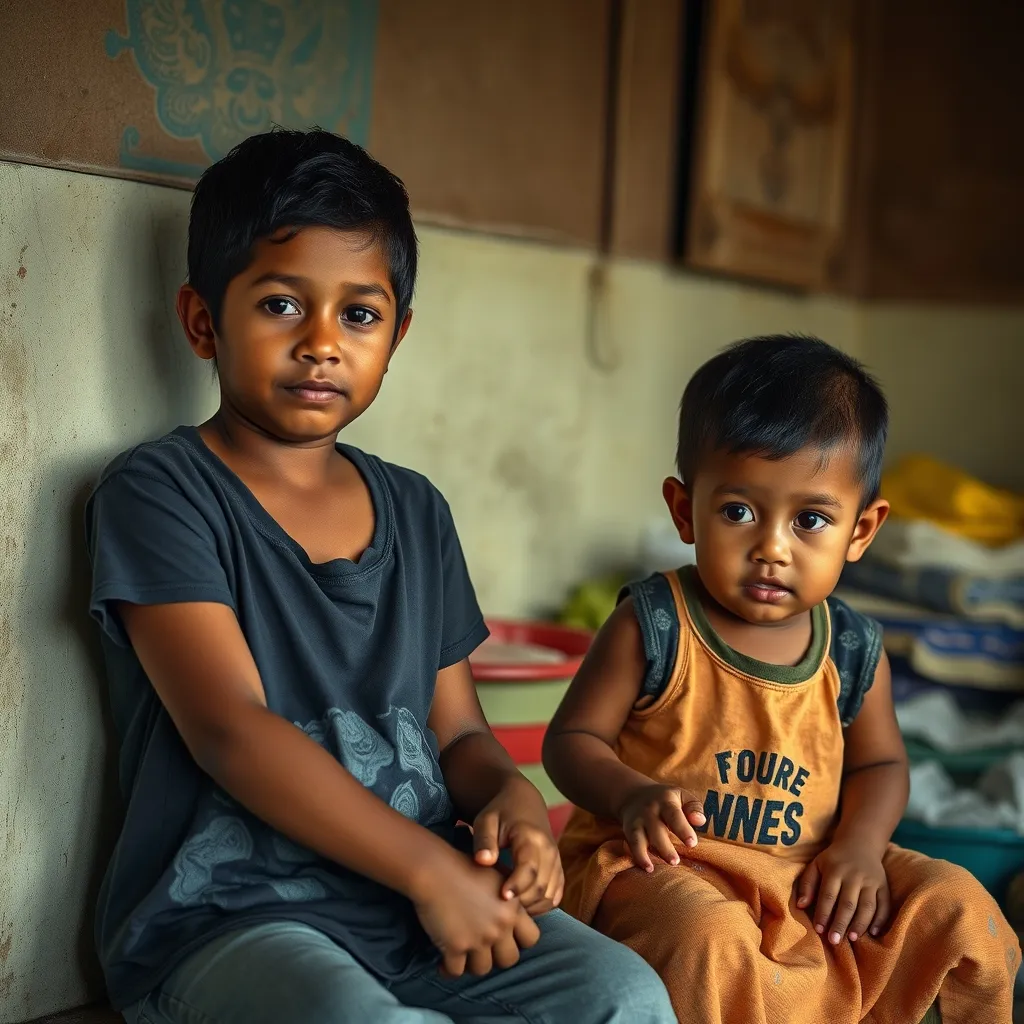
The numbers paint a stark picture. Each year, the National Child Measurement Programme (NCMP) measures the height and weight of children in Reception (aged 4 to 5) and Year 6 (aged 10 to 11) across England. The results, broken down by deprivation level, reveal a consistent and widening gap.
| Deprivation Level (IMD Decile) | Reception Obesity Rate | Year 6 Obesity Rate | Year 6 Overweight or Obese |
|---|---|---|---|
| Most deprived (decile 1) | ~13% | ~28% | ~43% |
| Decile 2 | ~11% | ~25% | ~39% |
| Decile 5 (middle) | ~9% | ~20% | ~34% |
| Decile 8 | ~7% | ~15% | ~28% |
| Least deprived (decile 10) | ~6% | ~12% | ~24% |
Source: NHS Digital, National Child Measurement Programme data. Figures are approximate and reflect recent reporting years.
As you can see, by Year 6 a child in the most deprived decile is more than twice as likely to be living with obesity compared to a child in the least deprived decile. This gap has been growing over the past decade, and the COVID-19 pandemic accelerated the trend significantly. According to NHS England’s NCMP deprivation analysis, the inequality gap widened sharply during the 2020/21 school year.
It is also important to note that deprivation is linked to underweight in children as well. Poverty does not push all children in one direction; food insecurity can lead to cycles of under-eating and over-eating, or to diets that are calorie-dense but nutrient-poor, resulting in a child who is simultaneously overweight and malnourished.
Why Poverty Drives Unhealthy Weight in Children
I often explain to colleagues and families alike that poverty affects weight through multiple, overlapping pathways. It is never just one thing. Here are the key mechanisms I see playing out in my clinical work and in the research literature.
Cost of healthy food. Fresh fruit, vegetables, lean protein, and whole grains cost more per calorie than processed, energy-dense alternatives. A family on a tight budget can get far more calories from a multipack of crisps or a frozen pizza than from a bag of apples and a piece of salmon. Research consistently shows that the poorest 10% of UK households would need to spend around 75% of their disposable income on food to meet the Eatwell Guide recommendations, compared to roughly 10% for the wealthiest households.
Time and energy. Parents working multiple jobs or irregular shifts have less time to plan, shop for, and prepare meals from scratch. This is not laziness; it is the reality of survival. When you are exhausted, a ready meal is not a failure. It is a rational choice given impossible constraints.
Housing and cooking facilities. Families in temporary accommodation, hostels, or overcrowded housing may lack a functioning kitchen, storage space, or even a fridge. Cooking a balanced meal from scratch requires equipment and space that many families simply do not have.
Food deserts. In some deprived areas, the nearest affordable supermarket may be a bus ride away, while the local high street is lined with fast-food outlets and convenience shops. The density of takeaway outlets is significantly higher in the most deprived communities, making energy-dense food the most accessible option.
Understanding what causes childhood obesity means looking beyond individual behaviour and recognising these structural forces.
Food Insecurity and Diet Quality
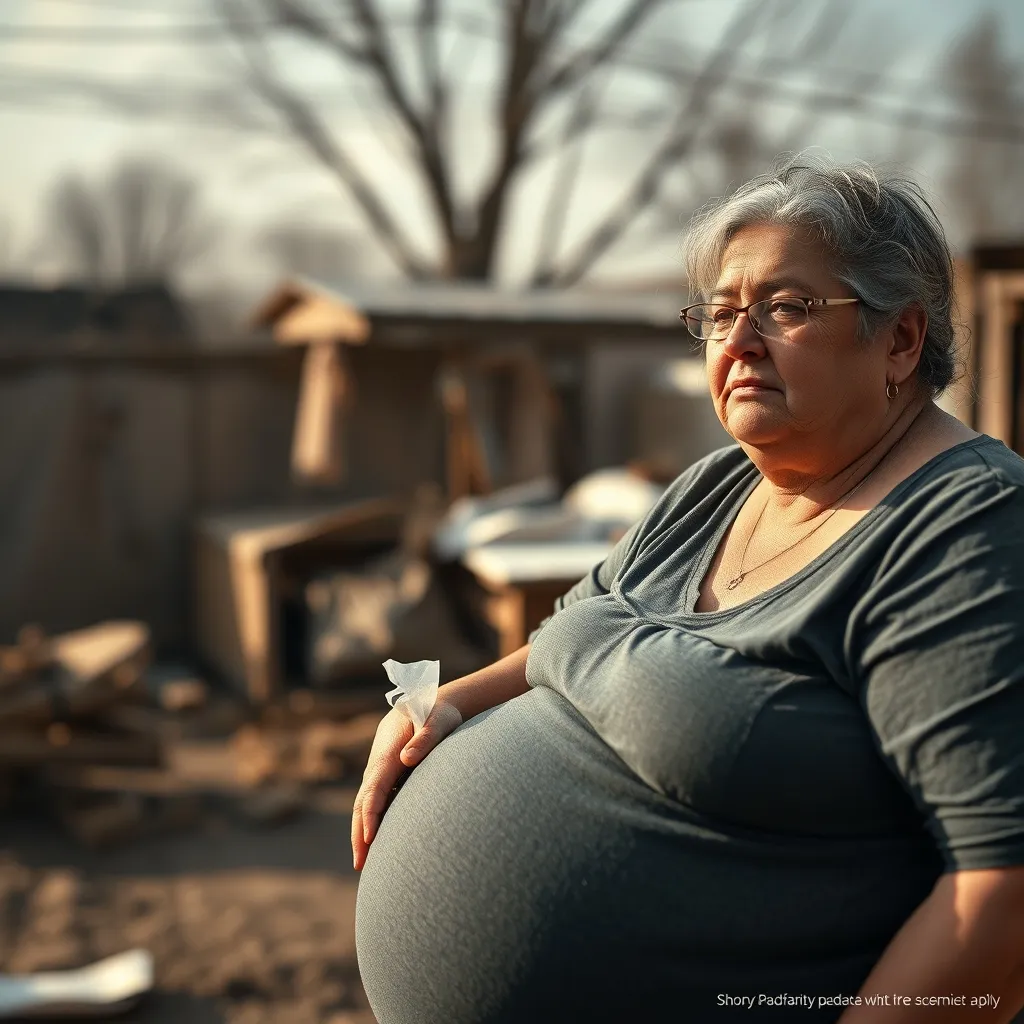
Food insecurity, defined as the inability to access sufficient, safe, and nutritious food, affects an estimated 2.5 million children in the UK. In my practice, I see the consequences of this regularly: children who eat well at school (thanks to free school meals) but go hungry during holidays; children who fill up on cheap white bread and biscuits because that is what is available; and children whose fruit and vegetable intake falls far short of the recommended five portions a day.
The diet quality gap between affluent and deprived households is significant. Children in the poorest families consume:
- Fewer portions of fruit and vegetables per day
- More ultra-processed foods high in sugar, salt, and saturated fat
- Less dietary fibre
- Fewer meals prepared from scratch at home
- More sugary drinks (which the UK soft drinks levy has partly addressed)
Healthy Start vouchers, worth £4.25 per week, help eligible families buy milk, fruit, and vegetables. However, uptake remains patchy. Many families who qualify do not know the scheme exists, and the value of the voucher has not kept pace with food inflation. For a family feeding two or three children, £4.25 does not stretch far at all.
I also want to highlight the psychological toll of food insecurity. Parents often go without meals themselves so their children can eat. This level of stress has its own health consequences and can contribute to emotional eating patterns in children who sense the anxiety around food in the household.
Physical Activity and the Built Environment
Healthy weight is not only about food. Physical activity plays a crucial role, and here too, deprivation creates barriers. Children in more affluent families are far more likely to participate in organised sports, attend swimming lessons, cycle to school, and have access to safe outdoor play spaces.
In deprived communities, the picture is often very different:
- Safety concerns: parents may keep children indoors due to traffic, crime, or antisocial behaviour in the neighbourhood
- Lack of green space: parks may be poorly maintained, vandalised, or simply absent
- Cost of activities: swimming lessons, football clubs, dance classes, and gym memberships all cost money that stretched families cannot spare
- Transport: getting children to activities requires a car or public transport, both of which cost money and time
Finding fun ways to keep children active without spending money is possible, but it requires creativity and, crucially, a safe environment. I always encourage families to explore free local options, from park runs to community play sessions. Some families are also curious about whether children can use gym facilities, and there are age-appropriate options in many areas.
The link between children’s sleep and weight also deserves mention here. Children in overcrowded or insecure housing are more likely to experience disrupted sleep, which is independently associated with weight gain.
Mental Health, Stress, and Weight
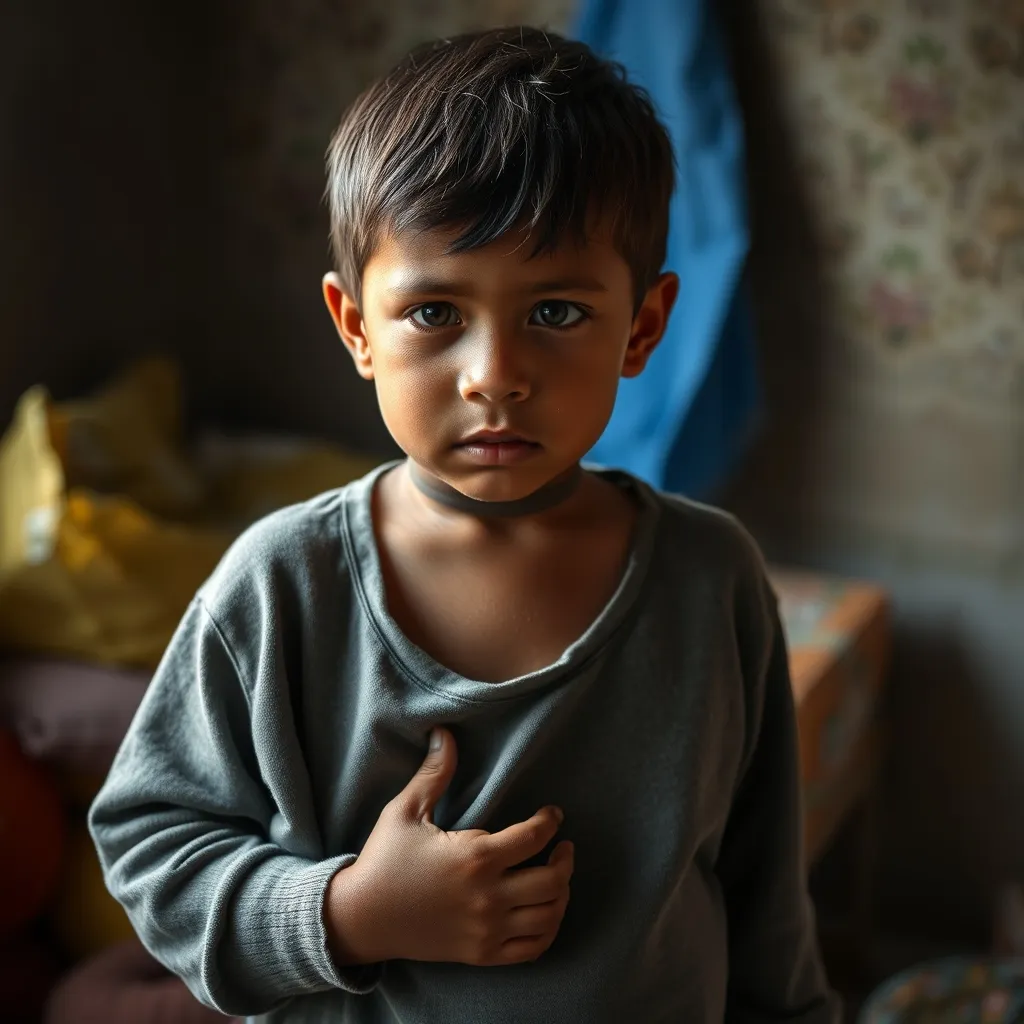
Growing up in poverty is stressful. The chronic stress of financial insecurity, unstable housing, and family strain triggers a physiological response in children that can directly affect weight regulation. Elevated cortisol levels promote fat storage, particularly around the abdomen, and alter appetite regulation.
I see this regularly in clinic. Children who are anxious or low in mood are more likely to comfort-eat, less likely to be physically active, and more likely to have disrupted sleep patterns. Poor mental health and unhealthy weight reinforce each other in a cycle that is extraordinarily difficult to break without addressing the root causes.
Body image and self-esteem are also affected. Children from deprived backgrounds who are overweight face a double stigma: the stigma of poverty and the stigma of weight. This can lead to social withdrawal, bullying, and further deterioration in mental health.
It is worth noting that research published in the BMJ confirms that childhood deprivation has lifelong impacts on health, with effects that persist well into adulthood. The earlier we intervene, the greater the potential benefit.
What the Government Is Doing
The UK government has introduced several policies aimed at tackling childhood obesity, some of which specifically target deprivation. The UK Childhood Obesity Plan set out ambitions including the soft drinks industry levy, calorie labelling in restaurants, and restrictions on advertising of unhealthy food to children.
Key government initiatives include:
- Free school meals for all infant school children (Reception to Year 2) and means-tested free meals for older children from eligible families
- Healthy Start vouchers for pregnant women and families with children under four on qualifying benefits
- The Holiday Activities and Food (HAF) programme, which provides free activities and meals during school holidays for children on free school meals
- Planning restrictions on new hot food takeaways near schools in some local authority areas
- The soft drinks industry levy, which has successfully reduced sugar content in many drinks
- The NCMP measurement programme, which identifies children at risk and signposts families to support
While these policies are welcome, their impact has been uneven. Free school meal eligibility thresholds leave many families in poverty without access. The HAF programme is valued but operates only during holidays. And advertising restrictions, while helpful, have faced delays and lobbying from the food industry. According to GOV.UK announcements on tackling childhood obesity, the government recognises the scale of the challenge, but implementation has not always matched the ambition.
Practical Support for Families on a Budget
While systemic change is essential, I also want to offer some practical guidance for families navigating tight budgets right now. These are strategies I discuss regularly with families in my clinic, and they are grounded in what is actually achievable when money is short.
Make the most of free school meals. If your child qualifies, ensure they are registered. The school meal is often the most nutritionally balanced meal of the day, and there is absolutely no shame in using this provision. It exists precisely to support families.
Batch cook when you can. Dishes like lentil soup, vegetable stew, and bean chilli are inexpensive, nutritious, and can be made in large quantities. Cooking with children can also be a wonderful way to build skills and encourage them to try new foods.
Use frozen and tinned produce. Frozen vegetables and tinned beans, lentils, and tomatoes are just as nutritious as fresh equivalents and significantly cheaper. They also last longer, reducing waste.
Check your entitlements. Healthy Start vouchers, free school meals, the HAF programme, and local food banks can all provide support. Your health visitor or GP can help you access these.
Focus on water as the main drink. Replacing sugary drinks with tap water is one of the simplest and most cost-effective changes a family can make. It costs nothing and makes a measurable difference.
Seek free activity opportunities. Park runs, library events, community centre sessions, and simply walking or playing in the park are all free. Many local authorities also offer subsidised swimming or activity sessions for families on low incomes.
For families with toddlers or those starting weaning, making simple purees from root vegetables and frozen fruit is far cheaper than buying pouches, and gives you full control over what goes into your child’s food.
What Needs to Change: A Call for Action
As a clinician, I firmly believe that we cannot “treat” our way out of this crisis one family at a time. The link between poverty, deprivation, and children’s weight is a public health emergency that demands structural solutions. Here is what I believe needs to happen:
Expand free school meal eligibility. The current income thresholds exclude hundreds of thousands of children living in poverty. Universal free school meals for all primary-aged children, as already implemented in London, should be the baseline across the UK.
Increase the value of Healthy Start vouchers and simplify the application process. The current value does not reflect the real cost of healthy food, and bureaucratic barriers prevent uptake.
Regulate the food environment. Restricting the density of fast-food outlets in deprived areas, implementing mandatory front-of-pack labelling, and enforcing advertising restrictions would all help shift the balance.
Invest in community infrastructure. Safe parks, maintained play areas, affordable leisure centres, and well-funded children’s centres are not luxuries. They are essential public health infrastructure.
Address child poverty itself. Ultimately, the most effective intervention is ensuring families have enough income to live with dignity. Social security reform, fair wages, and affordable housing are health policies as much as economic ones.
I also want to emphasise something to every parent reading this who is struggling financially: your child’s weight is not your fault. The system around you has made it harder, not easier, to feed your family well and keep your children active. You are doing your best in circumstances that are genuinely difficult, and seeking information like this is already a positive step.
If you are concerned about your child’s weight, checking the average weight and height for children by age can give you a useful reference point. Your GP or health visitor can also provide personalised support and refer you to local services.
Key Points
- Check whether your family qualifies for free school meals and Healthy Start vouchers; these are valuable entitlements, not charity
- Use frozen and tinned vegetables, beans, and lentils as affordable, nutritious alternatives to fresh produce
- Encourage free physical activity such as walking, park play, and community sessions rather than costly organised sports
- If your child receives an NCMP letter, treat it as a starting point for support rather than a cause for alarm
- Speak to your GP or health visitor if you are struggling with food insecurity; they can signpost you to local help
Frequently Asked Questions
Why are children in deprived areas more likely to be overweight or obese?
Children in deprived areas face a combination of factors that increase their risk of unhealthy weight. These include limited access to affordable nutritious food, fewer safe spaces for physical activity, higher density of fast-food outlets, greater exposure to marketing of unhealthy products, and the physiological effects of chronic stress on appetite and fat storage. It is a structural problem, not an individual failing.
Yes. Food insecurity can lead to both underweight and overweight in children, sometimes within the same household. When food is scarce, children may go through periods of not eating enough, followed by periods of overeating energy-dense foods when they become available. This cycle can result in a child who is simultaneously overweight and malnourished, lacking essential vitamins and minerals despite consuming enough calories.Does poverty cause underweight in children as well as overweight?
The NCMP measures the height and weight of children in Reception and Year 6 in England each year. The data is broken down by deprivation level using the Index of Multiple Deprivation (IMD), which consistently shows that children in the most deprived areas have significantly higher rates of obesity. In the most deprived decile, around 28% of Year 6 children are classified as obese, compared to roughly 12% in the least deprived decile.What is the National Child Measurement Programme and how does it relate to deprivation?
Focus on affordable staples like frozen vegetables, tinned beans and lentils, root vegetables, oats, eggs, and tinned fish. Batch cooking soups, stews, and curries stretches ingredients further. Make tap water the main drink to save money and reduce sugar intake. Check your entitlement to free school meals and Healthy Start vouchers. Many communities also have food banks and community fridges that can supplement your weekly shop without stigma.How can I feed my children healthily on a very tight budget?
Free school meals are an important safety net, but they are not sufficient on their own. They only cover term-time lunchtimes, leaving holidays and other meals uncovered. The Holiday Activities and Food programme helps during school breaks, but it does not reach all eligible children. Many families who are struggling do not meet the strict eligibility criteria. Expanding access to universal free school meals and investing in broader food security measures would have a greater impact.Are free school meals enough to address the problem?
Several forms of support exist. Healthy Start vouchers provide £4.25 per week for eligible families to spend on milk, fruit, and vegetables. Free school meals are available for children whose families receive qualifying benefits. The Holiday Activities and Food programme offers free meals and activities during school holidays. Local food banks, community pantries, and organisations such as FareShare also provide food support. Your GP, health visitor, or local council can help you identify what is available in your area.What support is available for families in England struggling with food insecurity?