
Key Takeaways
- Body image concerns can begin as early as age 3 to 5, when children first start comparing their appearance to others
- Research shows that 1 in 3 children aged 8 to 12 in the UK report feeling unhappy with their body
- Parents who avoid labelling foods as “good” or “bad” help reduce the risk of disordered eating behaviours by up to 40%
- Children who receive regular positive affirmations about what their bodies can do (rather than how they look) show measurably higher self-esteem scores
- Limiting recreational screen time to under 2 hours per day is linked to better body satisfaction in school-age children
- Early intervention from a GP or paediatric specialist is recommended if body image distress persists for more than two weeks or affects daily activities
In This Article
- What Is Body Image and Why Does It Matter in Childhood?
- How Body Image Develops at Different Ages
- Signs Your Child May Be Struggling with Body Image
- What Influences Children’s Body Image and Self-Esteem?
- How Parents Can Build Positive Body Image at Home
- The Role of Food, Exercise and Weight Conversations
- Social Media, Screens and Body Image Pressures
- When to Seek Professional Help
As a paediatric nutritionist who has worked with families across Bristol and the wider NHS for over 15 years, I can tell you that conversations about body image are reaching children far younger than most parents realise. In my clinic, I regularly see children as young as six who have already internalised messages about what their body “should” look like. It is one of the most heartbreaking aspects of my work, but also one of the most hopeful, because parents have an extraordinary power to shape how their children feel about themselves.
This guide is designed to help you understand how body image and self-esteem develop in children, what warning signs to watch for, and the practical steps you can take at home to nurture a child who feels confident, capable and comfortable in their own skin.
What Is Body Image and Why Does It Matter in Childhood?
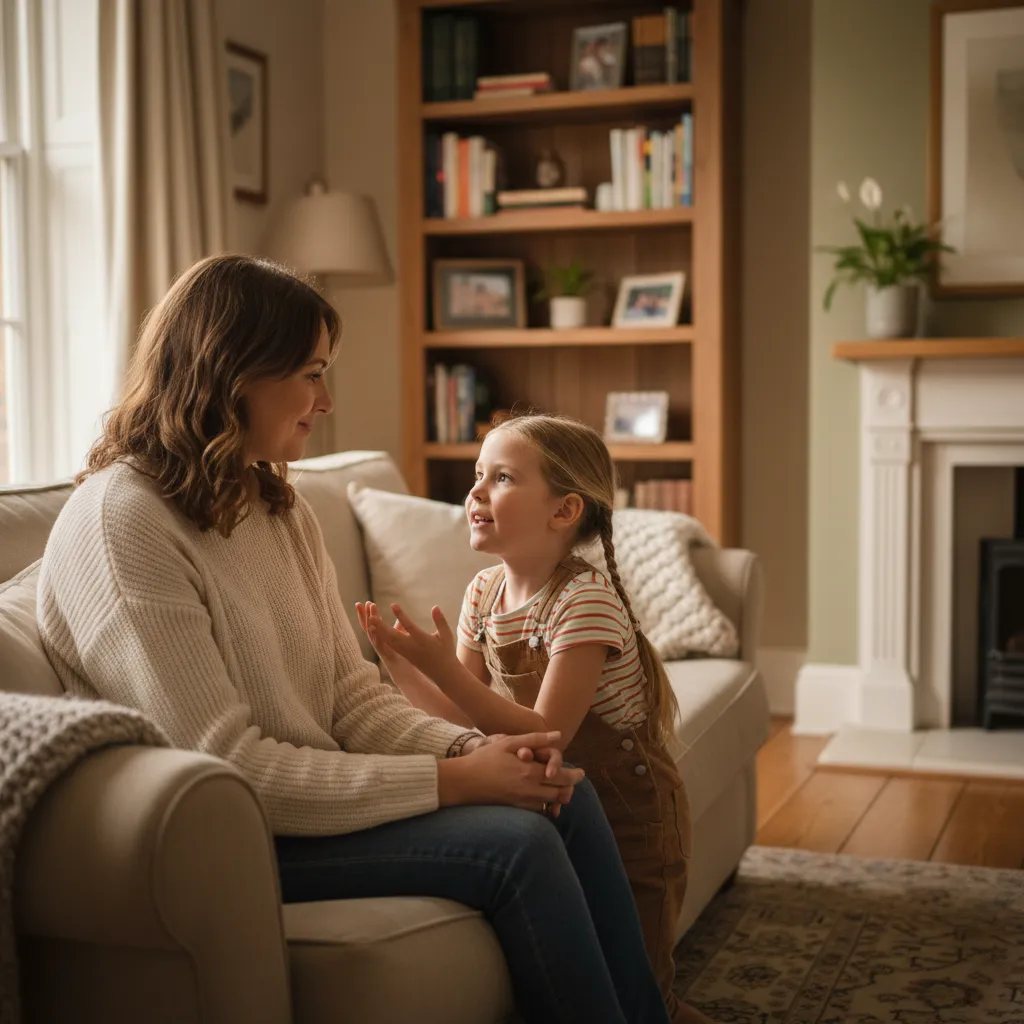
Body image is the mental picture your child forms of their own body, combined with the thoughts and feelings they attach to that picture. It is not simply about appearance; it encompasses how children feel about their size, shape, strength and physical abilities. A child with a positive body image generally feels comfortable and accepting of their body, while a child with a negative body image may feel shame, anxiety or a persistent desire to change how they look.
Self-esteem, closely intertwined with body image, refers to a child’s overall sense of self-worth. According to the Mental Health Foundation’s body image report, children who develop negative body image early are significantly more likely to experience depression, anxiety and eating disorders later in life. That is why addressing these issues in childhood is not optional; it is essential preventative healthcare.
In my experience, parents often assume body image is a teenage problem. The reality is quite different. Foundation years matter enormously. The attitudes your child forms about their body between ages 3 and 10 create a template they carry into adolescence and beyond. Building a healthy relationship with their body early is one of the most protective things you can do for their long-term mental health.
It is also worth noting that body image concerns affect children of all sizes and shapes. A child who is a healthy weight can still struggle deeply with how they perceive themselves, just as a child who carries extra weight may feel perfectly content. Body image is about perception, not just physical reality. If you are concerned about your child’s weight, my guide on signs of overweight and BMI in children can help you assess the situation without creating unnecessary anxiety.
How Body Image Develops at Different Ages
Understanding the developmental stages of body image helps you respond appropriately at each phase. Here is what I typically see in my practice across different age groups.
| Age Group | Body Image Development | What Parents Can Do |
|---|---|---|
| 3 to 5 years | Children begin noticing physical differences between themselves and others. They may comment on body size, skin colour or physical features with curiosity rather than judgement. | Respond matter-of-factly to body questions. Celebrate what bodies can do: run, jump, hug, dance. |
| 5 to 8 years | Comparison increases. Children may express preferences about their appearance. Teasing about physical traits can begin. Research suggests 40% of children in this age range have tried to change something about their appearance. | Model body-positive language at home. Avoid commenting on others’ bodies. Read diverse picture books together. |
| 8 to 12 years | Peer influence intensifies. Puberty may begin, bringing rapid physical changes. Body dissatisfaction peaks for many children during this period. | Have open conversations about puberty and normal body diversity. Limit exposure to unrealistic media images. |
| 12 to 16 years | Social media exposure amplifies comparison. Identity formation is central. Body image becomes closely tied to social acceptance and self-worth. | Maintain open dialogue. Focus on media literacy. Seek professional support if distress is persistent. |
One pattern I see repeatedly is that parents underestimate the awareness of younger children. A four-year-old who says “my tummy is too big” is not simply repeating words; they are processing a message they have absorbed from somewhere. Taking these early comments seriously, without overreacting, gives you the chance to reframe their thinking before negative beliefs become entrenched.
Sleep also plays a role that many parents overlook. Children who are chronically tired tend to have lower emotional resilience, which makes them more vulnerable to negative self-perception. My article on why bedtime matters for healthy growth explores this connection in more detail.
Signs Your Child May Be Struggling with Body Image

Children do not always articulate body image distress directly. In my clinic, I have learned to look beyond words to behavioural patterns that signal a child is struggling. Here are the most common signs I advise parents to watch for:
- Frequent negative comments about their appearance, such as “I’m fat,” “I’m ugly” or “I hate my legs”
- Avoiding activities they previously enjoyed, particularly those involving physical exposure like swimming, PE or changing for sport
- Changes in eating habits: refusing meals, hiding food, eating in secret, or expressing guilt after eating
- Excessive mirror checking or, conversely, avoiding mirrors and photographs entirely
- Wearing oversized or concealing clothing even in warm weather
- Comparing themselves unfavourably to peers, siblings or media figures
- Withdrawal from social situations, especially those involving food or physical activity
- Increased irritability, sadness or anxiety around mealtimes or getting dressed
- Obsessive interest in calorie counting, food labels or “clean eating” trends
If you notice several of these signs persisting over more than a couple of weeks, it is worth having a gentle conversation with your child and considering whether professional support might help. I want to emphasise that noticing these signs does not mean you have done anything wrong as a parent. Children absorb messages from countless sources, and your awareness is already a positive step.
It is also important to distinguish between normal developmental curiosity and genuine distress. A seven-year-old who once says “I wish I was taller” is probably just processing a comparison. A seven-year-old who repeatedly refuses to eat because they believe they are too heavy needs closer attention. If you are seeing changes in your child’s relationship with food, my guide on emotional eating in children may help you identify what is happening.
What Influences Children’s Body Image and Self-Esteem?
Body image does not develop in a vacuum. In my 15 years of practice, I have identified several key influences that shape how children feel about their bodies. Understanding these influences empowers you to counteract the negative ones and strengthen the positive.
Family Environment
This is the single most powerful influence on a young child’s body image. Research consistently shows that children whose parents frequently comment on weight or appearance, whether their own or others’, are more likely to develop body dissatisfaction. If a child hears a parent say “I look terrible today” or “I shouldn’t eat that, I’ll get fat,” they internalise these attitudes remarkably quickly.
Conversely, families who focus conversation on health, energy and what bodies can do rather than how they look tend to raise children with stronger body confidence. This does not mean ignoring genuine health concerns; it means framing those concerns positively. Instead of “you need to lose weight,” try “let’s find some fun ways to feel strong and energetic together.”
Peer Relationships
From around age six, peer opinions begin to carry significant weight. Teasing, exclusion based on appearance, and social comparison all affect body image. According to the Children’s Society research on body image and identity, appearance-related bullying is one of the strongest predictors of low self-esteem in children aged 10 to 15.
Media and Advertising
Children are exposed to an estimated 5,000 to 10,000 advertising messages per week, many of which promote narrow ideals of beauty. Television programmes, films, magazines and increasingly social media all present filtered, edited and unrealistic body standards. Even children’s toys and animated characters often have disproportionate body shapes that subtly communicate what is considered “normal” or desirable.
School and Sport
School environments can be both protective and harmful. Positive PE experiences, inclusive sport programmes and body-positive educational content all help. However, weigh-ins, competitive sport that emphasises body type, and changing rooms without adequate privacy can trigger or worsen body image concerns. If your child participates in activities like gymnastics, dance or swimming, be attentive to how coaches communicate about bodies and performance. Keeping children physically active in enjoyable ways is vital; my article on fun ways to keep children active offers ideas that focus on joy rather than appearance.
Cultural and Societal Messages
Weight stigma remains deeply embedded in UK culture. The language used around childhood obesity in public health campaigns, while well-intentioned, can sometimes cause harm to the very children it aims to help. I have seen families deeply distressed by the wording of NCMP letters, not because the measurement was wrong, but because the communication felt shaming rather than supportive.
How Parents Can Build Positive Body Image at Home

The good news is that parents are the most influential factor in a child’s body image development, and that influence can be overwhelmingly positive. Here are the strategies I recommend most frequently to the families I work with.
1. Model Body Acceptance
Children learn far more from what you do than what you say. If you criticise your own body in front of your child, they learn that bodies should be judged and found wanting. Make a conscious effort to speak neutrally or positively about your own body. Instead of “I hate my arms,” try “my arms are strong enough to carry you.” This shift may feel unnatural at first, but I have seen it transform family dynamics within weeks.
2. Focus on Function Over Appearance
Praise your child’s body for what it does rather than how it looks. “Your legs are so fast!” carries a very different message from “you look thin today.” Celebrate strength, coordination, creativity and resilience. This builds a sense of body competence that is far more resilient than appearance-based confidence.
3. Diversify Your Child’s Media Diet
Seek out books, programmes and films that feature characters with diverse body types, abilities, ethnicities and appearances. When your child does encounter unrealistic media images, use it as a teaching moment: “Do you think that picture looks like real people?” Even young children can begin to understand that images are often altered.
4. Create a Weight-Neutral Home
I strongly advise removing bathroom scales from areas where children can access them. Avoid discussing diets, weight loss or calorie counting in front of children. Instead, talk about nourishing your body with foods that help you think, grow and play. If you need to monitor your child’s growth, do so through your GP or health visitor rather than at home. The National Child Measurement Programme provides a structured, clinical approach to tracking your child’s development.
5. Encourage Open Conversations
Create an environment where your child feels safe discussing their body concerns without fear of dismissal or overreaction. When your child shares a worry, listen first. Avoid jumping straight to reassurance (“don’t be silly, you’re perfect”) as this can inadvertently shut down the conversation. Instead, try: “That sounds like it’s been bothering you. Can you tell me more about what made you feel that way?”
6. Separate Worth from Appearance
Regularly affirm your child’s non-physical qualities: their kindness, curiosity, humour, determination, creativity and empathy. Children who understand that their value extends far beyond their appearance are better equipped to weather the inevitable pressures of adolescence. Aim for a ratio where at least 80% of your compliments focus on character, effort and skills rather than looks.
The Role of Food, Exercise and Weight Conversations
As a nutritionist, this is an area I feel particularly passionate about. The way we talk about food and exercise in front of children has a profound impact on their body image and their relationship with eating throughout life.
Food Talk That Helps
I recommend using language that frames food in terms of what it gives the body rather than what it does to appearance. For example:
- “This salmon helps your brain work brilliantly” rather than “fish is low-calorie”
- “Fruit gives you energy for playing” rather than “fruit is a healthy choice instead of chocolate”
- “We eat a variety of foods because our bodies need different things” rather than “some foods are good and some are bad”
Labelling foods as “good” or “bad” teaches children to associate guilt with eating. Over time, this can develop into restrictive eating patterns or a cycle of deprivation and bingeing. If you are looking for practical meal and snack ideas that support this approach, my articles on healthy snacks for children and cooking with children can help.
Exercise Talk That Helps
Physical activity should never be framed as punishment for eating or as a tool for changing body shape. Comments like “you need to run off that cake” teach children that exercise is a penalty rather than a pleasure. Instead, emphasise how movement makes you feel: energised, happy, relaxed, strong. This approach, recommended by the NHS physical activity guidelines for children, builds a lifelong positive relationship with being active. Children aged 5 to 18 should aim for at least 60 minutes of moderate activity each day, but this should feel like fun, not obligation.
Weight Conversations
If you have genuine concerns about your child’s weight, I always advise addressing them through a healthcare professional rather than at home. Direct weight-focused conversations with children, however well-meaning, carry a significant risk of harm. A GP, practice nurse or paediatric dietitian can assess your child’s growth trajectory in context, considering their age, genetics, activity level and overall health pattern. My article on what causes childhood obesity provides helpful background for understanding the bigger picture.
Social Media, Screens and Body Image Pressures
The digital landscape presents challenges that previous generations of parents simply did not face. While I would not describe technology as inherently harmful, the evidence linking social media use to body dissatisfaction in children and adolescents is now substantial.
A 2023 study published in the Royal College of Paediatrics and Child Health guidance on screen time confirmed that children who spend more than two hours per day on recreational screens report significantly lower body satisfaction than those with less screen time. The mechanisms are clear: social media platforms reward appearance-focused content, expose children to edited and filtered images, and create environments where comparison is constant.
Practical Steps for Managing Digital Exposure
- Delay social media access as long as practically possible. Most platforms set a minimum age of 13, but many children access them far younger
- Co-view content with younger children and discuss what you see together
- Teach media literacy from an early age: “This photo has been changed with a filter. Real skin does not look like that”
- Help your child curate their feeds to include diverse, body-positive content and unfollow accounts that make them feel inadequate
- Establish screen-free times, particularly before bed and during meals
- Model healthy screen habits yourself; children notice when parents are constantly scrolling
I also encourage families to balance screen time with activities that build embodied confidence: cooking together, outdoor play, creative projects and sports that focus on enjoyment rather than competition. My guide on gym age rules and alternatives for children includes age-appropriate physical activity options that boost both fitness and self-esteem.
When to Seek Professional Help
While most body image concerns in childhood can be addressed through the home-based strategies I have outlined, there are times when professional support is essential. I advise parents to seek help if they notice any of the following:
- Your child’s body image distress is persistent, lasting more than two weeks and not responding to your support
- They are restricting food intake, purging, or engaging in excessive exercise to change their body
- There are signs of depression or anxiety: prolonged sadness, withdrawal, sleep disturbance or loss of interest in activities they once enjoyed
- They express self-harm ideation or say things like “I don’t want to be here” in connection with how they feel about their body
- Body image concerns are affecting school attendance, friendships or daily functioning
- You suspect an eating disorder may be developing
Your first point of contact should be your GP, who can assess your child and refer to appropriate services such as CAMHS (Child and Adolescent Mental Health Services), a paediatric dietitian or a specialist eating disorder service. Early intervention is critical; the sooner body image difficulties are addressed, the better the outcomes tend to be.
You can also contact the following organisations for immediate support:
- Beat Eating Disorders: 0808 801 0677 (adults) or 0808 801 0711 (young people)
- Childline: 0800 1111 (free, confidential support for under 19s)
- Young Minds Parents Helpline: 0808 802 5544
I want to reassure parents that seeking help is not a sign of failure. It takes courage and good judgement to recognise when your child needs more than you can provide alone. In my clinic, the families who reach out early almost always see the most positive outcomes.
Key Points
- Model body acceptance by speaking positively about your own body and focusing on function over appearance
- Avoid labelling foods as “good” or “bad” and never use exercise as punishment for eating
- Limit recreational screen time to under 2 hours per day and teach media literacy from an early age
- Aim for 80% of your compliments to focus on character, effort and skills rather than physical appearance
- Seek professional help through your GP or CAMHS if body image distress persists for more than two weeks or affects daily activities
Frequently Asked Questions
At what age do body image concerns typically begin in children?
Body image awareness can begin as early as age 3 to 5, when children first start noticing and commenting on physical differences between themselves and others. By age 6 to 8, many children are actively comparing their bodies to peers and media images. Significant body dissatisfaction often peaks between ages 8 and 12, particularly as puberty approaches. This is why building positive body image habits from the earliest years is so important.
I strongly recommend avoiding direct weight-focused conversations with your child. Instead, focus on health behaviours rather than numbers on a scale. Talk about eating a variety of colourful foods for energy and strength, being active because it feels good, and sleeping well to help their body grow. If you have genuine concerns about your child’s weight, discuss them with your GP or a paediatric dietitian who can assess your child’s growth in context and provide guidance that does not risk harming their self-esteem.How can I talk to my child about their weight without damaging their self-esteem?
Yes, the evidence is now substantial. Research consistently shows that children and adolescents who spend more than two hours per day on social media report significantly lower body satisfaction. Social media platforms promote comparison, expose children to filtered and edited images, and reward appearance-focused content. Delaying social media access, co-viewing content, teaching media literacy and helping children curate positive feeds are all effective strategies for reducing this impact.Does social media really affect children’s body image?
First, listen without dismissing their feelings. Avoid responses like “don’t be silly” or “you’re perfect,” which can shut down the conversation. Instead, acknowledge their feelings: “It sounds like you’re feeling unhappy about your body. Can you tell me more?” Explore where these feelings might be coming from, whether peers, media or specific experiences. Gently redirect the conversation towards what their body can do and the qualities you admire about them beyond appearance. If the feelings persist for more than two weeks or affect their daily life, speak to your GP.What should I do if my child says they hate their body?
Absolutely. Body image concerns affect children of all genders. While girls may be more likely to express dissatisfaction with weight and shape, boys increasingly report concerns about muscularity, height, and body composition. Research shows that boys are less likely to disclose body image distress, which means parents need to be particularly attentive to behavioural signs such as excessive exercise, changes in eating, or avoidance of activities like swimming or PE. The same supportive strategies apply regardless of gender.Can boys have body image problems too?
While no single food can “fix” self-esteem, a balanced, varied diet supports the brain chemistry involved in mood regulation. Omega-3 fatty acids found in oily fish, iron-rich foods such as lean red meat and green leafy vegetables, and complex carbohydrates all contribute to stable energy and mood. Adequate hydration is also important; even mild dehydration can affect concentration and mood. The key is framing nutrition as fuel for feeling good rather than a tool for changing appearance. You can find more on children’s hydration needs in our guide on how much water a child should drink per day.Are there specific foods or nutrients that support children’s mental health and self-esteem?