Key Takeaways
- Toddlers aged 1 to 3 need approximately 1,000 to 1,400 calories per day, depending on their size and activity level
- Children in this age group should eat 3 small meals and 2 to 3 nutritious snacks spaced throughout the day
- Full-fat dairy is recommended until age 2; semi-skimmed milk can be introduced from age 2 if growth is on track
- Toddlers need around 15g of protein per day, roughly equivalent to two small servings of meat, fish, eggs or pulses
- The NHS recommends all children aged 6 months to 5 years take a daily supplement containing vitamins A, C and D
- Iron deficiency affects up to 1 in 8 toddlers in the UK, making iron-rich foods a daily priority
In This Article
- Why Toddler Nutrition Matters Between Ages 1 and 3
- How Much Should a Toddler Eat Each Day?
- Essential Nutrients Every Toddler Needs
- Food Groups and Portion Sizes for 1 to 3 Year Olds
- Sample Meal Plans and Daily Schedules
- Common Feeding Challenges and How to Handle Them
- Foods to Limit or Avoid for Toddlers
- Drinks and Hydration for 1 to 3 Year Olds
- When to Seek Professional Help
Why Toddler Nutrition Matters Between Ages 1 and 3
The period between a child’s first and third birthday is one of the most remarkable phases of growth and development. In my years working with families across Bristol and the wider NHS, I have seen first-hand how the food choices made during these early years shape a child’s health trajectory for decades to come. Brain development, immune function, bone density and even taste preferences are all being established right now.
By age 2, a toddler’s brain has reached roughly 80% of its adult size. That extraordinary growth requires a steady supply of energy, healthy fats, iron, zinc and a range of vitamins. At the same time, toddlers are transitioning from breast milk or formula to a varied diet of family foods, which means parents are navigating a completely new feeding landscape.
Research published by the Eatwell Guide from GOV.UK shows that the dietary patterns children establish in these early years tend to persist. A toddler who learns to enjoy vegetables, wholegrains and a variety of proteins is far more likely to continue eating well as a school-age child. Conversely, an over-reliance on processed snacks and sugary drinks during the toddler years can contribute to the risk factors associated with childhood obesity.
What I want parents to understand is this: perfection is not the goal. Toddlers are famously unpredictable eaters. Some days they will devour everything on their plate; other days they will refuse foods they loved yesterday. That is entirely normal. What matters is the overall pattern across a week, not any single meal.
How Much Should a Toddler Eat Each Day?
One of the most common questions I hear in clinic is simply: “How much food does my toddler actually need?” Parents often worry their child is eating too much or too little, so let me provide some practical guidance.
The average toddler aged 1 to 3 needs between 1,000 and 1,400 calories per day. This varies depending on the child’s size, activity level and individual metabolism. The Scientific Advisory Committee on Nutrition (SACN) provides the following estimated average energy requirements:
| Age | Boys (kcal/day) | Girls (kcal/day) |
|---|---|---|
| 12 months | 920 | 850 |
| 18 months | 1,050 | 980 |
| 2 years | 1,150 | 1,080 |
| 3 years | 1,300 | 1,200 |
However, I rarely recommend that parents count calories. Toddlers have an impressive ability to self-regulate their food intake when they are offered a balanced range of foods in a supportive environment. Instead of measuring portions precisely, I encourage parents to think about offering the right types of foods at regular intervals and trusting their child’s appetite signals.
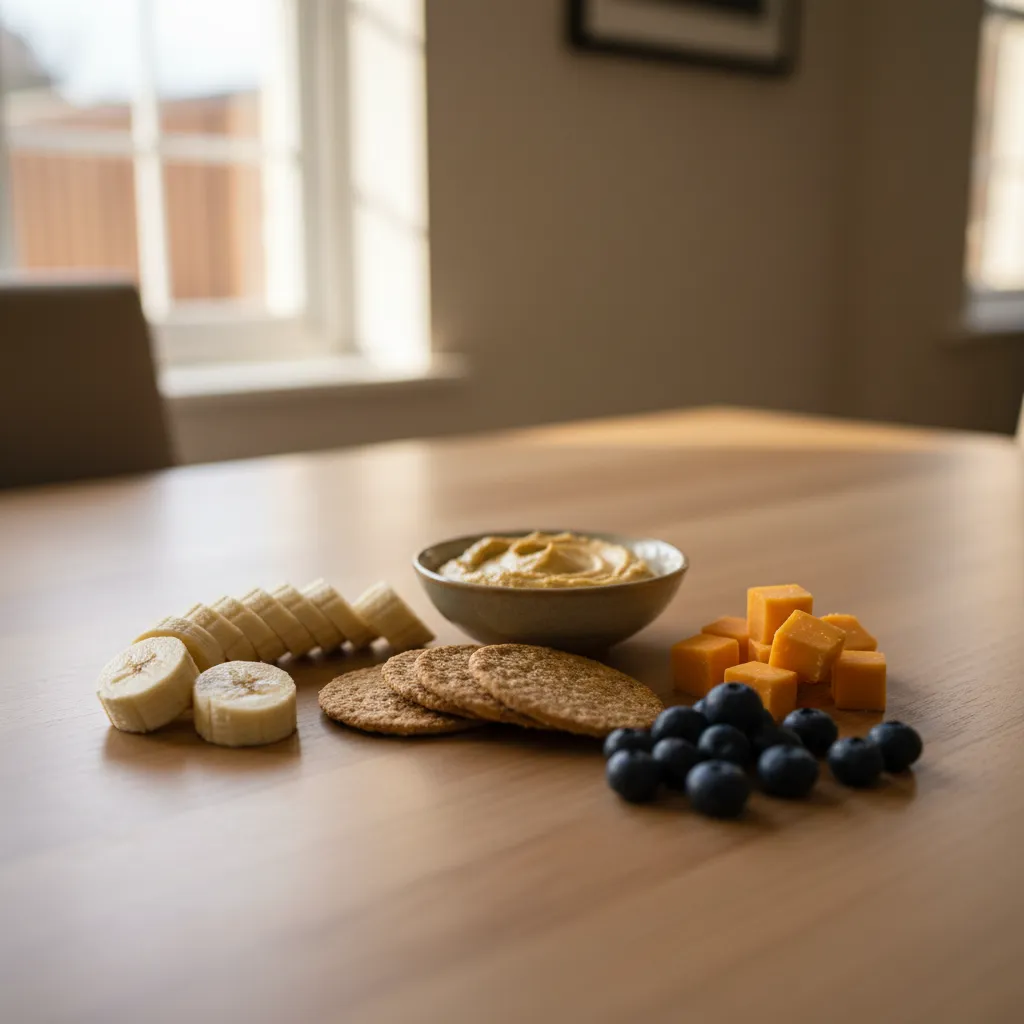
A practical daily structure looks like this: 3 small meals and 2 to 3 planned snacks, spaced roughly 2 to 3 hours apart. This pattern keeps blood sugar stable and avoids the hunger-related meltdowns that so many parents recognise. If you are looking for inspiration, our guide to healthy snacks for children has 30 practical ideas that work well for toddlers too.
A useful rule of thumb for portion sizes is the “toddler handful” approach. One portion of any food group is roughly the size of your toddler’s palm or fist. Their stomachs are small, about the size of their clenched fist, so little and often is far more effective than expecting them to eat large meals.
Essential Nutrients Every Toddler Needs
While calories provide energy, the quality of those calories matters enormously. Here are the key nutrients I focus on when advising parents of toddlers.
Iron
Iron is perhaps the nutrient I worry about most in this age group. Iron deficiency affects up to 1 in 8 UK toddlers, and it can have lasting effects on brain development, learning and behaviour. Toddlers need approximately 6.9mg of iron per day. Good sources include red meat, dark poultry meat, beans, lentils, fortified cereals and dark green vegetables. Pairing iron-rich plant foods with a source of vitamin C (such as pepper strips or a small glass of diluted orange juice) significantly improves absorption.
Calcium and Vitamin D
Strong bones require both calcium and vitamin D working together. Toddlers aged 1 to 3 need around 350mg of calcium daily, which is easily met through 300ml of milk plus a small serving of cheese or yoghurt. Vitamin D is harder to obtain from food alone in the UK, which is why the NHS recommends a daily 10 microgram vitamin D supplement for all children aged 1 to 4.
Omega-3 Fatty Acids
These essential fats support brain and eye development. Oily fish such as salmon, mackerel and sardines are the best sources. I recommend offering oily fish once or twice a week. For families who do not eat fish, walnuts, chia seeds and fortified foods can help, though the conversion of plant omega-3 to the active forms (DHA and EPA) is limited.
Fibre
Toddlers need fibre for healthy digestion, but too much can fill small stomachs and reduce appetite for other important nutrients. A sensible target is around 15g of fibre per day. Wholegrains, fruits, vegetables and pulses all contribute. If your child is struggling with constipation, our article on how diet and fibre can help with constipation in children offers detailed guidance.
Vitamin A
Important for the immune system and vision, vitamin A is found in carrots, sweet potatoes, red peppers, mangoes, eggs and full-fat dairy. A varied diet typically provides enough, but the recommended vitamin drops for under-5s provide a safety net.
Food Groups and Portion Sizes for 1 to 3 Year Olds
I find it most helpful to break toddler nutrition into the main food groups and explain how much of each to aim for across the day. Remember, a toddler portion is much smaller than an adult one.

Starchy Carbohydrates
These should form the base of meals and include bread, rice, pasta, potatoes, oats and cereals. Offer 4 to 6 toddler-sized servings per day. One serving might be half a slice of toast, two tablespoons of cooked rice or three to four small boiled potato pieces. Wholegrain options are fine in moderation, but avoid making every carbohydrate wholegrain as the high fibre content can reduce overall calorie intake.
Fruits and Vegetables
Aim for 5 small portions across the day, mixing fruits and vegetables. One portion for a toddler is roughly one tablespoon of cooked veg, half a small banana, or a few strawberries. Fresh, frozen, tinned (in juice, not syrup) and dried all count. Offering a variety of colours helps ensure a range of vitamins and minerals.
Protein Foods
Offer 2 servings of protein per day from meat, fish, eggs, beans, lentils, tofu or nut butters (smooth only, never whole nuts for under-5s). One serving is around 30g of cooked meat, one small egg, or two tablespoons of cooked lentils. Toddlers need approximately 15g of protein daily, which is easier to meet than many parents realise.
Dairy
Full-fat dairy is recommended until age 2 because toddlers need the energy and fat-soluble vitamins it provides. Aim for 3 servings of dairy per day: a cup of milk (around 100 to 120ml), a small pot of yoghurt, or a matchbox-sized piece of cheese. From age 2, you can switch to semi-skimmed milk if your child is eating well and growing along their centile line. For more on tracking growth, see our guide to understanding UK centile charts.
Healthy Fats
Fat is not the enemy for toddlers. In fact, 35 to 40% of a toddler’s calories should come from fat. Good sources include olive oil, rapeseed oil, avocado, nut butters, oily fish and full-fat dairy. These fats are essential for brain development and the absorption of vitamins A, D, E and K.
Sample Meal Plans and Daily Schedules
To bring all of this together, here are two example days that I often share with parents in my clinic. These are guides, not prescriptions. Your toddler may eat more or less on any given day, and that is perfectly fine.
Sample Day 1
Breakfast (8am): Porridge made with whole milk, topped with mashed banana and a sprinkle of ground flaxseed
Mid-morning snack (10am): Cucumber sticks with hummus
Lunch (12pm): Scrambled egg on half a slice of wholemeal toast, cherry tomatoes (quartered), small piece of cheese
Afternoon snack (2:30pm): A few oatcakes with a thin spread of smooth peanut butter
Dinner (5pm): Mini fish pie made with salmon, potato mash and peas
Bedtime snack (if needed): Small cup of warm milk
Sample Day 2
Breakfast (8am): Wholegrain cereal with whole milk and a few blueberries
Mid-morning snack (10am): Rice cakes with mashed avocado
Lunch (12pm): Lentil and vegetable soup with a small bread roll
Afternoon snack (2:30pm): Sliced apple with a small pot of natural yoghurt
Dinner (5pm): Chicken strips with sweet potato wedges and steamed broccoli
Bedtime snack (if needed): A few grapes (halved lengthways) and a small piece of cheese
Notice that both days include foods from every food group, spread across multiple small eating occasions. This approach also supports what we know about building on the foundations of healthy weaning by continuing to offer variety and new flavours.
Common Feeding Challenges and How to Handle Them
If I had a pound for every parent who has told me their toddler “lives on air and breadsticks,” I could retire comfortably. Fussy eating, food refusal and mealtime battles are among the most common concerns I encounter. Here is what the evidence tells us works.

Fussy Eating and Food Neophobia
Food neophobia, the fear of trying new foods, is a completely normal developmental phase that typically peaks between 18 months and 3 years. Research suggests that a child may need to be offered a new food 10 to 15 times before they accept it. The key is to offer without pressure. Place the new food alongside familiar favourites and let your child explore it at their own pace. Never force, bribe or use pudding as a reward.
Grazing and Snack Dependency
Some toddlers fall into a pattern of constant grazing, which reduces appetite at mealtimes. The solution is to establish structured meal and snack times with nothing but water offered in between. This is not about restricting food; it is about creating a predictable rhythm that allows genuine hunger to develop.
Mealtime Mess and Independence
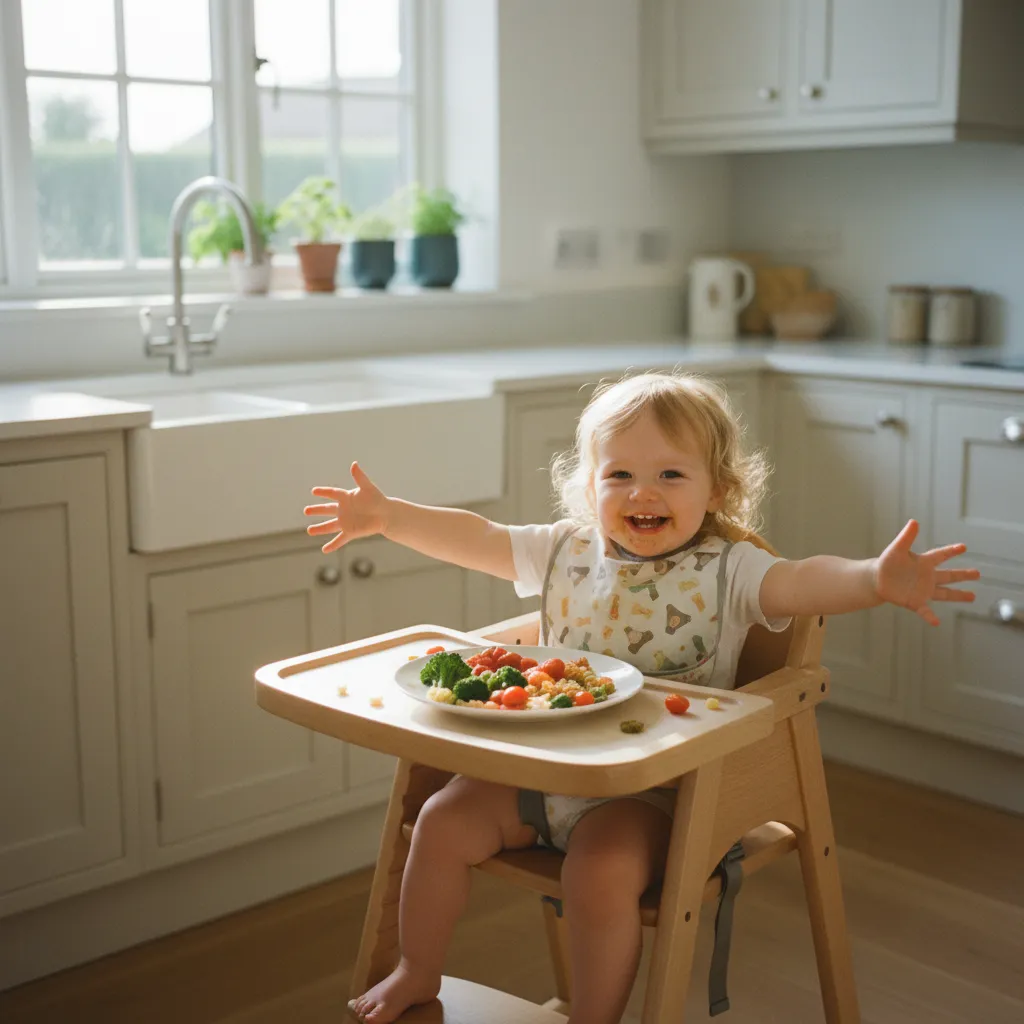
Toddlers learn through sensory exploration, and that includes food. Letting your child self-feed, even if it means mess, is an important part of developing fine motor skills and a healthy relationship with food. Offer a combination of finger foods and spoon-fed options. A plastic mat under the highchair can make clean-up easier.
Emotional Eating Patterns
Even at this young age, the seeds of emotional eating can be planted if food is consistently used as a comfort or reward. I always encourage parents to separate food from emotional regulation. If your child is upset, offer comfort through cuddles and words rather than biscuits. Our article on emotional eating in children covers this topic in greater depth.
Foods to Limit or Avoid for Toddlers
While I believe in a relaxed, pressure-free approach to feeding, there are certain foods that should be limited or avoided entirely during the toddler years.
Foods to Avoid Completely
- Whole nuts, popcorn and whole grapes: serious choking hazards. Always cut grapes lengthways into quarters and offer smooth nut butters instead of whole nuts
- Honey: should not be given to children under 12 months due to the risk of botulism. After age 1 it is safe, but use sparingly as it is still a sugar
- Raw shellfish and shark, swordfish or marlin: due to high mercury levels
- Added salt: toddlers aged 1 to 3 should have no more than 2g of salt per day (less than half a teaspoon). Avoid adding salt during cooking and check labels on processed foods
Foods to Limit
- Sugary foods and drinks: biscuits, cakes, sweets and sugary drinks contribute to tooth decay and can displace more nutritious foods. The UK sugar tax on soft drinks was introduced partly because of the impact of sugar on young children’s health
- Ultra-processed foods: many toddler-marketed snacks and pouches are heavily processed. Understanding what counts as ultra-processed food and its impact on children’s health can help parents make more informed choices
- Fruit juice: even unsweetened juice is high in free sugars and can damage teeth. If offered at all, dilute well and serve only with meals
Drinks and Hydration for 1 to 3 Year Olds
What toddlers drink is just as important as what they eat. From age 1, the recommended drinks are straightforward:
Water should be the main drink throughout the day. Offer it in a free-flow cup (not a bottle) from age 1. Most toddlers need around 4 to 6 small cups of fluid per day (roughly 800ml to 1 litre total, including milk).
Whole cow’s milk can be offered as a main drink from 12 months. Aim for around 300 to 400ml per day, which provides calcium and other nutrients without filling them up too much. Too much milk (more than 500ml) can reduce appetite for solid food and contribute to iron deficiency because milk is low in iron and can interfere with iron absorption.
Drinks to avoid or limit include squash, fizzy drinks, fruit juice (even diluted), flavoured milks, tea and coffee. These are either high in sugar, contain caffeine, or can reduce the absorption of important minerals. For a deeper understanding of how sleep and nutrition work together during these years, you might find our piece on children’s sleep and weight helpful.
I always recommend moving from bottles to open or free-flow cups by 12 months. Prolonged bottle use is associated with dental problems and can encourage toddlers to drink excessive amounts of milk.
When to Seek Professional Help
Most toddler feeding challenges are normal developmental phases that resolve with time and patience. However, there are situations where professional support is warranted.
Speak to your health visitor or GP if your child:
- Is consistently eating fewer than 5 different foods and refuses all new foods over a sustained period
- Shows signs of faltering growth or has dropped more than two centile lines on their growth chart
- Appears excessively tired, pale or bruises easily, which could indicate iron deficiency anaemia
- Has difficulty chewing or swallowing, gags frequently, or shows signs of pain when eating
- Is gaining weight very rapidly and you are concerned about their relationship with food
Your health visitor can assess whether your child’s growth is on track using the BMI calculator for children and the RCPCH growth charts. If there are concerns, they may refer you to a paediatric dietitian who can create a tailored nutrition plan.
In my experience, the vast majority of toddler feeding worries can be resolved through small, consistent adjustments rather than dramatic changes. The Division of Responsibility model, developed by feeding expert Ellyn Satter, offers a helpful framework: the parent decides what, when and where food is offered; the child decides whether and how much to eat. When both sides trust their role, mealtimes become calmer and more enjoyable for everyone.
If you would like to understand more about monitoring your child’s growth through these years, our guide to the National Child Measurement Programme and our article on average weight and height for children by age in the UK are both excellent resources. And remember, keeping your toddler physically active through play works hand in hand with good nutrition to support their overall health and development.
Key Points
- Offer 3 small meals and 2 to 3 snacks per day, spaced 2 to 3 hours apart
- Prioritise iron-rich foods daily such as red meat, beans, lentils and fortified cereals, paired with vitamin C for better absorption
- Give a daily vitamin supplement containing vitamins A, C and D as recommended by the NHS until age 5
- Use the toddler handful as a simple guide for portion sizes and trust your child’s appetite signals
- Move to open or free-flow cups by 12 months and limit whole milk to around 300 to 400ml per day
Frequently Asked Questions
How many calories does a 1 to 3 year old need per day?
Most toddlers need between 1,000 and 1,400 calories per day, depending on their age, sex, size and activity level. Rather than counting calories, I recommend offering a balanced variety of foods across 3 meals and 2 to 3 snacks, and allowing your child to regulate how much they eat at each sitting.
The NHS recommends that all children aged 6 months to 5 years take a daily supplement containing vitamins A, C and D. These are available as Healthy Start vitamins (free for eligible families) or can be purchased from pharmacies. Vitamin D is particularly important in the UK where sunshine is limited for much of the year.What vitamins should I give my toddler?
Yes, this is very common and entirely normal. Food neophobia typically peaks between 18 months and 3 years. Continue offering the refused food alongside accepted foods without pressure. Research shows it can take 10 to 15 exposures before a child accepts a new or previously rejected food.Is it normal for a toddler to refuse foods they used to enjoy?
Full-fat (whole) milk is recommended as a main drink from 12 months until age 2. After age 2, you can switch to semi-skimmed milk if your child is eating well and growing along their expected centile line. Skimmed milk is not suitable for children under 5 as it does not provide enough energy or fat-soluble vitamins.When should my toddler stop having whole milk?
Signs of iron deficiency can include unusual tiredness, pale skin, poor appetite and irritability. Ensure your child eats iron-rich foods daily, such as red meat, dark poultry meat, beans, lentils, and fortified breakfast cereals. If you are concerned, your GP can arrange a simple blood test to check iron levels.How do I know if my toddler is getting enough iron?
Vegetable refusal is one of the most common toddler feeding challenges. Keep offering vegetables in different forms: raw sticks, roasted, in sauces, soups or blended into meals. Repeated, pressure-free exposure is the most effective strategy. Fruits also provide many similar vitamins, so a toddler who eats fruit but not vegetables is still getting important nutrients while you work on expanding their palate.Should I worry if my toddler does not eat vegetables?