
Key Takeaways
- Children as young as 2 years old can begin helping in the kitchen with simple tasks such as washing fruit and tearing herbs
- Research shows that children who cook regularly are up to 50% more likely to eat vegetables and try new foods
- By age 7 to 9, most children can safely learn to use a peeler, grater and table knife under supervision
- Cooking together builds numeracy, literacy and fine motor skills alongside healthy eating habits
- The NHS recommends involving children in meal preparation as a practical strategy for improving family nutrition
- Age-appropriate cooking tasks should always be matched to the individual child’s maturity and coordination, not just their age
In This Article
- Why Cooking with Children Matters for Health and Confidence
- Kitchen Safety: Setting Up for Success
- Age-Appropriate Kitchen Skills: A Stage-by-Stage Guide
- Simple Recipes to Try Together by Age Group
- How Cooking Helps Fussy Eaters Try New Foods
- Building a Weekly Cooking Routine
- Common Mistakes Parents Make (and How to Avoid Them)
- Tips for Making Cooking Fun and Educational
In my years working as a paediatric nutritionist in Bristol, one question comes up in almost every family consultation: “How do I get my child to eat better?” My answer often surprises parents. Before I talk about portion sizes or food groups, I ask whether their child has ever helped prepare a meal. Cooking with children age appropriate tasks is one of the most powerful, enjoyable and evidence-based tools we have for building lifelong healthy eating habits. It is not about creating a masterchef; it is about giving your child the confidence, curiosity and skills to develop a positive relationship with food from an early age.
This guide draws on my clinical experience and the latest nutritional evidence to walk you through exactly which kitchen skills suit each age group, share recipes the whole family can enjoy, and explain why getting your child involved in the kitchen genuinely makes a difference to their health and wellbeing.
Why Cooking with Children Matters for Health and Confidence
The benefits of cooking with children stretch far beyond the plate. When a child washes lettuce, stirs a sauce or kneads dough, they are engaging multiple senses simultaneously, and this sensory exposure is precisely what helps children accept new foods. A study published by the British Nutrition Foundation found that children who participate in food preparation are significantly more likely to eat fruit and vegetables and show greater willingness to taste unfamiliar ingredients.
From a nutritional standpoint, home-cooked meals tend to be lower in salt, sugar and saturated fat compared with shop-bought alternatives. According to NHS Healthier Families guidance, involving children in cooking is a practical way to reduce reliance on ultra-processed foods and encourage a more balanced diet. When children see how ingredients come together, they develop an understanding of what they are eating, and that knowledge stays with them into adulthood.
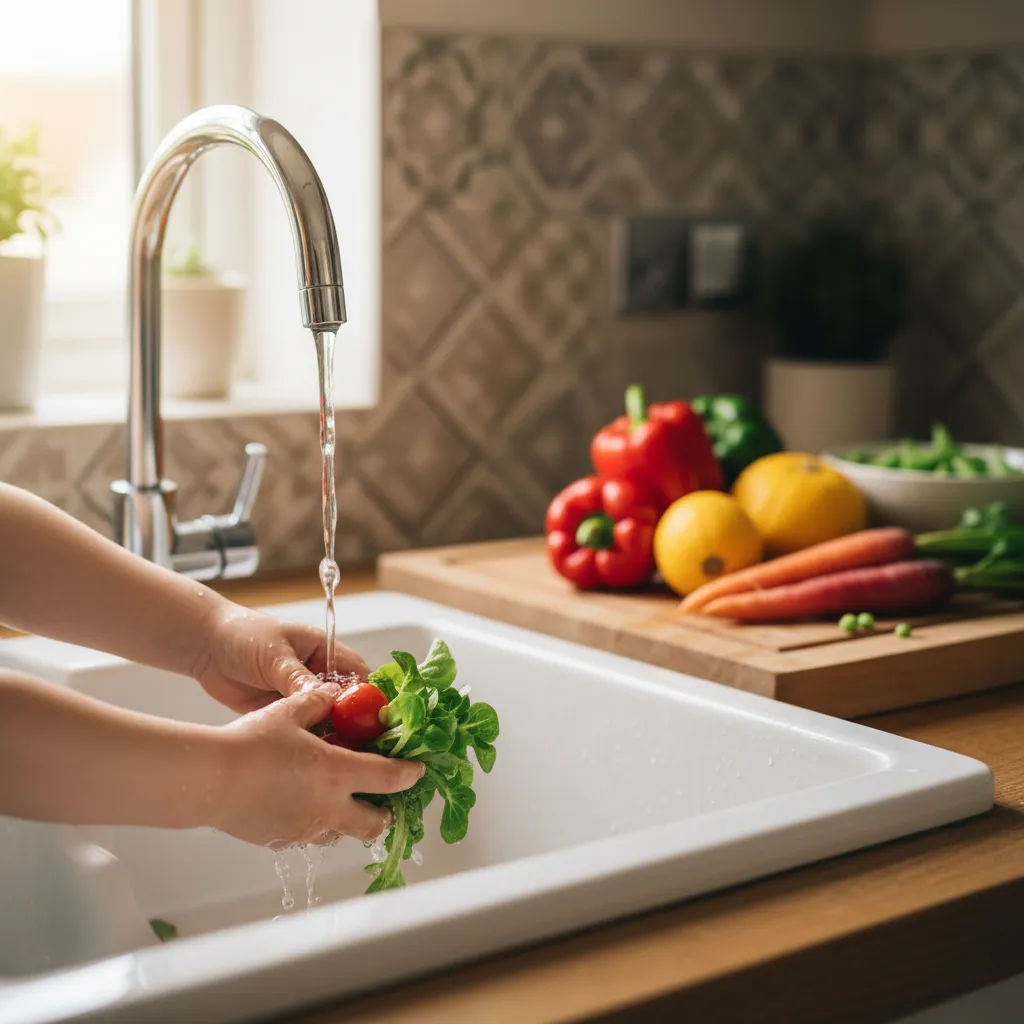
Beyond nutrition, cooking supports a remarkable range of developmental skills. Measuring flour builds numeracy. Following a recipe strengthens reading comprehension. Cracking an egg develops fine motor coordination. Even waiting for bread to rise teaches patience and an understanding of cause and effect. I have seen children in my practice who struggled with anxiety around food become visibly more relaxed and adventurous after just a few weeks of regular cooking at home.
There is also a wellbeing dimension that we should not overlook. Cooking together creates quality time without screens, offers a sense of achievement, and gives children a meaningful role in family life. In families where weight management is a concern, this shared activity can shift the conversation away from restriction and towards enjoyment, which is exactly the approach I recommend.
Kitchen Safety: Setting Up for Success
Safety is the foundation of every positive cooking experience. Before handing your child a wooden spoon, take a few minutes to set up the kitchen environment so that everyone can relax and enjoy the process.
Essential safety measures include:
- Ensure your child can reach the worktop comfortably using a sturdy step stool with a non-slip surface
- Tie back long hair and roll up loose sleeves before starting
- Teach hand washing as the very first step of every cooking session
- Keep sharp knives, hot pans and electrical appliances out of reach until the child is ready for supervised use
- Establish a clear rule: always ask before touching anything hot or sharp
- Turn pan handles inward on the hob to prevent accidental knocks
I always advise parents to demonstrate each task slowly before letting their child try. Children learn by watching, and a calm, unhurried demonstration builds confidence far more effectively than verbal instructions alone. The UK Government’s Eatwell Guide recommends cooking at home as part of a healthy lifestyle, and making the kitchen a safe, welcoming space is the first step towards achieving that.
Remember that supervision requirements change with age. A toddler needs an adult within arm’s reach at all times. A confident ten-year-old might manage simple tasks independently whilst you remain in the room. Adjust your level of involvement as your child’s skills grow, and always err on the side of caution with heat and sharp equipment.
Age-Appropriate Kitchen Skills: A Stage-by-Stage Guide
One of the most common questions I hear from parents is: “What can my child actually do at their age?” The answer depends not only on age but on the individual child’s coordination, maturity and interest. The guide below offers a framework, but please use your own judgement about what suits your child.
| Age Group | Suitable Kitchen Tasks | Level of Supervision |
|---|---|---|
| 2 to 3 years | Washing fruit and vegetables, tearing lettuce and herbs, stirring cold mixtures, adding pre-measured ingredients to a bowl | Constant, hands-on supervision |
| 4 to 5 years | Mashing with a fork, spreading with a butter knife, cutting soft foods with a table knife, mixing and pouring, simple measuring | Constant supervision, adult within arm’s reach |
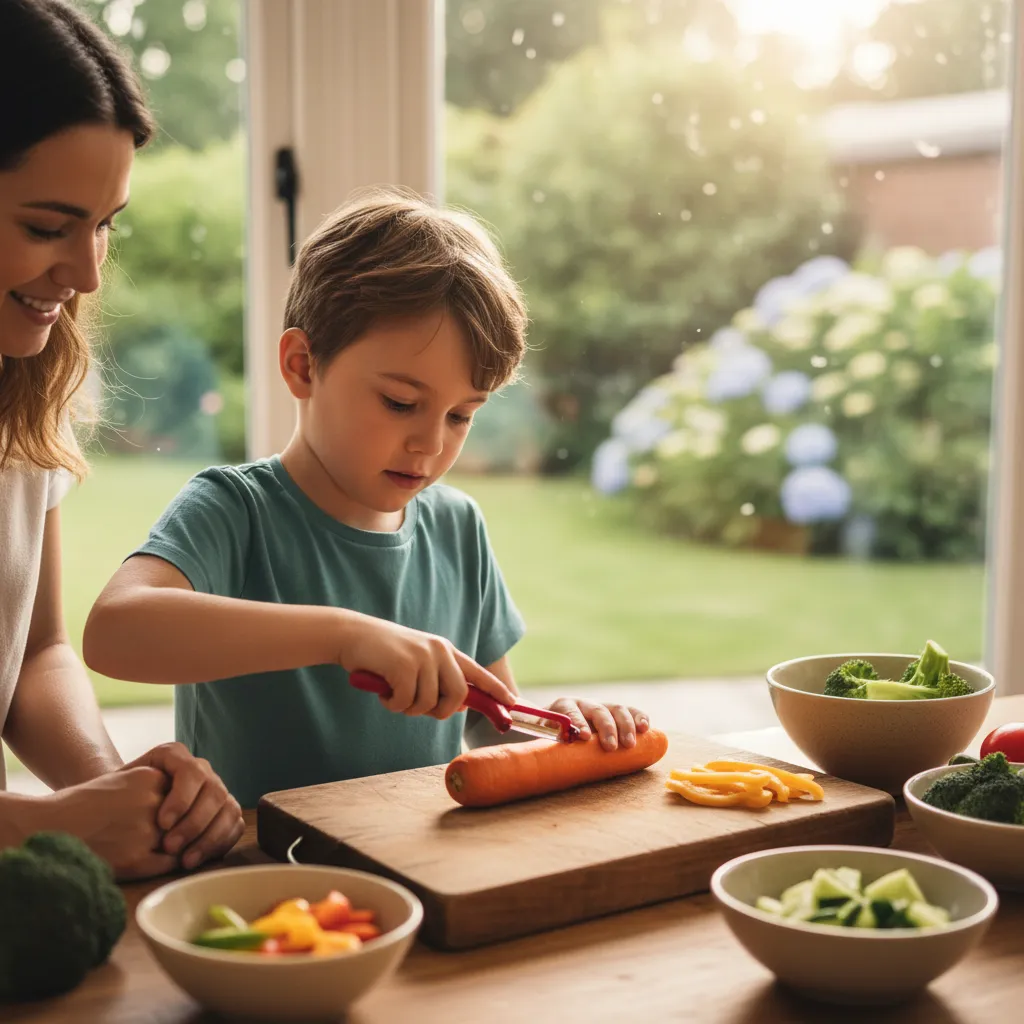
| 6 to 7 years | Peeling with a Y-shaped peeler, grating cheese (with guard), cracking eggs, using scales, reading simple recipes | Close supervision, adult in kitchen |
| 8 to 9 years | Using a small sharp knife with guidance, draining pasta (with help), operating a toaster, assembling complete dishes | Moderate supervision |
| 10 to 12 years | Using the hob with supervision, following complex recipes, boiling and simmering, basic baking independently | Light supervision, adult nearby |
| 13 years and above | Using the oven independently, planning and preparing full meals, adapting recipes, using electrical appliances | Minimal supervision as competence grows |
These age ranges are guidelines rather than rules. I have worked with confident six-year-olds who could crack eggs perfectly and cautious nine-year-olds who preferred to stick with stirring. Both are completely normal. The key is to build skills gradually and celebrate progress rather than rushing to the next stage.
For toddlers, the focus should be on sensory exploration. Letting a two-year-old squeeze an orange or pull apart broccoli florets is cooking in its simplest, most joyful form. If you are in the weaning stage, involving your little one in food preparation (even just touching and smelling ingredients) can support their transition to solid foods beautifully.
Simple Recipes to Try Together by Age Group
Here are some of my favourite recipes that work well for different age groups. Each has been tested with families in my practice, and I have chosen them because they are nutritious, forgiving of imperfect technique, and genuinely enjoyable to make.
For Ages 2 to 4: Rainbow Fruit Kebabs
This requires no cooking at all, making it a perfect starting recipe. Provide a selection of colourful fruits such as strawberries, banana slices, blueberries, kiwi pieces and mango chunks. Let your child thread the fruit onto blunt wooden skewers or simply arrange them on a plate in a rainbow pattern. Talk about the colours and flavours as you go. This activity builds fine motor skills whilst encouraging your child to taste a variety of fruits. For more ideas on fruit and vegetable intake, see my guide on how to get your child to eat vegetables.
For Ages 4 to 6: Easy Pitta Pizzas
Pitta pizzas let children practise spreading, sprinkling and choosing toppings. Toast wholemeal pitta breads lightly, then let your child spread tomato passata with a spoon and add toppings: grated cheese, sweetcorn, sliced peppers, mushrooms or ham. Pop under the grill (adult only) for two to three minutes until the cheese melts. These make an excellent after-school activity and can form part of a balanced meal alongside a simple salad.
For Ages 6 to 9: Vegetable and Bean Soup
Soup is wonderfully forgiving and allows children to practise peeling, chopping (with appropriate supervision) and measuring. Start with diced onion, carrot and celery softened in a little olive oil (adult at the hob). Let your child add tinned chopped tomatoes, a tin of drained cannellini beans, vegetable stock and a handful of pasta shapes. Simmer for fifteen minutes, season gently, and serve with crusty bread. This recipe is rich in fibre and plant protein and is an excellent way to boost vegetable intake. If constipation is an issue for your child, meals like this can genuinely help; I have written more about how diet and fibre support digestive health.
For Ages 9 to 12: Simple Chicken Stir-Fry
Older children can take the lead on a stir-fry with supervision. Slice chicken breast into strips (adult to supervise knife use), prepare vegetables such as peppers, mangetout and baby sweetcorn, and mix a simple sauce of soy sauce, a squeeze of lime and a teaspoon of honey. The child can stir-fry the ingredients in a wok or large frying pan whilst the adult monitors the heat. Serve with brown rice or wholemeal noodles. This is an excellent recipe for teaching about balanced meals: protein, vegetables and starchy carbohydrates all in one dish.
For Ages 12 and Above: Homemade Wholemeal Flatbreads
Bread-making teaches patience, science and a genuine sense of achievement. Combine 200g wholemeal flour, a pinch of salt, 130ml warm water and a tablespoon of olive oil. Knead for five minutes until smooth, divide into balls, roll out and cook in a dry frying pan for two minutes on each side. These flatbreads are delicious with hummus, soup or as wraps. Teenagers often find bread-making surprisingly satisfying, and it is a skill they can carry into independent living.
How Cooking Helps Fussy Eaters Try New Foods
If you have a fussy eater at home, cooking together may be the single most effective strategy you try. In my clinic, I see the transformation regularly: a child who refuses to eat courgette at the dinner table will happily grate one into a cake mixture. A child who pushes away soup will taste it proudly if they stirred the pot themselves.
This works because cooking addresses the root causes of food refusal. Many children reject unfamiliar foods because they feel uncertain or anxious about what they are eating. When a child handles raw ingredients, watches them change during cooking and understands exactly what is in their meal, that anxiety diminishes. The British Dietetic Association recommends cooking with children as a practical approach to expanding their food repertoire, and I wholeheartedly agree.
There are a few principles that make this approach more effective:
- Never pressure your child to eat what they have cooked. Let them decide. The goal is exposure, not consumption.
- Start with recipes that include at least one ingredient your child already likes, then add one new element
- Praise the effort of cooking rather than the eating: “You did a brilliant job chopping those peppers” matters more than “Eat your peppers”
- Be patient. Research suggests it can take 10 to 15 exposures to a new food before a child accepts it
Children who struggle with emotional eating can also benefit from cooking, as it helps them develop a more mindful, hands-on relationship with food rather than using eating as a response to feelings.
Building a Weekly Cooking Routine
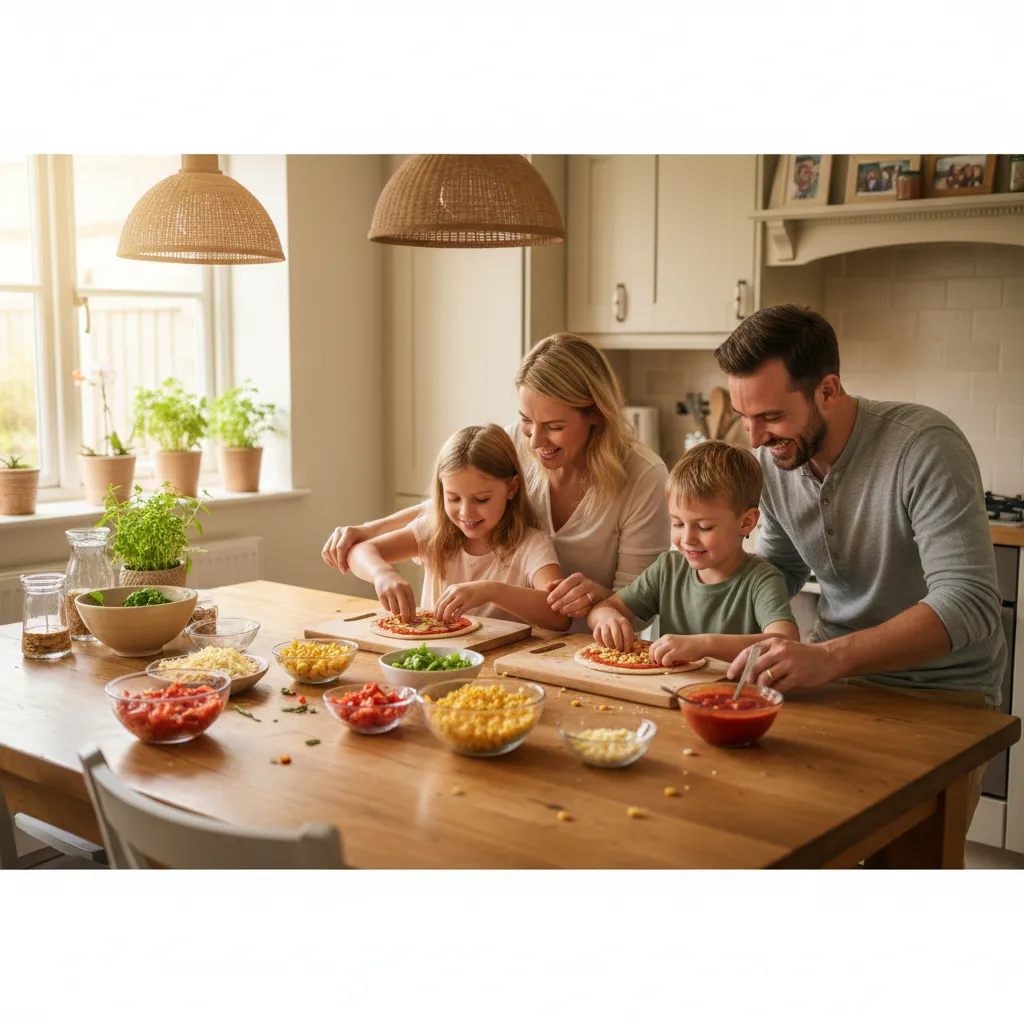
The families who see the greatest benefits from cooking together are those who make it a regular habit rather than an occasional event. You do not need to cook together every day; even once or twice a week makes a meaningful difference.
Here is a practical framework that works for busy families:
Weekend cooking session (30 to 45 minutes): Choose one recipe to make together. This is your main cooking activity for the week, where your child can practise new skills and try new ingredients. Sunday lunch preparation works well for many families.
Midweek helping tasks (10 to 15 minutes): On two or three weekday evenings, give your child a small role in dinner preparation. Washing salad leaves, grating cheese, setting the table with the right portions, or stirring a sauce all count. These brief involvements keep the connection to cooking alive without adding stress to busy evenings.
Snack preparation: Let your child prepare their own healthy snacks whenever possible. Spreading hummus on oatcakes, slicing a banana, or arranging vegetable sticks with a dip are all age-appropriate tasks that build independence and encourage healthier snack choices.
I also recommend keeping a “cooking journal” where your child can note down recipes they enjoyed, stick in photos, or draw pictures of meals they have made. This creates a sense of ownership and pride that reinforces the positive associations with cooking and healthy eating.
Making sure your child stays well hydrated during and after cooking is important too. For guidance on fluid intake, have a look at my article on how much water a child should drink each day.
Common Mistakes Parents Make (and How to Avoid Them)
Over the years, I have noticed several patterns that can turn cooking from a positive experience into a stressful one. Here are the most common pitfalls and how to sidestep them.
1. Expecting perfection. The kitchen will get messy. The pancakes will not be round. The eggs will end up on the worktop as often as in the bowl. This is all completely fine. Focus on the process, not the product. If you spend the session correcting your child’s technique, they will lose interest quickly.
2. Choosing recipes that are too complex. Ambitious recipes lead to frustration for both parent and child. Start simpler than you think necessary and build up gradually. A child who masters a basic salad dressing will feel far more motivated than one who struggled through a complicated bake.
3. Taking over. It is tempting to step in and finish the job, especially when time is short. Resist the urge. If the task is genuinely too difficult, simplify it rather than taking over. Your child needs to feel that their contribution matters.
4. Only baking sweet treats. Cakes and biscuits are a fun starting point, but if cooking time only involves sugary recipes, you are missing the opportunity to normalise savoury cooking. Aim for a balance of sweet and savoury recipes, and try to include vegetables in most sessions. For families managing their child’s weight, this balance is particularly important; for context on healthy weight ranges, see my guide to average weight and height for children by age in the UK.
5. Forgetting to involve children in planning. Letting your child help choose what to cook, looking through recipe books together or picking vegetables at the supermarket extends the benefits of cooking beyond the kitchen itself. Children who are involved in meal planning tend to eat more varied diets overall.
Tips for Making Cooking Fun and Educational
The best cooking sessions feel like play rather than a lesson. Here are strategies I share with every family I work with:
Talk about the food as you cook. Where does this vegetable grow? What does this spice smell like? Which country does this recipe come from? Conversation makes cooking richer and more memorable. It also builds food literacy, helping your child understand nutrition without formal teaching.
Use cooking to practise maths. Ask your child to double a recipe, halve an amount, read the scales, or work out how many minutes until the timer goes off. These are practical, real-world maths skills that reinforce what children learn at school. For younger children, simply counting spoonfuls or eggs is a valuable exercise.
Create themed cooking nights. Italian night, Mexican night or a “fridge raid” where you see what you can make from leftover ingredients all add excitement and variety. Themed evenings are also an excellent way to introduce children to cuisines from other cultures, broadening their palate and their understanding of the world.
Grow your own ingredients. Even a small pot of herbs on a windowsill gives children a connection to where food comes from. Cress, cherry tomatoes and lettuce are all easy to grow with children and can be used in recipes you make together. The NHS Healthier Families programme encourages families to grow and cook food together as part of building sustainable healthy habits.
Celebrate achievements. When your child masters a new skill, whether that is cracking an egg cleanly, using a peeler safely or cooking their first full meal, acknowledge it. A simple “You should be really proud of that” goes a long way. Some families I work with keep a “skills chart” on the fridge where children can tick off new cooking competencies as they achieve them.
If your child is physically active, cooking also offers a natural opportunity to talk about how food fuels their body. I have written about fun ways to keep children active, and pairing physical activity with home-cooked meals creates an excellent foundation for long-term health.
Finally, for families navigating the toddler years, cooking together complements the nutritional guidance I have outlined in my article on toddler nutrition for 1 to 3 year olds. Starting early, even with the simplest tasks, sets the stage for a lifetime of confident, healthy eating.
Key Points
- Start with simple, sensory tasks like washing and tearing from age 2, building to supervised knife skills by age 8 to 9
- Cook together at least once a week and involve children in small helping tasks on two to three additional evenings
- Balance sweet and savoury recipes to normalise cooking with vegetables and whole ingredients
- Use cooking as a strategy for fussy eating: let children handle, smell and prepare new foods without pressure to eat
- Always match tasks to your individual child’s maturity and coordination, not just their age
Frequently Asked Questions
What age is appropriate for children to start cooking?
Children can begin helping in the kitchen from around 2 years old with simple tasks such as washing fruit, tearing lettuce and stirring cold mixtures. The key is to choose tasks that match your child’s coordination and interest rather than focusing solely on age. By 4 to 5, most children can manage spreading, mashing and basic measuring. True cooking with heat typically begins around age 10 to 12 with close adult supervision.
The 10-10-10 rule is a practical guideline sometimes used in family meal planning. It suggests spending 10 minutes planning a meal, 10 minutes preparing it and aiming for meals that take no longer than 10 minutes to cook. This framework helps busy families keep home cooking manageable and reduces the temptation to rely on takeaways or heavily processed convenience foods.What is the 10-10-10 rule for children?
Most children can begin learning to use the hob at around 10 to 12 years old, always with an adult present in the kitchen. Before this stage, children should first be comfortable with other kitchen skills such as measuring, mixing and using a peeler. I recommend starting with simple tasks like stirring a simmering sauce before progressing to managing heat levels independently. Every child develops at their own pace, so base your decision on their maturity and awareness of safety rather than age alone.What age can a child use the stove safely?
Four-year-olds enjoy recipes that involve hands-on tasks such as spreading, mixing, sprinkling and assembling. Pitta pizzas, fruit kebabs, simple sandwiches, banana pancakes and no-bake energy balls are all excellent choices. Choose recipes with few steps and ingredients your child already recognises. The goal at this age is enjoyment and sensory exploration rather than producing a complex dish.What should I cook with a 4-year-old?
Cooking exposes children to new foods through touch, smell and sight before they need to taste them, which reduces anxiety around unfamiliar ingredients. Children who help prepare meals develop a sense of ownership over what they eat and are more likely to try the finished dish. Research consistently shows that children who cook regularly eat more fruit and vegetables, consume fewer ultra-processed foods and develop a better understanding of nutrition that lasts into adulthood.How does cooking help children develop healthy eating habits?
Yes. Cooking at home gives families greater control over ingredients, portion sizes and cooking methods, all of which influence a child’s weight. Home-cooked meals are typically lower in salt, sugar and unhealthy fats compared with processed alternatives. Beyond the nutritional benefits, cooking together shifts the family culture around food towards enjoyment and skill-building rather than restriction, which is a far healthier approach to weight management in children.Can cooking together help with childhood obesity?