Key Takeaways
- Children aged 1 to 3 need roughly 900 ml to 1,000 ml of total fluids per day, while 4 to 8 year olds need around 1,100 ml to 1,200 ml
- By age 9 to 13, daily fluid needs rise to approximately 1,300 ml for girls and 1,500 ml for boys
- Water and plain milk are the best drink choices for children of all ages, according to NHS guidance
- Around 20% of a child’s daily fluid intake comes from food, especially fruits, vegetables and soups
- Signs of mild dehydration include dark yellow urine, tiredness and difficulty concentrating at school
- Sugary drinks, including fruit juice and squash, should be limited to no more than 150 ml per day and offered only at mealtimes
In This Article
- Why Water Matters for Children
- How Much Water Should a Child Drink by Age?
- Signs of Dehydration in Children
- Best Drinks for Children
- Drinks to Limit or Avoid
- Practical Tips to Help Children Drink More Water
- Water and Your Child’s Weight
- Special Circumstances: When Children Need More Water
- Key Points to Remember
Why Water Matters for Children
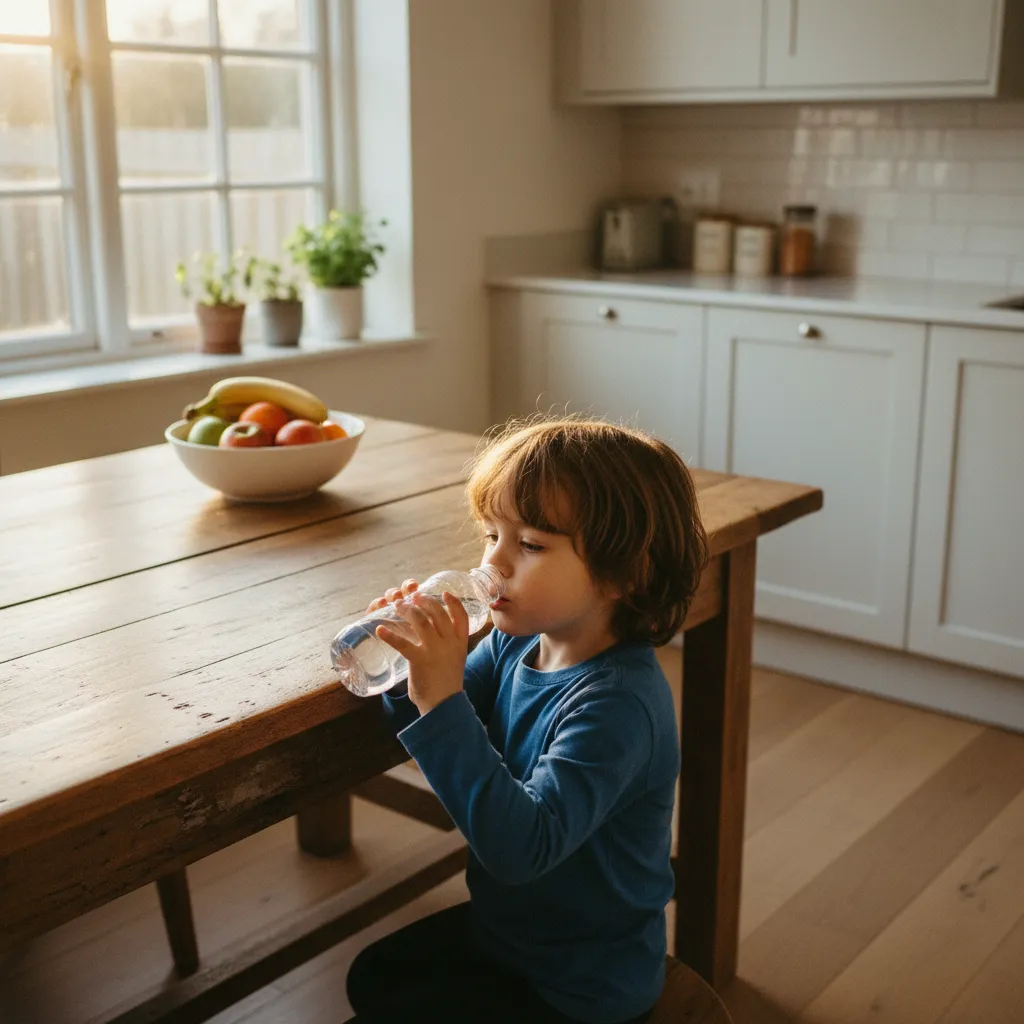
As a paediatric nutritionist, one of the questions I hear most often from parents is: how much water should my child drink each day? It seems straightforward, yet many families I work with in my Bristol clinic are surprised to learn that their children are not drinking nearly enough. Water is absolutely essential for a child’s body to function properly, and even mild dehydration can affect their concentration, mood and energy levels throughout the day.
A child’s body is made up of roughly 60% water, and because children are smaller and have a higher metabolic rate relative to their body weight, they can become dehydrated more quickly than adults. Water plays a critical role in almost every bodily process: it helps regulate body temperature, transports nutrients to cells, cushions joints, supports digestion and helps the kidneys flush out waste products. Without adequate fluids, even everyday tasks like paying attention in class or running around at break time become harder for children.
What many parents do not realise is that thirst is actually a late sign of dehydration. By the time your child says they are thirsty, their body is already mildly dehydrated. This is why building regular drinking habits, rather than waiting for children to ask for a drink, is so important. Good hydration also supports healthy bowel movements and helps prevent constipation, which is one of the most common childhood complaints I see in practice.
How Much Water Should a Child Drink by Age?
The amount of fluid a child needs each day depends on their age, size, activity level and the weather. The guidelines below are based on recommendations from the European Food Safety Authority (EFSA) and are consistent with NHS guidance on water and hydration. These figures refer to total fluid intake, which includes water, milk, and fluids from food.
| Age Group | Total Daily Fluid Intake | Approximate Glasses of Water/Milk |
|---|---|---|
| 1 to 3 years | 900 ml to 1,000 ml | 4 to 5 small glasses (150 ml each) |
| 4 to 8 years | 1,100 ml to 1,200 ml | 6 to 7 small glasses |
| 9 to 13 years (girls) | 1,300 ml to 1,500 ml | 7 to 8 glasses (200 ml each) |
| 9 to 13 years (boys) | 1,500 ml to 1,700 ml | 8 to 9 glasses (200 ml each) |
| 14 to 18 years (girls) | 1,600 ml to 1,800 ml | 8 to 9 glasses |
| 14 to 18 years (boys) | 1,800 ml to 2,000 ml | 9 to 10 glasses |
It is worth noting that roughly 20% of daily fluid intake typically comes from food rather than drinks. Foods with a high water content, such as cucumbers, watermelon, oranges, tomatoes, soups and yoghurt, all contribute to your child’s hydration. So if your child eats plenty of fruits and vegetables, they will be getting a helpful amount of water from their diet alone.
For babies under six months who are exclusively breastfed or formula-fed, additional water is not needed. Breast milk and formula provide all the hydration a young baby requires. Once you begin introducing solid foods around six months, you can start offering small sips of water from an open cup or free-flow beaker with meals.
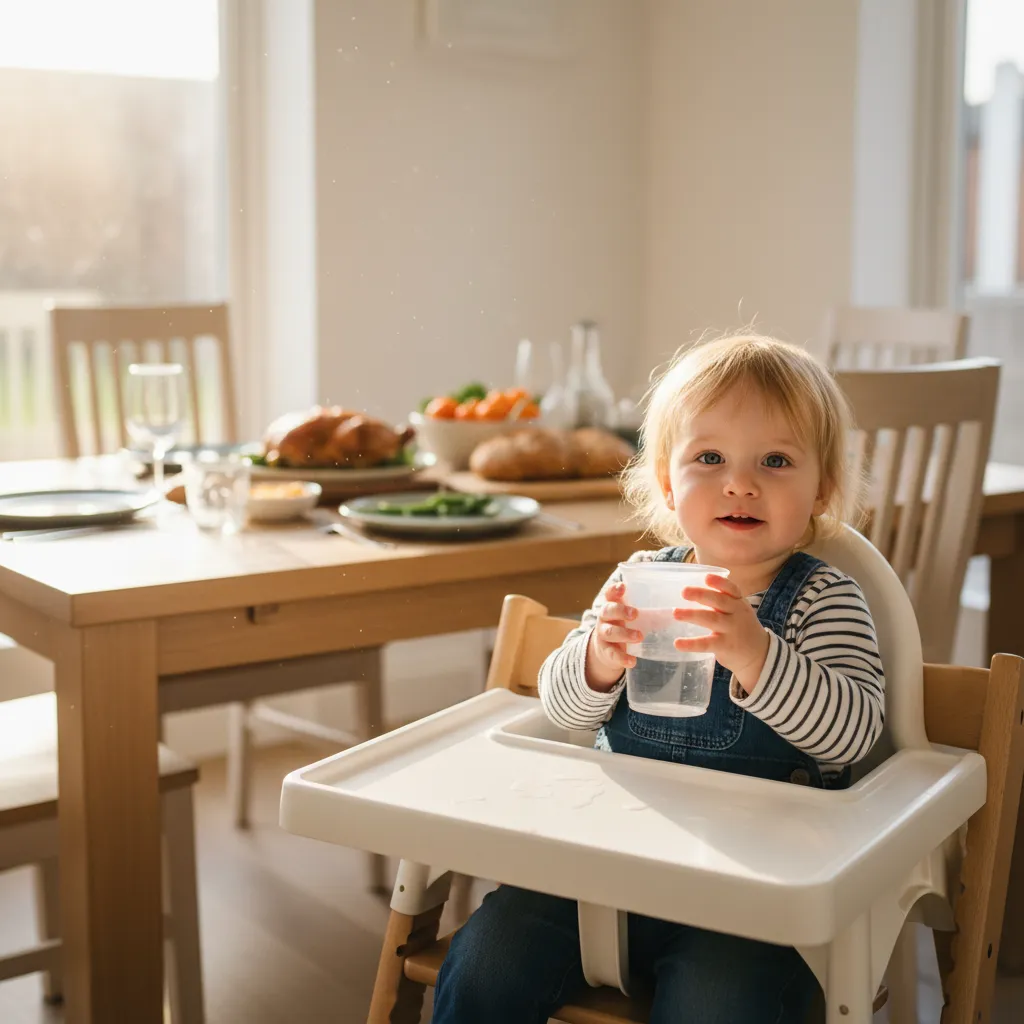
For toddlers aged 1 to 3, I recommend aiming for around 6 to 8 drinks per day, including milk feeds. Water should gradually become the main drink as your child moves towards their second birthday. By the time children start school, water and plain milk should be the primary drinks offered throughout the day.
Signs of Dehydration in Children
Recognising the early signs of dehydration can help you act before it becomes a problem. In my experience, many parents only think about dehydration during hot weather or when a child is unwell, but it can happen at any time of year, particularly during busy school days when children simply forget to drink.
The simplest way to check your child’s hydration is by looking at the colour of their urine. Pale straw-coloured urine generally indicates good hydration, while dark yellow or amber-coloured urine suggests your child needs to drink more. Here are the key signs to watch for:
- Dark yellow urine or strong-smelling urine
- Passing urine fewer than 4 times a day
- Dry lips and mouth
- Feeling tired, irritable or dizzy
- Headaches, particularly in the afternoon
- Difficulty concentrating at school
- Constipation or hard, dry stools
Research published in the British Journal of Nutrition has shown that even 1% to 2% dehydration can impair cognitive performance in children, affecting their memory, attention span and arithmetic ability. This is why many schools now encourage children to have a water bottle on their desk, and I strongly support this approach.
More serious dehydration, which can occur during illness with vomiting or diarrhoea, may cause sunken eyes, fewer wet nappies in babies, cold or mottled hands and feet, or unusual drowsiness. If you notice these signs, seek medical advice promptly. The NHS provides detailed guidance on when to seek help for dehydration.
Best Drinks for Children
When it comes to choosing the best drinks for children, I always tell families to keep it simple. Water and plain milk are the gold standard, and everything else is secondary. Here is my breakdown of the best options:
Water
Water is, without question, the best drink for children of any age. It contains no sugar, no calories and no additives. Tap water in the UK is safe, well-regulated and contains fluoride in many areas, which supports dental health. Encouraging your child to drink water from an early age sets a healthy habit that will serve them for life.
Plain milk
Whole milk is recommended for children aged 1 to 2, and semi-skimmed milk can be introduced from age 2 if your child is eating well and growing normally. Milk provides important calcium, protein, B vitamins and iodine. I generally recommend around 300 ml to 400 ml of milk per day for children over one year. More than this can reduce appetite for other foods and may contribute to excess calorie intake.
Water-rich foods
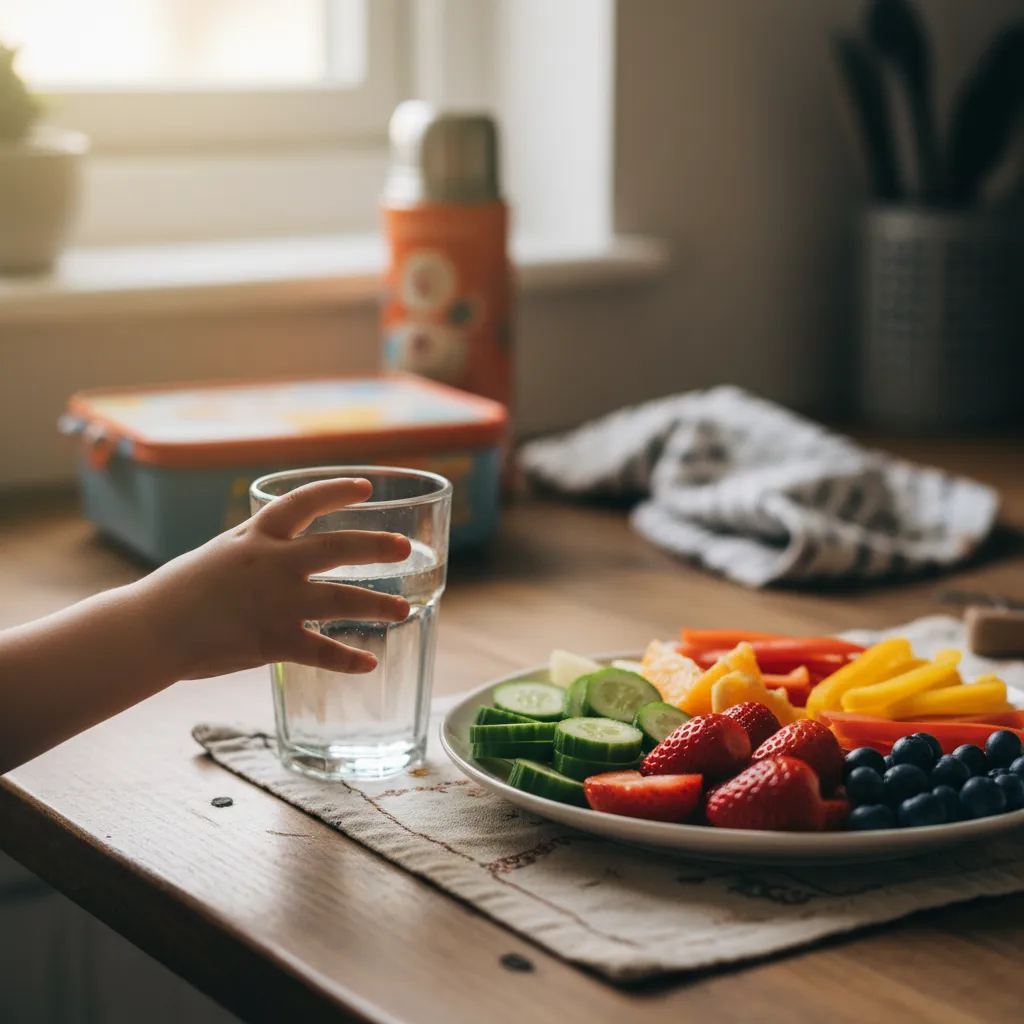
As I mentioned, foods with high water content contribute meaningfully to hydration. Soups, stews, fruits like strawberries and melon, and vegetables like cucumber and lettuce all help. Offering healthy snacks that include water-rich foods is a practical way to boost your child’s fluid intake without relying solely on drinks.
Drinks to Limit or Avoid
Many parents are surprised by how much sugar is hidden in drinks that are marketed as “healthy” or “natural” for children. In my clinic, I frequently see families who have unknowingly been giving their children significant amounts of sugar through drinks alone. The UK Soft Drinks Industry Levy has helped reduce sugar in some products, but many drinks remain problematic.
Fruit juice
Even 100% pure fruit juice contains a lot of natural sugar and virtually no fibre. The NHS recommends that if you do give fruit juice, it should be diluted at least 1 part juice to 10 parts water and limited to no more than 150 ml per day, served only at mealtimes to protect teeth. Many parents are shocked when I point out that a standard 200 ml carton of apple juice contains roughly 5 teaspoons of sugar.
Squash and cordial
Both sugar-sweetened and artificially sweetened squashes should be limited. While sugar-free versions are better for teeth, they still encourage a preference for sweet-tasting drinks, which can make it harder for children to accept plain water. If you do use squash, dilute it as much as possible.
Fizzy drinks
Carbonated drinks, whether sugary or diet, are best avoided entirely for children. They are acidic and can damage tooth enamel, and sugary versions contribute significantly to excess calorie intake. This includes cola, lemonade, energy drinks and sparkling flavoured waters with added sugar.
Energy and sports drinks
These are entirely unsuitable for children. Energy drinks contain high levels of caffeine and sugar, and sports drinks are unnecessary unless a child is engaged in prolonged, intense physical activity lasting over 60 minutes. For most children doing normal everyday physical activity, water is all they need.
Flavoured milks and smoothies
Flavoured milks, milkshakes and smoothies often contain added sugar or high levels of natural sugar. While they do provide nutrients, the sugar content means they should be treated as occasional foods rather than everyday drinks. A shop-bought smoothie can contain as much sugar as a fizzy drink. Understanding how ultra-processed food and drink affects children’s health can help you make better choices at the supermarket.
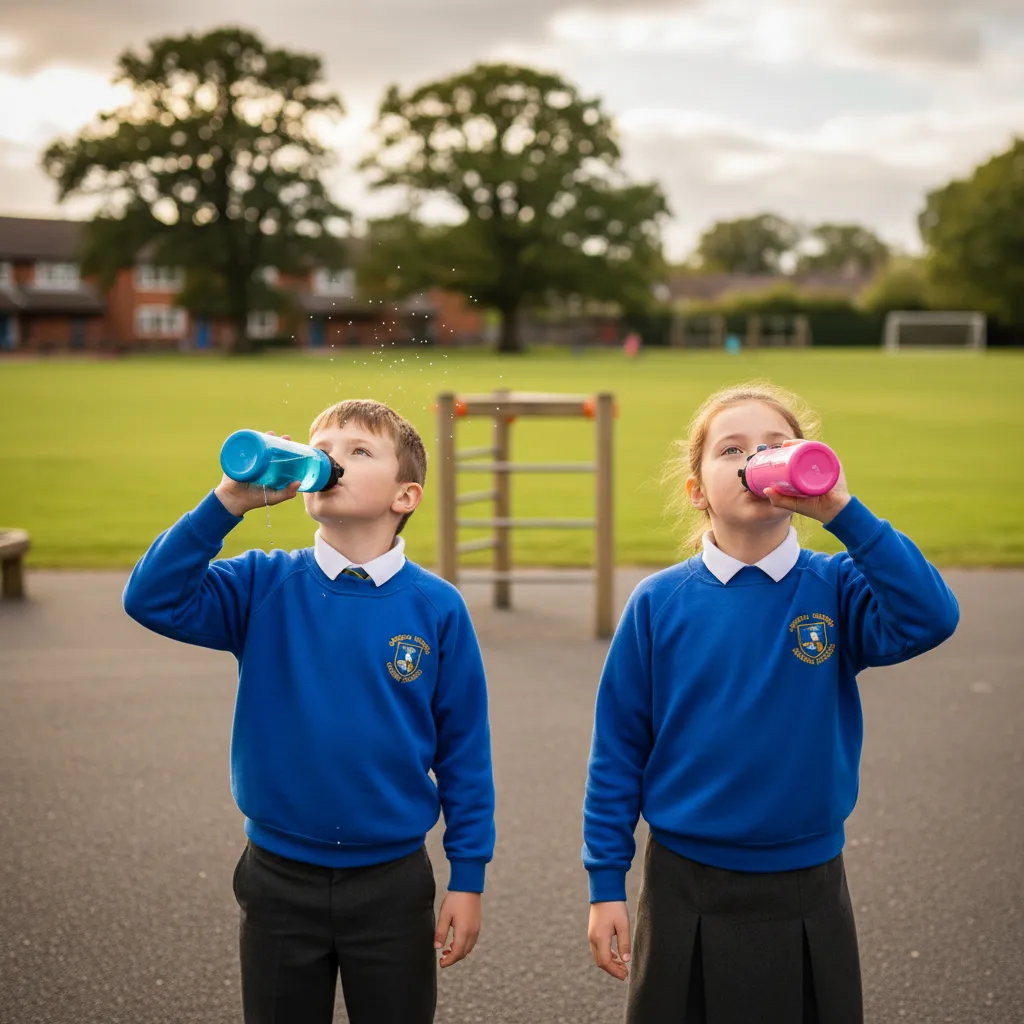
Practical Tips to Help Children Drink More Water
Getting children to drink enough water can feel like a daily battle, but in my experience, a few simple strategies can make a real difference. Here are my tried-and-tested tips from over 15 years of working with families:
1. Make water easily accessible. Keep a filled water bottle within your child’s reach at all times, whether at home, in the car or at school. Children are far more likely to drink when they do not have to ask for it. Invest in a reusable bottle with clear measurements so you can both track intake throughout the day.
2. Offer water at regular intervals. Rather than waiting for your child to ask for a drink, build water breaks into their routine: first thing in the morning, with each meal, after school, after physical activity and before bed. I recommend aiming for at least 6 to 8 opportunities to drink across the day.
3. Add natural flavour. If your child resists plain water, try adding slices of cucumber, lemon, orange, strawberry or a sprig of mint. Frozen fruit cubes can also make water more appealing. This is a much better option than reaching for squash or juice.
4. Lead by example. Children learn drinking habits from their parents. If you drink water regularly throughout the day, your child is more likely to follow suit. Make water the default drink at family mealtimes and keep a jug on the table.
5. Let them choose their own bottle or cup. Giving children some autonomy over their drinking equipment, whether it is a favourite colour, character or style of bottle, can increase their willingness to use it. For younger children, an open cup helps develop drinking skills.
6. Use visual cues. For younger children, a simple sticker chart tracking glasses of water per day can be motivating. Some families I work with use a water bottle with time markings on the side, which helps older children pace their intake across the school day.
7. Serve water-rich foods. On days when your child simply will not drink enough, compensate by offering foods with high water content at meals and snack times. Cucumber sticks, melon slices, grapes and soup are all excellent choices.
8. Avoid using sweet drinks as rewards. Offering juice or fizzy drinks as treats can create unhealthy associations and make plain water seem boring by comparison. This is particularly important when considering emotional eating patterns and reward-based food behaviours in children.
Water and Your Child’s Weight
There is a well-established link between what children drink and their weight. Sugary drinks are one of the largest single sources of added sugar in children’s diets, and they contribute calories without providing satiety, meaning children do not eat less to compensate. Research consistently shows that children who regularly consume sugary drinks are at a higher risk of overweight and obesity.
Replacing sugary drinks with water is one of the simplest and most effective changes a family can make. A study published in Pediatrics found that children who drank an extra glass of water per day consumed approximately 100 fewer calories from sugary beverages. Over time, these small changes add up significantly.
If you are concerned about your child’s weight, checking their hydration is a good starting point. Sometimes what appears to be hunger is actually thirst, and offering water before meals can help children recognise the difference. You can use a BMI calculator for children to check whether your child is in a healthy weight range, and understanding UK weight centile charts can help put the numbers in context.
Good hydration also supports better sleep quality, which in turn has a positive effect on appetite regulation and healthy weight maintenance. When children sleep well and stay hydrated, they are less likely to reach for high-calorie comfort foods during the day.
Special Circumstances: When Children Need More Water
While the daily guidelines I have outlined above are a solid starting point, there are several situations where your child will need more fluid than usual:
Hot weather
During warm summer days, children lose more water through sweat and need to increase their fluid intake. On hot days, I advise parents to offer water every 20 to 30 minutes during outdoor play, even if your child says they are not thirsty. A frozen water bottle can provide refreshment and encourage regular sipping.
Physical activity
Active children need more water to replace fluid lost through sweat. For most childhood activities, including PE lessons, playground games, swimming and after-school clubs, plain water is the best choice. Encourage your child to drink before, during and after exercise. A good rule of thumb is an extra 100 ml to 200 ml for every 30 minutes of vigorous activity.
Illness
When children have a fever, diarrhoea or vomiting, they lose fluids rapidly and are at higher risk of dehydration. During illness, offer small, frequent sips of water. For significant fluid loss, oral rehydration solutions (available from pharmacies) may be recommended by your GP. The NHS advises seeking medical help if your child shows signs of dehydration during illness.
Central heating and dry environments
During winter, central heating can dry out indoor air, and children may not feel as thirsty despite still needing adequate fluids. Maintaining regular drinking habits year-round is important, not just during warmer months.
Children with specific health needs
Some children may need more or less fluid than standard guidelines suggest. Children with certain medical conditions, those taking specific medications, or children with ADHD who may be on medication that affects appetite and thirst should have their fluid intake discussed with their GP or paediatrician. Children who experience recurrent constipation often benefit from deliberately increasing their water intake alongside dietary fibre.
Key Points to Remember
Key Points
- Offer your child 6 to 8 drinks per day, with water and plain milk as the primary choices
- Check urine colour regularly: aim for pale straw, not dark yellow
- Limit fruit juice to 150 ml per day, diluted 1:10, and only at mealtimes
- Increase fluid intake during hot weather, physical activity and illness
- Replace sugary drinks with water to reduce excess calorie intake and protect teeth
Helping your child develop good hydration habits now will benefit their health for years to come. As with so many aspects of childhood health and weight management, small, consistent changes are far more effective than dramatic overhauls. Start by making water the default drink in your home, keep it accessible, and lead by example. If you have concerns about your child’s fluid intake or hydration, speak to your GP, health visitor or a registered paediatric nutritionist for tailored advice.
Frequently Asked Questions
Is 2 litres of water a day too much for a child?
For most children under 13, 2 litres per day would exceed the recommended guidelines. Children aged 4 to 8 need approximately 1,100 ml to 1,200 ml of total fluid, while 9 to 13 year olds need around 1,300 ml to 1,700 ml depending on sex. Teenagers aged 14 to 18 can safely approach 2 litres. Drinking excessively large amounts of water in a short period is not advisable as it can, in rare cases, lead to a condition called hyponatraemia, where sodium levels in the blood become dangerously low. As a general rule, encourage regular, moderate drinking throughout the day rather than large volumes at once.
The NHS recommends that children aged 4 to 13 drink approximately 6 to 8 glasses of fluid per day, with water and plain milk being the best choices. The NHS does not specify an exact millilitre target for each age group but endorses the European Food Safety Authority guidelines. The key NHS messages are to make water the primary drink, limit sugary drinks, dilute fruit juice if given, and ensure children drink regularly throughout the day, not just when they feel thirsty.How much water should a child drink according to the NHS?
While rare, it is possible for a child to drink too much water. Excessive water intake over a short period can dilute sodium levels in the blood, a condition known as water intoxication or hyponatraemia. Symptoms include nausea, headache, confusion and, in severe cases, seizures. This is extremely uncommon in healthy children who drink at a normal pace. If your child suddenly starts drinking much more than usual or seems excessively thirsty, it is worth discussing with your GP, as increased thirst can occasionally be a sign of an underlying medical condition such as diabetes.Can my child drink too much water?
Yes, milk absolutely counts towards your child’s daily fluid intake. In fact, milk is an excellent choice because it provides hydration alongside essential nutrients including calcium, protein and B vitamins. For children aged 1 to 2, whole milk is recommended, and semi-skimmed can be introduced from age 2. I recommend around 300 ml to 400 ml of plain milk per day. However, too much milk can fill children up and reduce their appetite for solid foods, so balance is important.Does milk count towards my child’s daily fluid intake?
The easiest way to check your child’s hydration is by looking at their urine colour. Pale straw-coloured urine indicates good hydration, while dark yellow or amber urine suggests they need more fluids. Other signs of adequate hydration include moist lips, regular toilet visits (at least 4 to 6 times per day), good energy levels and normal concentration. If your child frequently complains of headaches, feels tired in the afternoon or has dry lips, increasing their water intake is a sensible first step.How can I tell if my child is drinking enough water?
A small drink of water before bed is perfectly fine and can help prevent your child waking up thirsty during the night. However, avoid giving large amounts of fluid in the hour before bedtime, particularly for younger children or those who are still working on nighttime dryness, as this can increase the likelihood of bedwetting. Aim for the majority of your child’s fluid intake to be spread throughout the daytime hours, with smaller amounts in the evening.Should I give my child water before bed?