Key Takeaways
- The UK Soft Drinks Industry Levy, commonly known as the sugar tax, has been in effect since April 2018 and applies to manufacturers and importers of sugary drinks
- The levy operates on a two-tier system: 18p per litre for drinks containing 5-8g of sugar per 100ml, and 24p per litre for drinks with more than 8g per 100ml
- Since its announcement, the sugar content in soft drinks fell by nearly 46% as manufacturers reformulated their recipes ahead of the levy taking effect
- Children aged 4-10 in England consumed 4.8 fewer grams of sugar per day from soft drinks after the levy was introduced, according to research published in the BMJ
- Revenue raised by the sugar tax, initially estimated at £240 million per year, has been allocated to fund school sports programmes and breakfast clubs in England
- The levy does not apply to pure fruit juices, milk-based drinks with high calcium content, or drinks sold as powder, though these can still contain significant amounts of sugar
In This Article
- What Is the Sugar Tax? Understanding the UK Soft Drinks Industry Levy
- Why Was the Sugar Tax Introduced?
- How the Sugar Tax Works: The Two-Tier System
- What Impact Has the Sugar Tax Had on Children’s Health?
- How Manufacturers Responded to the Levy
- What the Sugar Tax Means for Parents and Families
- Sugar Tax, School Food and the Wider Policy Picture
- Looking Ahead: Could the Sugar Tax Go Further?
What Is the Sugar Tax? Understanding the UK Soft Drinks Industry Levy
As a paediatric nutritionist who has spent the past fifteen years working with families across Bristol and the wider South West, I have seen first-hand the damage that excessive sugar consumption can do to children’s health. From tooth decay in toddlers to weight gain in teenagers, sugary drinks have long been one of the biggest dietary concerns I discuss in clinic. That is why the introduction of the sugar tax UK soft drinks levy, officially called the Soft Drinks Industry Levy (SDIL), was such a significant moment in public health.
The sugar tax came into force on 6 April 2018, making the UK one of the first major economies to tax sugar in beverages. Rather than taxing consumers directly at the checkout, the levy is charged to manufacturers and importers of soft drinks that contain added sugar above certain thresholds. The intention behind this design was clear: encourage the drinks industry to reformulate their products so that they contain less sugar in the first place, rather than simply making families pay more at the till.
In my experience, many parents I see in clinic initially confused the sugar tax with a general price increase on all sweet food and drink. It is important to understand that the SDIL applies specifically to pre-packaged soft drinks with added sugar. It does not cover pure fruit juices (though these still contain natural sugars), milk-based drinks with a high calcium content, or alcoholic beverages. Understanding what the levy does and does not cover helps parents make more informed choices about the drinks they offer their children.
Why Was the Sugar Tax Introduced?
The case for the sugar tax was built on decades of growing concern about childhood obesity in the UK. When then-Chancellor George Osborne announced the levy in the March 2016 Budget, the statistics were stark. Data from the National Child Measurement Programme (NCMP) showed that roughly one in five children in Reception (aged 4-5) was overweight or living with obesity, and by Year 6 (aged 10-11) this figure rose to approximately one in three.
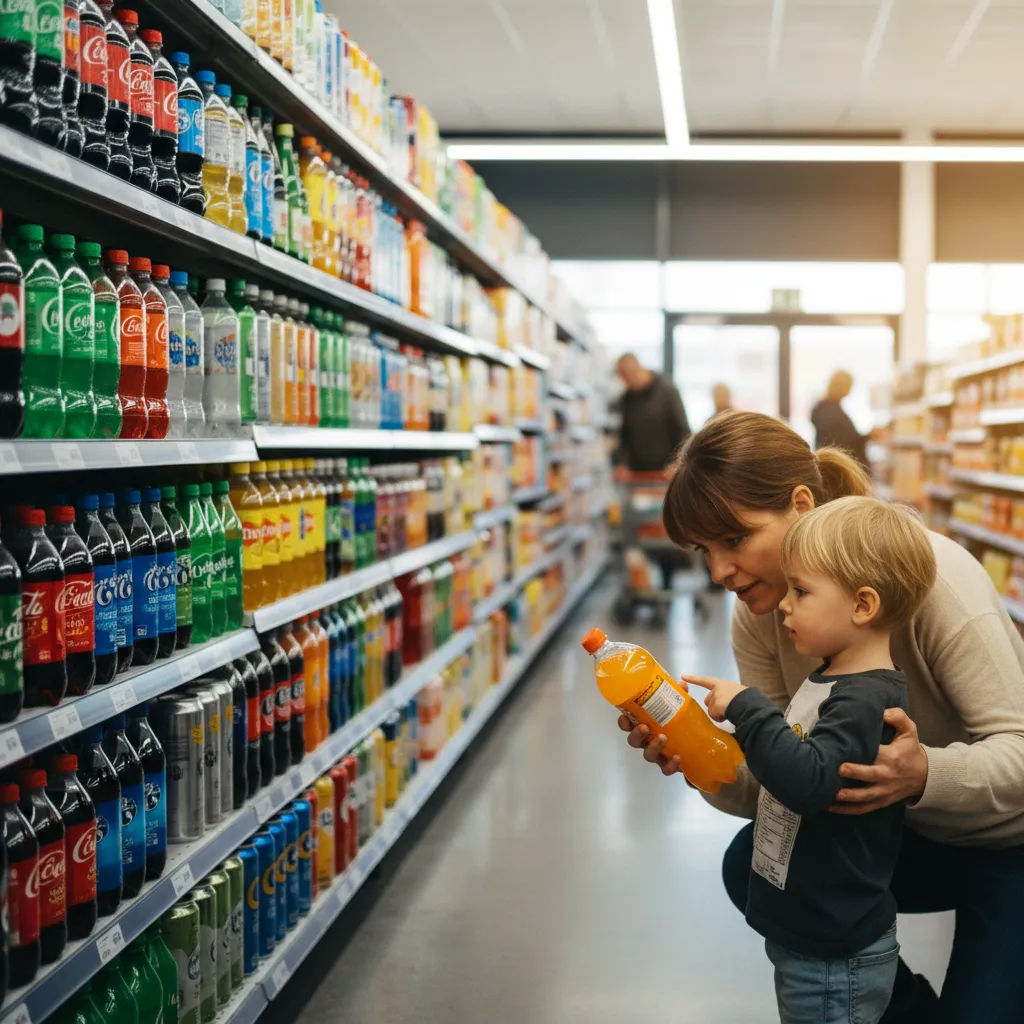
Sugary drinks were singled out for several evidence-based reasons. Unlike sugary foods, liquid sugar does not trigger the same feeling of fullness, which means children can consume very large amounts of sugar without their appetite adjusting. A single 500ml bottle of a full-sugar cola, for example, can contain over 50 grams of sugar, more than double the maximum daily recommendation for a child aged 7-10. Public Health England’s research showed that sugary drinks were the single largest source of dietary sugar for children aged 11-18, contributing around 29% of their total free sugar intake.
There was also strong evidence from other countries. Mexico introduced a tax on sugary drinks in 2014 and saw a measurable reduction in purchases, particularly among lower-income households who were most affected by diet-related health conditions. Academic research, including work from the University of Cambridge and the London School of Hygiene and Tropical Medicine, supported the idea that a fiscal approach could meaningfully shift both industry behaviour and consumer choices.
Beyond obesity, excessive sugar intake in childhood is linked to poor digestive health, type 2 diabetes, and significant dental problems. In England, tooth extraction due to decay remains the most common reason for hospital admission among children aged 6-10. Many of the families I work with are surprised to learn just how much sugar is hidden in drinks their children consume daily.
How the Sugar Tax Works: The Two-Tier System
The Soft Drinks Industry Levy uses a two-tier structure based on the amount of total sugar per 100 millilitres of drink. This graduated approach was deliberate: it gives manufacturers a financial incentive to reduce sugar content, even if they cannot eliminate it entirely.
| Sugar Content per 100ml | Levy Rate (per litre) | Example Drinks (pre-levy formulations) |
|---|---|---|
| Less than 5g | No levy charged | Diet and zero-sugar drinks, plain water, unsweetened sparkling water |
| 5g to 8g (lower tier) | 18p per litre | Some flavoured waters, certain juice drinks, lower-sugar squashes |
| More than 8g (higher tier) | 24p per litre | Original Coca-Cola, Pepsi, Lucozade Energy (pre-reformulation), Old Jamaica Ginger Beer |
The levy is paid by the manufacturer or importer, not directly by the consumer. However, companies can choose whether to absorb the cost, pass it on through higher prices, or reformulate their drinks to fall below the thresholds. In practice, the overwhelming response from the industry was to reformulate, which is exactly what the policy was designed to achieve.
There are a number of exemptions to the levy. Small producers (those producing fewer than one million litres per year) are not required to pay, and certain categories of drink are excluded entirely:
- Pure fruit juices with no added sugar (though these can contain high levels of natural fructose)
- Milk-based drinks where milk makes up at least 75% of the product and the drink contains a minimum level of calcium
- Drink powders and concentrates that are not ready to drink (though the prepared drink may still be high in sugar)
- Alcoholic drinks with an alcohol content above 1.2%
- Drinks sold for medical or infant formula purposes
I often remind parents in my consultations that an exemption from the levy does not mean a drink is healthy. A glass of pure apple juice, for instance, can contain just as much sugar as a fizzy drink, gram for gram. The NHS recommends limiting pure fruit juice to no more than 150ml per day for children, ideally served with a meal to reduce the impact on teeth.

What Impact Has the Sugar Tax Had on Children’s Health?
The evidence gathered since 2018 paints a broadly positive picture, though it is important to recognise that the sugar tax is just one piece of a much larger puzzle. Research published in The BMJ in 2021 found that the announcement and introduction of the SDIL was associated with a significant reduction in the sugar content of soft drinks available in the UK market.
One of the most striking findings is the scale of reformulation. A study by researchers at the University of Oxford found that the proportion of drinks exceeding the higher levy threshold (more than 8g of sugar per 100ml) fell from 49% in September 2015 to just 15% by February 2019. This means that even children who continued to drink soft drinks were consuming considerably less sugar per serving than they would have done before the levy.
In terms of direct health impacts, the picture is still developing. However, there are encouraging early signs:
- Sugar intake from soft drinks: Data from the National Diet and Nutrition Survey showed a meaningful reduction in sugar consumed from soft drinks among children, with the largest decreases seen in the 11-18 age group
- Childhood obesity rates: A study published in PLOS Medicine in 2023 estimated that the SDIL prevented approximately 5,000 cases of obesity per year among Year 6 girls, though the effect was less clear for boys and younger children
- Dental health: Early data suggests a reduction in hospital admissions for tooth extractions among younger children, though multiple factors are likely contributing to this trend
It is worth noting that the determinants of childhood overweight are complex and extend well beyond sugary drinks. Physical activity levels, ultra-processed food consumption, socioeconomic factors, and family eating patterns all play important roles. The sugar tax was never intended as a silver bullet; rather, it was designed as one component of a comprehensive strategy.
How Manufacturers Responded to the Levy
The response from the soft drinks industry has been one of the most remarkable aspects of the sugar tax story. When the levy was announced in March 2016, companies had two full years before it came into effect to reformulate their products. Many seized this opportunity.
Lucozade Ribena Suntory was among the first major companies to reformulate, reducing the sugar in Lucozade Energy from 13g per 100ml to 4.5g per 100ml, a reduction of roughly 65%. Ribena was similarly reformulated. Irn-Bru, one of Scotland’s most iconic soft drinks, reduced its sugar content by around 50%, prompting a vocal public campaign from fans who preferred the original recipe.
Other manufacturers took a different approach. Coca-Cola chose not to reformulate its classic recipe, instead absorbing the levy cost for its original product while heavily promoting its zero-sugar and diet alternatives. The company invested significantly in marketing Coca-Cola Zero Sugar, which has since overtaken Diet Coke in UK sales. By contrast, smaller brands and own-label products reformulated almost universally, as the levy represented a more significant proportion of their product costs.
The reformulation wave also prompted innovation. Many companies turned to natural sweeteners such as stevia and erythritol as partial sugar replacements. While these are approved as safe by the European Food Safety Authority and the UK’s Food Standards Agency, some parents I work with have expressed concerns about their children consuming artificial or novel sweeteners. I generally advise families that water, plain milk, and small amounts of well-diluted squash remain the best everyday drink choices for children, regardless of whether a product has been reformulated.
Industry data from the British Soft Drinks Association showed that between 2015 and 2022, the average sugar content of soft drinks in the UK fell by over 46%. This level of reformulation far exceeded what many public health experts had predicted when the policy was first announced. It demonstrates that fiscal measures can drive genuine changes in the food and drink industry, which is encouraging for those of us who advocate for further policy action to protect children’s health.
What the Sugar Tax Means for Parents and Families
For the families I work with in Bristol and across the South West, the practical impact of the sugar tax has been felt in several ways. The most immediate change is that many of the popular soft drinks their children used to consume now contain significantly less sugar than they did before 2018. In many cases, children have not even noticed the difference, which speaks to how gradually and carefully manufacturers managed the reformulation process.
However, the sugar tax has not eliminated the problem of excessive sugar in children’s diets. There are several areas where I encourage parents to remain vigilant:
Drinks that fall outside the levy. Pure fruit juices, smoothies, milkshakes from cafés and restaurants, and hot chocolate drinks are not covered by the SDIL. A large takeaway milkshake can contain over 70 grams of sugar, far exceeding the recommended maximum for an entire day. Similarly, some parents assume that “natural” fruit juices are a healthy unlimited option, when in reality they should be limited and ideally eaten as whole fruit instead.
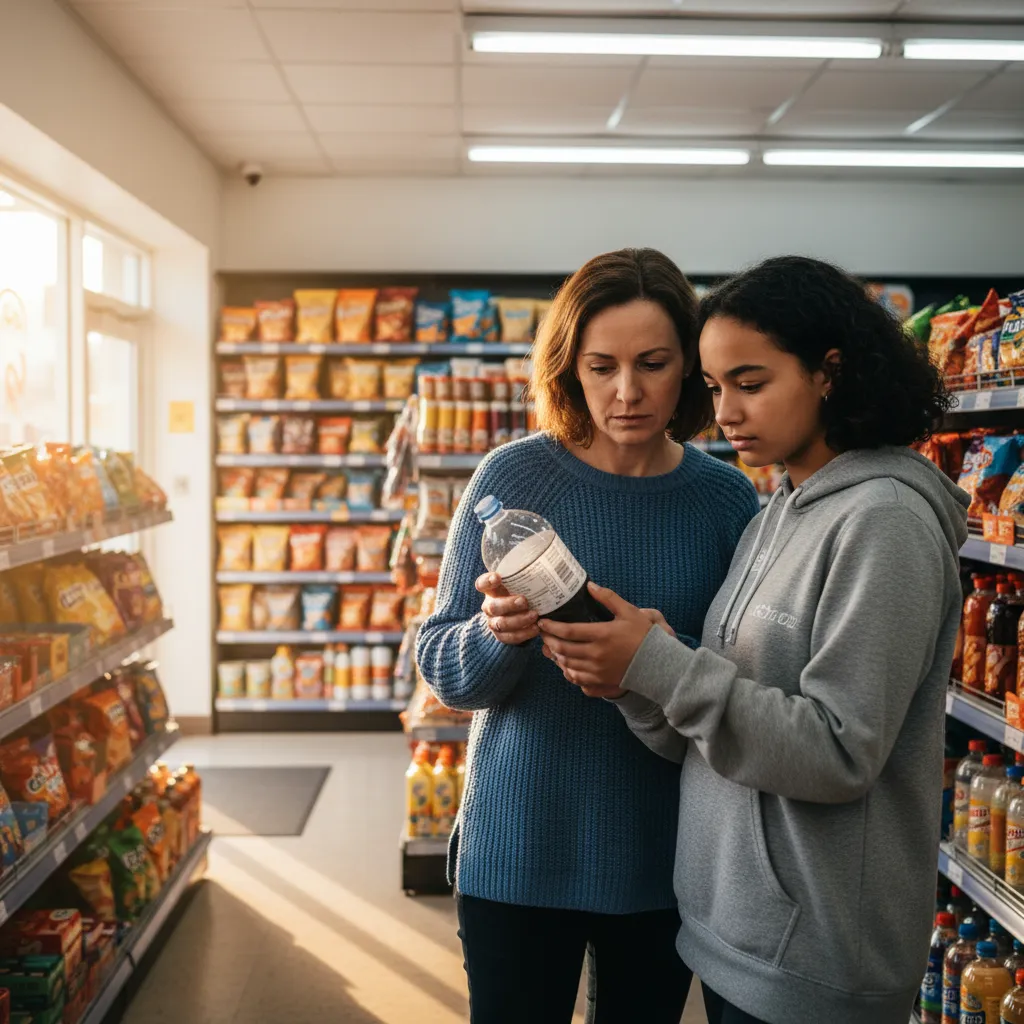
The sugar in food rather than drinks. While the levy targets soft drinks specifically, children consume the majority of their free sugar through foods, including biscuits, cakes, cereals, and snacks. I always remind parents that tackling sugary drinks is excellent, but it needs to sit alongside a broader awareness of sugar across the whole diet. Checking labels for sugar content and opting for lower-sugar alternatives at the supermarket makes a genuine difference.
Portion sizes and frequency. Even reformulated drinks still contain sugar. A child who drinks three or four reduced-sugar squashes per day is still consuming a meaningful amount. Water should always be the primary drink for children, with milk offered at mealtimes and sugary drinks reserved for occasional treats.
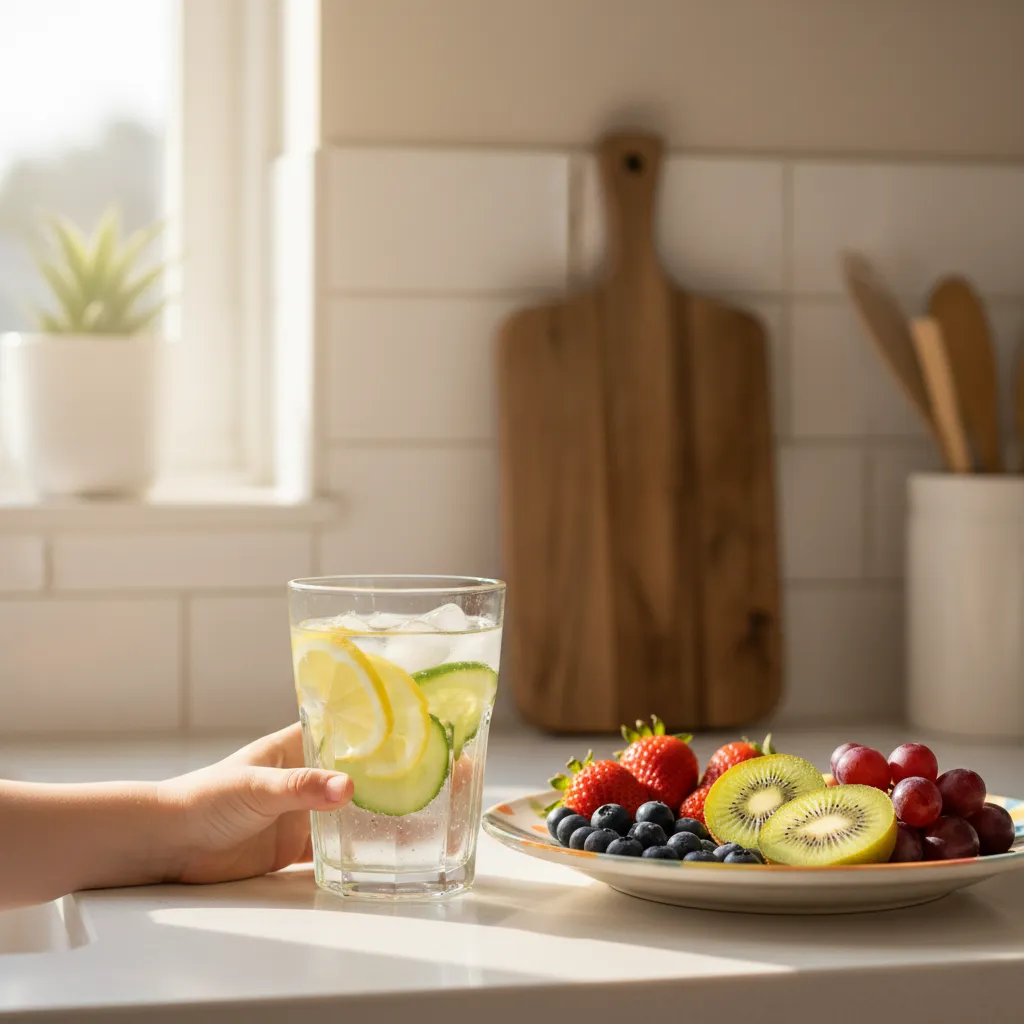
I find that many parents feel overwhelmed by conflicting advice about what their children should and should not drink. My practical recommendation is straightforward: make water the default, keep a jug in the fridge if your children prefer cold drinks, and if you do buy squash or juice, always check the label and choose options with no added sugar. For more information about healthy growth in children, understanding what is typical for your child’s age can help put sugar intake into a broader nutritional context.
Sugar Tax, School Food and the Wider Policy Picture
One of the most positive aspects of the UK sugar tax is how the revenue has been directed. The government initially committed the levy’s revenue to funding school sports programmes, healthy breakfast clubs, and initiatives to improve children’s physical activity. This created a virtuous circle: reducing sugar in drinks while simultaneously investing in children’s health and wellbeing at school.
In practice, the revenue allocation has funded several important programmes:
- The PE and Sport Premium: Additional funding for primary schools to improve the quality of PE and sport provision. Schools use this for equipment, specialist coaching, active play initiatives, and after-school clubs
- The National School Breakfast Programme: Funding to provide free healthy breakfasts to children in schools in the most disadvantaged areas of England, ensuring pupils start the day with adequate nutrition
- Holiday Activities and Food Programme: Supporting free holiday clubs offering healthy food and enriching activities during school holidays, addressing the risk of “holiday hunger” in low-income families
The sugar tax also sits within a broader landscape of school food policy in the UK. The School Food Standards, which have been mandatory for all maintained schools since 2015, already restrict the sale of sugary drinks on school premises. Under these standards, the only drinks that can be sold or served in schools are water, plain milk, pure fruit juice (limited to 150ml), and a restricted range of other drinks. The sugar tax reinforces this approach by ensuring that the products children access outside of school are also lower in sugar than they once were.
However, there are gaps in the policy framework. Academy schools and free schools are not always required to follow the same food standards, though many do voluntarily. Vending machines and tuck shops in some secondary schools still offer products that, while compliant with the levy, may not represent the healthiest choices. I would like to see more consistency in how food and drink policies are applied across all school settings, ensuring that every child benefits from the same protections.
From a broader public health perspective, the sugar tax has been viewed by organisations such as the Office for Health Improvement and Disparities (formerly Public Health England) as a model for how fiscal policy can complement other interventions. The success of the SDIL has strengthened the case for extending similar approaches to other categories of unhealthy food and drink, a topic I will explore in the next section.
Looking Ahead: Could the Sugar Tax Go Further?
The question I am asked most frequently by parents and fellow healthcare professionals is whether the sugar tax will be extended or strengthened. It is a fair question. While the SDIL has achieved impressive results within its scope, many experts, myself included, believe there is a strong case for broadening the approach.
Several potential extensions have been discussed in public health circles:
Extending the levy to milkshakes and milk-based drinks. Currently, milk-based drinks are exempt if they meet certain calcium thresholds. However, some flavoured milk drinks and takeaway milkshakes contain extraordinarily high levels of sugar. A report by Action on Sugar found that some high-street milkshakes contained over 39 teaspoons of sugar in a single serving. Removing or tightening this exemption could drive reformulation in another category of drinks popular with children and teenagers.
Applying fiscal measures to sugary foods. Biscuits, cakes, confectionery, and sweetened cereals contribute far more total sugar to children’s diets than soft drinks alone. While taxing food is more politically complex than taxing drinks, the principle that fiscal incentives can drive reformulation has been clearly demonstrated. Some researchers have proposed a graduated approach similar to the SDIL, targeting the most ultra-processed categories first.
Increasing the levy rates or lowering the thresholds. The current rates have not been increased since 2018. Adjusting them upward, or lowering the 5g per 100ml threshold at which the levy kicks in, could encourage further reformulation among drinks that currently sit just below the lower tier.
Restricting advertising of high-sugar products to children. While not a fiscal measure, advertising restrictions work alongside the sugar tax to reduce children’s exposure to and desire for sugary products. The UK government introduced restrictions on television advertising of products high in fat, sugar, or salt before 9pm, and online advertising restrictions have also been implemented. These measures complement the sugar tax by addressing demand as well as supply.
International comparisons offer useful insights. Countries such as Hungary, Chile, and South Africa have implemented broader food taxes with varying degrees of success. The UK’s approach of targeting a specific category and using a graduated threshold system has been widely praised by the World Health Organisation and cited as a model for other nations. There is genuine momentum behind the idea that the UK could build on this success.
For parents who want to understand how their child’s weight and growth fits into the bigger picture, tools like the NHS BMI calculator and resources explaining growth centile charts can be very helpful alongside dietary changes.
Key Points
- Check the sugar content on drink labels, even for “reduced sugar” or reformulated products, and aim for options with less than 5g of sugar per 100ml
- Make water the default drink for your children at home and pack a refillable water bottle for school every day
- Limit pure fruit juice to no more than 150ml per day, served with meals, and encourage whole fruit instead
- Be aware that the sugar tax does not cover milkshakes, hot chocolate, or café drinks, which can contain extremely high sugar levels
- Take advantage of sugar tax-funded programmes like school breakfast clubs and holiday activity schemes if they are available in your area
Frequently Asked Questions
What is the sugar tax and when did it start in the UK?
The sugar tax, officially called the Soft Drinks Industry Levy (SDIL), is a tax on manufacturers and importers of soft drinks that contain added sugar above set thresholds. It came into effect on 6 April 2018. The levy charges 18p per litre for drinks with 5-8g of sugar per 100ml and 24p per litre for drinks with more than 8g of sugar per 100ml. It was designed to encourage the drinks industry to reduce sugar content rather than simply increasing prices for consumers.
No, the sugar tax applies specifically to pre-packaged soft drinks with added sugar. It does not cover pure fruit juices with no added sugar, milk-based drinks that meet certain calcium thresholds, alcoholic beverages, drink powders and concentrates, or drinks for medical purposes and infant formula. This means that some high-sugar drinks, such as takeaway milkshakes and flavoured milk drinks, are currently exempt from the levy even though they may contain very high levels of sugar.Does the sugar tax apply to all sugary drinks?
The evidence so far is encouraging but nuanced. Research published in PLOS Medicine estimated that the sugar tax prevented approximately 5,000 cases of obesity per year among Year 6 girls. The sugar content of soft drinks in the UK has fallen by over 46% since the levy was announced, and children’s sugar intake from soft drinks has decreased meaningfully. However, childhood obesity is influenced by many factors beyond sugary drinks, including emotional eating patterns, physical activity levels, and overall diet quality. The sugar tax is one important tool among many.Has the sugar tax actually reduced childhood obesity?
The levy is charged to manufacturers and importers, not directly to consumers. In practice, some companies have passed a portion of the cost on through slightly higher prices for full-sugar drinks, while others have absorbed it. However, the main impact has been widespread reformulation: most drinks now contain less sugar than they did before 2018, meaning families are getting lower-sugar products at similar prices. Many popular brands reformulated to fall below the levy thresholds entirely, so no additional cost applies to those products at all.Do parents pay more for drinks because of the sugar tax?
Water should always be a child’s primary drink. Plain milk (semi-skimmed from age two, or whole milk for younger children) is also an excellent choice as it provides calcium and protein. If your child enjoys flavoured drinks, choose no-added-sugar squash and dilute it well. Pure fruit juice should be limited to 150ml per day and served with meals. Avoid energy drinks entirely for children, as they often contain high levels of both sugar and caffeine. Making water readily available and appealing, for example by keeping a jug chilled in the fridge or adding slices of cucumber or lemon, can help children develop healthy hydration habits that last a lifetime.What should my child drink instead of sugary soft drinks?
Revenue from the Soft Drinks Industry Levy is directed to programmes that benefit children’s health, including the PE and Sport Premium for primary schools, the National School Breakfast Programme, and the Holiday Activities and Food Programme. These initiatives support physical activity provision, ensure children in disadvantaged areas have access to healthy breakfasts, and provide free holiday clubs with nutritious meals. The actual revenue collected has been lower than originally forecast because so many manufacturers reformulated their products to fall below the levy thresholds, which is considered a success in public health terms.Where does the money from the sugar tax go?
This is an active area of discussion among public health experts and policymakers. While there is no current legislation to extend the levy to food products, many organisations including the government’s own obesity strategy documents have acknowledged the potential for broader fiscal measures. The success of the SDIL in driving reformulation of soft drinks has strengthened the case for applying similar principles to categories such as confectionery, sweetened cereals, and ultra-processed foods. However, taxing food is considerably more complex politically and practically than taxing drinks.Could the sugar tax be extended to cover sweets, biscuits, or other sugary foods?