
Key Takeaways
- Children aged 5 to 18 need at least 60 minutes of moderate-to-vigorous physical activity every day, yet only around 47% of UK children currently meet this target
- Active play burns up to 600 calories per hour in older children, compared to just 60 calories per hour of sedentary screen time
- Unstructured, playful movement is just as valuable as organised sport, and children who enjoy activity are more likely to stay active into adulthood
- Even short 10-minute bursts of activity throughout the day count towards the daily total and can improve concentration at school
- Family-based active play strengthens emotional bonds and mental wellbeing alongside physical health
- Replacing just 30 minutes of daily screen time with active play can significantly reduce a child’s risk of developing an unhealthy weight
In This Article
- Why Children Need to Move More (and Why It Matters)
- How Much Activity Do Children Actually Need?
- Fun Indoor Activities That Get Children Moving
- Outdoor Games and Adventures for Every Age
- Making Active Play a Family Habit
- Using Screens and Technology to Encourage Movement
- Seasonal and Weather-Proof Activity Ideas
- When to Be Concerned About Your Child’s Activity Levels
As a paediatric nutritionist, I spend a great deal of my time talking with parents about food. But here is something I always stress in clinic: nutrition and physical activity are two sides of the same coin when it comes to a child’s healthy weight and overall wellbeing. Over my 15 years working across the NHS and private practice in Bristol, I have seen first-hand how finding fun ways to keep children active can transform not just their physical health, but their confidence, sleep, mood, and even their appetite for nutritious food.
The trouble is, many children today associate “exercise” with something boring, compulsory, or uncomfortable. The good news? It does not have to be that way. Children are naturally wired to move, jump, climb, and play. Our job as parents and carers is simply to create the right opportunities and step back. In this guide, I will share practical, evidence-based ideas that make movement feel like fun rather than a chore.
Why Children Need to Move More (and Why It Matters)
The statistics paint a concerning picture. According to the Health Survey for England, only around 47% of children aged 5 to 15 meet the recommended daily activity guidelines. Meanwhile, childhood obesity rates remain stubbornly high, with the National Child Measurement Programme (NCMP) showing that roughly one in five children in Reception and over one in three in Year 6 are living with overweight or obesity.
Physical activity is not just about weight management, though that is certainly part of the picture. Regular movement supports healthy bone and muscle development, improves cardiovascular fitness, boosts mental health, and helps children concentrate better at school. I often explain to parents that a child who moves more tends to eat better too. Active children develop healthier appetites and are more inclined to reach for nutritious snacks rather than relying on sugary or ultra-processed foods for quick energy.
There is also a strong link between physical activity and emotional wellbeing. Children who are regularly active tend to have lower levels of anxiety and depression, better self-esteem, and stronger social skills. If you have ever noticed your child sleeping better after a day of running about in the park, that is the science at work.
How Much Activity Do Children Actually Need?
The UK Chief Medical Officers’ guidelines are clear on what children need at different ages. Here is a quick breakdown that I regularly share with families in clinic:
| Age Group | Daily Activity Recommendation | Key Types of Activity |
|---|---|---|
| Under 1 year | Tummy time and floor-based play several times a day | Reaching, grasping, crawling, rolling |
| 1 to 4 years | At least 180 minutes spread throughout the day | Active play, walking, climbing, dancing |
| 5 to 18 years | At least 60 minutes of moderate-to-vigorous activity daily | Running, cycling, swimming, active games, plus bone-strengthening activities 3 times per week |
It is worth noting that the 60 minutes for school-age children does not need to happen all at once. Short bursts of 10 to 15 minutes scattered throughout the day are perfectly valid, and often more realistic for busy families. A brisk walk to school, a game of tag at break time, and a dance session before tea all count.
For toddlers and pre-schoolers, the 180-minute target sounds high, but remember that this includes all forms of movement, from toddling around the house to splashing in puddles. If your little one is on their feet and moving, it counts. If you are wondering whether your child’s weight is within a healthy range alongside their activity levels, our guide on average weight and height for children by age can help you understand the benchmarks.
Fun Indoor Activities That Get Children Moving
British weather being what it is, indoor activity ideas are essential. I always tell parents: you do not need a garden or a gym to get children moving. Some of the most active play happens right in your living room.
For toddlers and pre-schoolers (1 to 4 years)
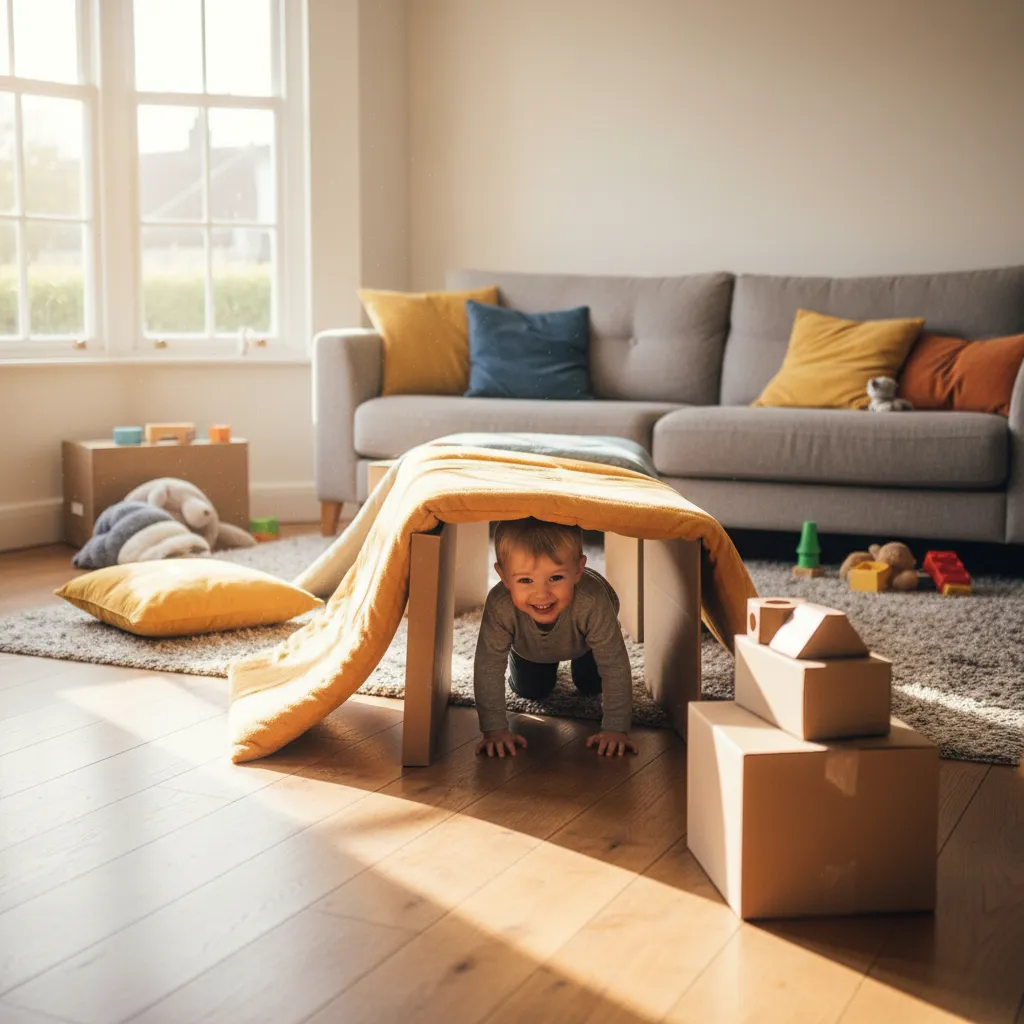
- Obstacle courses: Use sofa cushions, cardboard boxes, blankets, and laundry baskets to create a mini adventure course. Crawl under tables, climb over cushion “mountains”, and balance along a line of masking tape on the floor.
- Dance parties: Put on some music and let loose. Toddlers adore copying dance moves, and it is a wonderful way to develop coordination. Try freeze dance, where everyone stops when the music pauses.
- Balloon keepy-uppy: A simple balloon provides endless entertainment. The slow movement of a balloon makes it ideal for small hands learning to bat and catch.
- Animal walks: Ask your child to move like a frog (jumping), crab (sideways walking), bear (on all fours), or flamingo (balancing on one leg). It builds strength and balance while sparking imagination.
For school-age children (5 to 12 years)
- Indoor treasure hunts: Write clues that send children running between rooms. Add physical challenges at each station: do five star jumps before you can read the next clue.
- Yoga and stretching: Child-friendly yoga videos are widely available and teach flexibility, balance, and body awareness. Many children find the animal-themed poses particularly engaging.
- Nerf wars and soft-ball dodging: Safe indoor projectile games get hearts racing and develop agility and reaction time.
- Building dens: The process of carrying blankets, chairs, and pillows around the house is surprisingly physical. Once built, the den becomes a reward in itself.
For teenagers (13 to 18 years)
- Home workout challenges: Many teenagers respond well to app-based fitness challenges or short YouTube workout routines. The social element of sharing progress with friends can be motivating.
- Dancing: Whether it is learning routines from social media or simply turning up the music, dancing is one of the most effective forms of cardio and teenagers often enjoy it more than traditional exercise.
- Household tasks as movement: Vacuuming, mopping, carrying shopping, and tidying bedrooms all count as physical activity. Frame it as contributing to the household rather than a chore.
Outdoor Games and Adventures for Every Age
There is something about being outdoors that naturally encourages children to move more freely and energetically. The key is making outdoor time feel like an adventure rather than a forced march.
Classic games that never get old
Some of the best outdoor activities require nothing more than a bit of space and enthusiasm. Tag, hide and seek, British bulldog, hopscotch, and skipping have kept children active for generations, and they work just as well today. These games develop speed, agility, spatial awareness, and social skills all at once.
Nature-based adventures
Nature walks become far more engaging when you add a purpose. Try a scavenger hunt where children collect items from a checklist: a feather, a smooth stone, something red, a leaf bigger than their hand. Geocaching, the real-world treasure hunting game using GPS, is another brilliant option for older children and teenagers. Many UK parks and woodlands have geocaches hidden for families to find.
Pond dipping, bug hunting, den building in the woods, and climbing trees are all forms of vigorous physical activity that children rarely recognise as exercise. They are simply having fun. I have had parents tell me their child, who normally refuses to walk for more than five minutes, happily spent two hours scrambling through woodland looking for minibeasts.
Wheels and water
Cycling, scooting, skateboarding, and rollerblading are fantastic ways to build cardiovascular fitness and leg strength. Many communities have free skate parks and cycling paths. Swimming, whether at the local leisure centre or a safe outdoor spot in summer, provides a full-body workout that is gentle on growing joints.
For families concerned about their child’s weight, activities like swimming and cycling can feel less intimidating than team sports. They allow children to progress at their own pace without the perceived pressure of competition. If you are navigating concerns about your child’s weight, our article on signs your child may be overweight offers sensitive, practical guidance.
Making Active Play a Family Habit
In my experience, the single most powerful predictor of an active child is an active family. Children mirror what they see. If parents and carers prioritise movement and make it part of daily life, children follow naturally.
Practical strategies that work
- Walk the school run: If distance allows, walking or cycling to school is one of the simplest ways to build daily activity into your routine. Even parking a few streets away and walking the last stretch helps.
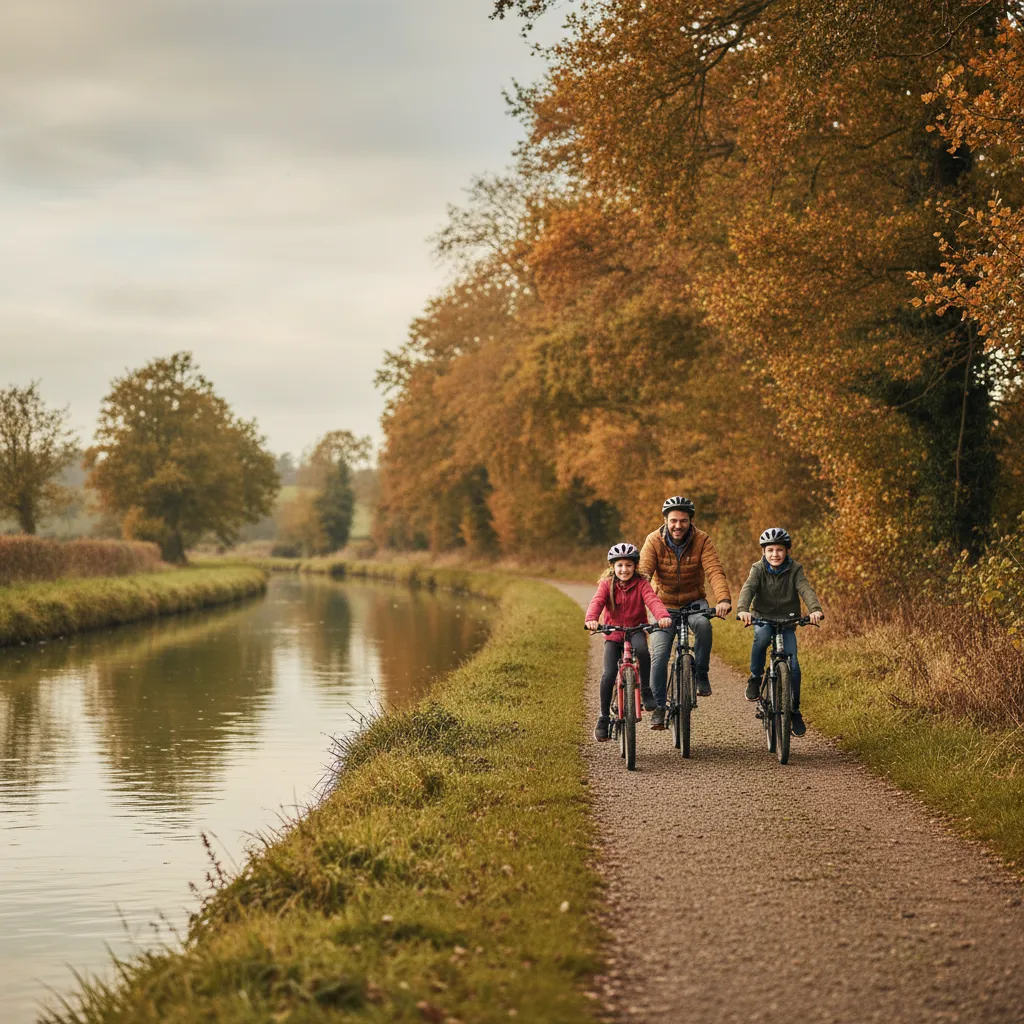
- Active weekends: Plan one active family outing each weekend. It does not need to be elaborate: a trip to the park, a bike ride along a canal path, or a walk on the beach all qualify.
- After-dinner movement: Instead of collapsing on the sofa straight after tea, try a short family walk around the block, a kickabout in the garden, or even just 10 minutes of active play. This also supports healthy digestion in children.
- Join in: When your child asks you to play, say yes as often as you can. Kicking a ball, playing catch, having a race down the garden: your participation shows them that movement is enjoyable at any age.
- Limit sedentary time: The Royal College of Paediatrics and Child Health recommends that screen-based activities should not displace sleep, physical activity, or family time. Setting reasonable boundaries around screens creates natural space for active play.
I often see families where emotional eating patterns develop partly because food becomes the default reward or comfort activity. Building active play into your family culture gives children alternative ways to manage boredom, stress, and low mood, which supports both their physical and emotional health.

Making it social
Children are social creatures, and activity is nearly always more appealing with friends. Arrange playdates in the park rather than at home. Encourage your child to try a community sports club, dance class, martial arts group, or Scouts and Guides. The social motivation often keeps children engaged long after the initial novelty of a new activity has worn off.
For younger children, groups like Parkrun Junior (2km for 4 to 14 year olds, free every Sunday) offer a wonderful combination of physical activity, community spirit, and achievement without any competitive pressure.
Using Screens and Technology to Encourage Movement
I know this might sound counterintuitive coming from someone who regularly advises families to reduce screen time. But the reality is that technology, used thoughtfully, can actually motivate children to move more.
Active video games such as those on the Nintendo Switch (Ring Fit Adventure, Just Dance) or VR-based fitness games require genuine physical effort. Research published in the BMJ has shown that active gaming can produce moderate-intensity physical activity comparable to brisk walking.
Fitness trackers and smartwatches designed for children can also be useful tools. Many children enjoy tracking their daily steps and competing (gently) with family members. Setting a family step challenge for the week can be surprisingly motivating. The key is using technology as a bridge to real-world activity, not as a replacement for it.
Apps like the NHS Couch to 5K (suitable for older children and teenagers) provide structured, achievable goals that build fitness gradually. Pokémon GO and similar augmented reality games encourage walking and exploring, and many families have found these useful for getting reluctant movers outdoors.
Seasonal and Weather-Proof Activity Ideas
One of the most common barriers I hear from parents is the weather. “It’s too cold.” “It’s raining again.” I understand the frustration, but with a bit of planning, every season offers unique opportunities for active play.
Spring
Gardening is wonderfully physical for children: digging, planting, watering, and weeding all involve bending, stretching, and carrying. Fly kites on breezy days. Visit a farm and let children walk around freely. Start cycling again after the winter break.
Summer
Water play is king. Paddling pools, water fights, and sprinklers in the garden provide hours of active fun. Visit the beach and build sandcastles, paddle, and explore rock pools. Long evenings mean more time for outdoor play after school. Try orienteering events run by many local parks and forests.
Autumn
Leaf collecting, conker hunting, and puddle jumping are seasonal classics. Woodland walks are particularly beautiful and engaging in autumn. Many National Trust properties run family trail events during half term. The cooler weather makes longer walks and bike rides more comfortable.
Winter
Do not underestimate the value of wrapping up warm and getting outside anyway. Frost walks, building snowmen, and sledging are magical for children when the weather allows. On truly miserable days, indoor options like soft play centres, swimming pools, and indoor climbing walls keep children active. Many leisure centres offer affordable family sessions during school holidays.
Throughout all seasons, it helps to keep a supply of healthy snacks to hand for refuelling after active play. Active children need proper nutrition to support their energy levels, and pairing movement with good food choices creates a positive cycle for their overall health.
When to Be Concerned About Your Child’s Activity Levels
Most children will naturally enjoy active play when given the opportunity. However, there are times when a child’s reluctance to move might signal something worth investigating further.
If your child consistently avoids physical activity, complains of pain during movement, or becomes unusually breathless with light exertion, it is worth speaking to your GP. Occasionally, underlying conditions such as joint problems, asthma, or low muscle tone can make movement uncomfortable, and addressing these issues can unlock a child’s ability to enjoy active play.
Weight can also be a barrier to activity. Children carrying extra weight may find running and jumping uncomfortable or embarrassing, particularly in front of peers. If you are concerned, the BMI calculator for children is a useful starting point, and understanding growth centiles can help you track your child’s progress over time.
Mental health matters too. Children experiencing anxiety, low mood, or emotional difficulties may withdraw from physical activity. In these cases, gentle encouragement and low-pressure activities (nature walks, swimming, yoga) are usually more effective than pushing competitive sport.
If your child has received an NCMP letter indicating they are above a healthy weight, increasing physical activity in enjoyable ways is one of the most important and positive steps you can take. Focus on what your child’s body can do rather than what it looks like, and celebrate effort and enjoyment over performance.
For families with babies and very young children, building active habits starts right from the beginning. Our guide to healthy weaning covers how good nutrition and active exploration go hand in hand during those crucial early months.
Key Points
- Aim for at least 60 minutes of daily activity for children aged 5 to 18, broken into short bursts if needed
- Focus on play-based movement rather than structured exercise to keep children engaged and enthusiastic
- Make activity a whole-family habit by walking, cycling, and playing together regularly
- Use seasonal opportunities to vary activities throughout the year, keeping things fresh and exciting
- If your child consistently avoids movement or seems uncomfortable during activity, speak to your GP to rule out underlying issues
Frequently Asked Questions
How can I get my child to be more active if they hate sport?
Many children who dislike organised sport enjoy other forms of movement. Try dancing, cycling, swimming, climbing, den building, or active video games. The key is finding what your child enjoys rather than forcing a specific activity. In my clinic, I have seen children who refused all sport discover a love of trampolining, martial arts, or simply exploring nature. Let your child try different activities without pressure, and focus on fun rather than competition.
Absolutely. The UK Chief Medical Officers’ guidelines make no distinction between structured exercise and active play. Running around the garden, playing tag, climbing trees, dancing in the kitchen, and chasing the dog all count towards the daily 60-minute target. Any activity that raises your child’s heart rate and makes them slightly breathless qualifies as moderate-to-vigorous physical activity.Does active play count towards the recommended 60 minutes of daily exercise?
Swimming is often an excellent choice as the water supports body weight and reduces joint strain. Cycling, walking in nature, and yoga are also gentle starting points. Avoid activities where your child might feel exposed or compared to others. Family-based activities work particularly well because they remove the social pressure. Focus on what your child’s body can do and celebrate small improvements in stamina and strength rather than weight loss. Our guide to recognising if your child is overweight offers further advice.What are the best activities for overweight children who lack confidence?
The Royal College of Paediatrics and Child Health recommends that screen time should not replace physical activity, sleep, or face-to-face interaction. While there is no single magic number, many experts suggest limiting recreational screen time to around one to two hours per day for school-age children. The most effective approach is to establish screen-free times (such as mealtimes and the hour before bed) and ensure your child has had adequate physical activity before settling down with screens.How much screen time should I allow if I want my child to be more active?
There are many excellent free options. Parkrun Junior (free, every Sunday, for ages 4 to 14) is available at locations across the UK. Local parks, playgrounds, and green spaces provide endless opportunities for active play at no cost. Many leisure centres offer free or reduced-price swimming sessions for children during school holidays. Walking, running, cycling, skipping, and playing in the garden cost nothing. The NHS also provides free resources and activity ideas through its Better Health campaign.Are there any free or low-cost ways to keep children active in the UK?
Yes, there is strong evidence that regular physical activity improves children’s mental health. Exercise releases endorphins, reduces levels of the stress hormone cortisol, and improves sleep quality, all of which support emotional wellbeing. Studies show that active children have lower rates of anxiety and depression, better self-esteem, and improved concentration at school. Even a short 15-minute walk can noticeably lift a child’s mood. For children experiencing emotional difficulties, gentle activities like nature walks, swimming, or yoga can be particularly beneficial.Can physical activity help my child’s mental health?