
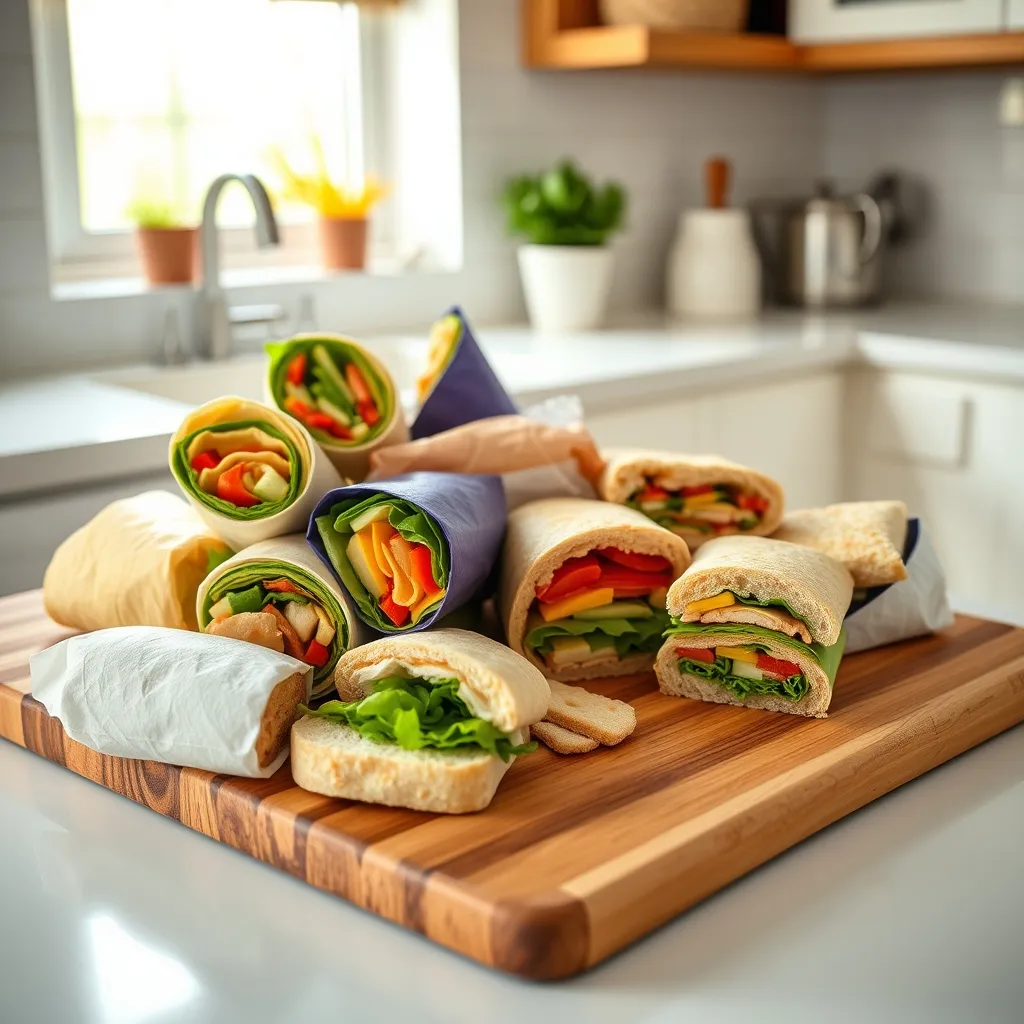
Key Takeaways
- A well-balanced packed lunch sandwich should include protein, complex carbohydrates, and at least one portion of vegetables to support children’s concentration and energy levels
- The NHS recommends children consume no more than 6g of salt per day, so choosing lower-sodium sandwich fillings is essential
- Wholemeal or seeded bread provides up to 3 times more fibre than white bread, helping children meet their daily fibre targets
- Creative packed lunch sandwich ideas can reduce lunchbox boredom and encourage children to eat a wider variety of nutrients
- Sandwiches made at home cost on average 60-70% less than shop-bought equivalents while offering better nutritional value
- Proper food safety means packed lunch sandwiches should be kept below 8°C using an insulated bag and ice pack
In This Article
- Why Sandwiches Matter in a Child’s Lunchbox
- Choosing the Right Bread for Nutrition
- Top 10 Creative Packed Lunch Sandwich Ideas
- Nutritional Comparison of Popular Fillings
- Tips for Keeping Sandwiches Fresh and Safe
- Adapting Sandwiches for Dietary Needs
- Getting Children Involved in Sandwich Making
- Meal Prep Strategies for Busy Families
As a paediatric nutritionist working in Bristol, I see hundreds of families each year who struggle with the same challenge: how to keep packed lunches interesting, nutritious, and something their children will actually eat. The humble sandwich remains the backbone of most lunchboxes across the UK, yet so many parents tell me they’ve fallen into a rut of the same ham and cheese combination day after day. I completely understand the pressure of busy mornings and fussy eaters, but I also know from years of clinical experience that a little creativity with packed lunch sandwich ideas can transform not only what your child eats at school but their overall relationship with food.
In this guide, I’m sharing my top 10 creative sandwich recipes alongside practical advice on bread choices, food safety, and how to adapt these ideas for children with specific dietary needs. Whether you’re packing lunches for a reception-age child or a hungry teenager, these ideas are designed to be quick to prepare, nutritionally balanced, and genuinely enjoyable for young palates.
Why Sandwiches Matter in a Child’s Lunchbox

Sandwiches are far more than just a convenient option. When assembled thoughtfully, a single sandwich can deliver protein for growth and repair, complex carbohydrates for sustained energy, healthy fats for brain development, and vitamins from salad or vegetable additions. According to the NHS Healthier Families guidance on lunchboxes, a balanced packed lunch should include starchy foods, protein, dairy, fruit, and vegetables. A well-constructed sandwich can tick several of these boxes in one go.
I frequently remind parents that lunch provides roughly 30-35% of a child’s daily nutritional intake. If that lunch is monotonous or unappealing, children are more likely to swap food with friends, throw it away, or simply not eat enough. In my clinics, I’ve observed that children who enjoy varied and colourful lunchboxes tend to have better afternoon concentration and more stable energy levels. This is particularly important for those who are working towards a healthy eating pattern or managing their weight.
The good news is that making sandwiches more exciting does not require expensive ingredients or hours of preparation. It’s about smart combinations, a willingness to try new things, and understanding what makes a filling both nutritious and appealing to children.
Choosing the Right Bread for Nutrition
Before we explore the fillings, let’s talk about the foundation of any great sandwich: the bread. The type of bread you choose has a significant impact on the overall nutritional profile of your child’s lunch.
Wholemeal bread is my top recommendation for most children. It contains more fibre, B vitamins, and minerals than white bread. The current recommendation is that children aged 5-11 need around 20g of fibre per day, and two slices of wholemeal bread can contribute 4-5g towards that target. If your child refuses wholemeal, try a 50/50 bread as a stepping stone; these blends of white and wholemeal flour offer a softer texture while still boosting fibre intake.
Beyond traditional sliced bread, consider these alternatives for variety:
- Wholemeal pitta pockets: perfect for stuffing with salad-heavy fillings
- Wholegrain wraps: easier for smaller hands to manage and less likely to go soggy
- Bagel thins: a fun change that children often enjoy
- Seeded rolls: the seeds add healthy omega-3 fats and extra crunch
- Sourdough: has a lower glycaemic index than standard white bread, meaning more sustained energy
When shopping for bread, I always advise parents to check the label carefully. Look for options with less than 1g of salt per 100g and ideally more than 3g of fibre per 100g. For more detailed guidance on reading labels, have a look at our parent’s guide to understanding food labels.
Top 10 Creative Packed Lunch Sandwich Ideas
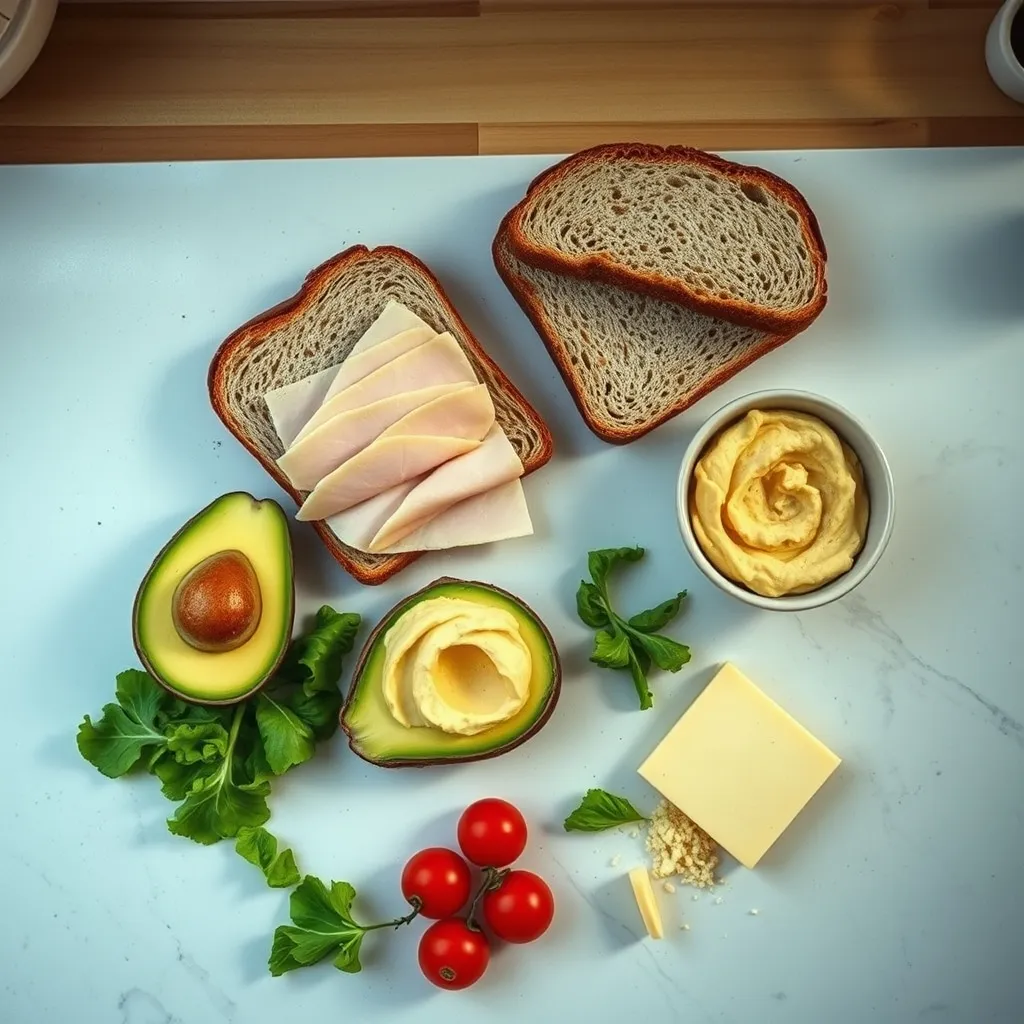
Here are my favourite packed lunch sandwich ideas, each designed to be nutritionally balanced, child-friendly, and practical for a school lunchbox. I’ve tested every one of these with families in my practice, and they consistently get the thumbs up from even the more cautious eaters.
1. Chicken, Sweetcorn, and Light Mayo on Wholemeal
Shred leftover roast chicken (a brilliant way to reduce food waste), mix with drained sweetcorn and a tablespoon of reduced-fat mayonnaise. Add a squeeze of lemon juice and a pinch of black pepper. This filling provides lean protein and B vitamins from the chicken, plus fibre from the sweetcorn. It’s creamy enough to appeal to children who find plain chicken too dry.
2. Hummus, Grated Carrot, and Cucumber Pitta Pocket
Spread a generous layer of hummus inside a wholemeal pitta half, then stuff with grated carrot and cucumber sticks. The hummus provides plant-based protein and iron from the chickpeas, while the vegetables contribute to your child’s five-a-day target. This is also an excellent option for vegan packed lunches.
3. Egg Mayo with Cress on Seeded Bread
Hard-boil eggs the evening before, mash with a small amount of light mayonnaise, and stir through fresh cress. Egg is one of the most nutrient-dense foods available, providing high-quality protein, vitamin D, and choline, which is important for brain development. Growing cress on the windowsill with your children is a lovely way to get them engaged with where food comes from.
4. Tuna, Red Pepper, and Cream Cheese Wrap
Mix drained tuna with finely diced red pepper and a tablespoon of light cream cheese. Spread onto a wholegrain wrap and roll tightly. Tuna is an excellent source of omega-3 fatty acids, which support cognitive function. The NHS recommends children eat at least two portions of fish per week, one of which should be oily. Do be mindful that children under 16 should have no more than four tuna steaks or four medium cans of tuna per week due to mercury content.
5. Peanut Butter and Banana on Wholemeal
Spread a thin layer of no-added-sugar peanut butter on wholemeal bread and top with sliced banana. This combination offers healthy fats, potassium, and slow-release energy. It’s particularly good for children with active afternoons or after-school sports. Always check your school’s nut policy before including this one. For nut-free alternatives, sunflower seed butter works beautifully.
6. Turkey, Avocado, and Tomato on Sourdough
Layer sliced turkey breast with thin avocado slices and tomato on sourdough bread. Turkey is lower in saturated fat than many processed meats and provides excellent protein. Avocado adds heart-healthy monounsaturated fats and a creamy texture that children love. To prevent browning, squeeze a little lemon juice over the avocado before assembling.
7. Cheese, Apple, and Chutney on a Bagel Thin
This British classic with a twist works wonderfully in a lunchbox. Use a reduced-fat mature cheddar for maximum flavour with less saturated fat, add thin apple slices for crunch, and a small spread of fruit chutney. The cheese contributes calcium for growing bones, while the apple adds fibre and vitamin C. This is a reliable option for vegetarian packed lunches.
8. Coronation Chicken Lettuce Cups
For something different, skip the bread entirely. Mix shredded chicken with a teaspoon of mild curry powder, a tablespoon of Greek yoghurt, a squeeze of mango chutney, and a handful of sultanas. Serve in crisp Little Gem lettuce leaves. This lower-carbohydrate option is excellent for older children and provides protein alongside probiotics from the yoghurt.
9. Smoked Salmon and Cream Cheese Pinwheels
Spread light cream cheese over a wholemeal wrap, lay smoked salmon strips across it, add a few spinach leaves, then roll tightly and slice into pinwheels. These look impressive in a lunchbox but take under five minutes to prepare. Smoked salmon provides omega-3s, vitamin D, and high-quality protein. Pack the pinwheels with a small ice pack, as smoked fish must be kept cold.
10. Bean and Cheese Quesadilla (Served Cold)
Spread mashed kidney beans or refried beans on a wholemeal tortilla, sprinkle with grated cheese, fold in half, and lightly toast in a dry pan until the cheese melts. Once cooled, these hold together well and can be cut into triangles. Beans are an outstanding source of fibre, iron, and plant protein, making this an excellent choice for meat-free days. For more plant-based inspiration, our vegan lunch ideas guide has additional suggestions.
Nutritional Comparison of Popular Fillings
To help you make informed choices, I’ve put together a comparison of common sandwich fillings. These values are approximate and based on a typical child-sized serving.
| Filling (per serving) | Calories (kcal) | Protein (g) | Fat (g) | Fibre (g) | Salt (g) |
|---|---|---|---|---|---|
| Chicken & sweetcorn mayo | 145 | 14 | 6 | 1.2 | 0.4 |
| Hummus & grated carrot | 120 | 5 | 6 | 3.0 | 0.5 |
| Egg mayo with cress | 155 | 10 | 11 | 0.3 | 0.5 |
| Tuna & cream cheese | 135 | 15 | 6 | 0.5 | 0.6 |
| Peanut butter & banana | 180 | 7 | 9 | 2.5 | 0.2 |
| Turkey & avocado | 140 | 12 | 7 | 2.0 | 0.5 |
| Cheese & apple chutney | 160 | 9 | 9 | 1.0 | 0.6 |
| Coronation chicken cups | 130 | 16 | 5 | 0.8 | 0.3 |
| Smoked salmon pinwheels | 150 | 13 | 8 | 1.5 | 1.0 |
| Bean & cheese quesadilla | 170 | 10 | 6 | 4.0 | 0.5 |
As you can see, the fillings with the highest fibre content are the bean and cheese quesadilla and the hummus with carrot, making these particularly good choices for children who struggle to meet their fibre targets. The coronation chicken cups and tuna options lead on protein, while the peanut butter and banana combination offers the most sustained energy, ideal for active children. For guidance on appropriate portion sizes for your child’s age, I recommend our NHS-based portion size guide.
Tips for Keeping Sandwiches Fresh and Safe

One of the biggest barriers to creative packed lunch sandwich ideas is the worry that fillings will go soggy or spoil before lunchtime. Here are my tried-and-tested strategies for keeping sandwiches fresh and safe to eat.
Temperature control is paramount. The Food Standards Agency recommends that perishable foods be kept below 8°C. Invest in a decent insulated lunch bag and a small ice pack. This is especially important for sandwiches containing fish, eggs, dairy, or meat. In summer months, I suggest freezing a small water bottle or juice box and using it as an additional coolant inside the bag.
To prevent sogginess:
- Spread a thin layer of butter or cream cheese on the bread before adding wet fillings; this creates a moisture barrier
- Pack lettuce, tomato, and cucumber separately in a small container so your child can add them at lunchtime
- Wrap sandwiches in beeswax wraps or greaseproof paper rather than cling film, as these allow a small amount of airflow that reduces condensation
- If using wraps or pittas, line them with a large lettuce leaf to act as a natural barrier between the filling and the bread
A practical point that parents often overlook: sandwiches made with denser breads like sourdough or seeded loaves hold up much better than those made with soft white bread. The sturdier crumb structure resists moisture penetration and maintains its texture throughout the morning.
Adapting Sandwiches for Dietary Needs
In my practice, I work with many families who need to navigate specific dietary requirements. The beauty of sandwiches is their adaptability. Here’s how to modify these packed lunch sandwich ideas for common dietary needs.
Gluten-free: There are now excellent gluten-free breads and wraps available in most UK supermarkets. Look for varieties that are fortified with calcium and B vitamins to match the nutrients found in standard bread. Many of the fillings above work perfectly with gluten-free bread or can be served in lettuce wraps.
Dairy-free: Swap cream cheese for dairy-free alternatives, use plant-based spreads instead of butter, and choose fillings that don’t rely on cheese. The hummus and carrot pitta, tuna with dairy-free mayo, and peanut butter with banana are all naturally dairy-free or easily adapted.
Nut-free (for school policies): Many UK schools have nut-free policies to protect children with allergies. Replace peanut butter with sunflower seed butter, tahini, or soya nut butter. Always check the labels of bread and wraps, as some contain traces of nuts. Our guide on easy packed lunch ideas includes more allergy-friendly suggestions.
Lower sugar for weight management: If you’re supporting a child with their weight, focus on protein-rich fillings that promote fullness, choose wholegrain bread for sustained energy, and avoid sweetened chutneys or relishes. The coronation chicken lettuce cups and turkey with avocado are particularly good options. For comprehensive guidance, our article on helping your child lose weight safely provides evidence-based strategies.
Vegetarian and vegan: Several of the recipes above are already vegetarian, and many can be made vegan with simple swaps. Beans, lentils, hummus, and nut butters are excellent plant-based protein sources that work brilliantly in sandwiches.
Getting Children Involved in Sandwich Making
One of the most effective strategies I recommend to parents is getting children involved in preparing their own sandwiches. Research consistently shows that children are more likely to eat food they’ve helped to make. It also builds essential life skills and teaches them about balanced nutrition from an early age.
Here are age-appropriate tasks:
- Ages 3-5: Tearing lettuce, spreading soft fillings with a child-safe knife, choosing between two filling options
- Ages 6-8: Grating cheese, slicing soft fruits like bananas, assembling wraps and pittas
- Ages 9-11: Making full sandwiches independently, mashing tuna or eggs, using a sharp knife with supervision
- Ages 12+: Planning and preparing their own lunchbox, experimenting with new recipes, batch-prepping fillings
I often suggest creating a “sandwich station” on Sunday evenings where children can choose their bread, pick from a selection of fillings, and build their sandwiches for Monday. It makes the process fun and gives them a sense of ownership over their meals. This approach aligns well with our family meal planning strategies and helps establish healthy habits for life.
Another tip that works particularly well with reluctant eaters: let your child name their sandwich creations. A “Dragon Breath Roll” (hummus, red pepper, and spinach) sounds far more appealing to a seven-year-old than a “healthy vegetable wrap.” The sillier the name, the better.
Meal Prep Strategies for Busy Families
I know that mornings in family homes are often chaotic, and the last thing anyone needs is a complicated sandwich recipe at 7:30 am. The key to consistently good packed lunch sandwich ideas is preparation done in advance.
Batch-prep fillings on Sundays: Many sandwich fillings keep well in the fridge for 3-4 days. Prepare a batch of chicken and sweetcorn mayo, egg mayo, or tuna mix, portion into small containers, and simply spread onto bread each morning. This takes no more than 20 minutes of preparation time for the entire week.
Freeze sandwiches ahead: Many sandwiches freeze surprisingly well and defrost by lunchtime when packed in the morning. Good candidates for freezing include cheese sandwiches, peanut butter sandwiches (without banana), and meat-based fillings without salad. Avoid freezing sandwiches containing egg, mayonnaise-heavy fillings, or salad items, as these don’t thaw well.
Use a rotation system: To prevent lunchbox fatigue, I recommend creating a two-week rotation of five different sandwiches. Write them on a chart stuck to the fridge so everyone knows what’s coming. This removes the daily decision-making stress while ensuring variety. You can find more structured planning ideas in our weekly meal plan for children.
Shop smart: Many of the ingredients in these recipes are budget-friendly staples. Tinned tuna, eggs, frozen sweetcorn, and dried beans are all inexpensive protein sources that store well. For families watching their food budget, our guide to budget-friendly healthy meals has additional strategies.
A final thought on meal prep: don’t underestimate the value of leftovers as sandwich fillings. Last night’s roast chicken, grilled vegetables, or even leftover curry can all be repurposed into delicious and unique sandwich fillings that cost virtually nothing extra.
The NHS Change4Life programme offers additional free resources and recipes to help families make healthier choices, and I’d encourage all parents to explore their recipe ideas alongside the suggestions in this article.
Key Points
- Choose wholemeal or seeded bread as the base for your child’s sandwiches to boost fibre and nutrient intake
- Rotate through at least 5 different sandwich fillings over a two-week period to prevent lunchbox boredom
- Batch-prep fillings on Sunday evenings to save time during busy school mornings
- Keep packed lunch sandwiches below 8°C with an insulated bag and ice pack, especially for fillings containing fish, eggs, or dairy
- Involve your children in sandwich preparation to increase the likelihood they’ll eat what’s packed and build healthy food skills
Frequently Asked Questions
How long can a sandwich sit in a lunchbox safely?
According to Food Standards Agency guidance, perishable sandwiches containing meat, fish, eggs, or dairy should be kept below 8°C and consumed within 4 hours if left at room temperature. Using an insulated bag with an ice pack can keep sandwiches safe for up to 6 hours. I always recommend packing sandwiches straight from the fridge in the morning and including a frozen ice pack or frozen drink to maintain a safe temperature until lunchtime.
In my experience, fussy eaters respond best to familiar flavours presented in new ways. Try cutting sandwiches into shapes with cookie cutters, using wraps instead of bread, or creating “deconstructed” sandwiches where the bread, filling, and salad are packed separately for the child to assemble themselves. The cheese and apple combination, peanut butter and banana, and simple chicken with mayo are all reliable starting points. Gradually introduce one new element at a time rather than presenting an entirely unfamiliar sandwich.What are the best packed lunch sandwich ideas for fussy eaters?
Yes, many sandwiches freeze well. Cheese, cooked meat, peanut butter, and mashed bean fillings all freeze and defrost nicely. Simply make the sandwiches, wrap individually in greaseproof paper or foil, and freeze. Take one out each morning and it will be defrosted by lunchtime. Avoid freezing sandwiches with mayonnaise, hard-boiled eggs, salad items, or fresh tomatoes, as these become watery and unpleasant once thawed.Can I freeze sandwiches for packed lunches?
There are plenty of delicious nut-free options. Sunflower seed butter is an excellent alternative to peanut butter and has a similar texture and protein content. Other nut-free favourites include hummus with vegetables, tuna mayo, egg mayo, chicken with sweetcorn, cheese and pickle, and turkey with avocado. All ten recipes in this article can be made nut-free with simple substitutions. Always check bread and spread labels, as some products are manufactured in facilities that process nuts.What are some nut-free packed lunch sandwich ideas for schools?
Soggy sandwiches are one of the most common complaints I hear from parents. The best prevention strategies include spreading a thin layer of butter or cream cheese on the bread to create a moisture barrier, packing wet ingredients like tomato and cucumber separately, using sturdier bread such as sourdough or seeded loaves, and wrapping sandwiches in greaseproof paper rather than cling film. You can also line wraps and pittas with a lettuce leaf to absorb excess moisture from the filling.How can I stop my child’s sandwich from going soggy?
Wholemeal bread is generally the healthiest option, providing more fibre, B vitamins, and minerals than white bread. If your child won’t eat wholemeal, a 50/50 blend is a good compromise. Seeded breads add beneficial omega-3 fatty acids, and sourdough has a lower glycaemic index, meaning more sustained energy. Whichever bread you choose, look for options with less than 1g of salt per 100g and ideally more than 3g of fibre per 100g on the nutrition label.What is the healthiest bread for children’s sandwiches?