

Key Takeaways
- Planning meals weekly can reduce food waste by up to 30% and save families an average of £1,200 per year
- The NHS Eatwell Guide recommends that over a third of your family’s plate should come from starchy carbohydrates, with at least 5 portions of fruit and vegetables daily
- Batch cooking just 2 to 3 base recipes at the weekend can cover most weekday evening meals with minimal effort
- Children who eat regular family meals are 35% less likely to develop disordered eating patterns, according to paediatric research
- A simple weekly meal planner template covering breakfast, lunch, dinner and snacks takes around 20 minutes to complete and streamlines your entire shopping list
- Involving children in meal planning and preparation increases their willingness to try new foods by up to 50%
In This Article
- Why Family Meal Planning Matters for Health
- Getting Started: Building Your Weekly Meal Plan
- Structuring Balanced Meals Around the Eatwell Guide
- A Sample 7-Day Family Meal Plan
- Batch Cooking and Meal Prep Strategies
- Budget-Friendly Meal Planning Tips
- Involving Children in Meal Planning and Cooking
- Overcoming Common Meal Planning Challenges
As a paediatric nutritionist working with families across Bristol and the wider NHS, one of the most frequent questions I hear from parents is: “How on earth do I feed my whole family healthy meals without losing my mind?” I completely understand the struggle. Between school runs, work commitments, after-school activities and the general chaos of family life, cooking nutritious meals every single day can feel overwhelming. But here is the good news: family meal planning healthy habits are far simpler to build than most parents imagine, and the benefits extend well beyond nutrition.
In my 15 years of practice, I have seen time and again that families who plan their meals in advance eat better, spend less, waste less food and, crucially, enjoy mealtimes together more often. This guide walks you through everything you need to know to create a sustainable, healthy meal planning routine that works for your entire household.
Why Family Meal Planning Matters for Health
Let me be direct: the evidence supporting regular family meals is remarkably strong. Research published in the Journal of Pediatrics found that children who share three or more family meals per week are significantly more likely to eat nutritious foods and less likely to be overweight. In the UK, where childhood obesity rates remain stubbornly high, this is not something we can afford to ignore.
When I talk about family meal planning, I mean sitting down once a week to decide what your household will eat for the coming days. It sounds simple because it is. Yet the impact is profound:
- Nutritional quality improves because you can ensure each day includes adequate fruit, vegetables, protein, fibre and whole grains
- Food waste drops significantly because you buy only what you need
- Stress at mealtimes decreases because the “what’s for dinner?” panic disappears
- Children develop healthier relationships with food because they see consistent, balanced eating modelled by their parents
- Grocery spending falls because impulse purchases and takeaway orders reduce
According to the NHS guidance on balanced diets, eating a variety of foods in the right proportions is the foundation of good health for every family member. Meal planning is simply the practical tool that makes this achievable on a daily basis.

Getting Started: Building Your Weekly Meal Plan
I always tell the families I work with to start small. You do not need to plan every single meal for every single day in your first week. Begin with evening meals for five weekdays and build from there. Here is my recommended step-by-step approach:
Step 1: Audit What You Already Have
Before you plan anything, check your fridge, freezer and cupboards. Note what needs using up first. This prevents waste and often provides the starting point for at least two or three meals.
Step 2: Choose a Planning Day
Most families find Sunday morning works best, as it naturally precedes the weekly shop. Set aside just 15 to 20 minutes. Sit down with a cup of tea and a notebook, or use a free planning app if you prefer digital tools.
Step 3: Build Around Your Week
Look at your diary for the coming week. Which evenings are busiest? Those need quick meals (under 20 minutes) or pre-prepared dishes. Which evenings are calmer? Those can accommodate more involved cooking. I often suggest families assign themes to days:
- Monday: One-pot wonder (stew, curry, soup)
- Tuesday: Pasta night
- Wednesday: Meat-free meal
- Thursday: Fish night
- Friday: Family favourite or fakeaway
Step 4: Write Your Shopping List
Once your meals are chosen, write your shopping list organised by supermarket section (produce, dairy, tinned goods, etc.). This saves time in-store and reduces the temptation to add unnecessary items to your trolley.
Step 5: Prep What You Can
On your shopping day or the following morning, wash and chop vegetables, cook grains like rice or quinoa, and prepare any marinades. Even 30 minutes of prep can save hours during the week.
Structuring Balanced Meals Around the Eatwell Guide
The Eatwell Guide is your best friend when it comes to planning nutritious family meals. Developed by Public Health England, it shows the proportions of different food groups we should all be eating. For family meal planning, I translate it into a simple plate model:
- One third: Starchy carbohydrates (potatoes, bread, rice, pasta; choose wholegrain where possible)
- One third: Fruit and vegetables (aim for variety and colour)
- One sixth: Protein (beans, pulses, fish, eggs, meat; aim for at least two portions of fish per week, one of which should be oily)
- Small amount: Dairy or alternatives (milk, cheese, yoghurt)
- Minimal: Foods high in fat, sugar and salt
When planning your weekly meals, I recommend checking that across the full seven days you are hitting these proportions rather than trying to make every single meal perfectly balanced. Some meals will be more vegetable-heavy, others more protein-focused, and that is absolutely fine as long as the overall pattern is right.
Understanding age-appropriate portion sizes is equally important. A common mistake I see is parents serving children adult-sized portions, which can lead to overeating or, conversely, children feeling overwhelmed and refusing to eat at all. As a rough guide, a child’s portion of carbohydrates should be about the size of their fist, and protein about the size of their palm.
A Sample 7-Day Family Meal Plan
Here is a practical weekly plan I often share with families in my clinic. It is designed for a family of four, balances nutrition across the week, and keeps costs manageable. Adjust portions according to your children’s ages.
| Day | Breakfast | Lunch | Dinner | Snack |
|---|---|---|---|---|
| Monday | Porridge with banana and honey | Wholemeal wraps with hummus, grated carrot and cucumber | Chicken and vegetable stir-fry with brown rice | Apple slices with peanut butter |
| Tuesday | Wholegrain toast with scrambled eggs | Lentil soup with crusty bread | Wholemeal pasta with hidden-veg tomato sauce and lean mince | Carrot sticks and tzatziki |
| Wednesday | Greek yoghurt with berries and granola | Jacket potato with beans and cheese | Vegetable chilli with brown rice (meat-free) | Banana and a handful of nuts |
| Thursday | Overnight oats with grated apple and cinnamon | Tuna and sweetcorn sandwich on wholemeal bread | Baked salmon with new potatoes and steamed broccoli | Homemade flapjack square |
| Friday | Wholegrain cereal with milk and sliced banana | Leftover vegetable chilli in wraps | Homemade fish fingers with oven chips and peas | Cheese cubes and grapes |
| Saturday | Pancakes with blueberries | Pitta pockets with falafel, salad and yoghurt dressing | Slow-cooked beef stew with root vegetables and mash | Homemade popcorn |
| Sunday | Boiled eggs with toast soldiers | Roast chicken with roasted vegetables (batch cook extra chicken) | Soup made from leftover roast vegetables with bread rolls | Rice cakes with cream cheese |
Notice how leftovers are deliberately built in. Wednesday’s vegetable chilli reappears as Friday’s lunch wrap filling, and Sunday’s roast provides both leftover chicken for Monday’s lunches and vegetables for Sunday evening’s soup. This approach is central to efficient, healthy family meal planning.
For more detailed children’s meal ideas, do take a look at my complete weekly meal plan for children, which breaks things down by age group.
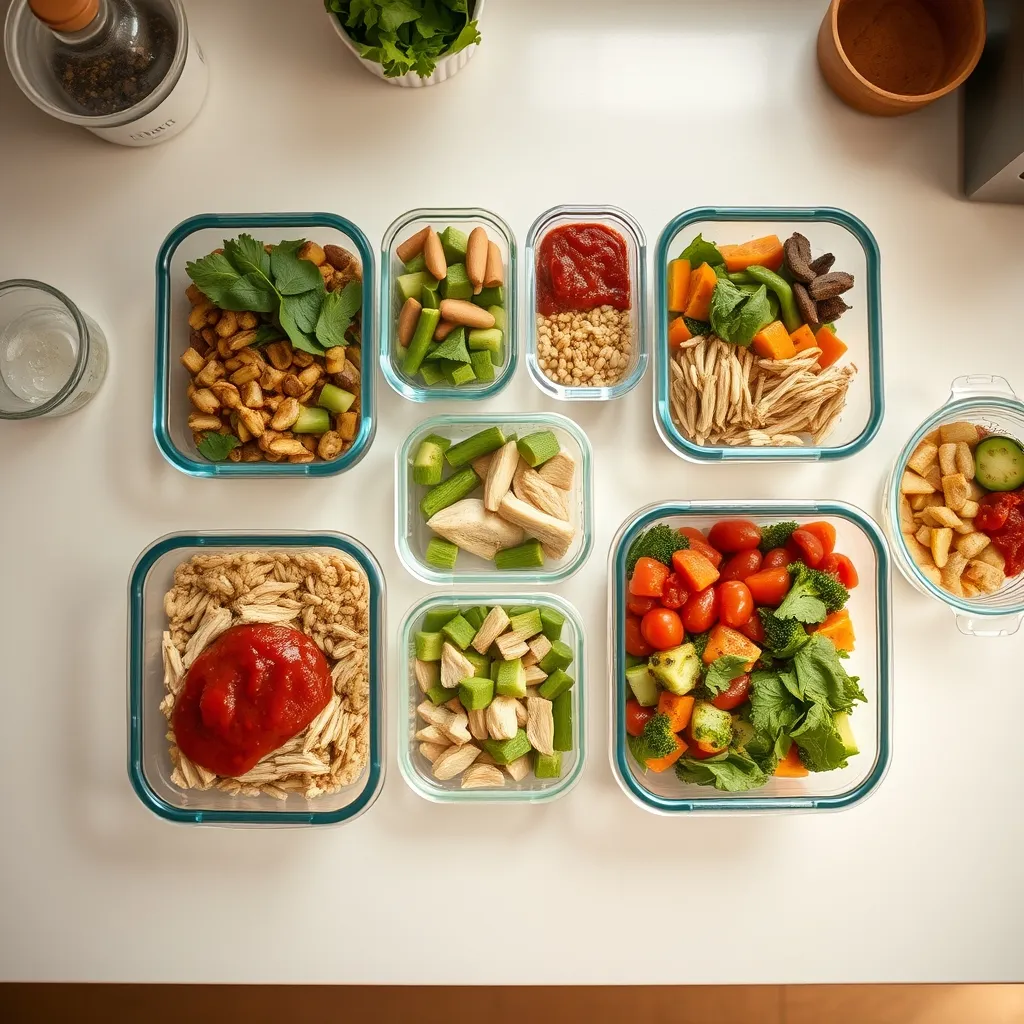
Batch Cooking and Meal Prep Strategies
If there is one single habit that transforms family meal planning from aspiration to reality, it is batch cooking. I cannot stress this enough. Spending two to three hours on a Sunday preparing key components for the week ahead means that on busy Tuesday evenings, a nutritious dinner is just 15 minutes of assembly away.
Here are my favourite batch cooking strategies:
The “Base Sauce” Method
Prepare a large batch of tomato-based sauce with onions, garlic, tinned tomatoes, grated courgette and carrot. This single base can become pasta sauce on one night, pizza topping on another, and the foundation of a shakshuka or chilli later in the week. One batch, four meals.
The “Protein Prep” Approach
Cook a large quantity of chicken thighs, lean mince or lentils and store in portions. These can be added to salads, wraps, rice bowls or stir-fries throughout the week.
The “Grain Station”
Cook a big pot of brown rice, quinoa or pearl barley. These keep well in the fridge for four to five days and serve as the carbohydrate component of multiple meals.
Freezer-Friendly Favourites
Double any recipe and freeze half. Over time, you build a freezer library of homemade ready meals. My patients’ families swear by frozen portions of bolognese, fish pie filling, curry, soup and cottage pie. On days when everything goes sideways, a nutritious meal is just a defrost away.
For packed lunch inspiration to complement your dinner planning, explore these easy packed lunch ideas that work brilliantly with batch-cooked ingredients.
Budget-Friendly Meal Planning Tips
I hear it regularly in my consultations: “Eating healthily is expensive.” I understand why it feels that way, but the reality is that planned healthy meals almost always cost less than unplanned eating. When you don’t plan, you rely on convenience foods, last-minute takeaways and impulse buys, all of which inflate your weekly food bill.
According to GOV.UK’s Eatwell Guide resources, a balanced diet built around staples like potatoes, bread, rice, beans and seasonal vegetables is achievable on a modest budget. Here are my top strategies:
- Buy frozen vegetables and fruit. They are just as nutritious as fresh, often cheaper, and nothing goes to waste because you use only what you need
- Embrace tinned fish, beans and pulses. A tin of chickpeas costs around 40p and provides excellent protein, fibre and iron
- Plan at least two meat-free dinners per week. Replacing meat with lentils, beans or eggs reduces costs significantly
- Use cheaper cuts of meat like chicken thighs instead of breasts, or diced beef shin for stews. Slow cooking makes them tender and delicious
- Buy supermarket own-brand staples. There is often no nutritional difference between branded and own-brand tinned tomatoes, pasta or rice
- Cook from scratch where possible. A homemade curry costs roughly £1.50 per portion compared to £4 or more for a jar sauce with protein added
- Reduce food waste ruthlessly. Use vegetable peelings for stock, leftover bread for breadcrumbs, and overripe bananas for baking
For a deep dive into affordable family nutrition, my guide on budget-friendly healthy meals for UK families has over 20 recipes costing under £1 per serving.
Involving Children in Meal Planning and Cooking
One of the most powerful things you can do for your child’s long-term health is to involve them in the entire food process, from choosing what to eat, to shopping, to preparing and cooking meals. In my experience, children who help in the kitchen are significantly more adventurous eaters and develop a much healthier relationship with food.

Age-Appropriate Tasks
Even very young children can participate. Here is what I typically recommend:
- Ages 2 to 3: Washing vegetables, tearing lettuce, stirring cold ingredients
- Ages 4 to 5: Measuring ingredients, spreading butter, pressing cookie cutters
- Ages 6 to 8: Peeling with a safety peeler, grating cheese, making sandwiches
- Ages 9 to 11: Following simple recipes, using the oven with supervision, chopping with a proper knife under guidance
- Ages 12 and above: Cooking full meals independently with minimal supervision
The “Choose One” Technique
When planning your weekly meals, let each child choose one dinner per week. The only rule is it must include at least two food groups from the Eatwell Guide. This gives children ownership and means they are far more likely to eat the meal without complaint. If you are dealing with a particularly fussy eater, this technique can be transformative.
Making It Educational
Use meal planning as an opportunity to teach children about nutrition. Talk about why we need protein, what fibre does for our bodies, and why eating a rainbow of coloured vegetables matters. Understanding food labels is another valuable skill; even primary school children can learn to spot high-sugar products by reading the traffic light labels on packaging.
The NHS Healthier Families recipe collection is a wonderful free resource with child-friendly recipes that make getting children involved easy and enjoyable.
Overcoming Common Meal Planning Challenges
No family meal planning system is perfect, and I would never pretend otherwise. Here are the most common challenges I encounter in my practice, along with practical solutions:
“My family all want different things”
This is the number one complaint I hear. My advice: cook one meal for everyone but make it adaptable. A build-your-own taco night, for example, lets each person choose their fillings while everyone eats the same base meal. Similarly, a stir-fry can be served with or without certain vegetables. Avoid becoming a short-order cook preparing separate meals for each family member; this is unsustainable and often leads to less nutritious choices for the children.
“I don’t have time to cook from scratch”
You do not need to cook elaborate meals. A baked potato with beans and cheese takes 10 minutes of active time and is a perfectly balanced meal. An omelette with leftover vegetables and a slice of toast is ready in 5 minutes. Meal planning is not about being a gourmet chef; it is about having a realistic plan that works for your actual life.
“My children refuse vegetables”
This is extremely common and rarely permanent. Continue to offer vegetables without pressure. Research shows that children may need 10 to 15 exposures to a new food before accepting it. Meanwhile, use strategies like blending vegetables into sauces, grating courgette into bolognese, or offering raw vegetable sticks with a favourite dip. For more strategies, my guide on healthy eating for children covers this in detail.
“Meal planning feels boring and repetitive”
Rotate your meal plans rather than reinventing the wheel each week. Create three or four weekly plans and cycle through them. Add one new recipe per fortnight to keep things fresh without overwhelming yourself. Over time, your recipe repertoire grows naturally.
“We often end up with takeaway anyway”
Plan for this! I recommend families schedule one takeaway or eating-out night per week and factor it into the plan. This removes the guilt and means you are not fighting against reality. The remaining six days of home-cooked meals will have a far greater impact on your family’s health than one takeaway. Consider keeping a stash of healthy snacks to bridge the gap between school and dinner, which reduces the temptation to order in because everyone is starving at 5pm.
Monitoring daily sugar intake is also easier when you plan meals in advance, as you can check across the full day rather than reacting meal by meal.
Key Points
- Dedicate 20 minutes each Sunday to planning five weekday dinners and writing a structured shopping list
- Use the Eatwell Guide plate model to check your weekly meals cover all food groups in the right proportions
- Batch cook 2 to 3 base recipes at the weekend (a tomato sauce, a cooked grain, and a protein) to assemble quick meals all week
- Involve every child in meal planning by letting them choose one family dinner per week that includes at least two food groups
- Plan at least two meat-free meals per week using beans, lentils and eggs to save money and boost fibre intake
Frequently Asked Questions
How far in advance should I plan family meals?
I recommend planning one week at a time. This is long enough to ensure variety and cover all nutritional bases, but short enough to remain flexible if plans change. Some families prefer to plan just five days and leave weekends more relaxed. The key is consistency: pick a day and make it a weekly habit.
Focus on plant-based proteins like lentils, chickpeas and beans for at least two dinners per week, buy frozen vegetables, choose supermarket own-brand staples, and cook from scratch where possible. A well-planned weekly shop for a family of four can come in at £50 to £70 when you prioritise these strategies and minimise food waste by using leftovers creatively.What is the cheapest way to meal plan for a family of four?
Start by identifying safe base meals that the whole family can eat, then adapt individual portions where needed. For example, if one child has a dairy allergy, serve the main meal dairy-free and add cheese as a topping for other family members. Always check labels carefully, as hidden allergens are common in processed foods. Consult your child’s dietitian or GP for personalised guidance on ensuring nutritional adequacy when food groups are restricted.How do I plan meals if my child has food allergies?
Yes, absolutely. Children typically need two to three snacks per day between meals, and unplanned snacking often leads to excessive sugar and ultra-processed food consumption. Plan simple, nutritious options like fruit with nut butter, vegetable sticks with hummus, yoghurt, cheese and crackers, or homemade flapjacks. Having planned snacks ready means you are less likely to reach for biscuits or crisps when hunger strikes.Should I plan snacks as well as main meals?
Meal planning is one of the most effective tools for preventing and managing childhood obesity. It gives parents control over portion sizes, food quality and the balance of nutrients across the day. Families who plan meals tend to eat fewer ultra-processed foods, consume more vegetables and have more regular mealtimes, all of which are associated with healthier weight outcomes in children. If you are concerned about your child’s weight, this guide on helping children lose weight safely provides evidence-based advice.Can meal planning help with childhood obesity?
Aim for variety and colour across the week. Different coloured fruits and vegetables provide different vitamins and minerals, so eating a rainbow is genuinely good advice. Include oily fish once a week for omega-3 and vitamin D, dairy or fortified alternatives for calcium, and wholegrain carbohydrates for B vitamins. The NHS also recommends that all children aged 6 months to 5 years take a daily supplement containing vitamins A, C and D. For more on this, see my article on NHS vitamin recommendations for children.How do I make sure my family gets enough vitamins through meal planning?