

Key Takeaways
- Christmas packed lunch ideas can be nutritionally balanced and festive with simple creative swaps and seasonal ingredients
- The NHS Eatwell Guide recommends that at least one-third of a child’s lunch should come from starchy carbohydrates, which festive sandwiches and wraps easily provide
- Using cookie cutters and colourful arrangements can increase a child’s willingness to try new foods by up to 70%, according to research on visual food presentation
- Planning 8 themed Christmas lunch box ideas in advance reduces morning stress and helps parents avoid relying on processed party food
- Homemade festive treats contain on average 40% less sugar than shop-bought Christmas snack packs marketed to children
- Involving children in Christmas lunch box preparation builds positive food relationships and supports healthy eating habits year-round
In This Article
- Why Christmas Packed Lunches Matter for Children’s Health
- Nutritional Foundations for a Festive Lunch Box
- 8 Christmas Packed Lunch Ideas Children Will Love
- Making Festive Lunches Allergy-Friendly and Inclusive
- Prep-Ahead Strategies for Busy December Mornings
- Keeping Christmas Lunches Balanced: Sugar, Portions and Treats
- Involving Children in Christmas Lunch Box Preparation
- Homemade vs Shop-Bought: A Nutritional Comparison
As a paediatric nutritionist, I know December can feel like a constant tug-of-war between wanting to make things magical for your children and trying to keep their diet on track. The good news? Christmas packed lunch ideas don’t have to be an either-or situation. With a little creativity and some smart planning, you can send your child off with a lunch box that feels wonderfully festive while still ticking all the nutritional boxes.
I’ve spent years helping families in my Bristol clinic navigate the holiday season without the guilt or the meltdowns (from parents or children). In this guide, I’m sharing eight of my favourite Christmas packed lunch ideas, along with practical advice on nutrition, preparation, and how to make the whole process genuinely enjoyable for everyone involved.
Why Christmas Packed Lunches Matter for Children’s Health

December is awash with chocolate advent calendars, party rings, and selection boxes. According to NHS guidance on balanced eating, children should be consuming a varied diet rich in fruits, vegetables, and wholegrains throughout the year, and the festive season is no exception. The reality is that many children consume significantly more sugar in December than in any other month.
A well-planned Christmas lunch box acts as an anchor in your child’s day. When parties, treats, and special occasions are happening at school and at home, knowing that their midday meal is nutritious gives you peace of mind. It also helps children understand that festive food can be both fun and nourishing, a lesson that serves them well into adulthood.
I often remind parents that presentation matters enormously to children. A lunch box that looks Christmassy, with star-shaped sandwiches, red and green fruits, and a small homemade treat, feels like a celebration. Your child gets the excitement of the season without the sugar crash that follows a lunch of crisps and chocolate fingers. For more on building healthy eating habits throughout the year, have a look at our complete UK guide to healthy eating for children.
Nutritional Foundations for a Festive Lunch Box
Before we dive into the specific ideas, let me share the framework I use with every family I work with. A good packed lunch, Christmas or otherwise, should contain four key components:
- A starchy carbohydrate for sustained energy: bread, wraps, pasta, rice, or crackers
- A source of protein for growth and satiety: chicken, turkey, cheese, eggs, beans, or hummus
- At least one portion of fruit and one of vegetables: fresh, dried, or incorporated into dishes
- A calcium-rich element: cheese, yoghurt, or a fortified alternative
The Eatwell Guide published by Public Health England provides an excellent visual reference for the proportions you should aim for. Our detailed breakdown of the Eatwell Guide for children and families explains how to apply these principles at every meal.
The Christmas twist comes from how you present these elements, not from replacing them with less nutritious alternatives. A turkey and cranberry sandwich is just as balanced as a ham and cheese one, but it feels infinitely more festive.
8 Christmas Packed Lunch Ideas Children Will Love
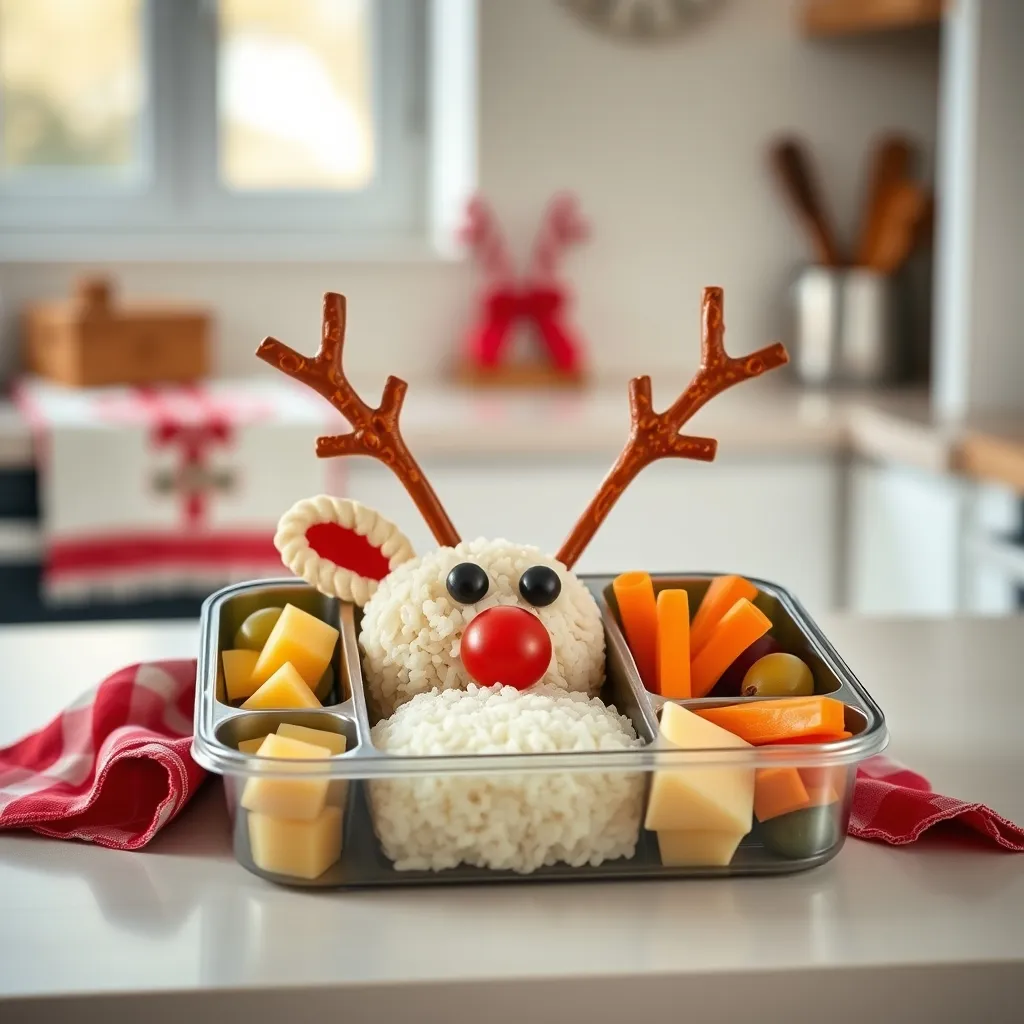
Here are my eight go-to Christmas packed lunch ideas that I recommend to families year after year. Each one is designed to be practical, balanced, and genuinely exciting for children.
1. The Christmas Tree Sandwich Box
Use a tree-shaped cookie cutter on wholemeal bread filled with turkey and cranberry sauce. Surround the sandwiches with cherry tomatoes as baubles, cucumber stars (cut with a small star cutter), and a pot of hummus for dipping. Add a satsuma and a small gingerbread man for the treat element. This lunch box covers all four nutritional foundations while looking spectacular.
2. Festive Wraps with a Crunch
Spread a wholemeal tortilla with cream cheese, layer with shredded turkey or chicken, grated carrot, and a handful of spinach. Roll tightly and slice into pinwheels; the spiral cross-section looks wonderfully decorative. Pack alongside red pepper strips, breadsticks, and a few dried cranberries. This is one of the simplest Christmas packed lunch ideas and works brilliantly for children who prefer wraps to sandwiches.
3. The Rudolph Bento Box
Arrange rice cakes or oatcakes in a circle for Rudolph’s face. Use a cherry tomato for the nose, raisins for the eyes, and pretzel sticks for the antlers. Fill the remaining compartments with cubed cheese, sliced ham, grapes, and carrot sticks. Bento-style boxes with separate compartments make this arrangement easy to achieve and keep everything in place.
4. Christmas Pasta Salad
Cook festive-shaped pasta (widely available in supermarkets from November) and toss with pesto, sweetcorn, diced red pepper, and flaked tuna or shredded chicken. The red and green colours from the vegetables create a naturally Christmassy look. Serve in a leak-proof container with a side of cucumber slices and a yoghurt tube. For more inspiration on easy lunch box meals, see our guide to easy packed lunch ideas.
5. The Snowman Pitta Pocket
Cut a wholemeal pitta into a circle shape and stuff with egg mayonnaise or falafel. Decorate the outside with cream cheese dots and a carrot-stick nose secured with a cocktail stick (for older children only). Pack with sugar snap peas, blueberries arranged to spell a letter or shape, and a homemade oat cookie shaped like a snowflake.
6. Mini Christmas Quiche and Crudités
Bake mini quiches in a muffin tin using shortcrust pastry, eggs, a splash of milk, and fillings like broccoli, sweetcorn, and ham. These can be made in batches and frozen, making them a perfect prep-ahead option. Pair with a Christmas-themed crudité selection: red pepper stars, cucumber trees, and carrot coins. A small pot of tzatziki or cream cheese completes the meal.
7. Festive Soup Thermos
On cold December days, a thermos of homemade soup is a real treat. Roasted butternut squash and carrot soup has a beautiful golden colour that feels seasonal, and you can stir through a little cream cheese for extra richness and calcium. Send alongside a wholemeal roll, a cheese portion, and an apple. This is an ideal option for children who find cold sandwiches less appealing in winter.
8. The Boxing Day Leftovers Box
This one is for the days just after Christmas when you have leftovers aplenty. Layer cold roast turkey or ham with stuffing on a roll, add leftover roast vegetables, a handful of cranberry sauce, and a mince pie or slice of Christmas cake as the treat. It’s a brilliant way to reduce food waste while giving your child a genuinely special lunch. Our article on budget-friendly healthy meals for families has more ideas for making the most of what you already have.
Making Festive Lunches Allergy-Friendly and Inclusive
In my practice, I work with many families managing food allergies, and Christmas can be a particularly tricky time. Many traditional festive foods contain nuts, dairy, eggs, or gluten, so it’s important to think about alternatives.
For nut-free Christmas packed lunch ideas, swap pesto for a sunflower seed-based alternative and replace marzipan treats with coconut ice. For dairy-free options, use oat-based cream cheese in wraps and choose dark chocolate over milk chocolate for any treats. If your child has coeliac disease, gluten-free wraps, pasta, and oatcakes are now widely available and work perfectly in all the ideas above.
If your child is following a plant-based diet, our guide to vegan packed lunch ideas and vegetarian packed lunch ideas offers plenty of inspiration that can be adapted for the festive season. Think roasted chickpea and cranberry wraps, or a lentil and sweet potato soup with warming spices.
Always check labels carefully on festive products, as recipes can change from year to year. Our parent’s guide to understanding food labels will help you navigate this with confidence.
Prep-Ahead Strategies for Busy December Mornings

December mornings are hectic at the best of times. Between nativity play costumes, Christmas jumper days, and the general chaos of the season, the last thing you need is a complicated lunch box to assemble. Here is my prep-ahead framework that takes the stress out of festive packed lunches:
Sunday batch cook: Make a large batch of mini quiches, soup, or pasta salad. Portion into containers and refrigerate or freeze. Most items keep well for three to four days in the fridge or up to three months in the freezer.
Monday evening prep: Cut vegetables into festive shapes using cookie cutters. Store in airtight containers with a damp piece of kitchen paper to keep them crisp. Prepare wraps and sandwiches the night before and wrap tightly in beeswax wraps or foil.
Keep a festive stash: Maintain a dedicated box of Christmas lunch box extras: star-shaped cookie cutters, festive cupcake cases for separating foods, Christmas napkins, and a small note or joke to pop into the box. These small touches make an enormous difference to how the lunch box feels, without adding any preparation time.
For families juggling multiple children with different preferences, I recommend a modular approach. Prepare the base components (protein, carbs, vegetables) in bulk, then let each child choose their combination. This strategy aligns well with the principles in our weekly healthy meal plan for children.
Keeping Christmas Lunches Balanced: Sugar, Portions and Treats
I’m not here to be the Grinch who stole Christmas treats. A small festive biscuit or a homemade mince pie absolutely has a place in your child’s lunch box. The key is balance and awareness. The NHS recommends that children aged 7 to 10 consume no more than 24g of free sugars per day, roughly six sugar cubes. A single shop-bought Christmas biscuit can contain 8 to 12g, which is a significant chunk of that allowance.
Homemade alternatives give you control over sugar content. A batch of gingerbread biscuits made with reduced sugar and wholemeal flour provides the festive flavour children crave while keeping things within sensible limits. For a deeper look at sugar recommendations, read our article on how much sugar a child should have per day.
Portions matter too, especially during a season when children are exposed to larger quantities of food at parties and celebrations. Our NHS-based guide to portion sizes for children by age is a helpful reference point. As a general rule, your child’s protein portion should fit in the palm of their hand, and their carbohydrate portion should be roughly the size of their fist.
Involving Children in Christmas Lunch Box Preparation
One of the most powerful things you can do for your child’s relationship with food is to involve them in the process. Research consistently shows that children who help prepare their meals are more likely to eat a wider variety of foods and develop positive attitudes towards nutrition. The festive season offers a perfect opportunity for this.
Age-appropriate tasks might include:
- Ages 3 to 5: Washing fruit, tearing lettuce, pressing cookie cutters into bread, and choosing which fruits to include
- Ages 6 to 8: Spreading fillings, assembling wraps, arranging bento box compartments, and measuring ingredients for baking
- Ages 9 to 12: Following simple recipes independently, making soup with supervision, and planning the week’s lunch box menu
The NHS Healthier Families programme encourages getting children involved in cooking as a strategy for building lifelong healthy habits. Making it Christmas-themed simply adds to the excitement. Let your child choose a theme for each day of the last week of term: Snowman Monday, Reindeer Tuesday, Christmas Tree Wednesday. Their enthusiasm will surprise you.
If you have a child who is a particularly cautious eater, the festive context can actually be an advantage. The novelty of Christmas shapes and colours can encourage them to try foods they might otherwise refuse. Our guide to fussy eating in children explores this approach in more detail.
Homemade vs Shop-Bought: A Nutritional Comparison
To illustrate why homemade Christmas packed lunch ideas are worth the effort, I’ve put together a comparison of common festive lunch box items. The differences are quite striking.
| Item | Homemade (per portion) | Shop-Bought (per portion) | Key Difference |
|---|---|---|---|
| Gingerbread biscuit | 4g sugar, 85 kcal | 9g sugar, 140 kcal | 55% less sugar homemade |
| Turkey and cranberry sandwich | 2g sugar, 250 kcal | 6g sugar, 320 kcal | 67% less sugar homemade |
| Mini quiche (2 pieces) | 1g sugar, 180 kcal | 3g sugar, 240 kcal | 25% fewer calories homemade |
| Mince pie (mini) | 8g sugar, 150 kcal | 14g sugar, 220 kcal | 43% less sugar homemade |
| Christmas pasta salad | 2g sugar, 200 kcal | 5g sugar, 280 kcal | 29% fewer calories homemade |
| Festive biscuit selection (2 pcs) | 6g sugar, 130 kcal | 15g sugar, 210 kcal | 60% less sugar homemade |
As you can see, the homemade versions consistently deliver less sugar and fewer calories while providing the same festive experience. Over the course of December, when your child might have 15 to 20 packed lunches, these differences add up significantly. This is particularly relevant for families mindful of their children’s weight; our article on helping a child lose weight safely discusses practical dietary adjustments in more depth.
That said, I want to be clear: the occasional shop-bought treat is absolutely fine. The goal is not perfection. It’s about making informed choices most of the time while still enjoying the season. If buying a packet of festive biscuits saves your sanity on a particularly busy day, that is a perfectly reasonable choice.
The broader picture of your child’s diet across the whole of December matters far more than any single lunch box. If you would like guidance on building a consistent, balanced approach to feeding your family, our healthy after-school snack ideas guide complements these lunch box suggestions beautifully.
Key Points
- Build every Christmas lunch box around four foundations: starchy carbs, protein, fruit and vegetables, and calcium
- Use cookie cutters and festive colours to make standard healthy foods feel Christmassy without adding sugar
- Batch-cook items like mini quiches and soup on Sundays to reduce weekday morning stress
- Choose homemade festive treats over shop-bought to reduce sugar content by up to 60%
- Involve your child in planning and preparing their Christmas lunch box to encourage adventurous eating and build positive food habits
Frequently Asked Questions
What is a good menu for a Christmas packed lunch?
A well-balanced Christmas packed lunch might include a turkey and cranberry sandwich on wholemeal bread cut into festive shapes, cherry tomatoes, cucumber stars, a satsuma, a cheese portion, and a small homemade gingerbread biscuit. The key is to include all four food groups (starchy carbs, protein, fruit and vegetables, and dairy) while using seasonal flavours and festive presentation to make the meal feel special.
Mini quiches, soup portions, pasta salads, and homemade biscuits can all be batch-cooked and frozen up to three months ahead. Vegetable sticks cut into festive shapes keep for three to four days in the fridge in an airtight container with a damp piece of kitchen paper. Wraps and sandwiches can be assembled the evening before and wrapped tightly to stay fresh.What can I prepare in advance for Christmas packed lunches?
Focus on making the lunch box look festive through shapes, colours, and arrangement rather than through sweet treats. Use naturally red and green foods like strawberries, tomatoes, cucumber, and grapes. When including a treat, opt for a homemade version where you control the sugar content. A homemade gingerbread biscuit typically contains around 4g of sugar compared to 9g or more in a shop-bought equivalent.How can I make Christmas lunch boxes without too much sugar?
Most Christmas packed lunch ideas can be easily adapted. For nut allergies, use sunflower seed butter or tahini instead of nut-based spreads. For dairy-free children, oat-based cream cheese works well in wraps and pitta pockets. Gluten-free wraps, pasta, and oatcakes are widely available and substitute seamlessly. Always check labels on festive products, as ingredients can change between years.What are good Christmas packed lunch ideas for children with allergies?
Rotate through different themes across the month. You might do a snowman theme one day, a Christmas tree theme the next, and a reindeer theme later in the week. Vary the format too: sandwiches, wraps, pasta salads, soup, and bento-style boxes all feel different even when using similar ingredients. Letting your child help choose the daily theme keeps their enthusiasm high throughout the term.How do I keep a Christmas packed lunch interesting for the whole of December?
Absolutely. Bento-style boxes with separate compartments are ideal for school-age children because they keep foods neatly organised and make the lunch box visually appealing. They also encourage variety, as children can see each element clearly. Look for leak-proof options with at least three compartments, and consider boxes with festive designs that add to the Christmas excitement.Are Christmas bento boxes suitable for school-age children?