Key Takeaways
- The Eatwell Guide applies to children aged 2 and over and divides food into five groups to help families plan balanced meals
- Fruit and vegetables should make up just over a third of everything children eat each day, aiming for at least five portions
- Starchy carbohydrates such as wholegrain bread, pasta and potatoes should form another third of the daily diet
- Only 15% of UK school-age children currently meet the recommended five-a-day fruit and vegetable target
- Children aged 4 to 6 should consume no more than 19g of free sugars per day, roughly five sugar cubes
- Dairy and protein foods together should account for approximately 27% of daily food intake, providing essential calcium, iron and B vitamins
In This Article
- What Is the Eatwell Guide?
- Fruit and Vegetables: Building the Biggest Portion
- Starchy Carbohydrates: Fuelling Active Children
- Protein Foods: Beans, Pulses, Fish, Eggs and Meat
- Dairy and Alternatives: Calcium for Growing Bones
- Oils and Spreads: Small Amounts, Big Impact
- Foods High in Fat, Salt and Sugar
- Portion Sizes for Different Age Groups
- Practical Meal Ideas Using the Eatwell Guide
- Common Challenges and Tips for Families
As a paediatric nutritionist with over 15 years of experience working with families across the NHS and private practice, I see the same question again and again: “What should my child actually be eating?” The answer, thankfully, does not need to be complicated. The Eatwell Guide is the UK government’s evidence-based framework for healthy, balanced eating, and it is one of the most practical tools I recommend to every family I work with.
In this article, I will walk you through each section of the Eatwell Guide as it applies to children, explain what it means in real terms for daily meals, and share the practical strategies I use in my own clinic. Whether your child is a toddler who has just turned two or a teenager with an ever-growing appetite, this guide will help you put healthy eating into practice without overthinking it.
What Is the Eatwell Guide?
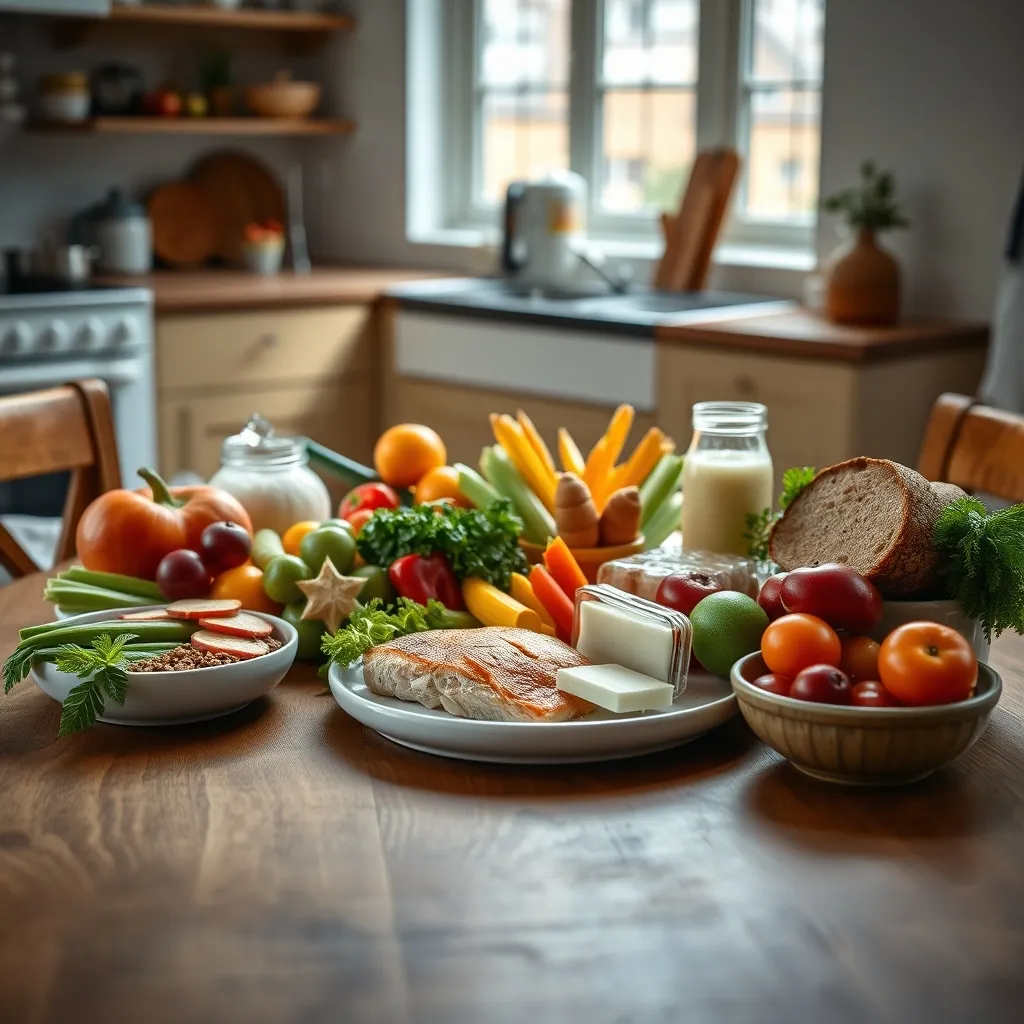
The Eatwell Guide is a visual representation of how different foods contribute to a healthy, balanced diet. Published by Public Health England (now the Office for Health Improvement and Disparities), it replaced the older “Eatwell Plate” in 2016 and is based on extensive nutritional science. According to NHS Eatwell Guide guidance, it applies to most people aged 2 and over, regardless of weight, dietary preferences or ethnic background.
The guide divides food into five main groups, shown as segments of a plate. The size of each segment tells you roughly how much of your overall diet should come from that group. It is not about getting every single meal perfectly balanced; rather, it is about the overall pattern of eating across the day and the week.
For children under 2, the guide does not apply directly because younger children have different nutritional needs, particularly around fat intake and energy density. However, from age 2 onwards, families can gradually shift towards the proportions shown in the Eatwell Guide. I find that parents who understand the guide early tend to build better habits that last well into their child’s teenage years and beyond.
One point I always emphasise in clinic: the Eatwell Guide is a framework, not a rigid set of rules. It is designed to be flexible enough to accommodate different cultural foods, family budgets and personal preferences. If your family eats more rice than bread, or more lentils than chicken, you can absolutely follow the guide. The proportions matter more than the specific foods.
Fruit and Vegetables: Building the Biggest Portion
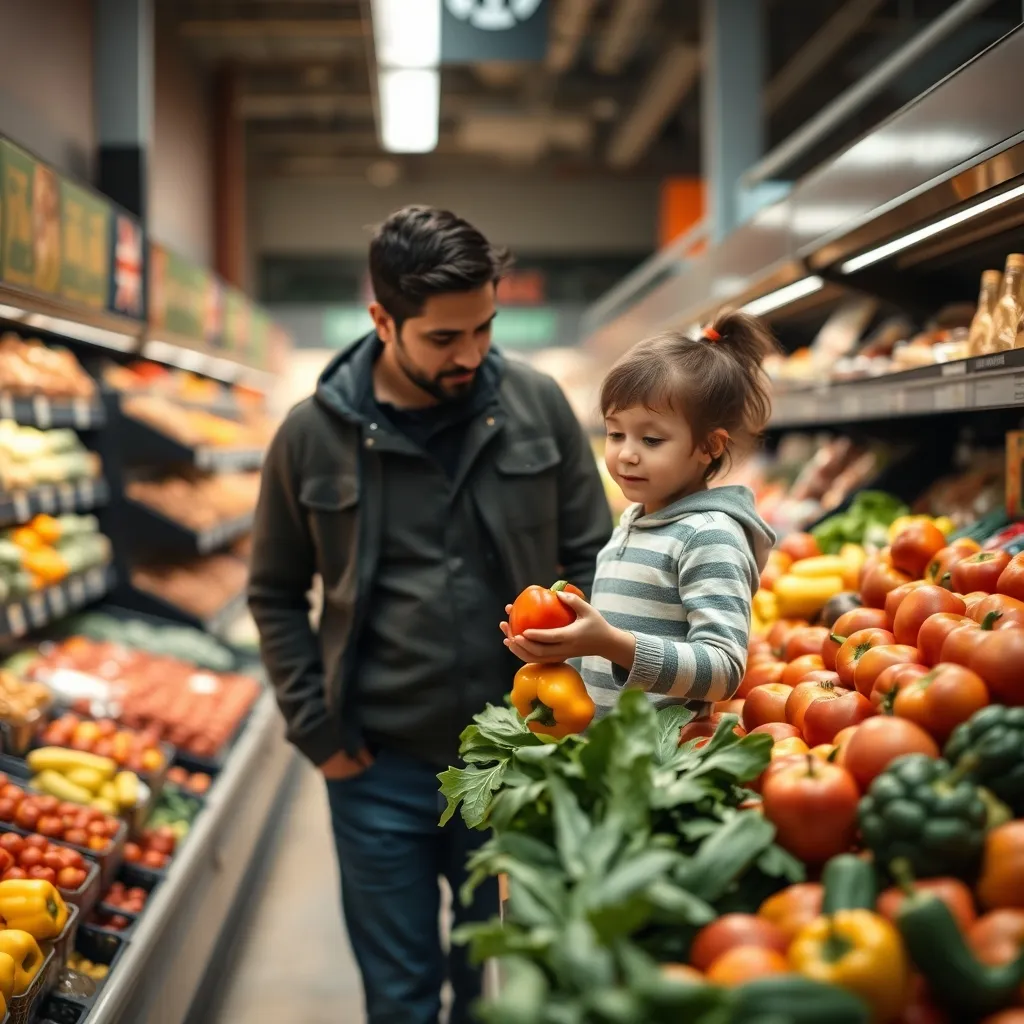
Fruit and vegetables make up just over a third of the Eatwell Guide plate, making this the largest food group. The recommendation is at least five portions per day, though research increasingly suggests that more is even better. Fresh, frozen, tinned (in juice or water, not syrup) and dried varieties all count.
In my experience, this is the group where most families struggle. National data consistently shows that only around 15% of children aged 5 to 15 eat their five-a-day. That is a sobering figure, but it also means there is enormous room for improvement with small, practical changes.
A child’s portion is roughly the amount that fits in their palm. For a 5-year-old, that might be three cherry tomatoes or half a medium apple. For a teenager, it would be closer to an adult portion. Dried fruit counts too, but a portion is just 30g because the sugars are concentrated, and I recommend offering it at mealtimes rather than as a snack to protect teeth.
Practical tips I share with families include adding berries to breakfast cereal, slicing vegetables into sticks for lunchboxes, and including at least two different vegetables at the evening meal. Smoothies can count as one portion (no matter how much fruit you blend), and a glass of unsweetened fruit juice counts as one portion too, though it is best limited to 150ml per day with meals. For more ideas on increasing fruit and vegetable intake at breakfast, see our guide to healthy breakfast ideas for fussy eaters.
Starchy Carbohydrates: Fuelling Active Children
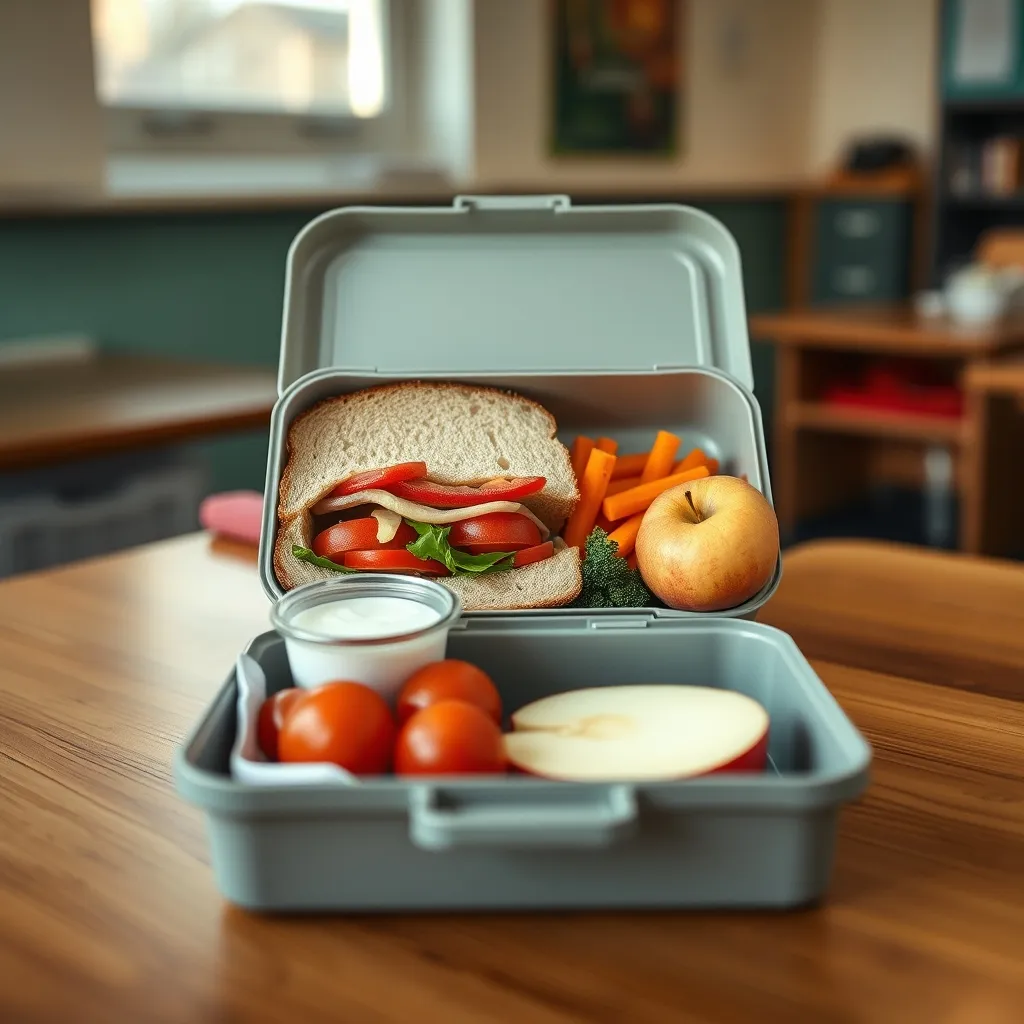
Starchy carbohydrates should make up just over a third of your child’s diet. This group includes bread, pasta, rice, potatoes, cereals and other grains. They are your child’s primary source of energy, and choosing wholegrain or higher-fibre versions where possible is one of the simplest improvements most families can make.
I often meet parents who have been influenced by low-carb diet trends and worry about giving their children too many carbohydrates. I want to be very clear: children need carbohydrates. Their growing bodies and active lifestyles require a steady supply of energy, and starchy foods provide this alongside important B vitamins, iron and fibre. Restricting carbohydrates in children is not recommended and can be harmful.
For children over 5, gradually increasing wholegrain options is beneficial. Wholemeal bread, brown rice, wholewheat pasta and porridge oats all provide more fibre and keep children feeling fuller for longer. For younger children (aged 2 to 5), I recommend a mix of white and wholegrain options, as very high-fibre diets can be too bulky for small stomachs and may reduce the absorption of certain minerals.
Potatoes are included in this group, not in the vegetable group. Baked, boiled or mashed potatoes are excellent choices. Sweet potatoes, yams, plantain and cassava also sit here. The key is in the preparation: roasted or baked is preferable to deep-fried. Chips and crisps fall into the “foods to eat less often” category.
Protein Foods: Beans, Pulses, Fish, Eggs and Meat
The protein group makes up approximately 12% of the Eatwell Guide plate. This includes beans, pulses, fish, eggs, meat and other sources of protein. Variety is important here because different protein foods bring different nutrients.
Oily fish such as salmon, mackerel and sardines are particularly important for children because they provide omega-3 fatty acids, which support brain development and heart health. The recommendation is two portions of fish per week, with at least one being oily. A child’s portion of fish is roughly the size of their hand.
For meat, I advise families to choose lean cuts and to limit processed meats such as sausages, bacon and ham. Processed meats are high in salt and are classified by the World Health Organisation as Group 1 carcinogens. That does not mean your child can never have a sausage, but these should be occasional foods rather than daily staples.
Beans and pulses are nutritional powerhouses that I feel are underused in many British families. Lentils, chickpeas, kidney beans and baked beans (reduced sugar and salt versions) provide protein, fibre, iron and B vitamins at a fraction of the cost of meat. They also contribute to your child’s five-a-day, though they only count as one portion regardless of the amount eaten. For families concerned about iron intake, our article on iron deficiency in children covers iron-rich foods in detail.
Eggs are an excellent and affordable protein source. There is no recommended limit on the number of eggs a child can eat per week, provided they are cooked thoroughly (particularly important for very young children). Two eggs make a filling, nutritious meal for most school-age children.
Dairy and Alternatives: Calcium for Growing Bones
Dairy and alternatives make up about 15% of the plate. This group includes milk, cheese, yoghurt and dairy-free alternatives that are fortified with calcium. Calcium is absolutely essential for children’s bone development, and the GOV.UK Eatwell Guide publication emphasises dairy as a primary calcium source for growing children.
Children aged 1 to 3 need around 350mg of calcium per day, while children aged 4 to 6 need 450mg, and those aged 7 to 10 need 550mg. A 200ml glass of milk provides approximately 240mg of calcium, so dairy makes meeting these targets much easier.
I recommend choosing lower-fat dairy options for children over 5. Semi-skimmed milk is suitable from age 2, and skimmed milk can be introduced from age 5. Cheese is relatively high in fat and salt, so it is best used in moderate amounts as part of meals rather than as a primary snack. Natural yoghurt with fresh fruit is one of the best dairy choices for children of any age.
For families who avoid dairy due to allergy, intolerance or dietary choice, fortified plant-based alternatives are important. Look for unsweetened versions that are fortified with calcium and ideally also with iodine and vitamins B12 and D. Rice milk is not recommended for children under 5 due to arsenic levels. Our guide on gut health for children discusses the role of yoghurt and fermented dairy in supporting digestive health.
Oils and Spreads: Small Amounts, Big Impact
Oils and spreads sit outside the main plate segments in the Eatwell Guide because we need them in very small amounts. However, they are still important. Unsaturated fats support brain development, help the body absorb fat-soluble vitamins (A, D, E and K) and contribute to healthy skin.
The guide recommends choosing unsaturated oils and spreads such as vegetable oil, rapeseed oil, olive oil and sunflower oil. These should replace butter, lard and ghee where possible, though small amounts of saturated fat in the diet are not a problem.
In practical terms, I advise families to use a small amount of unsaturated oil for cooking and a thin spread of unsaturated fat on bread. Children do not need large quantities of added fat; they get plenty from other food groups. For children under 2, dietary fat should not be restricted as it is essential for rapid growth and brain development during that stage.
Foods High in Fat, Salt and Sugar

Foods and drinks high in fat, salt and sugar sit outside the Eatwell Guide plate entirely. These include chocolate, cakes, biscuits, sugary drinks, crisps, ice cream, sweets and pastries. The guide is clear: these are not needed in the diet and should be eaten less often and in smaller amounts.
This does not mean banning treats altogether. In my practice, I have seen that overly restrictive approaches can backfire, sometimes leading to unhealthy relationships with food or even contributing to eating disorder patterns. The goal is to ensure that these foods do not displace the nutritious foods children need.
A useful benchmark is the free sugars limit. Children aged 4 to 6 should have no more than 19g of free sugars per day (about 5 sugar cubes), and children aged 7 to 10 should have no more than 24g (about 6 sugar cubes). A single can of fizzy drink can contain 35g of sugar, which exceeds the daily limit for all age groups. For a deeper look at sugar recommendations, see our article on how much sugar a child should have per day.
I also want to highlight the importance of hydration. The Eatwell Guide recommends 6 to 8 glasses of fluid per day. Water and lower-fat milk are the best choices. Squash, fruit juice and smoothies should be limited and consumed with meals. Fizzy drinks, energy drinks and drinks with added sugar are best avoided entirely for children.
Portion Sizes for Different Age Groups
One of the most common questions I receive in clinic is about portion sizes. The Eatwell Guide shows proportions, but it does not specify exact portions for children. That is because children’s needs vary enormously depending on age, size and activity levels.
As a general rule, I use the hand-based method: a child’s portion is roughly proportional to their own hand size. This naturally scales up as they grow. Below is a practical guide to approximate portion sizes across age groups.
| Food Group | Age 2 to 4 | Age 5 to 10 | Age 11 to 16 |
|---|---|---|---|
| Fruit/vegetables (per portion) | 1 small handful | 1 medium handful | 1 adult handful |
| Starchy carbs (cooked pasta/rice) | 3 to 4 tablespoons | 5 to 7 tablespoons | 7 to 10 tablespoons |
| Protein (meat/fish) | 40g (palm of hand) | 60g (palm of hand) | 80 to 100g (palm of hand) |
| Dairy (milk) | 120 to 150ml | 200ml | 200 to 300ml |
| Cheese | 15 to 20g | 20 to 30g | 30 to 40g |
| Oils and spreads | Thin scraping | 1 teaspoon | 1 to 2 teaspoons |
These are starting points, not rigid rules. Active children who play sport regularly or who walk and cycle to school will naturally need more energy. Our guide to UK physical activity guidelines for children by age can help you gauge how much activity your child needs. A child who is growing well, has steady energy levels and seems satisfied after meals is likely eating the right amount.
I would caution against putting children on restrictive diets or counting calories. If you have concerns about your child’s weight, the best approach is to focus on the quality of food rather than the quantity. Our article on childhood obesity prevention strategies offers evidence-based approaches that do not involve restriction.
Practical Meal Ideas Using the Eatwell Guide
Theory is useful, but families need practical examples. Here are some simple, balanced meals that follow the Eatwell Guide proportions. Each one includes all the key food groups in roughly the right amounts.
Breakfast ideas:
- Porridge oats made with semi-skimmed milk, topped with sliced banana and a sprinkle of seeds
- Wholemeal toast with scrambled eggs and cherry tomatoes on the side
- Natural yoghurt with mixed berries and a small bowl of wholegrain cereal
Lunch ideas:
- Wholemeal pitta bread filled with hummus, grated carrot, cucumber and sliced chicken
- Lentil soup with a crusty wholemeal roll and a piece of fruit
- Baked beans on wholemeal toast with a side salad and a glass of milk
Dinner ideas:
- Salmon fillet with brown rice, broccoli and sweetcorn
- Chicken stir-fry with mixed vegetables and wholewheat noodles
- Bean chilli with rice, a dollop of natural yoghurt and a side of steamed green beans
For lunchbox inspiration that aligns with the Eatwell Guide, see our article on healthy packed lunch ideas for children. And for after-school options, our healthy after-school snack ideas piece has plenty of quick, nutritious options.
Common Challenges and Tips for Families
In my 15 years of practice, I have seen that knowing what to feed children is often the easy part. The challenges lie in the everyday realities of family life. Here are the most common obstacles I see and how to address them.
Fussy eating: This is by far the most common concern parents raise. Around one in four children goes through a significant phase of fussy eating, and it can make following the Eatwell Guide feel impossible. The key is to keep offering a variety of foods without pressure. It can take 10 to 15 exposures to a new food before a child accepts it. Our detailed article on fussy eating in children covers strategies that work.
Budget constraints: Eating well does not have to be expensive. Frozen vegetables are just as nutritious as fresh, tinned pulses are incredibly affordable, and seasonal fruit is always cheaper. Families eligible for free school meals should ensure they are claiming their entitlement, as this can make a significant difference to a child’s daily nutrition.
Time pressure: I understand that not every family has time to cook from scratch every day. Batch cooking at weekends, using a slow cooker, and having a few reliable quick meals in rotation can help enormously. A jacket potato with beans and cheese takes 10 minutes of active preparation and ticks multiple Eatwell Guide boxes.
Conflicting information: Children are exposed to food marketing, social media nutrition claims and peer influences that can conflict with the Eatwell Guide. The UK junk food advertising ban coming in 2026 should help reduce some of this exposure, but in the meantime, having open conversations with children about food and health is valuable. As discussed in the NHS Healthier Families programme, involving children in food shopping and cooking builds their understanding of good nutrition from a young age.
Building positive habits: The Eatwell Guide works best when it is part of a broader approach to family health. Positive mealtime habits such as eating together as a family, turning off screens during meals and allowing children to serve themselves all support a healthy relationship with food. There is also growing evidence, as explored in our article on children’s mental health and nutrition, that good nutrition directly supports emotional wellbeing.
Key Points
- Use the Eatwell Guide to ensure a third of your child’s plate is fruit and vegetables and another third is starchy carbohydrates
- Aim for two portions of fish per week, including one oily fish such as salmon or mackerel
- Limit free sugars to 19g per day for ages 4 to 6 and 24g per day for ages 7 to 10
- Use the hand-based portion method to scale food amounts to your child’s size and age
- Offer new foods at least 10 to 15 times before concluding your child does not like them
Frequently Asked Questions
What is the Eatwell Guide for children?
The Eatwell Guide is the UK government’s evidence-based tool showing how different foods should contribute to a healthy, balanced diet. It applies to children aged 2 and over and divides food into five groups: fruit and vegetables; starchy carbohydrates; protein foods; dairy and alternatives; and oils and spreads. The proportions shown on the plate help families understand how much of each food group to include across the day, supporting children’s growth, development and long-term health.
No, the Eatwell Guide is designed for children aged 2 and over. Children under 2 have different nutritional needs, particularly around fat and energy density. Babies and very young toddlers need full-fat dairy products and should not have their dietary fat restricted. From age 2, families can gradually transition towards the proportions shown in the Eatwell Guide.Does the Eatwell Guide apply to toddlers under 2?
Children should aim for at least five portions of fruit and vegetables per day. A child’s portion is roughly the amount that fits in their palm, so it is naturally smaller than an adult portion. Fresh, frozen, tinned (in juice or water) and dried fruit all count, though dried fruit portions are limited to 30g and fruit juice is limited to 150ml per day. Beans and pulses count as a maximum of one portion.How many portions of fruit and vegetables should a child eat per day?
The 5 2 1 0 rule is a simple daily guideline for children’s health: 5 or more portions of fruit and vegetables, no more than 2 hours of recreational screen time, at least 1 hour of physical activity, and 0 sugary drinks. While not an official part of the Eatwell Guide, it complements the guide’s principles and provides an easy-to-remember framework for families working towards healthier habits.What is the 5 2 1 0 rule for kids?
Yes, the Eatwell Guide can be adapted for vegetarian and vegan families. Protein can come from beans, pulses, tofu, nuts and eggs (for vegetarians). Vegan children should use fortified plant-based dairy alternatives with added calcium, iodine and vitamins B12 and D. It is important to pay attention to iron, zinc and omega-3 intake on plant-based diets, and a vitamin B12 supplement is recommended for vegan children.Can the Eatwell Guide work for vegetarian or vegan children?
The simplest method is the hand-based approach: your child’s own hand provides a proportional guide to their portion sizes. A palm-sized piece of protein, a fist-sized serving of carbohydrates, and a handful of vegetables are good starting points. Children who are growing well on their expected trajectory, have consistent energy levels and seem satisfied after meals are generally eating appropriate amounts. If you have concerns, your GP or health visitor can check your child’s growth charts.How do I know if my child is eating the right portion sizes?