

Key Takeaways
- Babies who are not yet walking should be physically active several times every day, including tummy time and active play on the floor
- Toddlers aged 1 to 2 should be active for at least 180 minutes (3 hours) spread throughout the day
- Children aged 3 to 4 need at least 180 minutes of activity daily, with at least 60 minutes being energetic play
- Children and young people aged 5 to 18 should aim for at least 60 minutes of moderate-to-vigorous physical activity every day
- Only around 47% of children in England currently meet the Chief Medical Officers’ recommended activity levels
- All children should minimise sedentary time and avoid being restrained in buggies or car seats for extended periods
In This Article
- Why Physical Activity Matters for Children
- UK Guidelines for Babies Under 1 Year
- UK Guidelines for Toddlers Aged 1 to 2
- UK Guidelines for Pre-Schoolers Aged 3 to 4
- UK Guidelines for Children Aged 5 to 18
- Types of Physical Activity by Age Group
- How Active Are UK Children Really?
- Practical Ways to Meet the Guidelines
- When to Seek Professional Advice
As a paediatric nutritionist, I spend a great deal of my time talking about what goes onto children’s plates. But there is another side of the healthy weight equation that deserves just as much attention: physical activity. Over the past 15 years working across NHS clinics and private practice here in Bristol, I have seen first-hand how regular movement transforms children’s physical health, mental wellbeing and relationship with food. Yet many parents I work with are unsure exactly how much activity their child needs, or what counts as enough at different ages.
The UK Chief Medical Officers publish official physical activity guidelines children UK families can rely on, and these recommendations are supported by a solid body of evidence. In this article, I will walk you through the guidelines for every age group, from newborns right through to 18-year-olds, explain the science behind them, and share practical strategies for weaving more movement into your family’s daily life.
Why Physical Activity Matters for Children
Before diving into the specific recommendations, it helps to understand why physical activity is so crucial during childhood. The benefits extend far beyond maintaining a healthy weight, though that is certainly important given that childhood obesity rates in the UK remain a significant concern.
Regular physical activity in children supports healthy bone and muscle development, improves cardiovascular fitness, and helps regulate blood sugar levels. According to the NHS physical activity guidelines for children and young people, being active also reduces the risk of developing chronic conditions such as type 2 diabetes later in life. I frequently discuss the well-documented link between childhood obesity and type 2 diabetes with families, and physical activity is one of the most powerful protective factors we have.
What parents sometimes overlook is the mental health dimension. Physical activity stimulates the release of endorphins and serotonin, helping to reduce anxiety and improve mood. There is growing evidence that nutrition and mental health are deeply connected, and physical activity is the third leg of that stool. Children who are regularly active tend to sleep better, concentrate more effectively at school, and develop stronger social skills through team activities and active play.

UK Guidelines for Babies Under 1 Year
I often surprise new parents when I tell them that physical activity guidelines begin at birth. Of course, we are not talking about structured exercise for babies, but the foundations of an active life start remarkably early.
The UK Chief Medical Officers recommend that babies who are not yet walking should be encouraged to be active throughout the day, every day. This includes:
- Supervised tummy time for babies who are not yet crawling, starting from just a few minutes per session and gradually building up
- Reaching and grasping for objects, pulling, pushing and playing with other people
- Floor-based play in safe environments, allowing babies to roll, crawl and explore
- Water-based activities such as baby swimming sessions (from around 6 weeks with appropriate supervision)
Equally important is the guidance on limiting sedentary time. Babies should not be restrained in buggies, car seats or high chairs for extended periods. For infants under 1 year, screen time is not recommended at all. When babies are sedentary, reading stories, singing songs and engaging in interactive play are preferable to screen-based entertainment.
Tummy time might seem like a small thing, but it builds the neck, shoulder and core strength that babies need for crawling, sitting and eventually walking. I recommend parents aim for at least 30 minutes of tummy time spread across the day by the time their baby is 3 to 4 months old.
UK Guidelines for Toddlers Aged 1 to 2
Once children are on their feet, their activity levels naturally increase, and the guidelines reflect this. For toddlers aged 1 to 2, the recommendation is at least 180 minutes (3 hours) of physical activity spread throughout the day. This should include a variety of activities and can be of any intensity.
At this age, active play is the key. Toddlers learn through movement, and the right activities support their physical, cognitive and social development simultaneously. Good examples include:
- Walking to the park or shops with a parent (even short distances count)
- Climbing on soft play equipment or safe household furniture
- Dancing to music at home
- Playing with balls: rolling, throwing, kicking
- Splashing in paddling pools or at swimming sessions
- Playing in sandpits, digging and scooping
The 180-minute target might sound daunting, but it accumulates across the entire day. A 15-minute walk to nursery, 30 minutes of garden play, an hour at a toddler group and various bursts of active play at home can easily add up. The important thing is that toddlers are not spending long stretches being still.
I always encourage families to think about how walking and cycling to school or nursery can become a regular habit from this early stage. Even pushing a toy pram to the childminder counts as valuable physical activity.
UK Guidelines for Pre-Schoolers Aged 3 to 4
The guidelines for 3 to 4-year-olds build on the toddler recommendations. The overall target remains 180 minutes of activity per day, but with an important addition: at least 60 minutes of this should be moderate-to-vigorous physical activity (MVPA). This is sometimes called “energetic play” to help parents understand the difference.
Moderate-to-vigorous activity means your child should be noticeably warmer, slightly out of breath and perhaps a bit flushed. Think running around a playground, riding a balance bike, chasing games, or energetic dancing rather than gentle pottering.
Pre-schoolers are developing fundamental movement skills that they will use for the rest of their lives. According to UK Government physical activity guidance, this age is particularly important for developing coordination, balance and spatial awareness. Activities that practise these skills include:
- Obstacle courses using cushions, tunnels and stepping stones
- Balance bikes and scooters (with appropriate safety equipment)
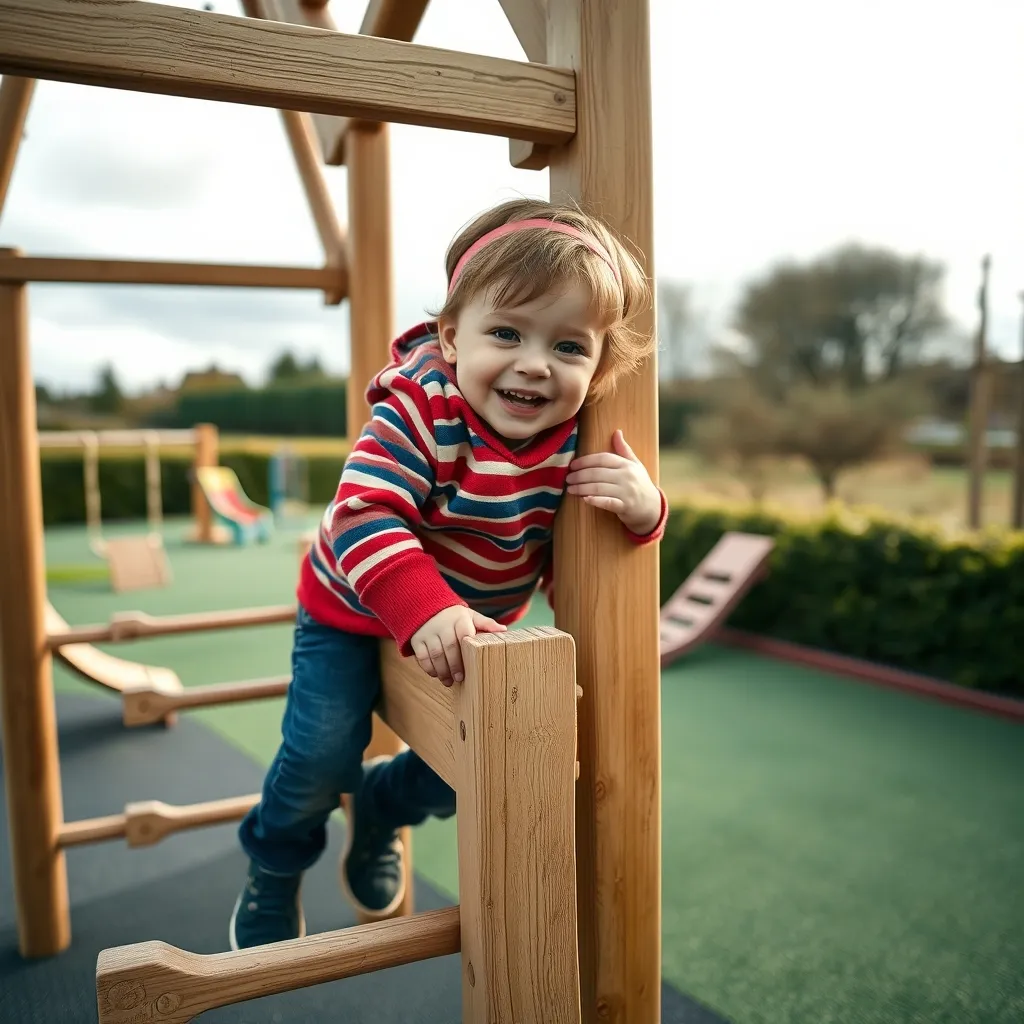
- Climbing frames and outdoor adventure play
- Ball games involving catching, throwing and kicking
- Swimming with parental support
It is also worth noting the guidance on screen time and children’s health. The Chief Medical Officers recommend that children aged 3 to 4 should not be sedentary for extended periods, including sitting in front of screens. Screen time should be limited, and sitting still for more than an hour at a stretch (except during sleep) is discouraged.
UK Guidelines for Children Aged 5 to 18
This is the age group where the guidelines are most widely quoted, and for good reason: these are the years where activity levels tend to drop most dramatically, particularly during the transition to secondary school and into adolescence.
The UK Chief Medical Officers recommend that children and young people aged 5 to 18 should:
- Engage in moderate-to-vigorous physical activity for at least 60 minutes every day
- Include activities that strengthen muscles and bones on at least 3 days per week
- Minimise the time spent being sedentary for extended periods
The 60-minute daily target is a minimum, not a ceiling. More activity brings greater benefits. The 60 minutes can be accumulated throughout the day and does not need to be completed in one continuous session.
Moderate activity includes brisk walking, cycling on flat ground, playground activities, skateboarding and scootering. Vigorous activity includes running, swimming lengths, gymnastics, martial arts, football and netball. The ideal mix includes both.
The emphasis on bone and muscle-strengthening activities three times per week is something I find many parents are not aware of. For younger children (5 to 11), this includes climbing, jumping, skipping and gymnastics. For teenagers, resistance exercises, bodyweight exercises and sports that involve sprinting or jumping become more appropriate.
| Age Group | Daily Activity Target | Activity Intensity | Bone/Muscle Strengthening | Sedentary Guidance |
|---|---|---|---|---|
| Under 1 year | Several times daily | Any intensity, tummy time | N/A | Avoid extended time in buggies/car seats; no screens |
| 1 to 2 years | At least 180 minutes | Any intensity | N/A | Limit sedentary time; minimise screen time |
| 3 to 4 years | At least 180 minutes (60 min MVPA) | Mix of light and moderate-to-vigorous | Included in active play | No more than 1 hour sedentary at a time |
| 5 to 18 years | At least 60 minutes | Moderate-to-vigorous | At least 3 days per week | Minimise extended sitting; break up sedentary time |
Types of Physical Activity by Age Group
One of the most common questions I hear from parents is, “What actually counts as physical activity?” The answer varies with age, and it helps to think about three broad categories: light activity, moderate activity and vigorous activity.
For under-5s, almost all movement counts. Walking, climbing stairs, playing in the garden, dancing and active play with siblings or parents all contribute to the daily total. The important distinction at this age is between being active and being still, rather than worrying about intensity levels.
For 5 to 11-year-olds, the range of suitable activities expands considerably. This is an excellent age to introduce children to organised sport, though unstructured active play remains equally valuable. Good options include:
- Active travel: walking, cycling or scooting to school
- Playground games: tag, skipping, hopscotch, climbing
- Organised sport: swimming lessons, football, cricket, athletics, dance, gymnastics
- Family activities: hiking, cycling, swimming at the weekend
- Active chores: helping with gardening, walking the dog, tidying up
For 12 to 18-year-olds, maintaining activity levels becomes more challenging as academic pressures increase and social dynamics change. Teenagers may lose interest in activities they once enjoyed, so offering variety is essential. Team sports, gym sessions, running, yoga, martial arts, dance and outdoor pursuits all count. The key is finding something they genuinely enjoy.
I frequently remind parents that the after-school period is a crucial window. A healthy snack paired with some outdoor play before homework can set children up for a more productive and less sedentary evening.
How Active Are UK Children Really?
Understanding the guidelines is one thing; knowing how they compare to reality is another. The picture across the UK is, frankly, concerning.
According to Sport England’s Active Lives Children and Young People Survey, approximately 47% of children aged 5 to 16 in England meet the Chief Medical Officers’ guideline of 60 minutes of activity per day. That means more than half of our children are not active enough for their health.
There are also significant inequalities in activity levels. Children from less affluent families, girls (particularly teenage girls), children with disabilities and children from certain ethnic minority backgrounds are all less likely to meet the guidelines. These disparities are not about individual choices; they reflect systemic issues around access, opportunity and cultural norms.
The data also shows a worrying drop-off in activity during secondary school. Many children who are highly active at primary school become increasingly sedentary as teenagers, often coinciding with increased screen time, exam pressures and changing social interests.

What strikes me most in my clinical practice is that parents often overestimate their children’s activity levels. A child who has PE twice a week and plays in the garden occasionally might seem active enough, but when you add it up, they may be falling well short of the recommended 60 minutes per day. Tracking activity for a week using a simple diary or a basic pedometer can be genuinely eye-opening.
Practical Ways to Meet the Guidelines
Meeting the physical activity guidelines does not require expensive equipment, sports club memberships or a complete lifestyle overhaul. In my experience, the most sustainable approach involves building activity into everyday routines rather than treating it as a separate task.
For Babies and Toddlers
- Create a safe floor space at home where your baby can move freely
- Join a parent-and-baby group that involves music and movement
- Walk to local shops, parks or playgroups rather than driving
- Let toddlers explore outdoor environments: parks, beaches, woodland trails
- Limit time in pushchairs; let mobile toddlers walk whenever safe to do so
For Pre-Schoolers
- Aim for outdoor play every day, regardless of weather (appropriate clothing makes all the difference)
- Set up simple obstacle courses at home using cushions and blankets
- Invest in a balance bike: they build coordination and confidence brilliantly
- Use active screen time occasionally, such as dance-along or yoga videos designed for young children
- Visit adventure playgrounds with varied equipment for climbing, balancing and swinging
For School-Age Children (5 to 11)
- Make active travel the default: walk, cycle or scoot to school whenever possible
- Encourage playground games during break times at school
- Try at least one structured activity or sport outside school to find what they enjoy
- Plan active family weekends: park visits, swimming, cycling, nature walks
- Set a daily screen time limit and encourage active alternatives
For Teenagers (12 to 18)
- Support their autonomy in choosing activities; forcing a reluctant teenager into football rarely works
- Encourage active transport to school and social activities
- Consider less traditional activities: rock climbing, parkour, skateboarding, boxing, yoga
- Help them find social activity: exercising with friends increases motivation
- Be a role model: active parents tend to raise active children
Nutrition and activity work hand in hand. I always advise families to think about how many calories their child actually needs in the context of their activity level, and to ensure that active children are properly fuelled with balanced, nutritious meals and snacks.
When to Seek Professional Advice
Most children can safely increase their activity levels without any medical input. However, there are situations where professional guidance is important:
- If your child has a chronic health condition such as asthma, diabetes or a heart condition, speak to their GP or specialist about appropriate activity levels
- If your child experiences persistent pain during or after activity, this should be investigated
- If your child has a significant weight concern, a gradual, supervised approach to increasing activity is preferable. I discuss this sensitively with families, and you might find our guide on talking to your child about weight without causing harm helpful
- If your child seems excessively tired or resistant to all forms of activity, underlying issues such as iron deficiency or low mood should be considered
- If you notice signs of compulsive or excessive exercise, particularly in teenagers, this may be linked to disordered eating patterns and requires careful professional assessment
The NICE guidance on physical activity for children and young people also recommends that local authorities and schools play an active role in promoting physical activity, so do not hesitate to ask your child’s school about what they are doing to meet these standards.
Physical activity should always be enjoyable and age-appropriate. If your child dreads their weekly swimming lesson or football training, it is absolutely fine to try something different. The best activity for any child is the one they actually want to do.
As a final thought, I want to emphasise that the guidelines are targets to work towards, not pass-or-fail tests. If your child is currently doing very little, even a small increase in daily movement will bring meaningful health benefits. Start where you are, make gradual changes, and celebrate progress. A child who goes from 10 minutes of activity a day to 30 minutes has made an enormous improvement, even if they have not yet reached the full recommendation.
Pair regular physical activity with positive mealtime habits and a balanced diet, and you are giving your child the best possible foundation for a healthy life.
Key Points
- Follow the age-specific guidelines: 180 minutes daily for under-5s, 60 minutes of moderate-to-vigorous activity daily for 5 to 18-year-olds
- Include bone and muscle-strengthening activities at least 3 days per week for children aged 5 to 18
- Build activity into daily routines such as walking to school, active play after school and family weekend outings
- Track your child’s actual activity for a week using a simple diary or pedometer to identify gaps
- Seek professional advice if your child has a chronic condition, persistent pain or extreme fatigue during activity
Frequently Asked Questions
What are the NHS guidelines for physical activity for children under 5?
The NHS recommends that babies who are not yet walking should be physically active several times a day through floor-based play and tummy time. Toddlers aged 1 to 2 and pre-schoolers aged 3 to 4 should be active for at least 180 minutes (3 hours) per day. For 3 to 4-year-olds, at least 60 minutes of this should be energetic play. Children under 5 should also avoid being sedentary for extended periods and should not be restrained in buggies or car seats for long stretches.
How much exercise should a 10-year-old get each day in the UK?
According to UK guidelines, a 10-year-old should be getting at least 60 minutes of moderate-to-vigorous physical activity every day. This can include activities like cycling, swimming, running, playground games and organised sports. On at least 3 days per week, they should also do activities that strengthen muscles and bones, such as climbing, jumping or gymnastics. The 60 minutes can be accumulated in shorter bursts throughout the day.
What counts as moderate-to-vigorous physical activity for children?
Moderate activity means your child is warm, slightly breathless but still able to talk. Examples include brisk walking, cycling on flat ground, skateboarding and playground games. Vigorous activity means they are breathing hard and finding it difficult to hold a conversation. Examples include running, swimming lengths, football, netball, gymnastics and martial arts. A healthy mix of both moderate and vigorous activities is ideal for meeting the UK guidelines.
Why do teenage girls exercise less than boys in the UK?
Research consistently shows that teenage girls in the UK are significantly less active than boys, with the gap widening during secondary school. Contributing factors include body image concerns, a lack of appealing activity options, social pressures, reduced confidence in competitive sport settings, and fewer female sporting role models. Addressing this requires offering a wider variety of activities beyond traditional team sports, creating supportive and non-judgmental environments, and ensuring girls have equal access to sports facilities and programmes.
Can physical activity help with children’s mental health?
Yes, there is strong evidence that regular physical activity significantly benefits children’s mental health. Exercise stimulates the release of endorphins and serotonin, which improve mood and reduce anxiety. Active children tend to sleep better, concentrate more effectively at school, and develop greater resilience and self-esteem. For children experiencing mild anxiety or low mood, increasing physical activity is one of the most effective and accessible interventions available, alongside good nutrition and adequate sleep.
What are the new UK physical activity guidelines for children?
The most recent UK Chief Medical Officers’ physical activity guidelines maintain the core recommendations: 180 minutes daily for under-5s and 60 minutes of moderate-to-vigorous activity daily for 5 to 18-year-olds. The updated guidance places greater emphasis on reducing sedentary behaviour, highlights the importance of sleep alongside activity, and stresses that any amount of activity is better than none. It also acknowledges the need to address inequalities in activity levels across different demographic groups.