
Key Takeaways
- Around 1 in 5 children in England are living with obesity by the time they leave primary school
- Childhood obesity rates in the most deprived areas are more than double those in the least deprived areas
- The National Child Measurement Programme (NCMP) measures children in Reception (aged 4–5) and Year 6 (aged 10–11) annually
- Post-pandemic data shows obesity rates peaked in 2020/21 and have begun a slow decline, but remain above pre-COVID levels
- Children from Black and South Asian ethnic backgrounds experience disproportionately higher obesity prevalence
- Government strategies including the Soft Drinks Industry Levy and upcoming junk food advertising restrictions aim to reverse these trends
In This Article
- The Current Picture: How Many UK Children Are Affected?
- How Childhood Obesity Is Measured in the UK
- Trends Over Time: What the Data Shows
- Regional and Deprivation Differences
- Ethnicity and Gender Breakdowns
- Health Consequences of Childhood Obesity
- Government Policy and the Public Health Response
- What Families Can Do: Turning Statistics Into Action
The Current Picture: How Many UK Children Are Affected?
As a paediatric nutritionist who has worked across the NHS for over 15 years, I have watched childhood obesity statistics shift year after year, and the current figures remain deeply concerning. In my Bristol clinic, I see the human stories behind these numbers every single week: families who are struggling, children whose confidence has been knocked, and parents who feel lost about where to turn.
According to the NHS National Child Measurement Programme (NCMP), approximately 1 in 8 children in Reception year (aged 4 to 5) are living with obesity, and this figure rises sharply to around 1 in 5 children by Year 6 (aged 10 to 11). When we include children who are classified as overweight but not yet obese, the combined figures are even more striking: roughly 1 in 5 Reception children and 1 in 3 Year 6 children are above a healthy weight.
These are not abstract numbers. They represent hundreds of thousands of children across England alone. In Scotland, Wales and Northern Ireland, separate measurement programmes show broadly similar patterns, with some regional variation that I will explore later in this article.
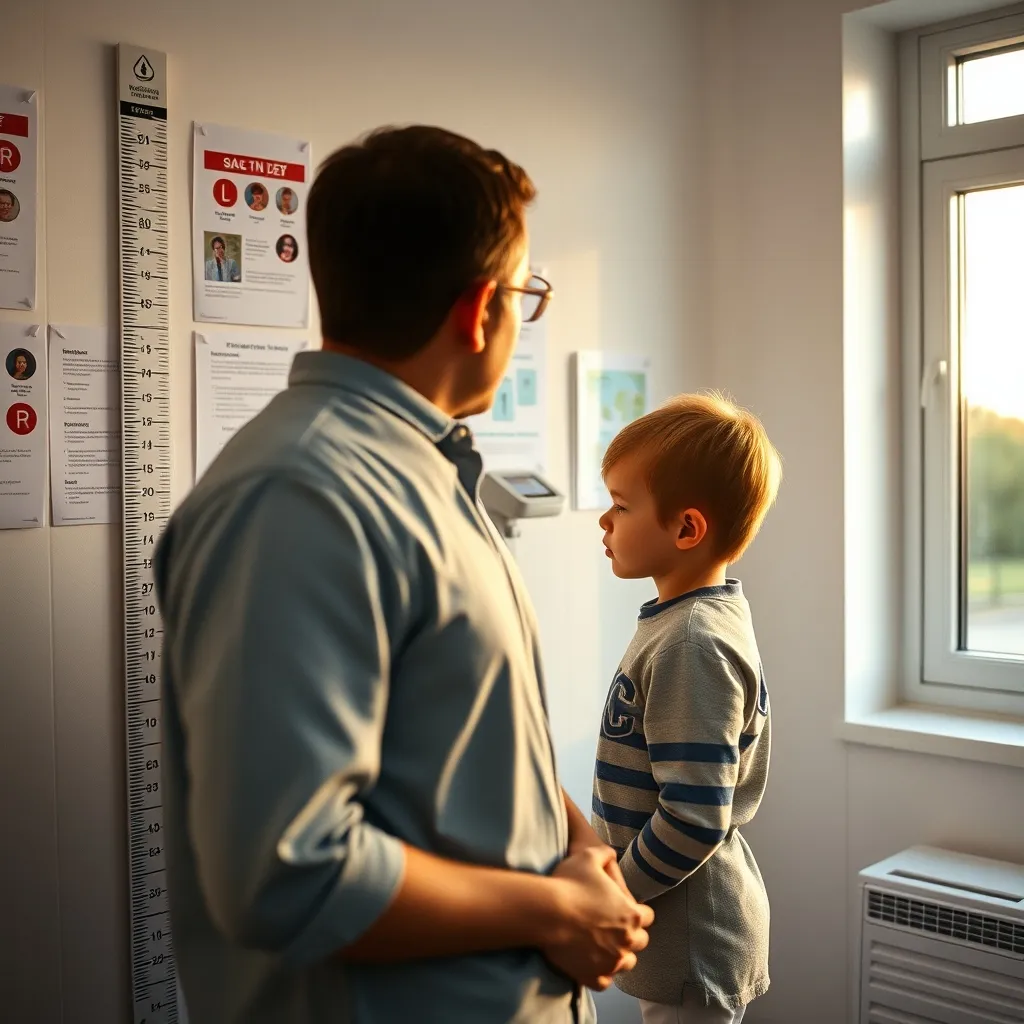
What strikes me most in my clinical practice is how normalised excess weight has become. Many parents I work with are genuinely surprised when their child’s measurements indicate a concern, because so many children around them look similar. This normalisation is itself part of the problem, and it is one reason why understanding the childhood obesity UK statistics matters so much.
How Childhood Obesity Is Measured in the UK
Before we dive deeper into the trends, it is worth understanding how we actually measure childhood obesity in this country. The primary tool is the Body Mass Index (BMI), but it works differently for children than for adults.
For adults, fixed BMI thresholds define whether someone is underweight, healthy weight, overweight or obese. For children, we use BMI centile charts that account for age and sex, because children’s body composition changes naturally as they grow. A child is generally considered overweight if their BMI is at or above the 85th centile and obese if at or above the 95th centile on the UK90 growth reference charts.
The National Child Measurement Programme is the largest systematic measurement exercise in England. Every year, trained staff measure the height and weight of children in Reception and Year 6. Parents receive a letter with their child’s results, and the aggregated, anonymised data feeds into national statistics. Similar programmes operate across the devolved nations, though the exact methodology and age groups measured can vary slightly.
I often explain to parents that BMI is a screening tool, not a diagnosis. It does not distinguish between muscle and fat, and it cannot tell us everything about a child’s health. However, at a population level, it remains our most practical and reliable way of tracking trends over time. If you are curious about your own child’s measurements, the NHS BMI calculator for children is freely available online and gives results based on the same centile charts used by health professionals.
Trends Over Time: What the Data Shows
Looking at childhood obesity UK statistics over the past two decades reveals a complicated story. Between the early 2000s and 2019, obesity prevalence in Year 6 children crept steadily upwards, rising from around 19% in 2006/07 to approximately 21% in 2018/19. Reception year figures remained more stable, hovering around 9 to 10%.
Then the COVID-19 pandemic hit, and the data changed dramatically. The 2020/21 NCMP data showed a significant spike: obesity in Reception children jumped to 14.4%, and in Year 6 it reached 25.5%. These were the sharpest single-year increases ever recorded in the programme’s history.
| Academic Year | Reception (age 4–5) Obesity % | Year 6 (age 10–11) Obesity % |
|---|---|---|
| 2006/07 | 9.9% | 17.5% |
| 2010/11 | 9.4% | 19.0% |
| 2015/16 | 9.3% | 19.8% |
| 2018/19 | 9.7% | 20.2% |
| 2020/21 | 14.4% | 25.5% |
| 2022/23 | 10.3% | 22.7% |
| 2023/24 | 10.0% | 21.5% |
The reasons behind the pandemic spike are well documented. School closures meant less structured physical activity, more screen time, disrupted routines and, for many families, increased reliance on cheaper, calorie-dense foods. The children measured in 2020/21 had lived through months of lockdown during a critical period of their development.
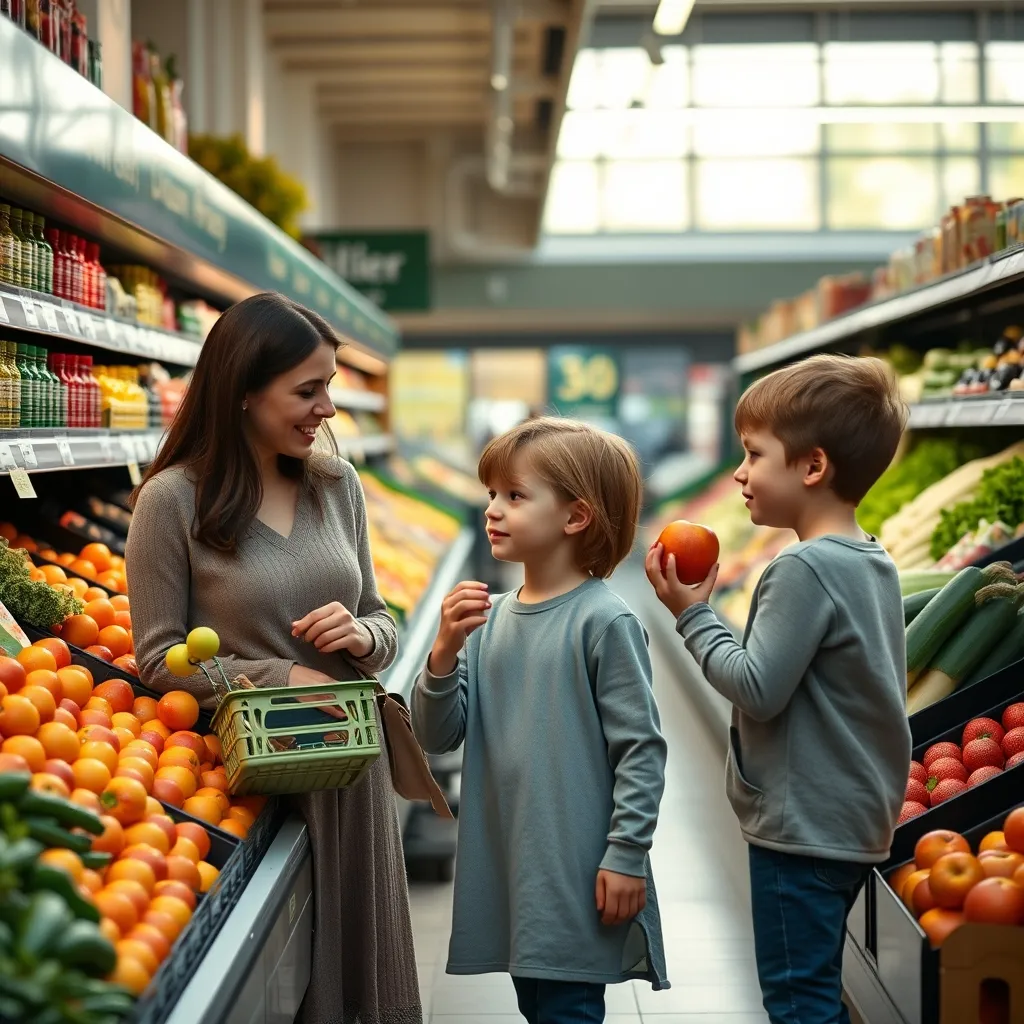
The encouraging news is that post-pandemic figures have started to come down. The 2023/24 data shows a return towards pre-pandemic levels, particularly in Reception. However, Year 6 figures remain notably higher than they were in 2018/19, suggesting that the pandemic may have left a lasting imprint on a generation of children. In my practice, I continue to see families who developed habits during lockdown that have proven remarkably difficult to reverse.
According to data from the House of Commons Library obesity briefing, the long-term trajectory of childhood obesity in the UK has been broadly upward since reliable measurements began. While the rate of increase has slowed in recent years, we have not yet achieved a sustained downward trend at a national level.
Regional and Deprivation Differences
One of the most important and troubling aspects of childhood obesity UK statistics is the stark inequality they reveal. The relationship between deprivation and childhood obesity is one of the most consistent findings in public health research, and the UK data illustrates it powerfully.
Children living in the most deprived 10% of areas in England are more than twice as likely to be obese as those in the least deprived 10%. In Year 6, obesity prevalence in the most deprived decile has reached figures above 30%, compared with around 12 to 14% in the least deprived areas. This gap has not narrowed over time; if anything, it has widened, particularly following the pandemic.
Regionally, the picture varies considerably. The North East, the West Midlands and London tend to report higher obesity rates than the South East and South West. However, even within regions, there can be enormous variation between local authorities. A child growing up in one part of a city may face very different odds from a child just a few miles away.
These disparities are not simply about individual choices. They reflect structural factors including food affordability, access to green spaces for play, the density of fast food outlets near schools, housing conditions, parental working patterns and levels of stress. Families on lower incomes often face a “double burden”: less time and fewer resources to prepare nutritious meals, combined with living in environments that make unhealthy choices the default. This is why programmes like free school meals and initiatives to improve school meal quality matter so much.
In Wales and Scotland, data shows similar deprivation gradients. The Welsh Child Measurement Programme and Scottish Health Survey both confirm that childhood obesity is disproportionately concentrated in the most disadvantaged communities. Addressing childhood obesity without addressing inequality is, in my professional view, simply not possible.
Ethnicity and Gender Breakdowns
The relationship between ethnicity and childhood obesity is nuanced, and it is important to discuss it with care. Data from the NCMP and the Government’s Ethnicity Facts and Figures service shows that obesity prevalence varies significantly between ethnic groups.
Children from Black African and Black Caribbean backgrounds consistently show higher obesity rates than the national average, particularly in Year 6, where prevalence can exceed 30%. Children from Bangladeshi and Pakistani backgrounds also tend to have above-average rates. In contrast, children from Chinese backgrounds typically show the lowest obesity prevalence.
These differences are complex and multifactorial. They involve genetic predispositions to carrying weight differently, cultural attitudes towards food and body size, socioeconomic factors (since ethnic minority communities in the UK are disproportionately represented in more deprived areas), and variations in dietary patterns. It is critical that we do not use these statistics to stigmatise any community. Instead, they should inform culturally sensitive interventions that work with families rather than imposing a one-size-fits-all approach.
Regarding gender, the differences are less pronounced but still noteworthy. In Reception year, boys tend to have slightly higher obesity rates than girls. By Year 6, the gap narrows, though boys generally remain slightly more affected. The Health Survey for England provides detailed breakdowns that confirm this pattern across different age groups and measurement years.
What I find particularly concerning is the intersection of these factors. A boy from a deprived area belonging to a higher-risk ethnic group faces compounding disadvantages. Effective public health strategies need to recognise and address these intersecting inequalities rather than treating each factor in isolation.
Health Consequences of Childhood Obesity
Understanding the statistics is important, but we must also understand what they mean for children’s health, both now and in the future. In my clinical work, I see the consequences of childhood obesity every day, and they extend far beyond what many people realise.
In the short term, children living with obesity are at increased risk of musculoskeletal problems, sleep apnoea, asthma, and early signs of metabolic syndrome, including elevated blood pressure and abnormal blood lipid levels. I am seeing conditions in children that, 20 years ago, were almost exclusively seen in middle-aged adults.
The link between childhood obesity and type 2 diabetes is particularly alarming. Cases of type 2 diabetes in children and teenagers have risen dramatically in recent years, mirroring obesity trends. This is a disease that, left unmanaged, can lead to serious complications including kidney disease, vision loss and cardiovascular problems.

The psychological impact should not be underestimated either. Children with obesity are more likely to experience bullying, low self-esteem, anxiety and depression. There is a strong connection between children’s mental health and nutrition, and the stigma associated with weight can create a vicious cycle where emotional distress leads to comfort eating, which leads to further weight gain.
Perhaps most significantly, research consistently shows that obesity in childhood tracks into adulthood. A child who is obese at age 11 has a significantly higher probability of being an obese adult, with all the associated long-term health risks: heart disease, certain cancers, stroke, and reduced life expectancy. This is why early intervention is so critical. The habits and metabolic patterns established in childhood lay the foundation for lifelong health.
There is also growing evidence about the impact on gut health, with research suggesting that obesity in childhood can alter the gut microbiome in ways that may have lasting effects on immune function and metabolism. While this field is still developing, it adds another layer of urgency to addressing the problem early.
Government Policy and the Public Health Response
The UK government has introduced a range of policies aimed at tackling childhood obesity, with varying degrees of success. Understanding these policies helps us see both the progress that has been made and the gaps that remain.
The Soft Drinks Industry Levy (often called the “sugar tax”), introduced in 2018, is widely regarded as one of the most effective interventions. Before the levy even came into effect, many manufacturers reformulated their products to reduce sugar content. Public Health England estimated that the sugar content of drinks subject to the levy fell by 46% between 2015 and 2020. This is a powerful example of how fiscal policy can drive industry change.
The government’s Childhood Obesity Plan, first published in 2016 and updated in 2018, set out a broader strategy including calorie reduction programmes, restrictions on price promotions of unhealthy foods, and the upcoming junk food advertising ban that will restrict advertising of foods high in fat, sugar and salt before the 9pm watershed and online. This measure, repeatedly delayed, represents a significant step in reducing children’s exposure to marketing of unhealthy products.
Local authorities play a vital role too. Many councils have introduced planning restrictions on new fast food outlets near schools, invested in active travel infrastructure, and funded community programmes to support families. The Change4Life and Better Health campaigns from the NHS have provided practical resources for families, though their reach and impact vary.
However, I must be honest: progress has been slower than many of us in the public health community would like. Several promised measures have been delayed or watered down. Voluntary industry reformulation targets have met with mixed compliance. And the fundamental drivers of childhood obesity, including poverty, food insecurity and the ubiquity of ultra-processed foods, require sustained, long-term commitment that goes beyond any single policy announcement.
The government’s commitment to tackling childhood obesity is clear in its public statements, but translating that commitment into measurable, sustained reductions in prevalence remains the challenge. In my view, we need bolder action on food affordability, stronger regulation of ultra-processed food marketing, and significantly more investment in community-level prevention programmes.
What Families Can Do: Turning Statistics Into Action
Reading about childhood obesity UK statistics can feel overwhelming for parents. But while systemic change is essential, there is also a great deal that families can do right now to support their children’s health. In my practice, I focus on practical, sustainable changes rather than dramatic overhauls.
Start with the food environment at home. You do not need to ban treats entirely, but making healthier options the easy choice makes an enormous difference. Keep fruit visible and accessible. Reduce the amount of sugar in your child’s diet gradually rather than all at once. Plan packed lunches and after-school snacks in advance so that you are not reaching for convenience options when time is short.
Focus on building positive habits rather than restricting food. Research consistently shows that restrictive approaches can backfire, leading to a difficult relationship with food or even contributing to disordered eating patterns. Instead, concentrate on positive mealtime habits and eating together as a family whenever possible.
Get children moving. The UK guidelines recommend at least 60 minutes of moderate to vigorous physical activity every day for children aged 5 to 18. This does not need to be structured sport; walking, cycling, playing in the park and active play all count. If your child is a reluctant mover, find activities they genuinely enjoy rather than forcing them into something they dislike.
Be mindful of portion sizes. Children need fewer calories than adults, but it is easy to serve adult-sized portions without realising. Using smaller plates, letting children serve themselves, and avoiding the pressure to “clear your plate” can all help children learn to recognise their own hunger and fullness cues.
For children who are fussy eaters, the challenge can feel even greater. I always reassure parents that persistence and patience matter more than perfection. Offering a variety of foods without pressure, involving children in meal preparation, and modelling healthy eating yourself are all evidence-based strategies that work. Even breakfast for fussy eaters can become a positive experience with the right approach.
Do not be afraid to seek help. If you are concerned about your child’s weight, speak to your GP or health visitor. Many areas offer family weight management programmes, and a referral to a paediatric dietitian can provide tailored, non-judgemental support. The key strategies outlined in childhood obesity prevention are achievable for most families with the right guidance.
Key Points
- Check your child’s BMI using the NHS BMI calculator at least once a year to spot trends early
- Prioritise 60 minutes of daily physical activity, including active play, walking and cycling
- Reduce sugar and ultra-processed foods gradually rather than imposing sudden bans
- Create positive mealtime routines and avoid using food as a reward or punishment
- Speak to your GP or health visitor if you have concerns; early support makes a real difference
Frequently Asked Questions
What percentage of UK children are obese?
According to the most recent NCMP data, approximately 10% of Reception children (aged 4 to 5) and 21 to 22% of Year 6 children (aged 10 to 11) in England are classified as obese. When overweight children are included, around 1 in 3 Year 6 children are above a healthy weight. Figures across Scotland, Wales and Northern Ireland are broadly similar.
The long-term trend has been upward since measurements began. Obesity rates spiked significantly during the COVID-19 pandemic in 2020/21 and have since started to decline. However, current figures remain above pre-pandemic levels, particularly in Year 6. Whether this represents a lasting shift or a temporary blip is still being monitored by public health researchers.Is childhood obesity increasing in the UK?
Multiple factors contribute to the deprivation gap. Families on lower incomes often have less access to affordable healthy food, live in areas with fewer green spaces for play, have higher exposure to fast food outlets, and face greater time pressures that make meal preparation harder. These structural factors interact with stress, food insecurity and limited access to health services to create a significantly higher risk environment.Why is childhood obesity worse in deprived areas?
The primary method is Body Mass Index (BMI), plotted on age- and sex-specific centile charts (the UK90 growth reference). Children at or above the 85th centile are considered overweight, and those at or above the 95th centile are classified as obese. The National Child Measurement Programme measures children in Reception and Year 6 each year across England.How is childhood obesity measured in the UK?
Key measures include the Soft Drinks Industry Levy (sugar tax), upcoming restrictions on junk food advertising before 9pm and online, calorie labelling requirements for large food businesses, and voluntary reformulation targets for the food industry. Local authorities also implement planning restrictions on fast food outlets near schools and fund community health programmes.What is the government doing about childhood obesity?
Weight concerns can be relevant at any age from around 2 years old, when BMI centile charts become reliable. The NCMP measures children at ages 4 to 5 and 10 to 11, but you do not need to wait for these checks. If you are worried at any stage, speak to your health visitor or GP, who can plot your child’s measurements and advise on next steps. Early identification and gentle lifestyle changes are far more effective than waiting.At what age should I be concerned about my child’s weight?