Key Takeaways
- Iron deficiency is the most common nutritional deficiency in UK children, affecting up to 1 in 8 toddlers
- Children aged 1–3 need 6.9 mg of iron per day, while those aged 11–18 need up to 14.8 mg
- Symptoms include pale skin, fatigue, poor concentration and increased susceptibility to infections
- Pairing iron-rich foods with vitamin C increases absorption by up to 6 times
- Excessive cow’s milk intake (more than 350 ml per day for toddlers) can inhibit iron absorption
- Untreated iron deficiency can affect cognitive development, behaviour and school performance
In This Article
- What Is Iron Deficiency and Why Does It Matter?
- Symptoms of Iron Deficiency in Children
- Causes and Risk Factors
- How Much Iron Do Children Need?
- Iron-Rich Foods for Children
- Improving Iron Absorption: What Helps and What Hinders
- Behavioural Signs of Iron Deficiency
- When to See Your GP
- Treatment and Supplements
- Practical Meal Ideas to Boost Iron Intake
What Is Iron Deficiency and Why Does It Matter?
As a paediatric nutritionist, iron deficiency is one of the concerns I encounter most frequently in my clinic. It is the most common nutritional deficiency worldwide, and UK children are far from immune. Iron is an essential mineral that plays a critical role in producing haemoglobin, the protein in red blood cells that carries oxygen around the body. Without adequate iron, every cell in your child’s body receives less oxygen, affecting energy, growth and brain development.
Iron deficiency in children exists on a spectrum. Initially, iron stores (measured as ferritin) become depleted. If left unchecked, this progresses to iron deficiency anaemia, where haemoglobin levels drop below normal ranges. According to NHS guidance on iron deficiency anaemia, this condition can have significant impacts on a child’s physical and mental development if not addressed promptly.
What concerns me most in clinical practice is that iron deficiency often develops gradually. Parents may attribute their child’s tiredness or irritability to busy schedules or growth spurts, when the underlying cause is actually inadequate iron intake. The good news is that with the right dietary changes and, where necessary, supplementation, iron levels can be restored effectively.
Symptoms of Iron Deficiency in Children
Recognising iron deficiency in children can be challenging because symptoms often develop slowly. I always tell parents to look for a cluster of signs rather than relying on a single symptom. The most common indicators include:
- Pale skin, particularly noticeable around the eyes, nail beds and inside the lower eyelid
- Persistent fatigue and low energy levels that seem disproportionate to activity
- Shortness of breath during physical activity or play
- Poor appetite or unusual food cravings (known as pica), such as wanting to eat ice, dirt or paper
- Frequent infections, as iron supports immune function
- Cold hands and feet
- Brittle nails or nails that curve inward (spoon-shaped)
- Sore or swollen tongue
- Headaches and dizziness
In babies and toddlers, the signs can be subtler. You might notice your child is less interested in food, seems unusually fussy, or isn’t reaching developmental milestones as expected. Some parents report that their child’s skin has taken on a slightly yellowish tinge alongside pallor. If you’re concerned about your child’s nutrition more broadly, understanding whether your child might be underweight can provide additional context.
Causes and Risk Factors
Iron deficiency in children typically results from one or more of the following factors:
Inadequate dietary intake
This is the most common cause I see in practice. Children who are fussy eaters, follow restricted diets, or consume excessive amounts of milk and processed foods often fail to meet their iron requirements. If your child struggles with eating a varied diet, my guide on healthy breakfast ideas for fussy eaters offers practical strategies that can help increase iron intake from the first meal of the day.
Rapid growth
During periods of fast growth, particularly in the first two years of life and during adolescence, iron requirements increase substantially. The body needs more iron to support expanding blood volume and muscle mass.
Excessive cow’s milk consumption
This is a cause that surprises many parents. Cow’s milk is low in iron and, when consumed in large quantities, can reduce appetite for iron-rich foods. Additionally, the calcium and casein in milk actively inhibit iron absorption. I recommend limiting cow’s milk to no more than 350 ml per day for toddlers.
Blood loss
In older children and teenagers, blood loss through heavy menstrual periods is a significant risk factor. Less commonly, conditions such as coeliac disease or inflammatory bowel disease can cause chronic blood loss from the gut.
Prematurity and low birth weight
Babies born before 37 weeks or weighing less than 2,500 g at birth have lower iron stores from the outset, as the majority of iron transfer from mother to baby occurs in the third trimester.
Poverty and food insecurity
I cannot discuss iron deficiency without acknowledging the role of socioeconomic factors. Families experiencing financial hardship may struggle to afford iron-rich foods such as lean red meat and fresh vegetables. The relationship between poverty, deprivation and children’s nutrition is well documented and remains a pressing concern in the UK.
How Much Iron Do Children Need?
Iron requirements vary considerably by age and sex. The following table, based on UK Dietary Reference Values, outlines the recommended daily intake:
| Age Group | Recommended Daily Iron Intake (mg) | Key Considerations |
|---|---|---|
| 0–3 months | 1.7 | Usually met through breast milk or formula |
| 4–6 months | 4.3 | Iron stores from birth begin to deplete |
| 7–12 months | 7.8 | Weaning foods must include iron sources |
| 1–3 years | 6.9 | Risk period due to fussy eating and milk reliance |
| 4–6 years | 6.1 | Growth demands remain high |
| 7–10 years | 8.7 | Active children need more |
| 11–18 years (boys) | 11.3 | Rapid growth and muscle development |
| 11–18 years (girls) | 14.8 | Menstruation increases requirements significantly |
These figures represent the Reference Nutrient Intake (RNI), which is the amount sufficient to meet the needs of 97.5% of the population. For children with increased needs due to prematurity, chronic illness, or vegetarian/vegan diets, requirements may be higher. Understanding how much children need to eat by age can help you plan meals that meet both energy and micronutrient requirements.
Iron-Rich Foods for Children
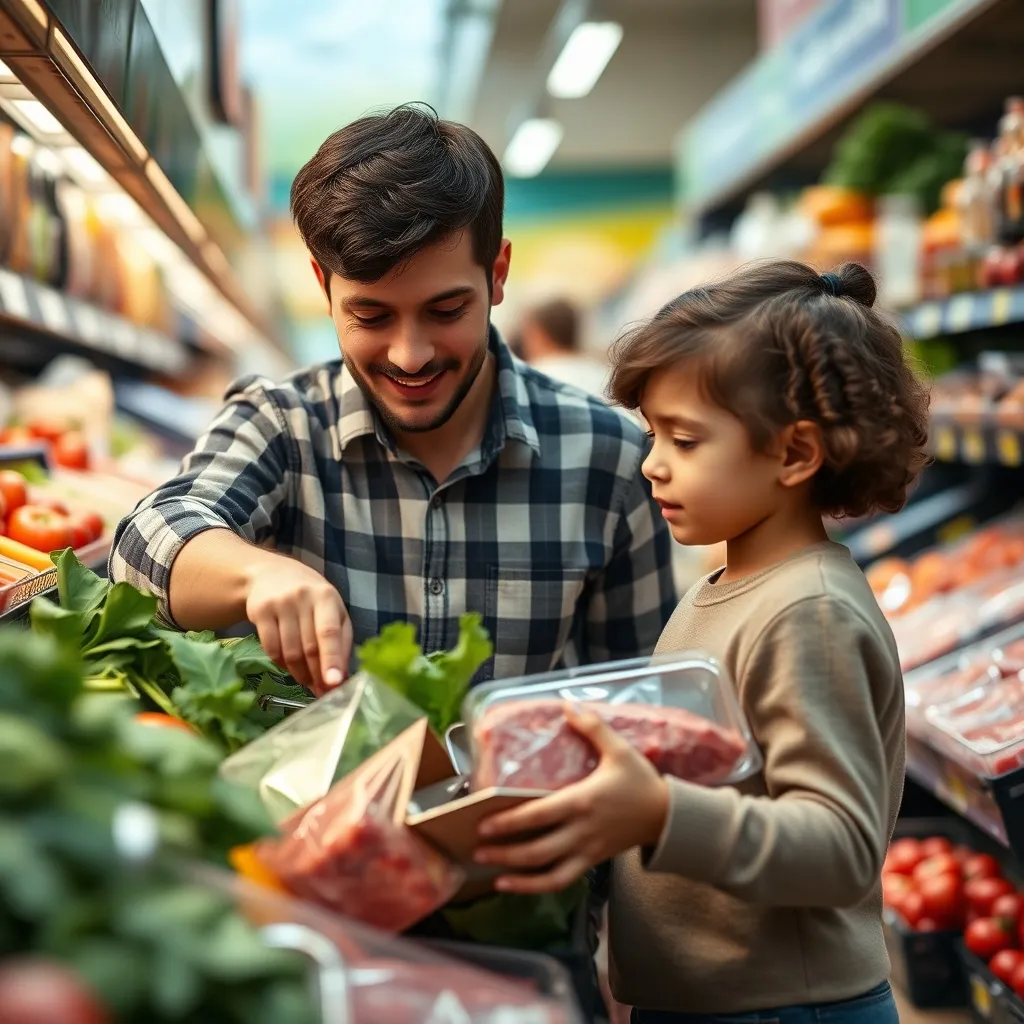
There are two forms of dietary iron: haem iron (found in animal sources) and non-haem iron (found in plant sources). Haem iron is absorbed approximately 2–3 times more efficiently than non-haem iron, but both contribute meaningfully to your child’s intake.
Best sources of haem iron
- Red meat (beef, lamb): 2.5–3.5 mg per 100 g
- Liver and liver pate: up to 17 mg per 100 g (limit to once per week)
- Dark poultry meat (chicken thighs, turkey legs): 1.0–1.5 mg per 100 g
- Oily fish (sardines, mackerel): 1.5–2.5 mg per 100 g
- Shellfish (mussels, cockles): 3.0–6.7 mg per 100 g
Best sources of non-haem iron
- Fortified breakfast cereals: 4–12 mg per serving (check labels)
- Lentils and chickpeas: 3.5 mg per 100 g cooked
- Dark green vegetables (spinach, kale, broccoli): 1.5–2.7 mg per 100 g
- Tofu: 5.4 mg per 100 g
- Dried apricots and figs: 3.4 mg per 100 g
- Wholemeal bread: 2.4 mg per 100 g
- Kidney beans and baked beans: 1.5–2.5 mg per 100 g
- Eggs: 1.9 mg per egg
For families following vegetarian or vegan diets, I recommend paying particular attention to iron intake and combining multiple plant sources throughout the day. The NHS guidance on iron in the diet provides additional detail on recommended sources for different dietary patterns.
Improving Iron Absorption: What Helps and What Hinders
It is not simply about how much iron your child eats; how well they absorb it matters enormously. In my clinic, I spend considerable time educating families about the factors that enhance or inhibit iron absorption.
Factors that ENHANCE iron absorption
- Vitamin C: This is the single most powerful enhancer of non-haem iron absorption. Including a source of vitamin C at every meal can increase absorption by up to six times. Good sources include oranges, strawberries, peppers, tomatoes and kiwi fruit.
- Haem iron: Including even a small amount of meat or fish alongside plant-based iron sources boosts absorption of non-haem iron.
- Fermented foods: Foods like sourdough bread may improve mineral availability.
Factors that INHIBIT iron absorption
- Calcium and dairy: Calcium competes with iron for absorption. Avoid serving milk or cheese at the same time as iron-rich foods.
- Tannins in tea: Tea can reduce iron absorption by up to 60%. Children should not be given tea with meals.
- Phytates: Found in wholegrain cereals, nuts and legumes. Soaking, sprouting or fermenting these foods reduces phytate content.
- Excessive fibre: While fibre is important, very high-fibre diets in young children can bind minerals including iron.
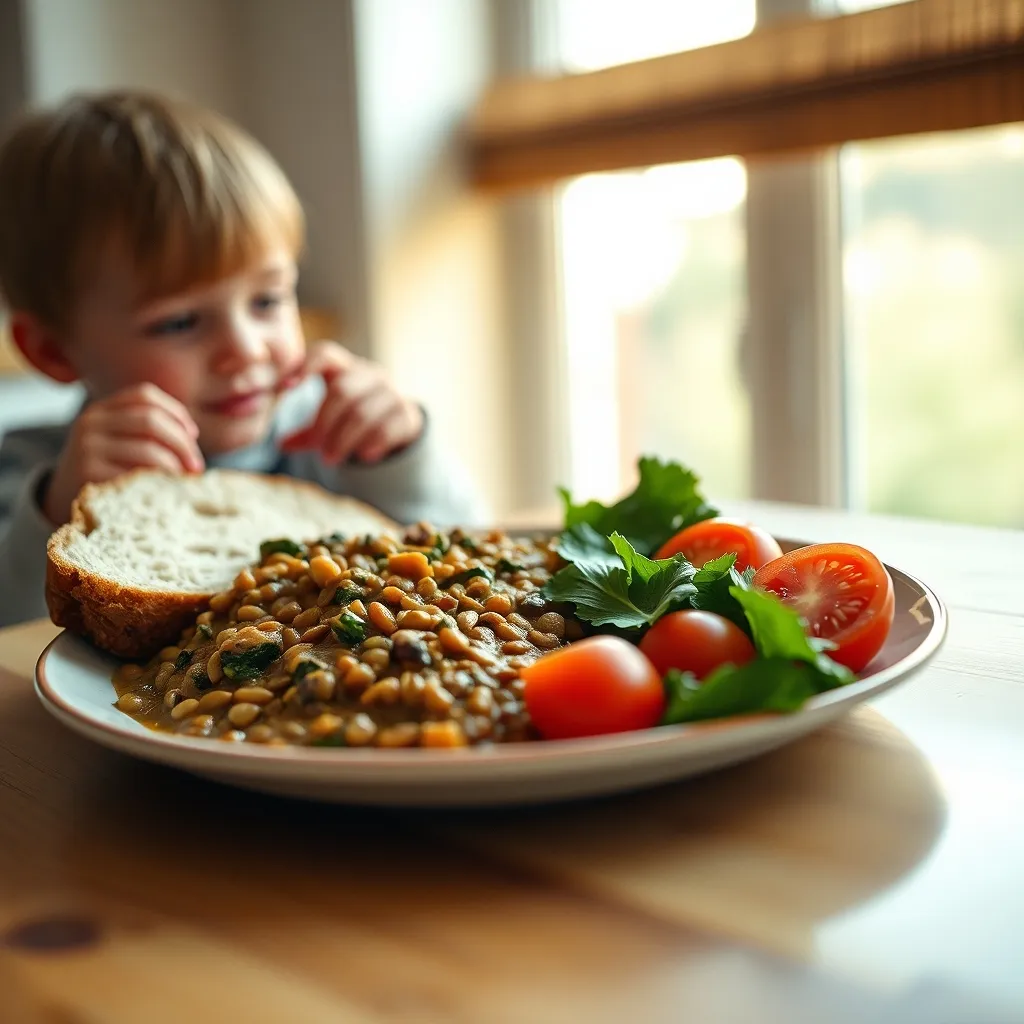
A practical example: serving your child’s lentil bolognese with a glass of orange juice and a side of steamed broccoli will dramatically improve the iron they absorb from that meal compared to serving it with a glass of milk.
Behavioural Signs of Iron Deficiency
One aspect of iron deficiency that I find many parents are unaware of is its impact on behaviour and cognitive function. Iron is essential for brain development, neurotransmitter production and myelination of nerve fibres. When iron levels fall, the brain is affected alongside the body.
Behavioural signs I commonly observe in iron-deficient children include:
- Difficulty concentrating at school or during homework
- Irritability and mood swings that seem out of character
- Reduced attention span and increased distractibility
- Apathy or withdrawal from activities they previously enjoyed
- Sleep disturbances, including restless legs at night
- Slower processing speed and difficulty retaining new information
- Increased anxiety in some children
Research has shown that iron deficiency in the first two years of life can have lasting effects on cognitive development, even after iron levels are restored. This underscores the importance of prevention rather than treatment. The connection between children’s mental health and nutrition is increasingly recognised by healthcare professionals, and iron plays a central role in this relationship.
I have also seen cases where children with iron deficiency are mistakenly thought to have attention difficulties. If your child has been showing signs of ADHD-like symptoms, it is worth having their iron levels checked before pursuing other assessments.

When to See Your GP
I recommend consulting your GP if your child shows several of the symptoms mentioned above, particularly if they persist for more than two to three weeks. Specific situations that warrant prompt medical attention include:
- Marked pallor that has developed or worsened over time
- Extreme fatigue that interferes with daily activities
- Pica (craving non-food items)
- Rapid breathing or heart rate at rest
- Poor weight gain or growth concerns
- Heavy menstrual periods in teenage girls
Your GP will typically request a full blood count and ferritin level. A ferritin below 15 micrograms per litre generally indicates depleted iron stores, though some laboratories use different reference ranges for children. According to NICE treatment guidelines for iron deficiency anaemia, further investigation may be needed if iron deficiency is confirmed, particularly to rule out underlying causes such as coeliac disease.
Treatment and Supplements
Treatment of iron deficiency depends on its severity. For mild cases, dietary modification alone may be sufficient. For confirmed iron deficiency anaemia, your GP will typically prescribe an oral iron supplement.
Dietary approach (mild deficiency)
Focus on increasing iron-rich foods at every meal and snack, optimising vitamin C intake, and reducing inhibitors of absorption. Review milk intake and limit to recommended amounts. Reassess after 4–6 weeks.
Oral iron supplements
The standard treatment dose for children is 3–6 mg of elemental iron per kg body weight per day, usually divided into 2–3 doses. Common preparations in the UK include:
- Sytron (sodium feredetate): often preferred for young children as it is better tolerated and less likely to stain teeth
- Ferrous fumarate: available as tablets or liquid for older children
- Ferrous sulphate: widely prescribed and effective
Side effects can include constipation, dark stools and tummy ache. I advise parents to give supplements between meals with a vitamin C source (such as diluted orange juice) for optimal absorption. Treatment typically continues for 3 months after haemoglobin normalises to replenish iron stores fully.
It is important never to give your child iron supplements without medical guidance, as excessive iron can be harmful. Always follow your GP’s recommended dose.
Practical Meal Ideas to Boost Iron Intake
Putting theory into practice is where many families struggle. Here are some child-friendly meal ideas that pack in iron while remaining appealing to young palates:
Breakfast
- Fortified cereal with sliced strawberries (not served with excessive milk)
- Scrambled eggs on wholemeal toast with cherry tomatoes
- Porridge made with fortified oat milk, topped with dried apricots and a squeeze of orange
Lunch
- Lentil soup with crusty bread and red pepper sticks
- Hummus and lean roast beef wraps with cucumber and tomato
- Baked beans on toast with a glass of orange juice
Dinner
- Beef or lamb mince bolognese with wholemeal pasta and broccoli
- Chicken thigh stir-fry with tofu, pak choi and peppers
- Fish pie with spinach stirred through the potato topping
- Bean and vegetable chilli with rice
Snacks
- Trail mix with dried apricots, pumpkin seeds and dark chocolate chips
- Houmous with red pepper and cucumber sticks
- Fortified cereal bars
Getting children involved in food preparation can also help increase their willingness to try iron-rich foods. My guide on cooking with children offers age-appropriate ideas, and encouraging vegetable consumption more broadly will naturally increase iron intake from plant sources.
For toddlers specifically, understanding appropriate portion sizes and nutritional needs for 1–3 year olds can help you gauge whether your child’s diet is meeting their iron requirements. Creating positive mealtime habits also supports better overall nutrition, including iron intake.
Key Points
- Include a source of vitamin C (orange juice, peppers, berries) at every meal to maximise iron absorption
- Limit cow’s milk to no more than 350 ml per day for toddlers and avoid serving it alongside iron-rich foods
- Offer iron-rich foods at least twice daily, combining both haem and non-haem sources where possible
- See your GP if your child shows persistent pallor, fatigue or behavioural changes lasting more than 2–3 weeks
- Never give iron supplements without medical advice; follow the prescribed dose for 3 months after haemoglobin normalises
Frequently Asked Questions
What are the first symptoms of low iron in children?
The earliest signs of low iron in children are often subtle. I typically see persistent tiredness, pallor (especially noticeable inside the lower eyelids and in nail beds), reduced appetite, and increased susceptibility to colds and infections. Young children may become unusually irritable or clingy. These symptoms develop gradually, so comparing your child’s energy levels and complexion over several weeks can be more revealing than looking for sudden changes.
The fastest way to raise iron levels is through prescribed iron supplements combined with dietary changes. For dietary improvement alone, focus on haem iron sources (red meat, dark poultry meat) paired with vitamin C at every meal. Reduce dairy intake around mealtimes and eliminate tea. Fortified cereals provide a reliable daily iron boost. If your child has confirmed iron deficiency anaemia, supplements prescribed by your GP will typically show improvement in haemoglobin within 2–4 weeks, though full restoration of iron stores takes around 3 months.How can I raise my child’s iron levels quickly?
Among vegetables, spinach (2.7 mg per 100 g), kale, spring greens and Swiss chard offer the highest iron content. Peas, broccoli and Brussels sprouts are also good sources. For fruits, dried apricots (3.4 mg per 100 g), dried figs, prunes and raisins contain the most iron. Fresh fruits like strawberries, oranges and kiwi are lower in iron themselves but are excellent sources of vitamin C, which dramatically improves absorption of iron from other foods eaten at the same meal.What fruits and vegetables are highest in iron?
Yes, this is one of the most common causes of iron deficiency I see in toddlers aged 1–3. Excessive milk intake (more than 350–400 ml per day) causes problems in three ways: it fills small tummies, reducing appetite for iron-rich solid foods; the calcium in milk directly inhibits iron absorption; and proteins in cow’s milk can cause microscopic blood loss from the gut lining in some young children. I recommend offering milk after meals rather than before, and ensuring it does not replace iron-rich foods.Can too much milk cause iron deficiency in toddlers?
I strongly advise against giving iron supplements without medical guidance. Iron is one of the few nutrients where excess intake can be genuinely harmful, particularly in young children. Too much iron can cause nausea, constipation, and in severe cases, organ damage. If you suspect your child is iron deficient, see your GP for a simple blood test (full blood count and ferritin). This will confirm whether supplementation is needed and guide the correct dose. In the meantime, dietary improvements are safe and beneficial for all children.Should I give my child an iron supplement without a blood test?
Vegetarian and vegan children do face a higher risk because they rely entirely on non-haem iron, which is less readily absorbed than the haem iron found in meat and fish. However, with careful planning, these children can absolutely meet their iron needs. Key strategies include eating iron-rich plant foods (lentils, beans, tofu, fortified cereals) at every meal, always pairing them with vitamin C, and being mindful of absorption inhibitors. I recommend that vegetarian and vegan children have their iron levels checked annually as a precaution.Are vegetarian and vegan children more at risk of iron deficiency?