

Key Takeaways
- Around 1 in 5 children in the UK develops eczema, and dietary triggers play a role in roughly 30% of moderate-to-severe cases
- The six most common food triggers are cow’s milk, eggs, wheat, soya, peanuts and tree nuts
- An elimination diet should only be carried out under medical supervision to avoid nutritional deficiencies
- Foods rich in omega-3 fatty acids, zinc and vitamin D may help reduce eczema flare-ups in children
- Keeping a food and symptom diary for at least four weeks is the recommended first step before removing any food group
- The NHS advises against self-diagnosing food allergies; always seek allergy testing through your GP or paediatrician first
In This Article
- Understanding the Link Between Eczema and Diet in Children
- Common Food Triggers That May Worsen Eczema
- Foods That May Help Improve Eczema Symptoms
- Elimination Diets: How They Work and When to Consider One
- Keeping a Food and Symptom Diary
- Maintaining Nutritional Balance While Managing Eczema
- Practical Meal Ideas for Children With Eczema
- When to See a Doctor About Your Child’s Eczema and Diet
As a paediatric nutritionist who has spent over 15 years working with families across the NHS and in private practice, one of the questions I hear most often is: “Could my child’s eczema be caused by something they’re eating?” It is a perfectly reasonable question, and the answer is more nuanced than many parents expect. In this guide, I will walk you through the evidence on eczema diet children connections, which foods may trigger flare-ups, and which foods could genuinely help soothe your child’s skin from the inside out.
Eczema, or atopic dermatitis, affects approximately one in five children in the UK at some point during childhood. For many families, it causes considerable distress: the itching disrupts sleep, the visible patches affect confidence, and the relentless cycle of flare-ups can feel exhausting. While diet is not the sole cause of eczema, research shows it can be a significant contributing factor, particularly in younger children with moderate-to-severe symptoms.
Understanding the Link Between Eczema and Diet in Children
Eczema is fundamentally a condition of the skin barrier. In children with atopic dermatitis, the skin does not retain moisture effectively, making it more vulnerable to irritants, allergens and infections. The immune system then overreacts, triggering the inflammation, redness and itching that characterise eczema.
So where does food fit in? According to NHS guidance on atopic eczema, food allergies can be both a trigger for eczema flare-ups and a co-existing condition. Research suggests that around 30% of children with moderate-to-severe eczema have an identifiable food allergy. However, it is crucial to understand that having eczema does not automatically mean your child has a food allergy, and removing foods unnecessarily can do more harm than good.
There are two main ways food can affect eczema:
- IgE-mediated food allergy: This involves an immediate immune reaction, usually within minutes to two hours of eating the food. Symptoms can include hives, swelling, vomiting and, in severe cases, anaphylaxis, alongside worsening eczema.
- Non-IgE-mediated or delayed reactions: These are harder to identify because symptoms may not appear for 24 to 72 hours after eating the food. Eczema flares triggered by delayed reactions can be particularly frustrating to pin down.
I always remind parents that correlation does not equal causation. A child might eat strawberries one evening and have a flare-up the next morning, but that does not necessarily mean the strawberries caused it. This is precisely why structured investigation, rather than guesswork, is so important. If you suspect your child has food allergies, professional testing is the safest and most reliable approach.

Common Food Triggers That May Worsen Eczema
While any food can theoretically trigger a reaction, research consistently identifies a handful of foods that are most commonly associated with eczema flare-ups in children. These are sometimes called the “Big Six” allergens in relation to eczema:
| Food Trigger | How Common in Eczema Children | Typical Reaction Time | Notes |
|---|---|---|---|
| Cow’s milk | Most common (up to 15% of eczema cases) | Immediate or delayed | Includes all dairy products; some tolerate baked milk |
| Hen’s eggs | Very common (around 10%) | Usually immediate | Many children tolerate well-cooked egg but react to soft-cooked |
| Peanuts | Common | Usually immediate | Often a lifelong allergy; requires careful management |
| Tree nuts | Common | Usually immediate | Includes almonds, cashews, walnuts and others |
| Wheat | Less common than milk or egg | Often delayed | Different from coeliac disease; may tolerate other grains |
| Soya | Less common | Often delayed | Found in many processed foods as a hidden ingredient |
Beyond the Big Six, some parents report flare-ups with citrus fruits, tomatoes, shellfish and certain food additives. These tend to act as irritants rather than true allergens, meaning they may cause a reaction through direct skin contact (think of tomato sauce around a toddler’s mouth) rather than through an immune-mediated process.
I also see families who have been told to avoid “inflammatory foods” such as sugar, processed meats or refined carbohydrates. While a diet high in these foods is certainly not ideal for overall health, the evidence linking them directly to eczema in children is limited. A balanced, nutrient-rich diet is always my recommendation, but I would not single out sugar as an eczema trigger without proper evidence for that individual child.
For parents managing a child who is already a fussy eater, the prospect of removing foods can feel particularly daunting. I always stress that no food should be removed from a child’s diet without professional guidance.
Foods That May Help Improve Eczema Symptoms
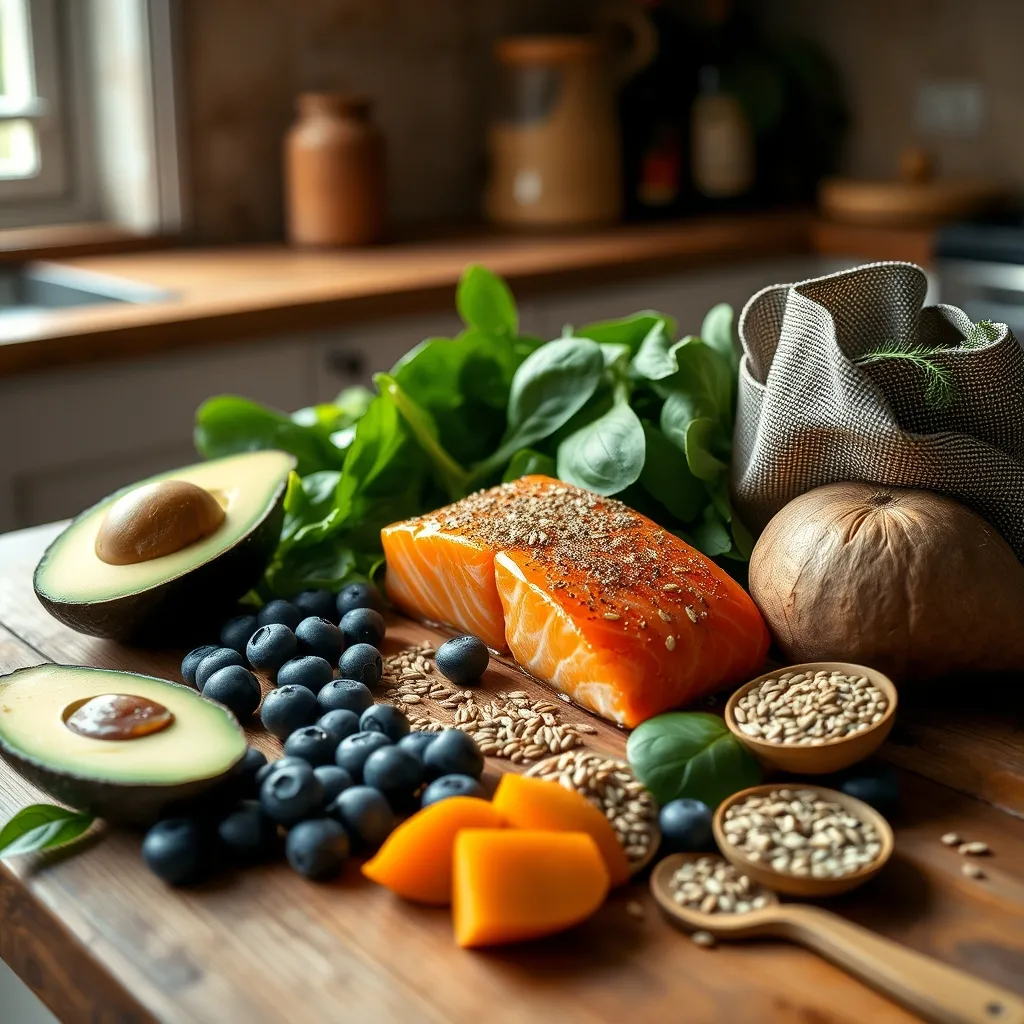
While much of the conversation around eczema and diet focuses on what to avoid, I find it far more helpful to talk about what to include. Certain nutrients have been shown to support skin health and may help reduce the frequency or severity of eczema flare-ups.
Omega-3 Fatty Acids
Omega-3 fatty acids have well-documented anti-inflammatory properties. Research published in the British Medical Journal and other peer-reviewed sources suggests that children who consume adequate omega-3 may experience fewer inflammatory skin conditions. Good sources include:
- Oily fish such as salmon, mackerel and sardines (aim for one to two portions per week)
- Flaxseeds and chia seeds, which can be stirred into porridge or smoothies
- Walnuts (if your child has no tree nut allergy)
Vitamin D
Vitamin D plays a crucial role in immune regulation and skin barrier function. In the UK, where sunshine is limited for much of the year, many children are deficient. The NHS recommends that all children aged one to four take a daily supplement containing 10 micrograms of vitamin D, and this is especially important for children with eczema. Food sources include fortified cereals, egg yolks and oily fish.
Zinc
Zinc supports wound healing and immune function, both of which are relevant to eczema management. Good sources include lean red meat, chickpeas, lentils, pumpkin seeds and wholegrain bread. I often find that children with eczema who are on restricted diets may inadvertently miss out on zinc-rich foods.
Probiotics and Prebiotics
The relationship between gut health and skin health is an active area of research. Some studies suggest that specific probiotic strains, particularly Lactobacillus rhamnosus, may help reduce eczema severity in some children. Probiotic-rich foods include natural yoghurt (if dairy is tolerated), kefir and fermented vegetables. Prebiotic foods such as bananas, onions, garlic and oats feed beneficial gut bacteria and support a healthy microbiome.
Antioxidant-Rich Fruits and Vegetables
Colourful fruits and vegetables provide vitamins A, C and E, all of which support skin repair and reduce oxidative stress. Encouraging your child to eat a variety of vegetables is one of the simplest and most effective dietary strategies for supporting skin health. Berries, sweet potatoes, spinach, peppers and broccoli are all excellent choices.
Elimination Diets: How They Work and When to Consider One
An elimination diet involves removing suspected trigger foods for a set period, typically four to six weeks, and then reintroducing them one at a time while monitoring symptoms. It is the gold standard for identifying non-IgE-mediated food triggers, but it must be done properly to be both safe and informative.
I cannot stress this enough: elimination diets in children should always be supervised by a registered dietitian or paediatric allergist. Children are growing rapidly, and removing entire food groups without adequate substitution can lead to nutritional deficiencies that affect growth, bone health and cognitive development.
According to guidance from NICE (National Institute for Health and Care Excellence), dietary elimination should only be considered when there is a clear clinical suspicion of food allergy, supported by a detailed history and, where appropriate, allergy testing.
The Three Phases of an Elimination Diet
- Elimination phase: The suspected food or foods are completely removed from the diet for four to six weeks. During this time, the child’s eczema is carefully monitored.
- Reintroduction phase: Foods are reintroduced one at a time, usually starting with the least likely trigger. Each food is given for three to five days while symptoms are tracked.
- Maintenance phase: Confirmed trigger foods are removed from the diet, and nutritional alternatives are put in place. The child is reviewed regularly to check whether they have outgrown the allergy.
Many parents are surprised to learn that children frequently outgrow food allergies linked to eczema. Cow’s milk allergy, for example, resolves in the majority of children by age five. This is why regular review and rechallenge under medical supervision is so important; you do not want your child avoiding foods unnecessarily for years.
Keeping a Food and Symptom Diary
Before any dietary changes are made, I always recommend that parents keep a detailed food and symptom diary for at least four weeks. This provides invaluable information for your healthcare team and can reveal patterns that might otherwise go unnoticed.
An effective food diary should record:
- Everything your child eats and drinks, including snacks, drinks and any supplements
- The time each food is consumed
- Eczema symptoms: location, severity (mild, moderate, severe), itching levels
- Other symptoms such as tummy pain, loose stools, vomiting or irritability
- Other potential triggers such as new washing powder, stress, illness, weather changes or contact with animals
- Any treatments used including emollients, steroid creams or antihistamines
Recording non-food triggers is just as important as recording dietary ones. Eczema is a multifactorial condition, and a flare-up that coincides with a new food might actually be caused by a viral infection, a change in temperature or contact with an irritant. Keeping a comprehensive diary helps distinguish genuine food triggers from coincidences.
I find that the families who maintain thorough diaries tend to have much more productive consultations with their healthcare team, leading to faster and more accurate identification of triggers. Understanding the link between nutrition and your child’s wellbeing goes beyond just physical symptoms; the stress of managing eczema can affect the whole family’s mental health.
Maintaining Nutritional Balance While Managing Eczema
One of my primary concerns when working with families managing eczema-related dietary restrictions is ensuring the child’s nutritional needs are fully met. Children have higher nutrient requirements relative to their body weight than adults, and their diets need to support rapid growth and development.
If your child needs to avoid cow’s milk, for example, you must ensure they are getting adequate calcium, iodine, vitamin B12, riboflavin and protein from alternative sources. Simply swapping to a plant-based milk is not always sufficient, as many alternatives are lower in protein and may not be fortified with all the necessary nutrients.
| Nutrient | Why It Matters | Alternative Sources (if avoiding common triggers) | Daily Need (ages 4 to 10) |
|---|---|---|---|
| Calcium | Bone growth and dental health | Fortified plant milks, calcium-set tofu, broccoli, tinned sardines | 450 to 550 mg |
| Iron | Cognitive development, energy | Red meat, lentils, fortified cereals, dark green vegetables | 6 to 9 mg |
| Zinc | Immune function, skin healing | Lean meat, chickpeas, pumpkin seeds, fortified cereals | 5 to 7 mg |
| Omega-3 | Anti-inflammatory, skin health | Oily fish, flaxseed, chia seeds, rapeseed oil | No official RNI; 1 to 2 portions of oily fish per week |
| Vitamin D | Immune regulation, skin barrier | Supplement (10mcg daily), fortified foods, egg yolks, oily fish | 10 mcg (supplement recommended) |
| Protein | Growth and tissue repair | Meat, fish, beans, lentils, eggs (if tolerated), quinoa | 19 to 28 g |
For toddlers on restricted diets, it is particularly important to monitor growth and weight gain. I always recommend regular check-ups with your health visitor or GP, and a referral to a paediatric dietitian if multiple food groups are being avoided. You can learn more about appropriate portions in my guide to toddler nutrition for one to three year olds.
Ensuring your child drinks enough is also part of the picture. Well-hydrated skin is more resilient, and adequate daily water intake supports overall skin health.

Practical Meal Ideas for Children With Eczema
Knowing the theory is one thing; putting it into practice at mealtimes is quite another. Here are some practical, family-friendly meal ideas that are rich in skin-supporting nutrients while avoiding the most common eczema triggers. Of course, only avoid specific foods if they have been identified as triggers for your individual child.
Breakfast Ideas
- Porridge made with fortified oat milk, topped with ground flaxseed, blueberries and a drizzle of honey (for children over one year)
- Scrambled eggs (if tolerated) with spinach and wholemeal toast
- Banana and oat pancakes made with dairy-free milk, served with sliced strawberries
Lunch Ideas
- Salmon and sweet potato fishcakes with a side of steamed broccoli
- Lentil and vegetable soup with oatcakes or wholemeal bread
- Chicken and avocado wraps with grated carrot and cucumber sticks
Dinner Ideas
- Baked mackerel with roasted Mediterranean vegetables and brown rice
- Chickpea and spinach curry made with coconut milk, served with quinoa
- Turkey meatballs in a homemade tomato sauce with wholemeal pasta (if wheat is tolerated)
Snack Ideas
- Carrot and cucumber sticks with hummus
- Oatcakes with mashed avocado
- Natural yoghurt (dairy or coconut-based) with mixed berries
- Homemade fruit lollies made from blended mango and banana
Getting children involved in preparing their meals can make a real difference to their willingness to try new foods. My guide on cooking with children has age-appropriate ideas for getting your little ones comfortable in the kitchen. Building positive mealtime habits is equally important, especially when dietary restrictions are involved.
When to See a Doctor About Your Child’s Eczema and Diet
While mild eczema can often be managed at home with a good skincare routine and emollients, there are several situations where you should seek professional advice regarding diet:
- Your child’s eczema is moderate to severe and not responding to standard treatments
- You suspect a specific food is causing flare-ups
- Your child has immediate allergic reactions (hives, swelling, breathing difficulties) after eating certain foods
- Your child’s growth or weight gain has slowed or plateaued
- You are considering removing more than one food group from their diet
- Your child is showing signs of nutritional deficiency such as fatigue, poor concentration or frequent infections
Your GP can refer you to a paediatric allergist for skin prick testing or specific IgE blood tests, and to a paediatric dietitian who can guide any dietary changes safely. In the UK, these referrals are available through the NHS, though waiting times can vary. According to Allergy UK, early identification and management of food allergies in children with eczema leads to significantly better outcomes.
I would also encourage parents not to rely on unvalidated allergy tests available commercially, such as IgG food intolerance panels or hair analysis tests. These are not supported by evidence and can lead to unnecessary dietary restrictions that may harm your child’s nutrition and relationship with food. If you are concerned about your child being underweight due to dietary restrictions, do not wait to seek help.
Managing eczema in children is rarely about finding a single dietary “cure.” It is about understanding your child’s individual triggers, supporting their skin with the right nutrients, and working with healthcare professionals to create a plan that keeps them healthy, well-nourished and comfortable. Every child is different, and what works for one family may not work for another, but with patience and the right support, most families find a combination of approaches that makes a genuine difference.
Key Points
- Keep a food and symptom diary for at least four weeks before making any dietary changes
- Never remove food groups without guidance from a registered dietitian or paediatric allergist
- Include omega-3 rich foods such as oily fish, flaxseeds and chia seeds to support skin health
- Ensure your child gets 10 micrograms of vitamin D daily, especially during autumn and winter
- Ask your GP for a referral for allergy testing if you suspect food triggers; avoid unvalidated commercial tests
Frequently Asked Questions
What is the best diet for children with eczema?
There is no single “best diet” for all children with eczema. The most effective approach is a balanced diet rich in omega-3 fatty acids, vitamin D, zinc and antioxidants from colourful fruits and vegetables, while avoiding only those specific foods that have been confirmed as triggers through proper allergy testing or a supervised elimination diet. A paediatric dietitian can help create an individualised plan for your child.
The most common food triggers for eczema in children are cow’s milk, hen’s eggs, peanuts, tree nuts, wheat and soya. However, these should only be avoided if they have been identified as triggers for your specific child. Removing foods unnecessarily can lead to nutritional deficiencies and may even increase the risk of developing a true allergy later. Always seek professional advice before eliminating foods from your child’s diet.What foods should children with eczema avoid?
The “rule of three” in eczema management refers to a three-pronged approach: first, repair the skin barrier with regular emollient use; second, reduce inflammation with prescribed treatments such as topical corticosteroids when needed; and third, identify and avoid individual triggers, which may include certain foods, environmental irritants or stress. This structured approach helps families manage eczema systematically rather than relying on a single strategy.What is the rule of three for eczema?
Some research suggests that specific probiotic strains, particularly Lactobacillus rhamnosus, may help reduce eczema severity in certain children. The evidence is most promising for prevention in high-risk infants when given during pregnancy and early life. However, probiotics are not a guaranteed treatment, and results vary between individuals. Including probiotic-rich foods such as natural yoghurt and fermented vegetables as part of a balanced diet is generally safe and may support overall gut and skin health.Can probiotics help with eczema in children?
If a food is genuinely triggering your child’s eczema, you may begin to see improvements within two to four weeks of removing it from the diet. However, some families notice changes sooner, while others need the full six-week elimination period recommended by most allergy specialists. It is important to be patient and to continue using your child’s prescribed skincare routine during this time, as dietary changes alone are unlikely to resolve eczema completely.How long does it take for diet changes to improve eczema?
Yes, emerging research supports a connection between gut microbiome diversity and atopic conditions including eczema. Children with eczema often show differences in their gut bacteria composition compared to children without the condition. Supporting gut health through a fibre-rich diet with plenty of fruits, vegetables, wholegrains and fermented foods may contribute to improved skin health, although more research is needed to fully understand this relationship.Is there a link between gut health and eczema in children?
You should only switch your toddler’s milk if cow’s milk has been confirmed as a trigger through allergy testing or a supervised elimination diet. If a switch is needed, your GP or dietitian will recommend an appropriate alternative, which may be an extensively hydrolysed formula for younger children or a fortified plant-based milk for older toddlers. It is essential that the alternative provides adequate calcium, iodine and protein for your child’s growth and development.Should I switch my toddler to a special milk if they have eczema?