
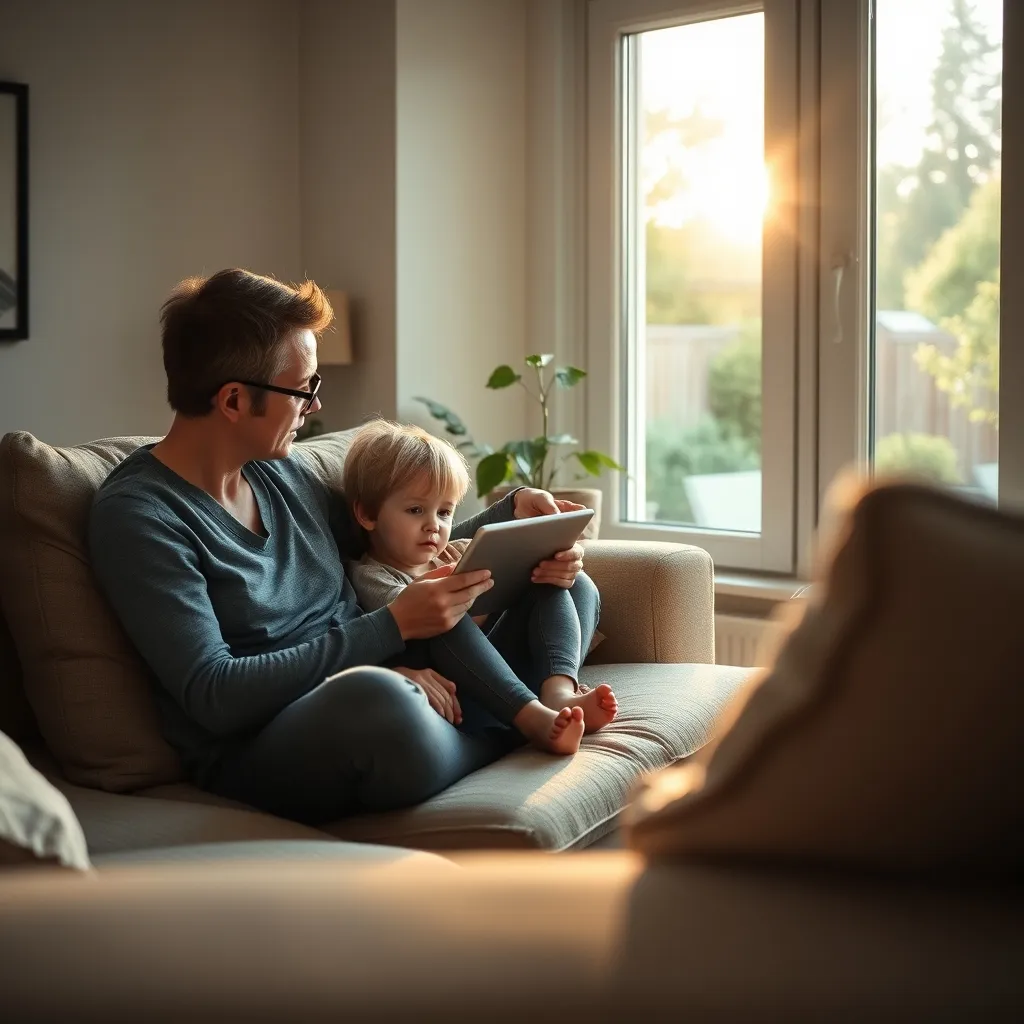
As a paediatric nutritionist who has worked with families across Bristol and the wider NHS for over fifteen years, I can tell you that screen time is now one of the most common concerns parents raise in my clinic. Whether it is a toddler transfixed by a tablet at the breakfast table or a teenager scrolling through social media until the early hours, the question I hear again and again is the same: how much screen time is actually safe for my child?
The truth is that screens are woven into modern family life, and removing them entirely is neither realistic nor necessary. What matters is understanding how excessive screen time affects children’s health, knowing the current guidelines, and having practical strategies to create a healthier balance. In this article, I will walk you through the evidence, the risks, and the steps you can take today.
Key Takeaways
- The UK Chief Medical Officers recommend no screen time at all for children under 2, yet over two thirds of under-twos already use screens regularly
- Children aged 5 to 17 who exceed 2 hours of recreational screen time per day show higher rates of obesity, poor sleep and reduced physical activity
- Excessive screen use is linked to a 43% increased risk of childhood obesity according to systematic reviews published in the BMJ
- Only 47% of UK children aged 5 to 15 meet the recommended 60 minutes of daily physical activity, with screen time a major competing factor
- Replacing just 30 minutes of daily screen time with active play can measurably improve a child’s BMI, sleep quality and mood
- A written family media plan is one of the most effective tools for managing screen time across all age groups
In This Article
- Why Screen Time Matters for Children’s Health
- Current UK Guidelines on Screen Time by Age
- How Excessive Screen Time Affects Physical Health
- Screen Time and Children’s Mental Health
- The Link Between Screen Time and Childhood Obesity
- Signs Your Child May Be Getting Too Much Screen Time
- Practical Strategies to Reduce Screen Time
- Creating a Family Screen Time Plan
Why Screen Time Matters for Children’s Health
When we talk about screen time, we mean any time a child spends looking at a digital screen: televisions, tablets, smartphones, computers and gaming consoles. Not all screen time is equal, of course. An hour spent on an educational programme is very different from an hour of passive scrolling. However, the cumulative effect of total screen hours is what research consistently links to health outcomes.
In my clinical experience, the families who struggle most are those where screens have gradually replaced other activities without anyone noticing. Mealtimes drift towards the television. Outdoor play shrinks to make room for gaming. Bedtime routines revolve around a tablet. Each of these small shifts seems harmless on its own, but together they can reshape a child’s daily routine in ways that affect their weight, sleep, mental health and physical development.
The issue has become more pressing since the pandemic. Data from Public Health England’s guidance on screen use by children under 5 highlights that screen habits formed in early childhood tend to persist, making the early years a critical window for establishing healthy boundaries.
Understanding the relationship between screen time and health is not about guilt or judgement. It is about giving you the information you need to make confident decisions for your family. If you are also concerned about your child’s overall activity levels, my guide on fun ways to keep children active offers plenty of ideas that work as natural screen replacements.
Current UK Guidelines on Screen Time by Age
The UK does not have a single, rigid rule that applies to every child. Instead, the UK Chief Medical Officers and organisations such as the Royal College of Paediatrics and Child Health (RCPCH) offer age-specific guidance. Here is a summary of the current recommendations I share with families in my clinic.

| Age Group | Recommended Screen Time Limit | Key Considerations |
|---|---|---|
| Under 2 years | Avoid screen time (except video calls) | Rapid brain development requires face-to-face interaction and sensory play |
| 2 to 4 years | No more than 1 hour per day | Supervised, high-quality content only; co-viewing recommended |
| 5 to 11 years | No more than 2 hours recreational | Educational use excluded; screen-free mealtimes and bedtimes essential |
| 12 to 17 years | Consistent limits agreed with the child | Focus on sleep protection, physical activity and social interaction balance |
The RCPCH’s position on screen time deliberately avoids strict universal limits for older children, instead encouraging families to negotiate boundaries based on whether screens are displacing sleep, physical activity, face-to-face socialising or schoolwork. I find this approach sensible, because a blanket rule rarely works for every household.
What I do stress to every parent, however, is that screens should never replace sleep or physical activity. If your child is meeting the recommended 60 minutes of daily activity, sleeping well, eating balanced meals and engaging socially, then moderate screen use is unlikely to cause harm. The problems begin when screens crowd out these essentials. For more on why sleep matters so much, take a look at my article on children’s sleep and weight.
How Excessive Screen Time Affects Physical Health
The physical consequences of too much screen time are well documented, and I see them regularly in my practice. Here are the main areas of concern.
Sedentary behaviour and reduced physical activity
Every hour a child spends in front of a screen is typically an hour not spent moving. Research published in BMJ Open found that children with higher screen time had significantly lower levels of moderate-to-vigorous physical activity. This matters because the UK guidelines recommend at least 60 minutes of physical activity every day for children aged 5 to 18. When screens dominate leisure time, hitting that target becomes very difficult.
I often ask parents to track a typical weekday for their child, writing down every activity from waking to bedtime. Many are surprised to discover that screen time accounts for 3 to 5 hours outside of school, leaving very little room for active play. If you are looking for ways to boost activity, my article on whether children can go to the gym in the UK covers age-appropriate options.
Eye health and posture
Prolonged screen use has been associated with increased rates of myopia (short-sightedness) in children. Studies suggest that spending more time outdoors in natural light is protective, which is another reason to swap some screen time for outdoor play. Poor posture during device use can also lead to neck and back discomfort, particularly in teenagers who hunch over smartphones for extended periods.
Disrupted sleep
The blue light emitted by screens suppresses melatonin production, the hormone that signals the body it is time to sleep. Children who use screens within an hour of bedtime take longer to fall asleep, sleep for shorter periods and experience poorer quality sleep overall. Given that adequate sleep is essential for growth, immune function and healthy weight management, this is a significant concern. I recommend a strict screen-free period of at least 60 minutes before bed for all age groups.

Snacking and mindless eating
One of the lesser-discussed effects of screen time on physical health is its impact on eating behaviour. Children who eat in front of screens tend to consume more calories because they are distracted from their body’s fullness signals. They are also exposed to food advertising, which overwhelmingly promotes high-sugar, high-fat products. A study by Cancer Research UK found that children exposed to junk food adverts ate an average of 228 extra calories per day. For more on healthy eating habits, have a look at my guide to healthy snacks for children.
Screen Time and Children’s Mental Health
The relationship between screen time and mental health in children is complex, and I always caution parents against assuming that screens are solely to blame for any difficulties their child may be experiencing. However, the evidence does point to several important associations.
Anxiety and depression: Multiple studies have found a dose-response relationship between recreational screen time and symptoms of anxiety and depression in children aged 10 and above. The risk appears to increase significantly beyond 2 hours per day of social media use. This does not mean screens cause depression, but they can amplify existing vulnerabilities, particularly through social comparison, cyberbullying and disrupted sleep.
Attention and concentration: Fast-paced, highly stimulating content can make it harder for young children to develop sustained attention. I have seen this in my clinic: children who are accustomed to rapid screen transitions often struggle with slower-paced activities such as reading, drawing or conversation. If your child has been diagnosed with ADHD, you may find my article on ADHD and diet helpful for understanding other modifiable factors.
Body image: For older children and teenagers, social media is a powerful influence on body image and self-esteem. Filtered images, influencer culture and appearance-focused content can distort a young person’s perception of what is normal. I strongly recommend reading my dedicated guide on body image and self-esteem in children if this is a concern for your family.
Social development: While video calls and messaging can support friendships, they are not a full substitute for face-to-face interaction. Children learn crucial social skills, empathy, reading body language, resolving conflict, through in-person play and conversation. When screen-based communication replaces these opportunities, social development can be affected.
The Link Between Screen Time and Childhood Obesity
This is the area closest to my expertise, and the evidence is compelling. There is a strong, consistent association between excessive screen time and childhood obesity, and the relationship operates through multiple pathways.
First, as I mentioned earlier, screen time displaces physical activity. A child watching television or playing video games is burning very few calories compared to a child running, cycling or even just playing in the garden. Second, screen use promotes overconsumption of energy-dense foods through both advertising exposure and mindless snacking. Third, the sleep disruption caused by screens interferes with the hormones that regulate appetite, specifically leptin and ghrelin, leading children to feel hungrier the following day.
A systematic review of 29 studies found that children with more than 2 hours of daily screen time had a 43% higher risk of being overweight or obese compared to those within the guidelines. This finding held across different countries, ages and socioeconomic groups. For context on the broader obesity picture in the UK, my article on what causes childhood obesity covers all the major risk factors.
What is particularly concerning is that screen-related weight gain tends to be most pronounced in children from lower-income households, where screens may be more readily used as a childcare tool due to limited access to outdoor spaces, organised activities or alternative forms of entertainment. I explore this in more depth in my piece on how poverty and deprivation affect children’s weight.
I want to be clear: screen time alone does not cause obesity. It is one factor among many, including diet quality, genetics, sleep and family eating patterns. But it is a modifiable factor, which means it is something you can change. And small changes genuinely add up. Research suggests that replacing just 30 minutes of daily screen time with moderate physical activity can produce measurable improvements in BMI over a six-month period.
Signs Your Child May Be Getting Too Much Screen Time
Parents often ask me how they can tell if screen time has crossed from acceptable to excessive. While every child is different, here are the warning signs I look for in clinical assessments.
- Resistance to turning off devices: Tantrums, meltdowns or extreme frustration when asked to stop using a screen can indicate dependency.
- Loss of interest in other activities: If your child no longer wants to play outside, draw, read or engage in hobbies they previously enjoyed, screens may be crowding out other interests.
- Sleep difficulties: Trouble falling asleep, frequent night waking or difficulty waking in the morning, especially if screens are used close to bedtime.
- Weight changes: Unexplained weight gain alongside increased screen use is a pattern I see frequently. If you are concerned, my guide on how many calories a child needs by age can help you assess whether intake and activity are balanced.
- Complaints of headaches or eye strain: Persistent headaches, dry eyes or blurred vision after device use.
- Reduced social interaction: Preferring screens to spending time with friends or family members.
- Eating in front of screens: If most meals and snacks happen alongside a device, mindless eating is likely contributing to excess calorie intake.

If you recognise several of these signs, it does not mean you have failed as a parent. It means your family, like millions of others, has drifted into habits that need adjusting. The good news is that screen habits are very responsive to change, especially when the whole family commits together.
Practical Strategies to Reduce Screen Time
In my experience, the most effective approach to reducing screen time is not to ban screens outright but to replace screen hours with something genuinely appealing. Here are the strategies that work best for the families I support.
Start with mealtimes
Making mealtimes screen-free is one of the simplest and most impactful changes a family can make. Eating without distractions helps children recognise hunger and fullness cues, reduces calorie intake and creates space for conversation. If mealtimes are a battleground in your household, you might find my advice on healthy breakfast ideas for fussy eaters useful for making the table more appealing.
Protect the bedroom
I recommend keeping all screens out of children’s bedrooms, regardless of age. This single rule eliminates unsupervised late-night use, protects sleep and removes the temptation to reach for a device first thing in the morning. Charge devices in a communal area overnight.
Offer active alternatives
Children reach for screens when they are bored, tired or seeking connection. Having a ready list of alternatives makes it easier to redirect them. This might include outdoor play, board games, cooking together, craft activities or simply spending time in the garden. My article on cooking with children is full of age-appropriate ideas that double as quality family time.
Use technology tools wisely
Most devices now have built-in parental controls and screen time tracking. Apple’s Screen Time, Google’s Family Link and similar tools allow you to set daily limits, schedule downtime and review usage patterns. These are helpful as a safety net, but they work best alongside open conversation rather than as a substitute for it.
Model the behaviour you want to see
Children learn from what we do, not just what we say. If you want your child to spend less time on screens, examine your own habits first. Are you scrolling through your phone at the dinner table? Checking emails during family time? Making a visible effort to put your own devices away sends a powerful message.
Be consistent but flexible
Rigid rules that never bend tend to create conflict and secrecy. I advise families to establish clear boundaries for weekdays while allowing slightly more flexibility at weekends and during school holidays. The key is consistency in the non-negotiable areas: screen-free meals, screen-free bedrooms and screens off at least an hour before sleep.
Creating a Family Screen Time Plan
One of the most effective tools I recommend is a written family media plan. This is a simple document that everyone in the household agrees to, outlining when, where and how screens can be used. The process of creating it together gives children a sense of ownership and makes them more likely to follow through.
Here is a framework I use with families in my practice:
- Audit current usage: Spend one week tracking how much screen time each family member actually has. Most smartphones and tablets record this automatically. The results often surprise parents and children alike.
- Set clear priorities: Agree on the activities that should always come before screens: homework, physical activity, family meals, sleep preparation and face-to-face socialising.
- Agree on limits: Based on the age-specific guidelines above, set daily or weekly screen time allowances for recreational use. Be specific about what counts: educational content may be treated differently from gaming or social media.
- Designate screen-free zones and times: At minimum, this should include the dining table, bedrooms and the hour before bedtime.
- Review regularly: Revisit the plan every month or so. What worked? What did not? As children grow, their needs and the pressures they face change, so the plan should evolve too.
If you are also working on improving your child’s diet alongside their activity levels, understanding their nutritional needs is important. My guide on toddler nutrition for 1 to 3 year olds covers the foundations for younger children, while how much water a child should drink each day addresses a commonly overlooked aspect of daily wellbeing.
I also encourage parents to have honest, age-appropriate conversations about why the family is making these changes. Older children respond much better when they understand the reasoning rather than simply being told what to do. My article on talking to your child about weight without causing harm offers guidance on having sensitive health conversations that build trust rather than resentment.
Key Points
- Enforce screen-free mealtimes and bedrooms as your first and most impactful changes
- Remove all screens at least 60 minutes before your child’s bedtime to protect sleep quality
- Replace screen time with active alternatives such as outdoor play, cooking together or family board games
- Create a written family media plan with your children and review it monthly
- Use built-in parental controls as a safety net alongside open conversation about screen habits
Frequently Asked Questions
How much screen time is safe for a 2 year old?
Current UK guidance recommends avoiding screen time entirely for children under 2, with the exception of video calls with family members. Between the ages of 2 and 4, screen time should be limited to no more than one hour per day of supervised, high-quality content. At this age, face-to-face interaction, physical play and sensory exploration are far more beneficial for brain development than any screen-based activity.
Screen time does not directly cause obesity, but it is a significant contributing factor. It operates through several pathways: reducing physical activity, promoting mindless snacking, exposing children to food advertising and disrupting sleep hormones that regulate appetite. Systematic reviews show that children exceeding 2 hours of daily recreational screen time have a 43% higher risk of being overweight or obese. Reducing screen time and replacing it with active play is one of the most effective lifestyle changes families can make.Does screen time cause obesity in children?
A complete ban is neither realistic nor necessary for most families. The goal is balance rather than elimination. Screens can be valuable for education, communication and age-appropriate entertainment when used in moderation. What matters most is ensuring that screen time does not displace sleep, physical activity, face-to-face socialising or family mealtimes. A written family media plan with agreed boundaries is far more sustainable than an outright ban, which can lead to conflict and secretive use.Should I ban screens completely for my child?
Key warning signs include difficulty stopping device use (tantrums or extreme frustration), loss of interest in previously enjoyed activities, sleep problems, unexplained weight gain, frequent headaches or eye strain, preferring screens to spending time with friends, and habitually eating meals in front of a device. If you notice several of these patterns, it is worth reviewing your family’s screen time habits and making gradual adjustments.What are the signs that my child is spending too much time on screens?
Educational screen time is generally considered less harmful than passive recreational use, particularly when it is interactive, age-appropriate and supervised by a parent. Co-viewing, where you watch or play alongside your child and discuss the content, significantly increases the educational value. However, even educational content should not replace physical play, reading or hands-on learning. The UK guidelines focus primarily on limiting recreational screen time, but total screen hours still matter for physical health outcomes such as sedentary behaviour and sleep disruption.Is educational screen time better than recreational screen time?
Screens emit blue light that suppresses melatonin, the hormone responsible for signalling sleepiness. Children who use screens within an hour of bedtime typically take longer to fall asleep, sleep for shorter durations and experience poorer quality rest. Since adequate sleep is essential for growth, immune function, concentration and healthy weight management, establishing a screen-free buffer of at least 60 minutes before bed is one of the most important habits a family can adopt.How does screen time before bed affect children’s sleep?