
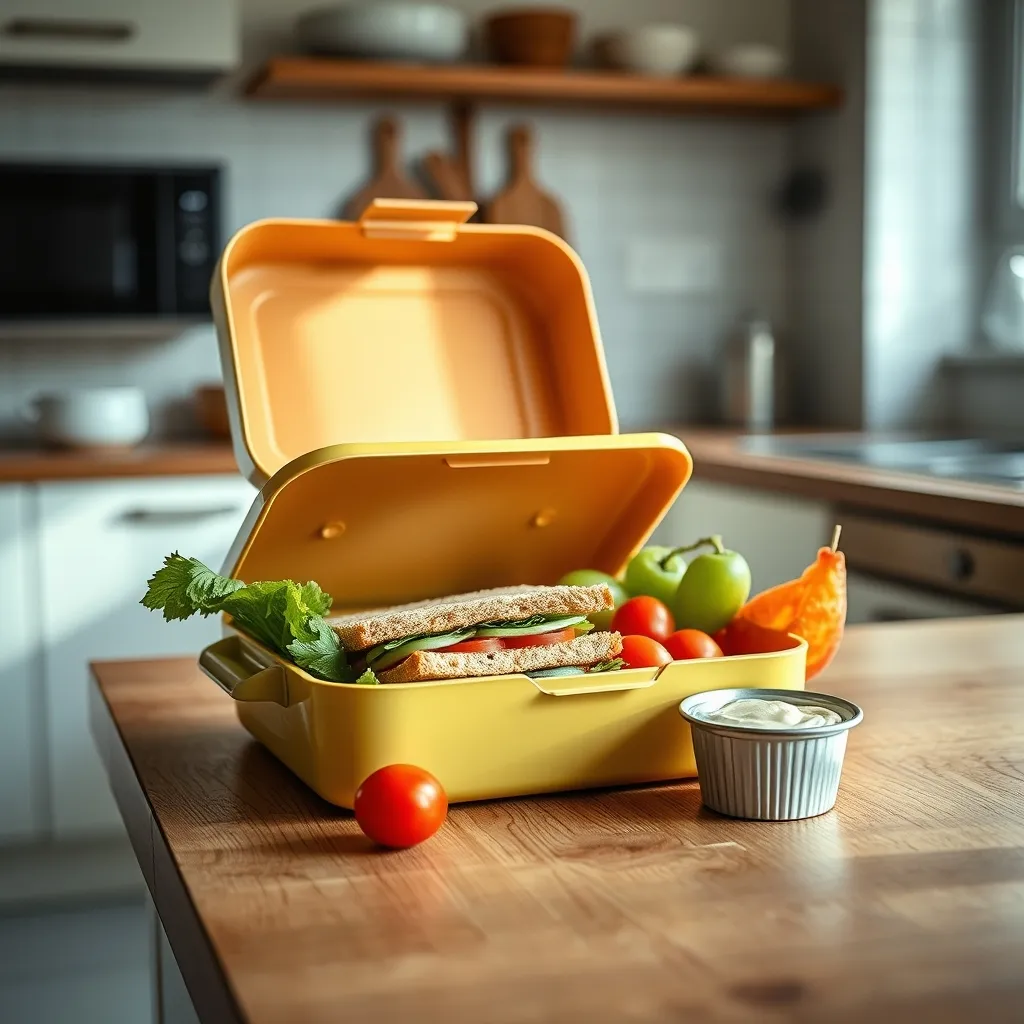
After years of working with families across Bristol and the wider NHS, I can tell you that the single biggest nutrition challenge parents raise with me is not fussy eating or portion sizes. It is the daily packed lunch. Every morning, thousands of parents across the UK face the same question: what on earth do I put in this box that is healthy, simple, and something my child will actually eat? The good news is that simple healthy packed lunch ideas do not require culinary expertise or hours of preparation. They require a solid understanding of balance, a handful of reliable recipes, and a system that works for your family.
In this guide, I am sharing everything I have learnt from over 15 years in paediatric nutrition to help you build packed lunches that are genuinely nourishing, easy to prepare, and enjoyable to eat. Whether you are packing for a school-age child, a teenager, or yourself, these principles and ideas will transform your lunchtime routine.
Key Takeaways
- A balanced packed lunch should include 4 key components: a starchy carbohydrate, a protein source, vegetables or salad, and a piece of fruit
- According to the NHS, only 18% of children aged 5 to 15 eat the recommended five portions of fruit and vegetables daily, making lunchtime a crucial opportunity
- Batch prepping 2 to 3 lunch components on a Sunday evening can save up to 30 minutes each weekday morning
- Swapping white bread for wholemeal or seeded varieties adds up to 3 grams of extra fibre per serving
- A packed lunch kept at room temperature should include an ice pack to keep perishable items below 8°C for food safety
- Involving children in lunch preparation increases the likelihood they will eat 80% or more of their packed lunch at school
In This Article
- Why Simple Healthy Packed Lunches Matter
- The Building Blocks of a Balanced Lunch Box
- Quick and Easy Packed Lunch Ideas for Every Day
- Packed Lunch Ideas for Kids at School
- Simple Packed Lunch Ideas for Adults at Work
- Vegetarian and Vegan Packed Lunch Options
- Meal Prep Tips to Save Time All Week
- Common Packed Lunch Mistakes to Avoid
Why Simple Healthy Packed Lunches Matter
It is easy to underestimate the importance of a packed lunch, but when you consider that it typically provides around a third of a child’s daily nutritional intake, the stakes become clear. A well-constructed lunch supports concentration, energy levels, and mood throughout the afternoon. A poorly balanced one, laden with crisps, sugary drinks, and processed snacks, can lead to energy crashes, difficulty focusing, and long-term health consequences.

Research from the NHS Healthier Families programme consistently shows that packed lunches brought from home tend to be higher in saturated fat, sugar, and salt than school meals that meet national standards. This is not because parents do not care; it is because they are busy, overwhelmed with choices, and often unsure what constitutes a balanced meal for a lunch box. That is exactly what I want to address here.
The packed lunch is also a powerful teaching tool. When children see consistent, balanced meals day after day, they internalise what a normal, healthy plate looks like. This is something I discuss at length in my complete guide to healthy eating for children. The habits formed during primary school years can genuinely shape eating patterns well into adulthood.
The Building Blocks of a Balanced Lunch Box
Before diving into specific recipes, I want you to understand the framework. Once you grasp the four essential components, you can create dozens of combinations without ever needing to follow a rigid recipe. Think of it as a formula rather than a fixed plan.
| Component | Purpose | Examples | Portion Guide (Age 5-11) |
|---|---|---|---|
| Starchy carbohydrate | Sustained energy | Wholemeal bread, pasta, rice, wraps, pitta, oatcakes | 1-2 slices or a small handful |
| Protein source | Growth and repair | Chicken, tuna, egg, cheese, beans, hummus, lentils | 40-60g or 2 tablespoons |
| Vegetables or salad | Vitamins, minerals, fibre | Cherry tomatoes, cucumber, carrot sticks, pepper strips, sweetcorn | At least 1 portion (around 40g) |
| Fruit | Vitamins, natural sweetness | Apple, banana, grapes, satsuma, berries, dried fruit | 1 medium piece or small handful |
An optional fifth element is a dairy or calcium-rich item such as a small pot of yoghurt, a cheese portion, or a calcium-fortified drink. For detailed guidance on appropriate amounts for different ages, have a look at my article on portion sizes for children by age.
The key principle is variety across the week, not perfection in every single box. If Monday’s lunch is heavier on carbohydrates and lighter on vegetables, that is absolutely fine as long as Tuesday or Wednesday compensates. What matters is the overall pattern.
Quick and Easy Packed Lunch Ideas for Every Day
Here are my go-to simple healthy packed lunch ideas that can be assembled in under 10 minutes. I have used every single one of these with the families I work with, and they consistently get positive feedback for being practical, affordable, and actually eaten.
Monday: Classic Wholemeal Sandwich Box
Two slices of wholemeal bread with lean chicken and a thin spread of mayonnaise, a handful of cherry tomatoes, cucumber sticks, a satsuma, and a small pot of natural yoghurt. This is the reliable baseline that never fails.
Tuesday: Pasta Salad Pot
Cooked wholemeal pasta tossed with sweetcorn, diced red pepper, a small amount of tuna, and a light drizzle of olive oil. Add a few lettuce leaves on the side and a banana. For more inspiration, see my dedicated guide to pasta packed lunch ideas.
Wednesday: Wrap and Dip
A wholemeal tortilla wrap filled with grated cheese and shredded lettuce, served alongside carrot and celery sticks with a small pot of hummus. Add grapes for the fruit element.
Thursday: Pitta Pocket
Half a wholemeal pitta stuffed with egg mayo (mashed boiled egg with a teaspoon of mayo), sliced cucumber inside, pepper strips on the side, and an apple. Simple, protein-rich, and satisfying.
Friday: Rice and Bean Bowl
Leftover rice mixed with kidney beans, diced tomato, a squeeze of lime, and a sprinkle of mild cheese. This works beautifully at room temperature and provides excellent plant-based protein combined with complex carbohydrates.
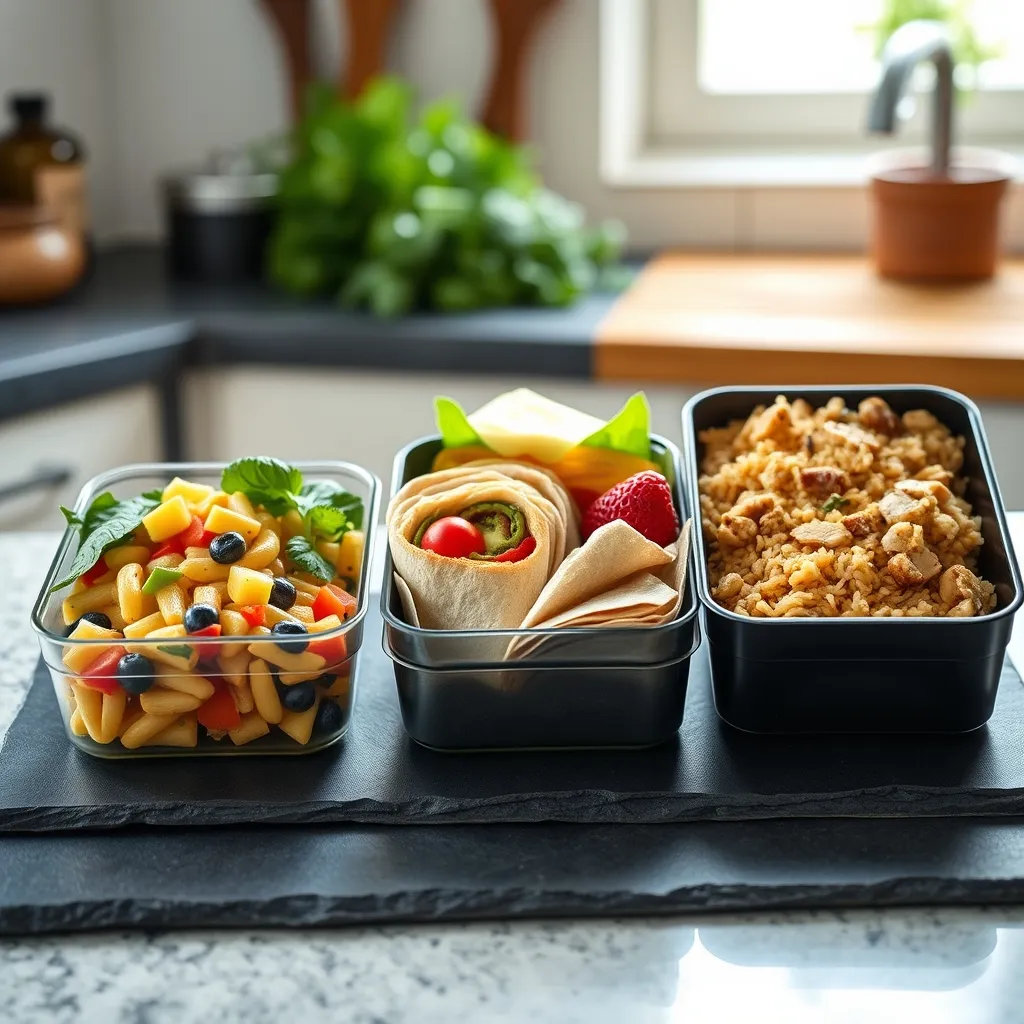
Each of these lunches can be adapted to suit dietary requirements, allergies, or simply personal taste. The framework stays the same; only the ingredients change. If your child dislikes a particular item, swap it for something in the same category rather than leaving a gap.
Packed Lunch Ideas for Kids at School
School packed lunches come with unique constraints. There is no microwave, limited time to eat, and the social pressure of what peers are having. I always tell parents to think about three things: temperature stability, ease of eating, and visual appeal.
Children eat with their eyes first. A lunch box with five beige items will be far less appealing than one with bright colours, even if the nutritional content is identical. Try to include at least three different colours in every box. Red pepper strips, orange carrot sticks, green cucumber slices; these small additions make a real difference.
For younger children who find sandwiches too large or messy, consider these alternatives:
- Mini roll-ups: thin slices of turkey or ham rolled around a cheese stick
- Cracker stacks: oatcakes topped with cream cheese and cucumber rounds
- Savoury muffins: homemade vegetable muffins made with courgette and cheese
- Kebab sticks: cherry tomato, cube of cheese, and a piece of cucumber on a cocktail stick (suitable for children over 5)
For teenagers, the challenge shifts towards volume and sustenance. Adolescents need significantly more energy than younger children, and a single sandwich often will not suffice. I explore this in much more detail in my articles on packed lunch ideas for teenagers and lunch box recipes that teens actually enjoy.
One practical tip that works wonders: involve your child in choosing at least one element of their lunch each day. According to the Government’s Eatwell Guide, empowering children to make food choices within a healthy framework builds long-term confidence and healthier habits. When children have a say, they eat more of what they are given.
Simple Packed Lunch Ideas for Adults at Work
Adults face their own set of packed lunch challenges: boredom, time constraints, and the tempting lure of the meal deal. The principles of balance remain exactly the same, but the flavour profiles and portion sizes differ. Here are some of my favourite simple healthy packed lunch ideas that work brilliantly for the office or working from home.
Mediterranean Grain Bowl
Cooked quinoa or bulgur wheat with roasted vegetables (peppers, courgette, red onion), crumbled feta cheese, a handful of spinach leaves, and a simple lemon and olive oil dressing. This provides complete protein, complex carbohydrates, and a wide range of micronutrients.
Upgraded Sandwich
Sourdough or seeded bread with smoked salmon, cream cheese, a squeeze of lemon, and rocket. Paired with a small container of mixed nuts and a piece of fruit. The healthy fats from the salmon and nuts keep you satisfied well into the afternoon.
Soup and Bread Combo
A thermos of homemade vegetable soup (butternut squash, lentil, or minestrone) with a wholemeal roll. Batch-cooking soup on a Sunday provides four to five lunches for the week. This is particularly excellent during the colder months.
Leftover Reinvention
Last night’s roast chicken becomes today’s chicken salad. Yesterday’s bolognese tops a jacket sweet potato. Leftovers are the most underrated packed lunch strategy, and I discuss more ideas in my guide to easy packed lunch ideas for adults.
If you are watching your calorie intake, understanding what goes into your food is essential. My article on how to read calories on food labels can help you make more informed choices when selecting ingredients.
Vegetarian and Vegan Packed Lunch Options
Plant-based packed lunches can be just as satisfying and nutritionally complete as those containing meat or fish. The key consideration is ensuring adequate protein and iron, which are the two nutrients most commonly lacking in poorly planned vegetarian and vegan diets.
Excellent plant-based protein sources for packed lunches include:
- Hummus and other bean dips: chickpeas provide around 7g of protein per 100g
- Lentil salads: cooked Puy lentils with roasted beetroot and walnuts
- Nut butters: almond or cashew butter on oatcakes (check school nut policies first)
- Tofu: marinated and baked tofu cubes work brilliantly cold in salads
- Edamame beans: a fantastic snack element that children often love
For vegan lunches specifically, pay attention to calcium and vitamin B12. Choose fortified plant milks and yoghurts, and consider whether a supplement is appropriate. I cover this topic thoroughly in my vegan packed lunch ideas article, and for those who eat dairy and eggs but avoid meat, my vegetarian packed lunch ideas guide is packed with practical suggestions.
One of the most common mistakes I see with plant-based packed lunches is relying too heavily on ultra-processed meat alternatives. While a veggie sausage roll or plant-based nugget is fine occasionally, these products can be high in salt and additives. Whole food plant proteins like beans, lentils, and nuts should form the foundation.
Meal Prep Tips to Save Time All Week
The number one reason parents give me for resorting to less healthy packed lunches is lack of time. I completely understand this. Mornings are chaotic, and the idea of assembling a balanced meal from scratch at 7am feels impossible. That is why meal prepping is the single most effective strategy I recommend.
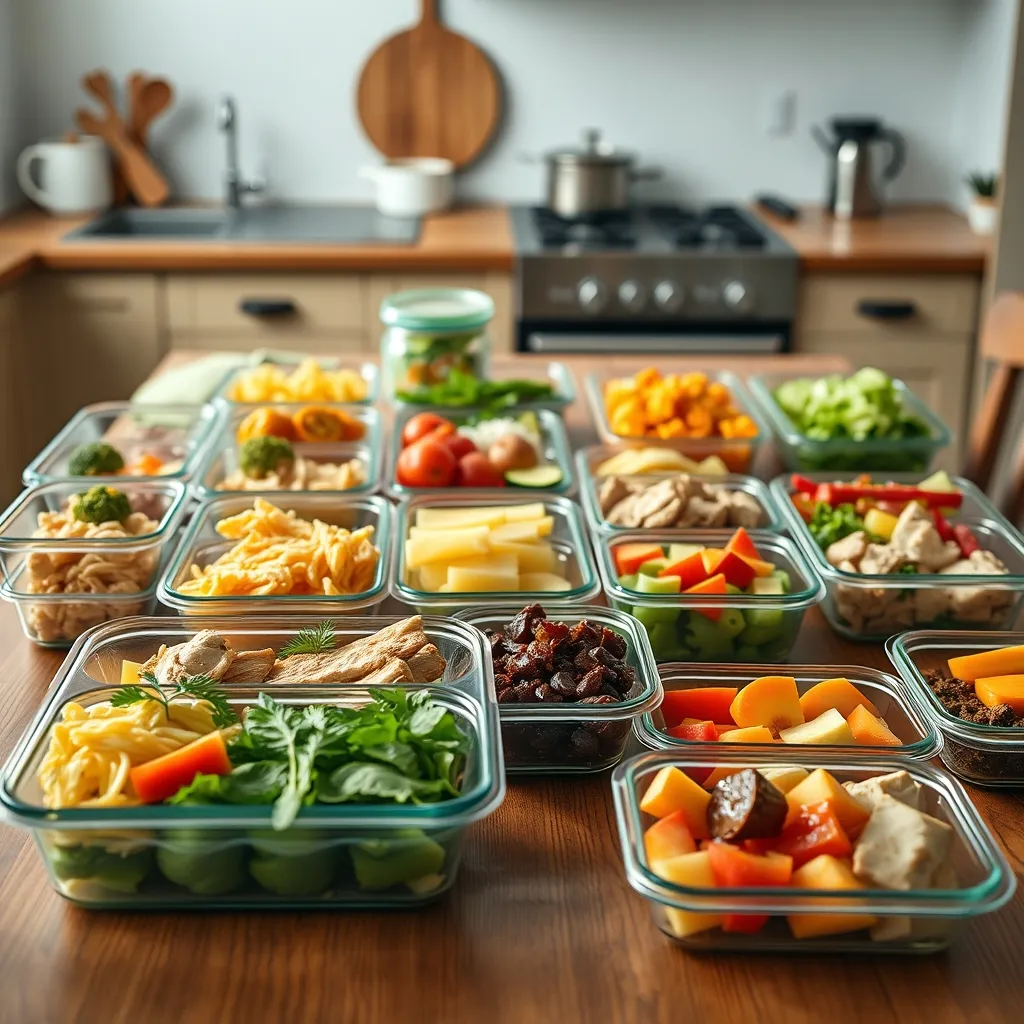
Here is my tried-and-tested Sunday prep routine that takes approximately 45 minutes to one hour:
- Cook a batch of grains: prepare a large pot of pasta, rice, or quinoa. Store in the fridge for up to four days.
- Wash and chop vegetables: prepare carrot sticks, cucumber slices, pepper strips, and cherry tomatoes. Store in airtight containers lined with kitchen paper to absorb moisture.
- Prepare two protein options: hard-boil six eggs and cook a batch of chicken thighs or a pot of lentils.
- Make a dip or dressing: blend a batch of hummus or mix a simple vinaigrette that will last all week.
- Portion out snacks: divide dried fruit, nuts (if permitted), or homemade flapjack into daily portions.
With these components ready, assembling a packed lunch each morning becomes a simple five-minute task of combining pre-prepared elements. It is rather like having your own salad bar in the fridge.
For families who want to take this further with full weekly planning, my family meal planning guide provides a comprehensive framework that covers all meals, not just lunches.
Storage and Food Safety Essentials
Food safety is something I feel strongly about. A packed lunch that sits in a warm classroom or office for several hours can become a breeding ground for bacteria if not handled properly. The Food Standards Agency recommends keeping perishable foods below 8°C. Here are my essential tips:
- Always include a small ice pack or a frozen drink carton to keep the box cool
- Invest in an insulated lunch bag rather than a basic plastic box
- Ensure cooked foods are completely cooled before packing to prevent condensation and bacterial growth
- If using a thermos for hot foods, preheat it with boiling water for five minutes before filling, then ensure food is piping hot when packed
Common Packed Lunch Mistakes to Avoid
Over 15 years of reviewing children’s eating habits, I have identified several recurring mistakes that well-meaning parents make. Recognising these patterns is the first step to correcting them.
Mistake 1: Too many packaged snacks, not enough real food. A lunch box containing a sandwich, a packet of crisps, a chocolate biscuit bar, and a fruit juice box is heavy on processed items and light on actual nutrition. The sandwich is doing all the heavy lifting while the accompaniments add empty calories. Swap the crisps for vegetable sticks, the biscuit bar for a piece of fruit, and the juice for water or milk.
Mistake 2: Relying on the same lunch every day. Repetition leads to boredom, and boredom leads to food coming home uneaten. Aim for at least three different lunch templates that you rotate throughout the week. Even small changes, such as swapping the type of bread or the fruit, can make a noticeable difference.
Mistake 3: Ignoring what comes back. Always check the lunch box when it returns. If certain items consistently come home untouched, it is a signal to change approach rather than persist. There is no nutritional value in food that ends up in the bin.
Mistake 4: Overlooking drinks. Sugary drinks and fruit juices can add a significant amount of hidden sugar to an otherwise healthy lunch. The NHS recommends water or plain milk as the best drink choices for children. A small bottle of water is always the simplest and healthiest option.
Mistake 5: Making it too complicated. You do not need to create Instagram-worthy bento boxes every morning. A simple, balanced lunch that your child will eat is infinitely better than an elaborate creation that comes home untouched. For more straightforward approaches, see my guide to easy packed lunch ideas.
Understanding what to look for on packaging is also valuable. My article on understanding food labels can help you navigate traffic light labels and ingredient lists when choosing packaged items for lunch boxes.
Key Points
- Build every packed lunch around 4 components: starchy carbohydrate, protein, vegetables, and fruit
- Dedicate 45 minutes to 1 hour on Sunday to batch-prep grains, vegetables, and proteins for the week
- Always include an ice pack to keep perishable foods below 8°C throughout the day
- Include at least 3 different colours in each lunch box to increase visual appeal and nutritional variety
- Check what comes home uneaten and adjust accordingly rather than persisting with rejected items
Frequently Asked Questions
What is the healthiest packed lunch?
The healthiest packed lunch includes a wholemeal starchy carbohydrate for sustained energy, a lean protein source such as chicken, egg, or beans, at least one portion of vegetables, a piece of fruit, and water to drink. Aim for minimal processed and packaged items and focus on whole, recognisable foods. A wholemeal chicken salad wrap with carrot sticks, an apple, and a bottle of water is an excellent example that covers all nutritional bases.
Use an insulated lunch bag with a small ice pack or a frozen drink carton. This will keep perishable items like dairy, meat, and eggs at a safe temperature for several hours. Avoid mayonnaise-heavy fillings in warm weather, and ensure all cooked foods are thoroughly cooled before packing. Non-perishable options like nut butter sandwiches, oatcakes, and whole fruit are naturally more stable at room temperature.How can I keep a packed lunch fresh without a fridge?
Many schools have nut-free policies, so alternative protein sources are essential. Excellent options include hard-boiled eggs, cooked chicken strips, cheese cubes, hummus, sunflower seed butter, tinned tuna, and edamame beans. Lentil-based dishes and bean salads also provide substantial protein without any nut risk. Always check your school’s specific allergy policy before including seed-based products.What are some nut-free protein options for school packed lunches?
Presentation matters enormously. Offer vegetables as finger-food sticks or bite-sized pieces rather than large chunks, and pair them with a dip like hummus or cream cheese. Involve your child in choosing which vegetables go in their box and introduce new options alongside familiar favourites. Cherry tomatoes, cucumber rounds, and sweet pepper strips tend to be the most widely accepted starting points. Consistency and patience are essential; it can take 10 to 15 exposures before a child accepts a new food.How do I get my child to eat vegetables in their packed lunch?
Absolutely, and I actively encourage it. Preparing packed lunches the evening before reduces morning stress and often results in better-balanced meals because you have more time to think about what goes in. Store the assembled lunch in the fridge overnight and simply grab it in the morning. The only items I would add fresh in the morning are hot foods in a thermos or items like sliced avocado that brown quickly.Can I prepare packed lunches the night before?
A well-balanced packed lunch can realistically be prepared for £1 to £2 per day when you batch cook, buy seasonal produce, and use leftovers strategically. This is often cheaper than a school meal, which typically costs between £2.50 and £3.50 in England. Buying items like cheese, cold meats, and bread in larger quantities and portioning them yourself, rather than buying individually wrapped snack packs, is one of the most effective ways to keep costs down.How much should I spend on a child’s packed lunch?