
Key Takeaways
- Pasta is one of the most versatile and child-friendly packed lunch options, eaten cold or at room temperature without losing flavour
- Wholegrain pasta provides up to 3 times more fibre than refined white pasta, helping children stay fuller for longer through the school afternoon
- A balanced pasta lunch box should follow the Eatwell Guide proportions: one-third starchy carbohydrates, plenty of vegetables, and a source of protein
- Batch cooking pasta on a Sunday evening can produce up to 5 days of packed lunches in under 45 minutes of active preparation time
- Cooked pasta stored correctly in an airtight container keeps safely in the fridge for up to 3 days, making midweek lunches effortless
- Adding a small amount of olive oil or dressing to cooked pasta prevents clumping and keeps the texture pleasant by lunchtime
In This Article
- Why Pasta Works So Well for Packed Lunches
- Choosing the Right Pasta Shape and Type
- 8 Quick and Delicious Pasta Packed Lunch Recipes
- How to Keep Pasta Fresh Until Lunchtime
- Nutritional Balance: Making Pasta Lunches Healthier
- Pasta Packed Lunch Ideas for Fussy Eaters
- Batch Cooking and Meal Prep Tips
- Common Pasta Lunch Box Mistakes to Avoid
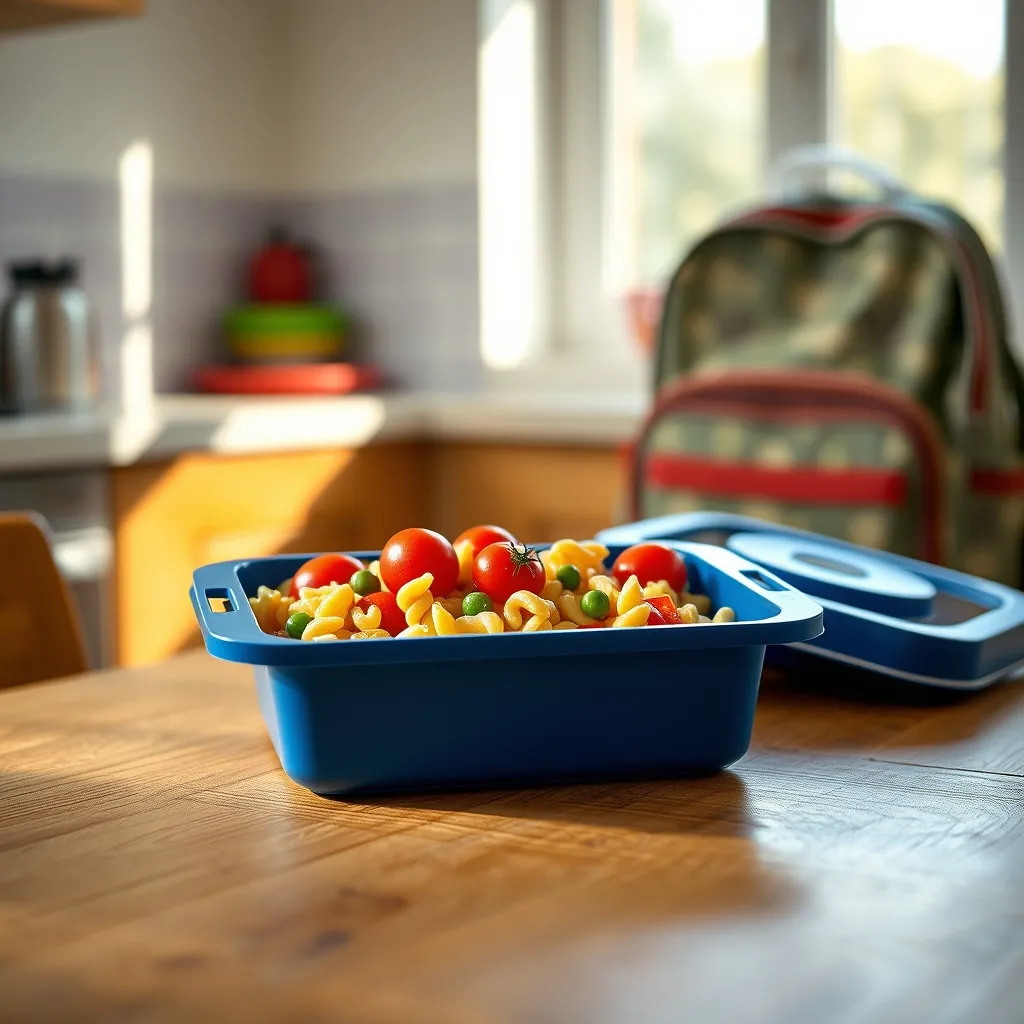
If there is one food that unites children across the UK, it is pasta. In my 15 years working as a paediatric nutritionist in Bristol, I have yet to meet a child who will not eat at least one type of pasta dish. That makes pasta packed lunch ideas an absolute lifeline for parents who are tired of the daily sandwich routine and want something nutritious, filling, and genuinely enjoyed.
The beauty of pasta is that it travels well, tastes great at room temperature, and acts as a blank canvas for vegetables, proteins, and flavours. Whether your child is in reception or heading into secondary school, a well-assembled pasta lunch box can deliver the energy and nutrients they need to concentrate through the afternoon. I have put together eight of my favourite recipes along with practical guidance on storage, nutrition, and meal prep to make your mornings easier.
Why Pasta Works So Well for Packed Lunches
Pasta is a complex carbohydrate, which means it releases energy gradually rather than causing the sharp blood sugar spikes and crashes that come from sugary snacks. According to the NHS Eatwell Guide, starchy foods like pasta should make up just over a third of what we eat, providing a solid foundation for any meal.
From a practical standpoint, pasta has several advantages over other packed lunch staples. It does not go soggy the way bread can, it holds dressings well, and it pairs with virtually any protein or vegetable combination you have to hand. Children also find it easy to eat with a fork, which matters when they have a limited lunch break.
I often recommend pasta lunches to parents whose children are bored of traditional sandwiches. A simple switch from bread to pasta can reignite a child’s interest in eating a proper midday meal, which has a direct impact on their energy levels, concentration, and mood in the afternoon.
Another advantage that parents frequently overlook is cost-effectiveness. A 500g bag of dried pasta costs well under a pound in most UK supermarkets, and that single bag can produce four to five generous lunch portions. When you are trying to feed a family on a budget, pasta packed lunch ideas are among the most economical healthy meal options available.
Choosing the Right Pasta Shape and Type
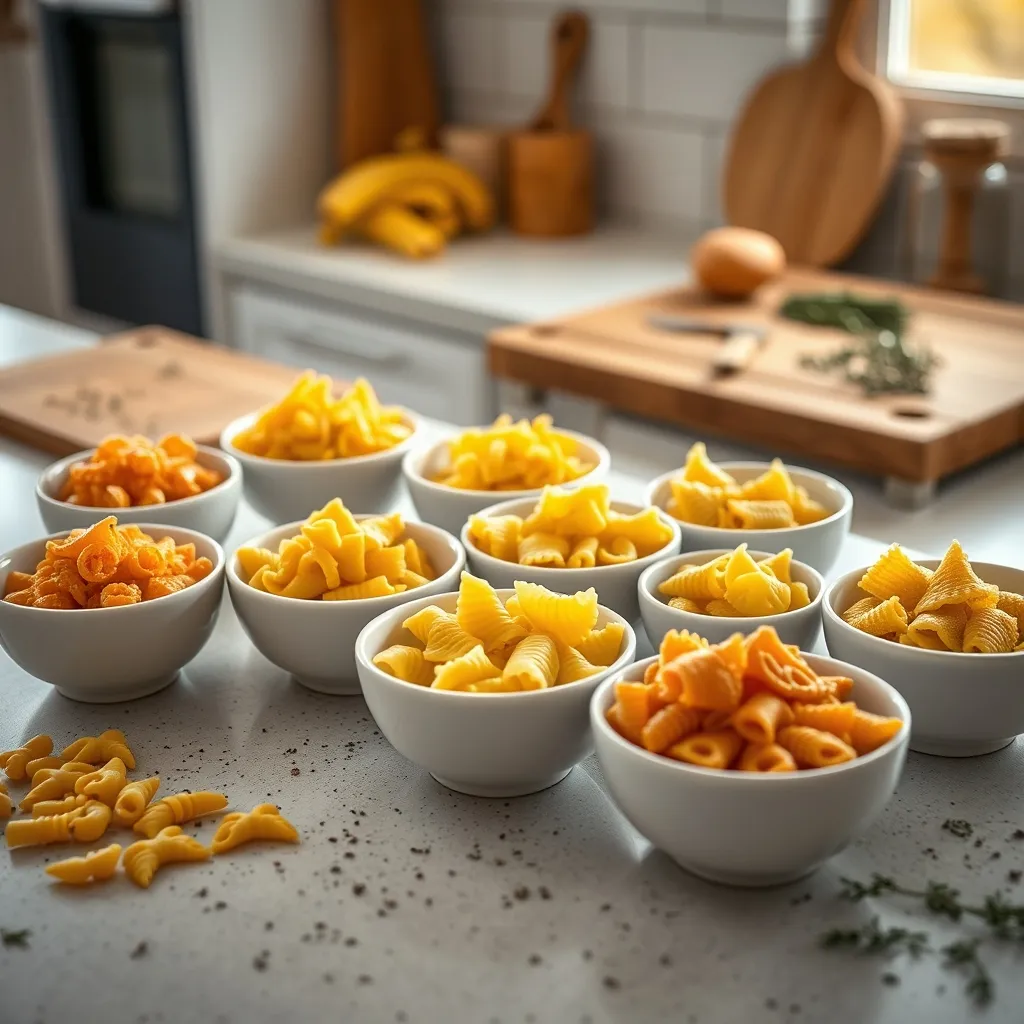
Not all pasta shapes perform equally well in a lunch box. The best options are those with ridges, curves, or tubes that hold onto sauces and dressings rather than letting them slide off. Here is a quick comparison of common shapes and how they fare in packed lunches.
| Pasta Shape | Lunch Box Suitability | Best Paired With | Child-Friendly Rating |
|---|---|---|---|
| Fusilli (spirals) | Excellent; holds dressing in its grooves | Pesto, chunky vegetable sauces | ★★★★★ |
| Penne | Very good; tubes trap sauce inside | Tomato-based sauces, cheese fillings | ★★★★★ |
| Farfalle (bows) | Good; fun shape children enjoy | Light dressings, sweetcorn, peas | ★★★★☆ |
| Conchiglie (shells) | Very good; shell cups hold ingredients | Tuna mayo, creamy sauces | ★★★★☆ |
| Macaroni | Good; small size easy for younger children | Cheese sauce, simple butter and Parmesan | ★★★★★ |
| Spaghetti | Poor; tangles and clumps when cold | Not recommended for lunch boxes | ★★☆☆☆ |
| Orzo | Good; works like a grain salad | Mediterranean vegetables, feta | ★★★☆☆ |
When it comes to choosing between white, wholegrain, or 50/50 pasta, I generally suggest a gradual transition. If your child currently eats only white pasta, switch to a 50/50 blend first. Wholegrain pasta contains significantly more fibre, B vitamins, and minerals. However, if your child refuses it outright, a white pasta lunch box is still far better than skipping lunch entirely. The key is to surround the pasta with nutrient-dense vegetables and protein.
For children with coeliac disease or gluten sensitivity, excellent gluten-free pasta options are now widely available in UK supermarkets. Brown rice pasta and chickpea pasta tend to hold their shape best when cold, making them the most suitable alternatives for packed lunches.
8 Quick and Delicious Pasta Packed Lunch Recipes
Each of these recipes serves one child’s lunch portion and can be scaled up easily for batch cooking. I have designed them to be quick to prepare, nutritionally balanced, and genuinely appealing to children.
1. Classic Tomato and Hidden Vegetable Pasta
Cook 80g fusilli according to packet instructions. While the pasta boils, blend together one roasted red pepper, two tablespoons of passata, half a small courgette (grated), and a pinch of dried oregano. Toss the drained pasta in this sauce with a drizzle of olive oil. This recipe is perfect for children who refuse visible vegetables, as the sauce looks and tastes like a simple tomato dressing.
2. Pesto, Pea and Parmesan Penne
Boil 80g penne and add a handful of frozen peas to the water during the last two minutes. Drain, then stir through one tablespoon of green pesto and a generous sprinkle of grated Parmesan. The peas add protein, fibre, and a pop of colour. This takes under 15 minutes from start to packed container.
3. Tuna Sweetcorn Pasta Salad
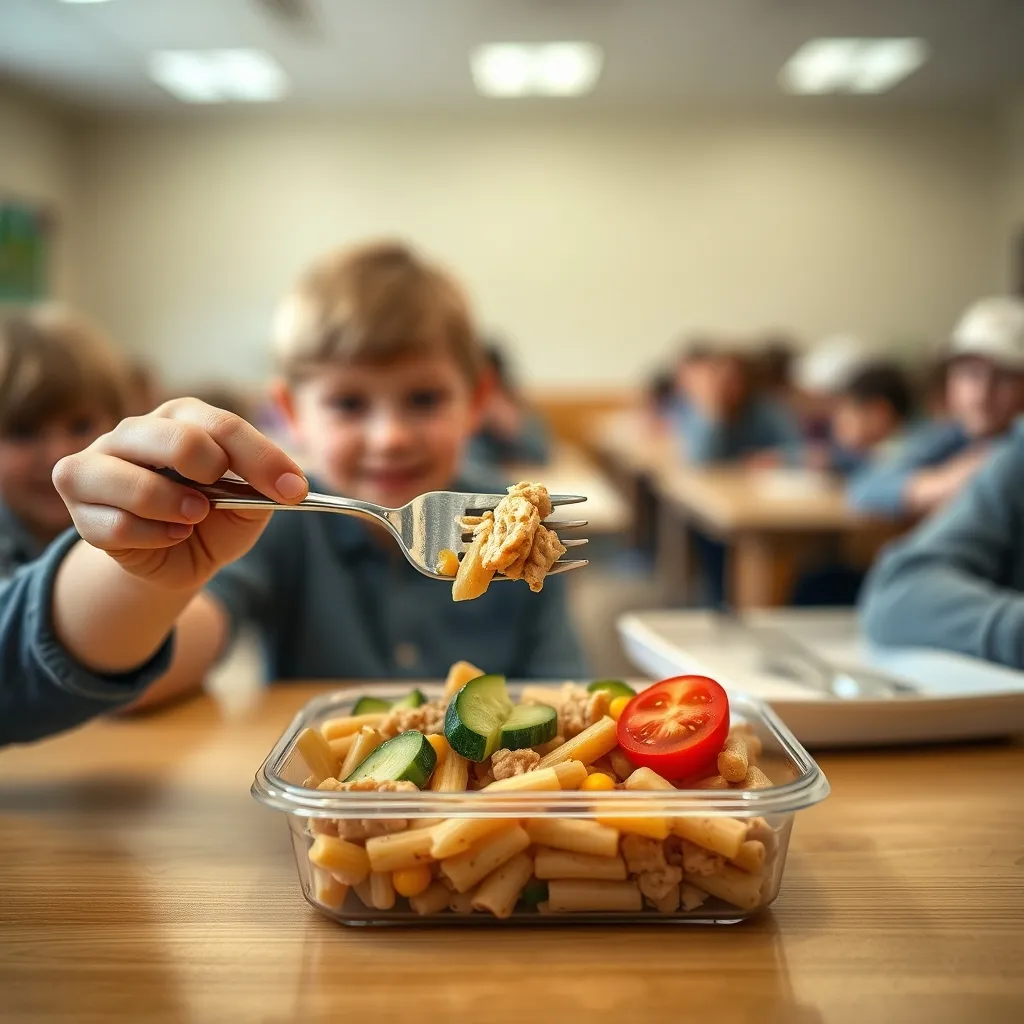
This is the quintessential British lunch box classic. Cook 80g conchiglie, drain and cool. Mix with half a small tin of tuna (in spring water, drained), two tablespoons of sweetcorn, one tablespoon of reduced-fat mayonnaise, and a squeeze of lemon juice. Add finely diced cucumber for freshness. It pairs wonderfully with cherry tomatoes on the side.
4. Rainbow Pasta with Hummus Dressing
This is a favourite from my vegan lunch box collection. Cook 80g farfalle and toss with two tablespoons of hummus thinned with a splash of warm water. Add diced red pepper, grated carrot, halved cherry tomatoes, and a few sliced olives if your child enjoys them. The hummus provides plant-based protein and iron, making this a nutritionally complete meal.
5. Cheesy Broccoli Pasta Bake (Cold)
Cook 80g macaroni with a handful of small broccoli florets. Drain, then stir through two tablespoons of cream cheese and a handful of grated mature Cheddar until melted and creamy. Season lightly. This sets into a lovely thick, cheesy pasta when cooled, and children adore it cold. It is also an excellent way to get calcium and vitamin C into a single dish.
6. Mediterranean Orzo Salad
Cook 80g orzo and drain well. Toss with diced cucumber, halved cherry tomatoes, a crumble of feta cheese, a few torn basil leaves, and a light dressing of olive oil and lemon juice. This works particularly well for older children and teenagers who want something a bit more grown-up. It travels beautifully and actually improves as the flavours meld.
7. Chicken and Sweetcorn Pesto Pasta
Cook 80g fusilli and combine with shredded leftover roast chicken (roughly 40g), two tablespoons of sweetcorn, one tablespoon of red pesto, and a few baby spinach leaves stirred through while the pasta is still warm so they wilt slightly. This is a high-protein option that works well for physically active children or those with after-school sports. Using leftover chicken from a Sunday roast makes this incredibly quick to assemble.
8. Simple Butter Bean and Pasta Soup (Thermos)
For parents who have a thermos flask, this warm option is wonderful in winter. Simmer 40g small pasta shapes (ditalini or small macaroni) in 250ml of vegetable stock with half a tin of butter beans, diced carrot, and a handful of spinach. Season with a pinch of garlic powder and black pepper. Pour into a preheated thermos. This provides fibre, protein, and warmth on cold days, and pairs beautifully with a small bread roll. If you are looking for more warm packed lunch inspiration, a thermos opens up many possibilities.
How to Keep Pasta Fresh Until Lunchtime
One of the most common concerns I hear from parents is whether pasta will still taste good after sitting in a bag for several hours. The answer is absolutely yes, provided you follow a few simple steps.
Cool the pasta quickly. After draining, rinse cold pasta salads under cold running water to stop the cooking process. Spread the pasta on a plate or tray to cool faster before adding your dressing or sauce. This prevents overcooking, which leads to mushy texture by lunchtime.
Add fat early. A drizzle of olive oil or your chosen dressing should be mixed in while the pasta is still slightly warm. This coats each piece and prevents sticking. Without this step, you end up with a solid pasta brick that no child wants to eat.
Use a quality airtight container. Invest in leak-proof containers with secure lids. Pasta salads with dressings can leak in bags, creating a mess that puts children off eating the meal. Containers with separate compartments are ideal for keeping wetter elements like cherry tomatoes apart from the pasta until eating time.
Include an ice pack. The Food Standards Agency recommends keeping packed lunches cool, particularly those containing dairy, meat, or fish. A small ice pack tucked alongside the container keeps everything at a safe temperature until lunch. This is especially important during warmer months.
Nutritional Balance: Making Pasta Lunches Healthier
Pasta on its own is not a complete meal. As a paediatric nutritionist, I always encourage parents to think about three components when building any pasta packed lunch: the carbohydrate base (pasta), a protein source, and at least one or two portions of vegetables or fruit.
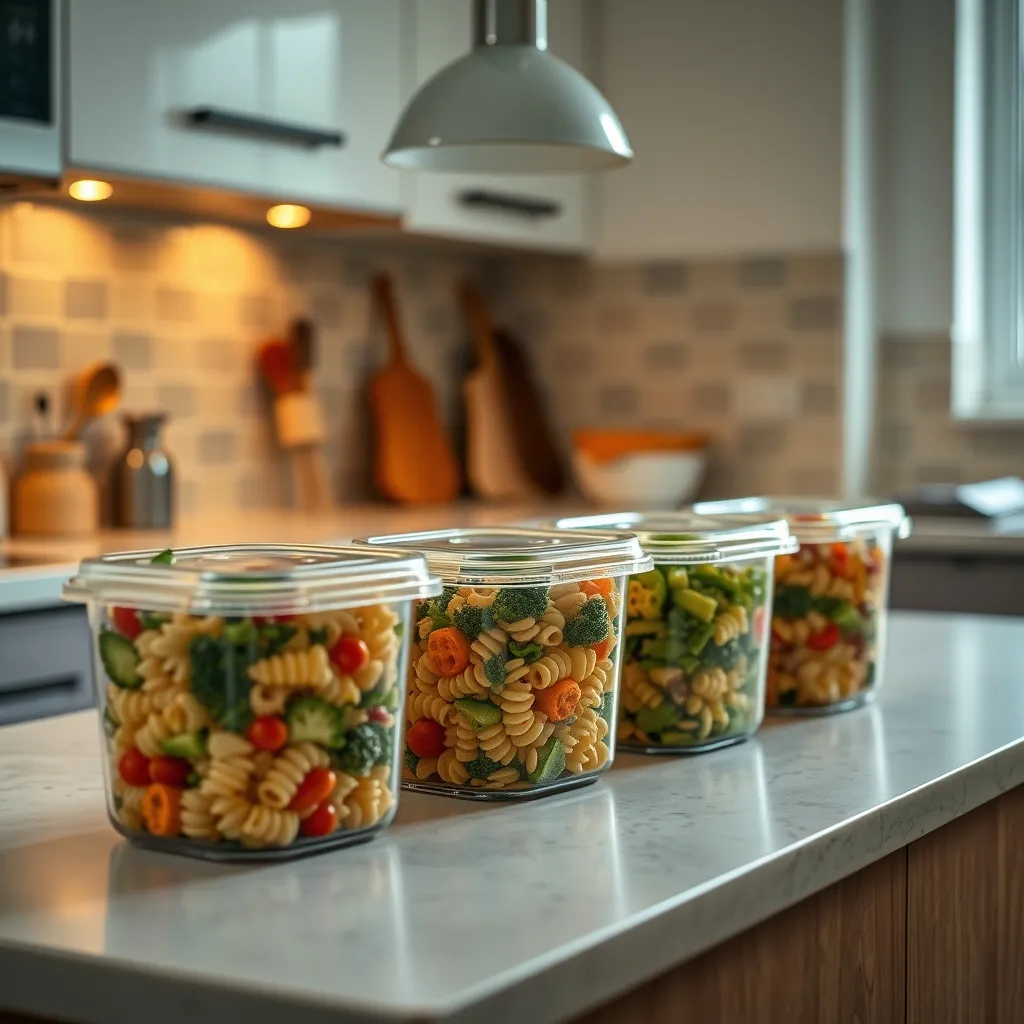
The Eatwell Guide provides a helpful framework. For a child’s pasta lunch, I recommend roughly these proportions:
- One-third pasta (approximately 60-100g cooked, depending on the child’s age)
- One-third vegetables or salad (mixed into the pasta or served alongside)
- A palm-sized portion of protein (chicken, tuna, cheese, beans, or eggs)
- A piece of fruit for pudding
Understanding age-appropriate portion sizes is crucial. A five-year-old needs considerably less pasta than a twelve-year-old. As a general guide, 60g of cooked pasta suits children aged 4 to 6, whilst 80 to 100g is appropriate for children aged 7 to 11. Teenagers may need 100 to 120g.
Where parents often go wrong is in the dressing or sauce. Shop-bought pasta sauces can contain surprisingly high levels of sugar and salt. Making a quick homemade dressing from olive oil, lemon juice, and herbs takes just moments and is far healthier. If you do buy ready-made sauces, checking the label carefully is essential. Our guide on understanding food labels can help you make better choices.
To boost the vitamin and mineral content of any pasta lunch, try these simple additions:
- Stir in a handful of baby spinach while the pasta is hot; it wilts and becomes almost invisible
- Add grated courgette or carrot to tomato-based sauces
- Include a small portion of seeds (sunflower or pumpkin) for zinc and healthy fats
- Use tinned pulses like chickpeas or cannellini beans for extra fibre and plant protein
Pasta Packed Lunch Ideas for Fussy Eaters
Fussy eating is one of the topics I discuss most frequently with parents, and pasta can be both a blessing and a challenge. Many selective eaters will accept plain pasta but refuse anything mixed into it. Here is my approach, which I have refined through years of clinical practice.
Start with what they accept. If your child will only eat plain pasta with butter, that is your starting point. Do not try to jump from plain butter pasta to a Mediterranean vegetable salad overnight. Instead, add one tiny new element at a time. Perhaps a light dusting of Parmesan this week. A few peas next week. This gradual exposure approach is supported by research showing that children may need to encounter a new food 10 to 15 times before accepting it.
Separate the components. Many fussy eaters dislike foods touching each other. Use a compartmentalised lunch box and place plain pasta in one section, sauce in a small pot for dipping, and vegetables in another section. Giving children control over assembly can dramatically increase their willingness to try things.
Use familiar flavours. If your child loves ketchup, try mixing a small amount of ketchup with passata as a stepping stone towards tomato sauce. If they like cheese, a simple cheese sauce with hidden pureed cauliflower is an excellent bridge. The recipes in this article work well for fussy eaters because they use common, mild flavours that most children recognise and accept.
For more comprehensive guidance on feeding children who are struggling with variety, our article on healthy eating for children covers evidence-based strategies in depth.
Batch Cooking and Meal Prep Tips
The single biggest barrier to preparing good pasta packed lunches is time. Most parents I work with are juggling multiple responsibilities, and the thought of cooking fresh each morning is simply not realistic. Batch cooking is the answer.
Here is my recommended Sunday evening routine, which takes approximately 40 to 45 minutes and produces lunches for the entire school week:
- Cook a large batch of pasta (400g dry weight feeds one child for five days). Drain, rinse with cold water, and toss with one tablespoon of olive oil.
- Prepare two or three different mix-ins in separate containers: for example, a tomato vegetable sauce, a pesto with peas, and a tuna sweetcorn mix.
- Divide the plain pasta into five portions in airtight containers.
- Each morning, simply add one of the prepared mix-ins to a portion of pasta, give it a stir, and pop it in the lunch bag.
This approach means you are only cooking once but providing variety throughout the week. Children do not notice or mind that the base pasta is the same; it is the different sauces and toppings that create excitement.
Cooked pasta keeps well in the fridge for up to three days. For Thursday and Friday lunches, you have two options: cook a smaller batch on Wednesday evening, or prepare Monday’s and Tuesday’s mix-ins fresh while freezing the rest. Many pasta sauces freeze brilliantly, and a frozen sauce pot placed in the lunch box in the morning will defrost by lunchtime whilst helping to keep everything cool.
If you are already practising family meal planning, simply add packed lunch prep to your weekly plan. It works seamlessly alongside dinner preparation, especially if you cook slightly more pasta for the evening meal and set the extra aside for lunch boxes.
Common Pasta Lunch Box Mistakes to Avoid
After years of advising families, I have noticed several recurring mistakes that undermine even the best pasta packed lunch ideas. Avoiding these will make a significant difference.
Overcooking the pasta. This is the number one error. Pasta for a lunch box should be cooked one minute less than the packet suggests (al dente). It will soften slightly as it sits, so starting with a firmer texture ensures it is perfect by lunchtime rather than mushy.
Skipping the cooling step. Putting hot or warm pasta directly into a sealed container creates steam, which makes the pasta waterlogged and unpleasant. Always cool pasta to room temperature before sealing the lid.
Too much sauce, not enough substance. A flooded pasta lunch is unappealing and makes a mess. Aim for the sauce to coat the pasta lightly rather than pool at the bottom of the container. If using a wetter sauce like tomato, reduce it slightly on the hob first.
Forgetting protein. Plain pasta with just vegetables will not keep a child satisfied all afternoon. Always include a protein element: cheese, chicken, tuna, beans, eggs, or hummus. Protein is essential for satiety and supports growing bodies.
Ignoring food safety. Pasta dishes containing dairy, meat, or fish must be kept cool. Without an ice pack, bacteria can multiply to unsafe levels, particularly between May and September in the UK. This is not about being overly cautious; it is about preventing genuinely unpleasant foodborne illness.
Making it too complicated. Children, especially younger ones, often prefer simple flavours. A lunch box does not need to look like a restaurant dish. The recipes in this article are deliberately straightforward because in my experience, the meals children actually eat are the ones that succeed, not the ones that look impressive on social media.
If you are exploring other easy packed lunch ideas beyond pasta, the same principles of simplicity, balance, and proper storage apply to every type of lunch box. And for those watching calories alongside their children, our Slimming World lunch box guide adapts many of these concepts for adults.
Key Points
- Choose ridged or tubular pasta shapes like fusilli, penne, or conchiglie that hold sauces well when cold
- Cook pasta one minute under the packet time and toss with olive oil immediately to prevent clumping
- Batch cook 400g of pasta on Sunday evening with two to three different sauces for a full week of varied lunches
- Always include a protein source and at least one vegetable alongside the pasta to create a nutritionally balanced meal
- Use an ice pack and airtight container to keep pasta lunches safe, especially those containing dairy, meat, or fish
Frequently Asked Questions
Can I make pasta packed lunches the night before?
Yes, preparing pasta lunches the evening before is perfectly fine and is what I recommend to most parents. Cook the pasta, mix in your chosen sauce or dressing, and store it in an airtight container in the fridge. In the morning, simply add an ice pack to the lunch bag and you are done. The flavours actually develop overnight, which can improve the taste. Just ensure the pasta is completely cool before refrigerating.
The key is to toss the pasta with a small amount of olive oil or dressing immediately after draining, while it is still slightly warm. This coats each piece and prevents the starches from bonding together. Rinsing cold pasta salads under cold water after cooking also helps by removing excess surface starch. Choosing shapes with ridges or curves further reduces clumping.How do I stop pasta going sticky and clumping together in a lunch box?
For children with coeliac disease or gluten sensitivity, brown rice pasta and chickpea pasta tend to hold their shape best when cooled, making them ideal for lunch boxes. Lentil pasta is another nutritious option that provides extra protein and fibre. Always check the packaging for a certified gluten-free label, as some brands are produced in factories that also handle wheat. The NHS guidance on coeliac disease provides helpful dietary advice for affected children.What is the best pasta for a child with a gluten intolerance?
Absolutely. Pasta is one of the best lunch box foods for nursery-aged children (typically 3 to 4 years old). Choose small shapes like macaroni or small shells that are easy for little hands and developing motor skills. Keep portions smaller, around 40 to 60g of cooked pasta, and cut any large vegetable pieces into age-appropriate sizes. Avoid whole cherry tomatoes and grapes for children under five; always halve or quarter them lengthwise to reduce choking risk.Are pasta packed lunches suitable for nursery-aged children?
There is no strict limit, but I generally recommend pasta two to three times per week as part of a varied diet. Rotating between pasta, cold lunch options, wraps, and other starchy bases ensures your child gets a broad range of nutrients. Variety also prevents boredom, which is one of the main reasons children stop eating their packed lunches. If your child genuinely prefers pasta daily, focus on varying the sauces, proteins, and vegetables to maintain nutritional diversity.How many times a week can my child have pasta for lunch?
You can freeze cooked pasta, though the texture may be slightly softer upon thawing. The best approach is to slightly undercook the pasta before freezing so it does not become too soft when reheated or defrosted. Pasta in sauce freezes better than plain pasta. Freeze individual portions in airtight containers, then transfer one from the freezer to the fridge the night before, or place it frozen in the lunch bag in the morning; it will defrost safely by lunchtime.Can I freeze pasta lunch box portions?