
Key Takeaways
- UK school meals must meet School Food Standards set by the government, covering nutrients such as protein, fibre, iron, calcium and vitamins A and C
- Research published in 2024 found that almost two-thirds of school meals in England contain ultra-processed foods (UPFs)
- The government announced in 2025 that high-sugar foods will be removed from school menus, including cakes, biscuits and confectionery as everyday options
- Children who eat school meals consume more vegetables, fibre and micronutrients on average than those bringing packed lunches from home
- All children in Reception, Year 1 and Year 2 in England are entitled to Universal Infant Free School Meals (UIFSM), regardless of household income
- Parents can actively improve their child’s lunchtime nutrition by reviewing weekly menus, attending tasting sessions and communicating with the school’s catering team
In This Article
- What Are the School Food Standards in the UK?
- How Healthy Are School Meals Today?
- The Ultra-Processed Food Problem in School Meals
- School Meals vs Packed Lunches: Which Is Healthier?
- Free School Meals: Who Qualifies and Why They Matter
- Recent Government Changes to School Food
- What Parents Can Do to Ensure Healthier School Meals
- Nutritional Needs of School-Age Children
As a paediatric nutritionist who has worked across the NHS for over fifteen years, one of the questions I hear most often from parents is: are school meals healthy? It is a perfectly reasonable concern. Your child spends a significant portion of their waking hours at school, and what they eat during the day has a direct impact on their energy, concentration, growth and long-term health.
The answer, as with most things in nutrition, is not a simple yes or no. UK school meals have improved enormously since the early 2000s, but there are still genuine concerns, particularly around ultra-processed ingredients and inconsistency between schools. In this article, I will walk you through exactly what the current standards require, where the gaps remain, and what you as a parent can do about it.
What Are the School Food Standards in the UK?
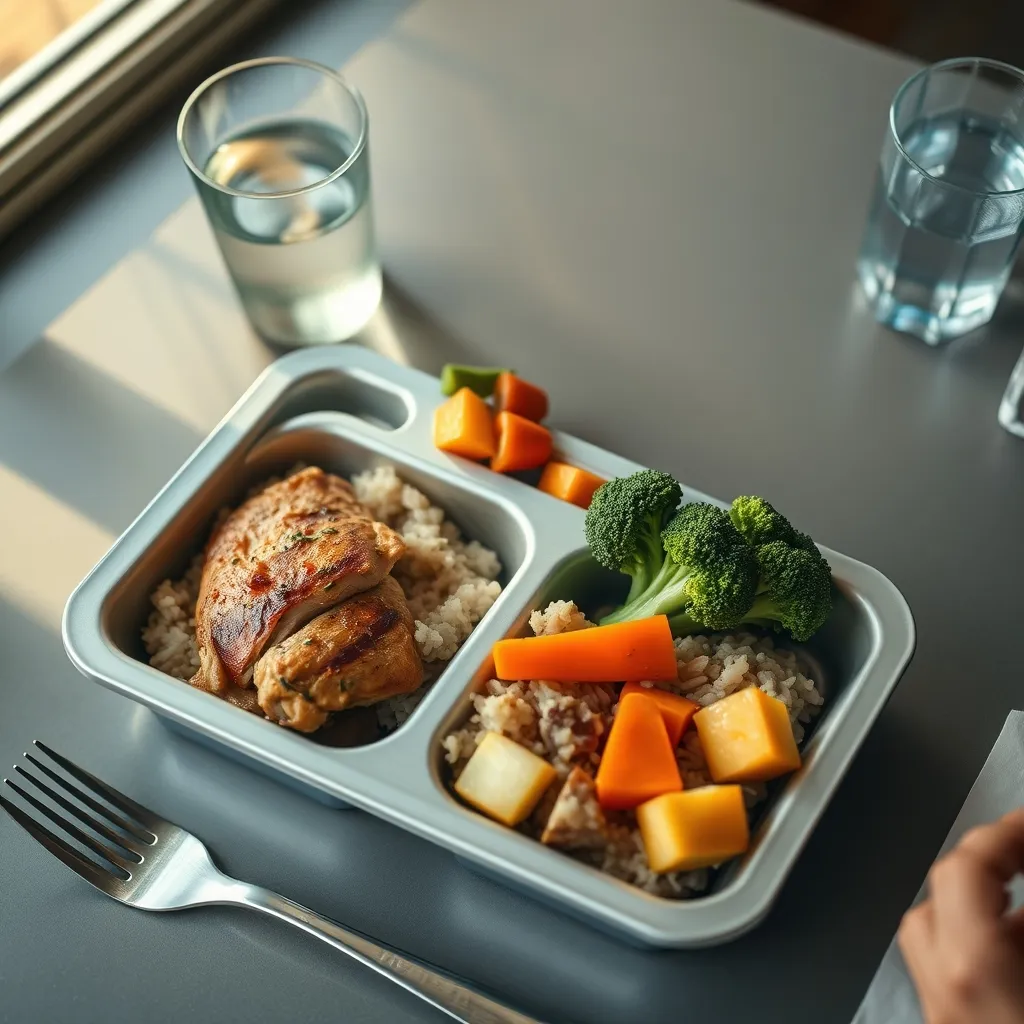
In England, all local authority maintained schools, academies and free schools that opened from 2014 onwards must comply with the School Food Standards. These legally binding requirements were introduced in 2015 and are based on extensive nutritional research. According to the government’s School Food Standards practical guide, the rules cover everything served throughout the school day, including breakfast clubs, tuck shops, vending machines and after-school provision.
The key food-based requirements include:
- One or more portions of fruit and vegetables must be provided every day
- A starchy food such as bread, pasta, rice or potatoes must be included daily
- Meat or poultry must appear on the menu regularly, and oily fish at least once every three weeks
- Deep-fried or batter-coated foods are limited to no more than two occasions per week
- Confectionery, chocolate, crisps and similar snacks are banned from school meals
- Only water, milk, fruit juice or vegetable juice may be offered as drinks
In addition to these food-based rules, there are nutrient-based standards that set minimum and maximum levels for energy, fat, saturated fat, sugar, salt, fibre, protein, iron, zinc, calcium, vitamin A and vitamin C across the school week. This means that over a five-day period, the meals served should collectively meet defined nutritional targets.
It is worth noting that in Scotland, Wales and Northern Ireland, slightly different frameworks apply, though all four nations share the principle of mandatory nutritional standards for school food. Scotland’s standards, for example, tend to be considered somewhat stricter on sugar and processed meat.
How Healthy Are School Meals Today?
On paper, the standards look robust. In practice, the picture is more mixed. When I audit school menus in my professional work, I consistently find that most schools are making a genuine effort to comply. Meals typically include a protein source, a starchy carbohydrate, at least one vegetable and a pudding. Many schools now offer salad bars, freshly prepared soups and a range of options catering to dietary needs including halal, vegetarian and allergen-free choices.
However, compliance does not always equal quality. Some schools meet the letter of the standards while relying heavily on processed ingredients. A meal might technically contain vegetables, but if those vegetables come in a pre-made, industrially processed sauce alongside reformed chicken nuggets, the nutritional reality is quite different from freshly prepared food.
Research from the Food Foundation’s 2025 report on free school meals confirms that school meals do offer measurable health benefits. Children eating school meals consume more micronutrients and fibre than those eating packed lunches. But the same evidence highlights that quality varies significantly depending on budget, catering provider and school leadership priorities.
Budget is a critical factor. Many schools operate on tight catering budgets, with some spending as little as £1 per meal on ingredients. This inevitably limits what can be offered and pushes caterers towards cheaper, more processed options. The link between poverty, deprivation and children’s weight extends directly into the school dining hall.
The Ultra-Processed Food Problem in School Meals

Perhaps the most concerning finding in recent years comes from research published in the BMJ group journals in 2024. A study by the National Institute for Health and Care Research (NIHR) found that ultra-processed foods make up almost two-thirds of the food served in English school meals. This includes items such as processed sausages, reformed meat products, flavoured yoghurts, packaged sauces and industrially produced bread.
Ultra-processed foods (UPFs) are defined using the NOVA classification system as industrial formulations made mostly from substances derived from foods and additives, with little or no intact whole food. There is growing evidence linking high UPF consumption to obesity, type 2 diabetes and cardiovascular disease in both adults and children. Understanding the link between childhood obesity and type 2 diabetes makes this finding particularly alarming.
I want to be clear: not all processing is harmful. Tinned tomatoes, frozen peas and wholemeal bread are all technically processed but remain nutritious. The concern is specifically with ultra-processed products that contain long lists of additives, emulsifiers, preservatives and flavourings designed to extend shelf life and reduce costs. These products often displace whole foods and can affect children’s long-term relationship with food.
The connection between nutrition and children’s mental health is another reason to pay attention to what is actually on school plates. Diets high in ultra-processed ingredients have been associated with poorer mood, concentration difficulties and behavioural challenges in school-age children.
School Meals vs Packed Lunches: Which Is Healthier?
This is a question I am asked constantly, and the evidence might surprise many parents. Multiple studies have found that, on average, school meals tend to be nutritionally superior to packed lunches. A typical packed lunch in the UK often contains a white bread sandwich, a packet of crisps, a chocolate biscuit bar and a sugary drink, providing excess sugar, salt and saturated fat while falling short on vegetables, fibre and key micronutrients.
| Nutritional Factor | Average School Meal | Average Packed Lunch |
|---|---|---|
| Vegetables included | At least 1 portion (mandatory) | Present in fewer than 20% of packed lunches |
| Sugar content | Regulated by nutrient-based standards | Often exceeds recommended limits |
| Salt content | Maximum limits enforced | Frequently above recommended levels |
| Fibre | Minimum standards apply | Typically below recommendations |
| Calcium | Minimum levels required | Often insufficient |
| Iron | Minimum levels required | Frequently below target |
| Saturated fat | Maximum limits enforced | Often exceeds guidelines |
| Crisps and confectionery | Banned from menus | Found in over 60% of packed lunches |
That said, a well-planned packed lunch can absolutely be the healthier option. If you prepare your child’s lunchbox with care, including wholegrain bread, lean protein, vegetables, fruit and water, it can easily match or exceed what school meals provide. The challenge is that most packed lunches are not planned this carefully. If you are looking for inspiration, I have written a detailed guide on healthy packed lunch ideas for children that meets nutritional guidelines.
The bottom line is this: a school meal following the food standards is likely to be healthier than a typical packed lunch, but a thoughtfully prepared packed lunch can be the best option of all. It really depends on how much time and thought goes into planning.
Free School Meals: Who Qualifies and Why They Matter

Free school meals (FSM) are one of the most important tools the UK has for reducing health inequalities among children. Currently, all children in Reception, Year 1 and Year 2 in England are entitled to Universal Infant Free School Meals, regardless of family income. Beyond infant school, eligibility is means-tested and linked to benefits including Universal Credit (with an annual household income below approximately £7,400), Income Support, and several other qualifying benefits.
The evidence strongly supports expanding free school meals. The Food Foundation’s 2025 analysis demonstrated that universal free school meals deliver significant economic and health benefits, improving dietary quality, reducing food insecurity and supporting academic attainment. For families struggling financially, school meals may provide a child’s most nutritious meal of the day.
I would strongly encourage every family to check their eligibility. Many parents do not realise they qualify, and an estimated 11% of eligible children are not currently registered. Even if you are uncertain, it is worth applying through your local authority. The process is straightforward and handled confidentially.
The broader issue of food affordability connects to children’s weight outcomes in complex ways. I have explored how poverty and deprivation affect children’s weight in a separate article, and school meals play a crucial role in that picture. For children from lower-income households, a hot, nutritionally balanced school meal can make a genuine difference to their daily nutrient intake.
Recent Government Changes to School Food
There have been several important policy developments in recent years that directly affect what your child eats at school. In 2025, the government announced it would scrap high-sugar foods from school menus, removing cakes, biscuits and puddings that exceed specified sugar thresholds from regular menu options. This represents a significant tightening of the existing standards.
This change builds on a wider pattern of government action, including the UK junk food advertising ban coming into effect in 2026 and the ongoing implementation of the UK Childhood Obesity Plan. Together, these measures signal a growing recognition that children’s food environments, both at school and beyond, need systemic reform.
However, it is important to acknowledge the challenges. Schools face rising food costs, staffing pressures and limited kitchen facilities. Some schools have had to reduce meal options or increase reliance on pre-prepared foods simply to remain financially viable. The standards only work when schools have the resources to implement them properly.
There is also the question of enforcement. While the standards are mandatory, monitoring and inspection of school food compliance has historically been inconsistent. Ofsted does not routinely assess food quality in detail, and many parents report feeling uncertain about whether their school is genuinely meeting the standards or simply ticking boxes.
What Parents Can Do to Ensure Healthier School Meals
You have more influence than you might think. Here are practical steps I recommend to parents in my clinic:
Review the school menu regularly. Most schools publish their menus online or send them home. Look at what is being served across the week. Are there plenty of vegetables? Is there variety? Are the protein sources mainly whole foods or processed products? If something concerns you, raise it with the school.
Talk to your child about what they actually eat. The menu might list a balanced meal, but children do not always eat everything on their plate. Many schools operate a choice system, and children may consistently pick the less nutritious option. Having open, positive conversations about food at home helps children make better choices independently.
Attend school food events. Some schools hold tasting sessions, parent consultations or food committee meetings. Getting involved gives you a direct say in what is served. If your school does not hold these events, suggest it to the head teacher.
Complement school meals at home. If your child’s school lunch is lighter on vegetables or lacks certain nutrients, you can balance this out with a nutritious breakfast and a well-planned evening meal. Ensuring adequate water intake throughout the day is equally important, as many children do not drink enough during school hours.
Check for allergen management. If your child has food allergies, make sure the school has robust procedures in place. Schools are required to provide allergen information for all meals, but the quality of allergen management varies considerably.
Get involved in food education. Cooking with children at home helps them understand what good food looks and tastes like, making them more likely to appreciate and choose healthier options at school.
Nutritional Needs of School-Age Children
To judge whether school meals are adequate, it helps to understand what your child actually needs. The nutritional requirements of school-age children vary by age, sex and activity level, but there are some universal principles.
School-age children need a balanced intake of macronutrients (carbohydrates, protein and healthy fats) alongside adequate micronutrients. Iron is particularly important, especially for girls approaching puberty, and iron deficiency in children remains more common than many parents realise. Calcium for bone development, vitamin D (which many UK children lack due to limited sunlight), and zinc for immune function are all critical.
According to NHS guidance on balanced diets, children should aim for at least five portions of fruit and vegetables daily, with school lunch ideally contributing one to two of those portions. Understanding how many calories a child needs by age can also help you assess whether school meals are providing an appropriate proportion of their daily energy requirements.
A school lunch should provide roughly one-third of a child’s daily nutritional needs. This means that even a good school meal cannot compensate entirely for poor nutrition at home, and equally, a less than ideal school meal need not be catastrophic if breakfast and dinner are well balanced.
Physical activity is the other side of the equation. Children who are active, particularly those who walk or cycle to school, will have different energy needs from those who are sedentary. Ensuring your child gets adequate nutrition to fuel their activity levels is just as important as the composition of their meals.
If you are concerned that your child may not be getting adequate nutrition, whether from school meals, home meals or a combination, I would recommend speaking to your GP or requesting a referral to a paediatric dietitian. Signs to watch for include unexplained fatigue, difficulty concentrating, frequent illness, and unexpected changes in weight. For guidance on assessing your child’s weight, see my article on whether your child might be underweight.
Key Points
- Review your child’s school meal menu weekly and check whether it includes whole foods, vegetables and variety
- If eligible, register for free school meals through your local authority, as an estimated 11% of qualifying families are not signed up
- Talk to your child about what they actually choose and eat at lunchtime, not just what is on the menu
- Balance any gaps in school meal nutrition with a nutrient-rich breakfast and evening meal at home
- Get involved with your school’s food provision by attending tasting events or joining a food committee if one exists
Frequently Asked Questions
Are school dinners healthy in the UK?
UK school meals must meet legally binding School Food Standards that set requirements for nutrients, food groups and restricted items. On average, school meals are nutritionally superior to packed lunches, providing more vegetables, fibre, iron and calcium. However, quality varies between schools, and research shows that ultra-processed foods still make up a significant proportion of what is served. The recent removal of high-sugar items from menus is a positive step, but parents should still review their school’s specific menu and ask questions about ingredients and preparation methods.
Jamie Oliver’s “Feed Me Better” campaign in 2005 brought national attention to the poor quality of school food in England. His television series showed the heavy reliance on processed, deep-fried foods in school canteens and led directly to government investment of over £280 million in school food. The campaign was instrumental in establishing the School Food Standards that remain in force today, including restrictions on fried foods, confectionery and sugary drinks. While not every change has been sustained, Oliver’s work fundamentally shifted public expectations about what schools should serve.What did Jamie Oliver do to school dinners?
Countries frequently cited for having the healthiest school meals include Japan, Finland, France and South Korea. Japan’s school lunch programme (kyushoku) is particularly notable: meals are freshly prepared on site, children serve each other, and nutrition education is integrated into lunchtime. Finland provides free school meals to all students with an emphasis on whole, locally sourced ingredients. France mandates multi-course meals with strict limits on processed food. The UK’s standards are broadly in line with European norms, though implementation and funding remain areas where other countries outperform us.Which country has the healthiest school lunches?
There are plenty of satisfying alternatives that children genuinely enjoy. Try vegetable sticks with hummus, rice cakes, breadsticks, popcorn (plain or lightly seasoned), sliced apple with nut butter (where school policy allows), cheese cubes, homemade flapjack with reduced sugar, or roasted chickpeas. The key is to offer crunch and flavour, which is what children are usually seeking when they want crisps. Introducing alternatives gradually alongside familiar favourites tends to work better than an abrupt switch.What can I give my child instead of crisps in their lunchbox?
The School Food Standards are mandatory for all local authority maintained schools, academies that opened from June 2014 onwards, and free schools that opened from June 2014. However, some older academies and free schools that opened before this date are not legally required to follow the standards, though many choose to do so voluntarily. Independent (private) schools are also not bound by these regulations. If you are unsure whether your child’s school complies, ask the head teacher directly or check the school’s funding agreement.Do school food standards apply to all schools in England?
Most schools publish their menus on their website, often with full allergen and nutritional information. You can also ask the school office for details about their catering provider and request ingredient lists and nutritional breakdowns. Many larger catering companies, such as Chartwells, Compass and ISS, provide detailed information online. If your child has specific dietary needs or you have concerns about ultra-processed ingredients, do not hesitate to contact the catering manager directly. You have every right to know exactly what your child is eating.How can I find out what is in my child’s school meals?