
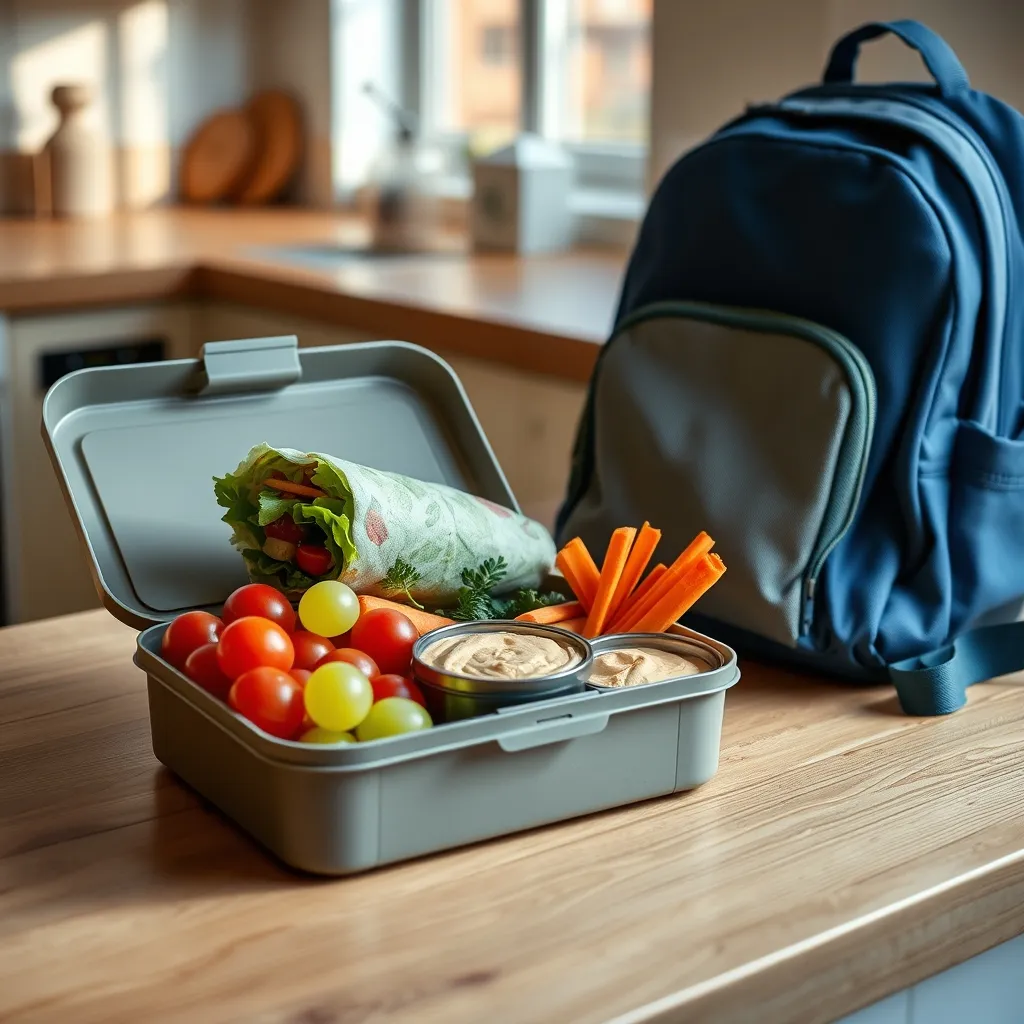
Key Takeaways
- Teenagers need approximately 900 to 1,100 calories at lunchtime, roughly a third of their daily energy intake
- Only 1.7% of packed lunches in UK secondary schools meet the nutritional standards set for school meals
- Including a source of protein, complex carbohydrates, healthy fats, and at least 2 portions of fruit or vegetables creates a balanced teen lunch box
- Batch-prepping packed lunch components on a Sunday can save families up to 45 minutes every weekday morning
- Involving teenagers in choosing and preparing their own lunches increases the likelihood they will actually eat the food rather than bin it
- A well-planned packed lunch for a teenager can cost as little as £1.50 to £2.00 per day, well below the average school meal price
In This Article
- Why Packed Lunches Matter for Teenagers
- Nutritional Needs: What Should a Teen Lunch Box Contain?
- Quick and Easy Packed Lunch Ideas for Teens
- Healthy Packed Lunch Ideas Teens Will Actually Eat
- Budget-Friendly Teen Lunch Box Recipes
- Vegetarian and Vegan Packed Lunch Ideas for Teens
- Meal Prep Strategies for Stress-Free Mornings
- Getting Your Teenager Involved in Lunch Planning
If there is one thing I have learnt from fifteen years of working with families across the NHS and private practice, it is that feeding teenagers is an entirely different challenge from feeding younger children. The lunch box that delighted your seven-year-old with neat little sandwiches and carrot sticks will likely be met with a look of sheer horror by the time they hit Year 9. And yet, the lunchtime meal remains absolutely crucial during adolescence, a period of rapid growth, hormonal change, and enormous cognitive demand.
Finding packed lunch ideas for teens that tick the nutritional boxes whilst still being something your teenager will voluntarily open and eat is the holy grail for most parents I work with. In this guide, I am going to share the recipes, strategies, and practical tips that I recommend to families in my clinic every single week. These are ideas that genuinely work, tested by real teenagers, and backed by the nutritional science I rely on daily.
Why Packed Lunches Matter for Teenagers
Adolescence is a period of extraordinary nutritional demand. Between the ages of 11 and 18, teenagers undergo their most significant growth spurt since infancy. Their bones are lengthening, their muscles are developing, and their brains are undergoing extensive remodelling. All of this requires energy and nutrients, delivered consistently throughout the day.
Lunch is not simply a break from lessons; it is a critical refuelling point. Research consistently shows that teenagers who eat a balanced midday meal perform better in afternoon lessons, concentrate more effectively, and are less likely to reach for sugary snacks at the end of the school day. According to the NHS Healthier Families lunchbox guidance, a well-constructed packed lunch should include starchy carbohydrates, protein, dairy or a calcium-rich alternative, and fruit or vegetables.
Yet the reality is often quite different. A landmark study published in the BMJ Open found that only 1.7% of secondary school packed lunches met the nutritional standards equivalent to those required of school meals. That statistic always surprises parents in my clinic, but it underscores how easy it is to fall into patterns of convenience over nutrition.
The packed lunch also plays a social role for teenagers. What they eat in front of their peers matters enormously to them. An overly “healthy” or unusual-looking lunch can become a source of embarrassment, whilst a lunch that looks appealing and mirrors what their friends eat is far more likely to be consumed. This is why I always encourage parents to find the sweet spot between nutrition and teen appeal. If you are also looking for ideas beyond the teen years, our guide to easy packed lunch ideas for adults is worth a read.
Nutritional Needs: What Should a Teen Lunch Box Contain?
Before we dive into specific recipes, it helps to understand what a teenager actually needs from their lunchtime meal. The nutritional requirements of a 14-year-old are significantly different from those of a 6-year-old, yet I frequently see parents applying the same lunch box formula across all their children.
As a general rule, lunch should provide approximately one third of the daily energy and nutrient intake. For most teenagers, that means somewhere between 900 and 1,100 calories, depending on their age, sex, and activity level. The Eatwell Guide published by Public Health England provides a helpful framework for building balanced meals for the whole family.
| Component | Examples | Why It Matters | Portion Guide |
|---|---|---|---|
| Starchy carbohydrates | Wholemeal bread, pasta, rice, wraps, pitta | Sustained energy for afternoon lessons | Around a third of the lunch box |
| Protein | Chicken, tuna, eggs, beans, hummus, cheese | Muscle growth, satiety, immune function | Palm-sized portion |
| Fruit and vegetables | Cherry tomatoes, pepper strips, apple, grapes, satsuma | Vitamins, minerals, fibre, hydration | At least 2 portions (80g each) |
| Dairy or alternative | Cheese, yoghurt, fortified plant milk | Calcium for bone development | 1 portion |
| Healthy fats | Nuts, seeds, avocado, olive oil dressing | Brain function, hormone production | Small handful or 1 tablespoon |
I always recommend thinking of the lunch box in compartments. When you mentally divide the space into these five categories, it becomes much easier to assemble something balanced without overthinking it. For a deeper dive into how these food groups fit together, you might find our explanation of the Eatwell Guide for children and families genuinely useful.
One point I emphasise with every family: hydration matters just as much as food. A reusable water bottle filled with plain water or sugar-free squash should always accompany the lunch box. Dehydration is one of the most common and overlooked causes of afternoon fatigue and poor concentration in secondary school students.
Quick and Easy Packed Lunch Ideas for Teens
The number one barrier I hear from parents is time. Mornings in a household with teenagers are chaotic at the best of times, and spending twenty minutes carefully assembling an elaborate lunch box is simply not realistic. These ideas can all be put together in under ten minutes, many in five.
The Build-Your-Own Wrap Station
Place a large wholemeal tortilla wrap in the lunch box alongside small containers of shredded rotisserie chicken, grated cheese, sweetcorn, sliced peppers, and a pot of salsa or guacamole. Teenagers love the autonomy of assembling their own lunch, and it keeps everything fresher than a pre-made wrap. This approach works beautifully and can be adapted from our creative sandwich ideas for lunch boxes.
Pasta Salad Pots
Cook a batch of wholemeal fusilli or penne on Sunday evening, toss with a little olive oil, and refrigerate. Each morning, scoop a portion into a container and add whatever protein and vegetables you have: cherry tomatoes, cucumber, tinned tuna, sweetcorn, pesto, or feta cheese. Our dedicated guide to pasta packed lunch ideas has eight brilliant variations.
The Upgraded Sandwich
There is nothing wrong with a sandwich, provided it is done well. Swap white bread for a seeded wholemeal loaf, add layers of flavour with mustard or pesto instead of butter, and pack in plenty of filling. A favourite in my house is roast chicken with avocado, baby spinach, and a squeeze of lemon on sourdough. Add a side of crunchy vegetable sticks with hummus, a piece of fruit, and a small pot of yoghurt.
Pitta Pockets
Wholemeal pitta breads are brilliant for stuffing with falafel (homemade or shop-bought), shredded lettuce, grated carrot, and a drizzle of tahini. They hold together better than wraps and feel less “childish” than a standard sandwich, which matters enormously to image-conscious teenagers.
Rice Bowl To Go
Leftover rice from last night’s dinner forms the base. Top with edamame beans, shredded carrot, cucumber ribbons, and teriyaki chicken or tofu. Pack a small pot of soy sauce on the side. This sort of lunch looks impressive, feels grown-up, and is incredibly nutritious.
Healthy Packed Lunch Ideas Teens Will Actually Eat
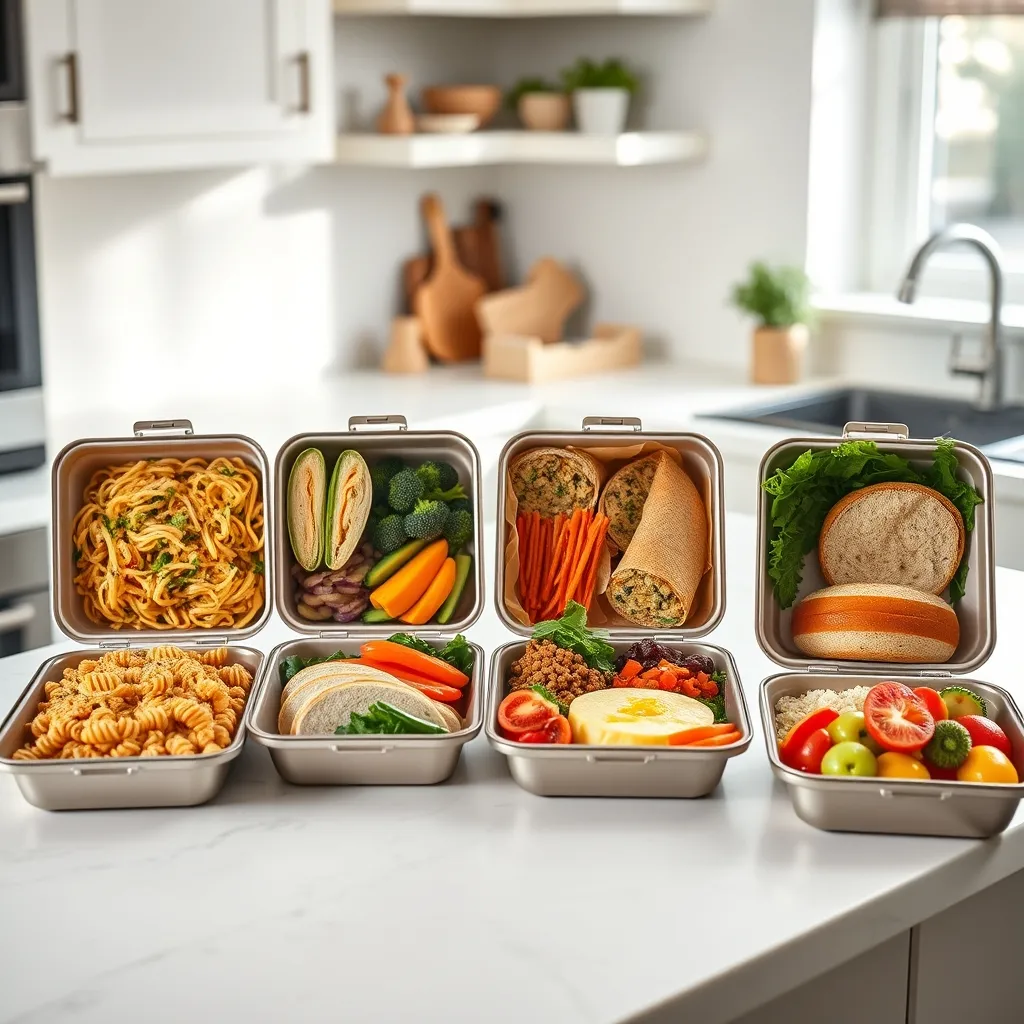
The word “healthy” can be a bit of a deterrent for teenagers. In my experience, the trick is to never label food as healthy; simply make it delicious and let the nutrition take care of itself. Here are some ideas that have been road-tested with teenagers in my practice and in my own home.
Mexican-Style Burrito Bowl
Layer brown rice, black beans, sweetcorn, diced peppers, a spoonful of salsa, a dollop of sour cream or Greek yoghurt, and a sprinkle of grated cheese. This is filling, colourful, and provides an excellent balance of protein, complex carbohydrates, and fibre. You can batch-prepare the rice and beans at the weekend and assemble each morning in under three minutes.
Japanese-Inspired Bento Box
Use a compartmentalised lunch box and fill sections with sushi rice, strips of omelette (tamago-style), edamame beans, cucumber and carrot sticks, a few pieces of fruit, and a small container of soy sauce. Teenagers find the bento format appealing because it feels trendy and social-media-worthy, which, frankly, I am happy to exploit if it means they eat their vegetables.
Homemade Pizza Rolls
Spread tomato purée over a wholemeal tortilla, add grated mozzarella, sliced peppers, and sweetcorn. Roll tightly, slice into pinwheels, and bake for 10 minutes at 180°C. These can be made in batches and frozen. Pop them in the lunch box frozen and they will be perfectly defrosted by lunchtime. Pair with a pot of cherry tomatoes and a piece of fruit.
Mediterranean Mezze Box
A generous scoop of hummus, wholemeal pitta strips, feta cheese cubes, olives, cherry tomatoes, cucumber sticks, and a small handful of mixed nuts. This lunch requires zero cooking and provides excellent levels of calcium, healthy fats, and fibre. It is a favourite for cold lunch days, and you can explore more ideas in our guide to cold packed lunch ideas.
Chicken and Avocado Salad Jar
Layer the dressing at the bottom of a tall jar, followed by sturdy vegetables (peppers, cucumber), then grains (couscous or quinoa), then protein (chicken strips or chickpeas), and finally leafy greens on top. When your teenager tips the jar out at lunchtime, everything is perfectly dressed. These salad jars keep beautifully in the fridge overnight and look genuinely appetising.
For guidance on appropriate amounts, our NHS-based guide to portion sizes for children by age is incredibly helpful.
Budget-Friendly Teen Lunch Box Recipes
Feeding a hungry teenager can feel expensive, especially when you are trying to keep things nutritious. The good news is that packed lunches are almost always cheaper than school meals, which typically cost £2.50 to £3.50 per day at secondary school level. With a little planning, you can create excellent lunches for well under £2.
Egg Mayo and Cress Rolls
Hard-boil eggs in bulk at the start of the week (they keep for up to five days in the fridge). Mash with a small amount of light mayonnaise and black pepper, then stuff into wholemeal rolls with cress. Add a banana and a small pot of natural yoghurt with a drizzle of honey. Total cost: approximately £0.90.
Bean and Cheese Quesadillas
Spread refried beans (or mashed kidney beans) over a wholemeal tortilla, add grated cheddar, fold, and cook in a dry frying pan for two minutes each side. Slice into triangles and serve cold or warm in a thermos flask. Add a satsuma and some vegetable sticks. Total cost: approximately £1.10.
Tuna Pasta
One tin of tuna, a portion of cooked pasta, a tablespoon of sweetcorn, and a light dressing of mayonnaise or olive oil with lemon juice. This classic combination is cheap, filling, and provides excellent omega-3 fatty acids for brain health. Add an apple on the side. Total cost: approximately £1.30.
Homemade Soup in a Flask
A batch of vegetable or lentil soup made on Sunday costs very little per portion and can be frozen in individual servings. Paired with a crusty wholemeal roll and a piece of fruit, this makes a warming and satisfying winter lunch. Our article on budget-friendly healthy meals for families has even more ideas for stretching your food budget.
Vegetarian and Vegan Packed Lunch Ideas for Teens
An increasing number of teenagers are choosing to reduce or eliminate animal products from their diet. The NHS guidance on vegan diets confirms that a well-planned plant-based diet can meet all nutritional needs, but it does require a little more thought, particularly around protein, iron, calcium, vitamin B12, and omega-3 fatty acids.
Chickpea and Spinach Wrap
Mash tinned chickpeas with a fork, mix with lemon juice, cumin, a pinch of paprika, and a handful of baby spinach. Spread into a wholemeal wrap with some sliced tomato. This provides excellent plant-based protein and iron. A simple, satisfying lunch that costs very little.
Peanut Butter and Banana on Rye
Sometimes the simplest ideas are the best. Spread a thick layer of no-added-sugar peanut butter on rye bread, top with sliced banana, and drizzle with a tiny amount of honey (or maple syrup for a vegan option). This provides sustained energy from healthy fats and complex carbohydrates, and most teenagers genuinely enjoy it.
Tofu Noodle Salad
Marinate firm tofu cubes in soy sauce and sesame oil, then toss with cooked rice noodles, shredded carrot, red cabbage, spring onions, and a dressing of lime juice, soy sauce, and a touch of sweet chilli sauce. This is vibrant, flavourful, and packed with nutrients.
Roasted Vegetable and Hummus Box
Roast a tray of Mediterranean vegetables (courgette, peppers, aubergine, red onion) on Sunday evening. Throughout the week, portion these into lunch boxes with a generous scoop of hummus, wholemeal pitta, and a sprinkle of pumpkin seeds. For more plant-based inspiration, our vegan packed lunch ideas and vegetarian packed lunch ideas guides cover this topic in even greater detail.
Meal Prep Strategies for Stress-Free Mornings
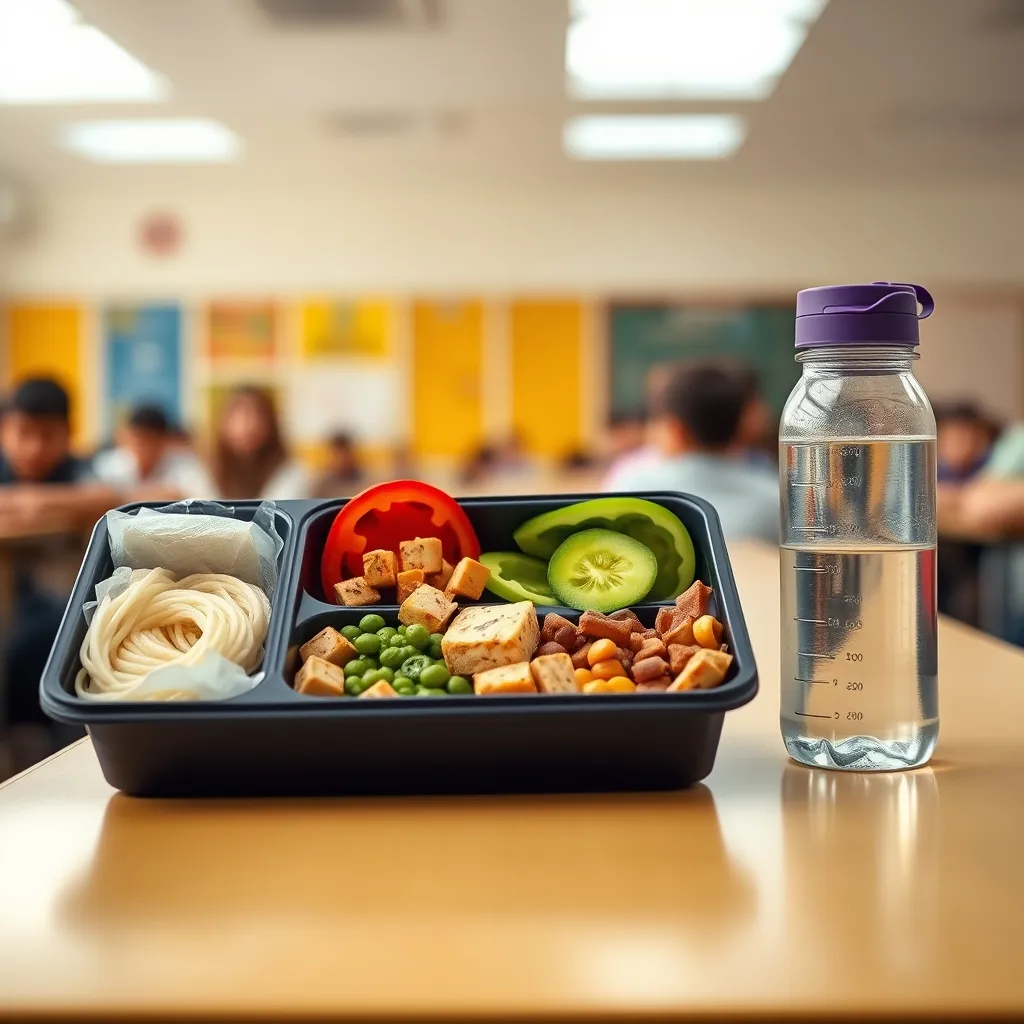
The families who succeed with packed lunches long-term are almost always the ones who embrace some form of weekly meal preparation. This does not mean spending your entire Sunday in the kitchen. Even thirty minutes of focused prep can transform your weekday mornings.
The Sunday Prep Session
Here is what I recommend to families in my clinic:
- Cook a batch of grains: rice, pasta, or couscous. Store in the fridge in an airtight container.
- Hard-boil six eggs: peel and store in the fridge. They last five days.
- Wash and chop vegetables: peppers, cucumber, carrots, celery. Store in containers lined with damp kitchen paper to maintain freshness.
- Prepare two protein sources: roast a chicken, cook a batch of meatballs, or make a large pot of beans or lentils.
- Bake a batch of something: savoury muffins, flapjacks, or pizza rolls that can be frozen individually.
With these components ready, assembling a packed lunch each morning becomes a simple matter of combining items from your fridge. You can learn more about this approach in our guide to organising healthy meals for the whole family.
Freezer-Friendly Options
Several lunch box items freeze brilliantly and can be taken out the night before or even placed directly into the lunch box frozen:
- Homemade sausage rolls
- Pizza pinwheels
- Savoury muffins (cheese and spinach, or ham and sweetcorn)
- Portions of soup in small containers
- Wraps (assembled and wrapped in cling film)
Having a selection of these in the freezer means that even on the most chaotic mornings, a nutritious lunch is only a grab away.
The Night-Before Routine
For families who find mornings particularly challenging, I suggest making the packed lunch the evening before. It takes the pressure off morning time and, honestly, results in a better quality lunch. Store the assembled lunch box in the fridge overnight and simply grab it on the way out of the door. If your teenager is old enough, this is also a task they can take ownership of themselves.
Getting Your Teenager Involved in Lunch Planning
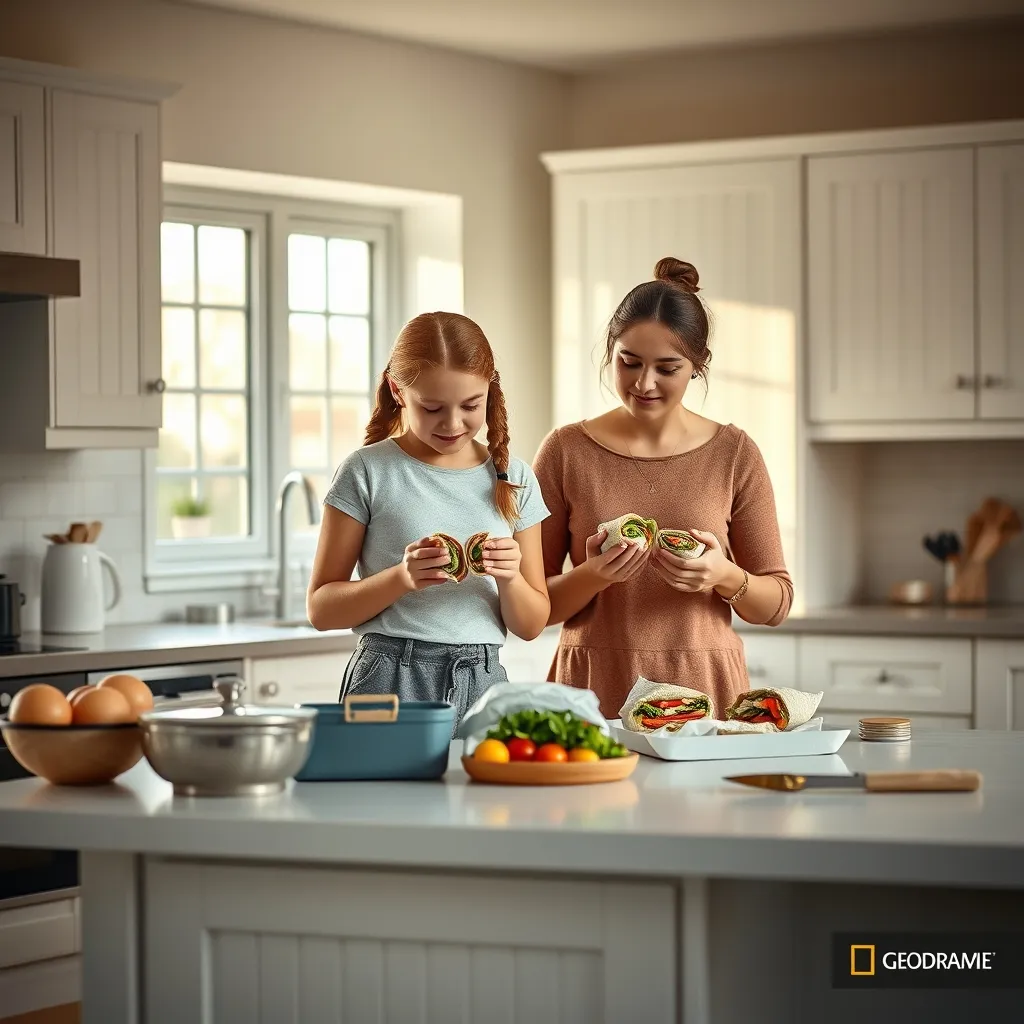
This is perhaps the most important section of this entire article. I cannot stress enough how valuable it is to involve your teenager in the planning, choosing, and ideally the preparation of their own packed lunches.
Teenagers are developing autonomy and independence. Food choices are one area where they can and should begin exercising some control. When a teenager has had input into what goes into their lunch box, they are far less likely to throw it away or swap it with a friend. Studies consistently show that adolescents who participate in meal preparation develop healthier eating habits that persist into adulthood.
Practical Ways to Get Them Involved
- Weekly menu planning: sit down together on a Sunday and plan the week’s lunches. Give them a framework (one protein, one carb, two veg, one treat) but let them choose within it.
- Supermarket involvement: take them shopping or let them add items to an online order. Teenagers who pick their own ingredients feel invested in eating them.
- Cooking skills: teach them to make two or three reliable lunch items independently. A teenager who can make a decent pasta salad or assemble a wrap has a skill for life.
- Lunch box upgrades: invest in a lunch box your teenager actually likes. Insulated, compartmentalised, or simply in a colour they have chosen. It sounds trivial, but it makes a genuine difference.
If your teenager is resistant, start small. Even choosing between two options is a step in the right direction. And if they want to include a biscuit or a packet of crisps alongside an otherwise balanced lunch, I would encourage you to allow it. Restriction breeds fixation; a small treat within a balanced meal is absolutely fine and helps teenagers develop a healthy, relaxed relationship with food. For broader guidance on this, our complete UK guide to healthy eating for children covers the principles I follow in my own practice.
The NHS Change4Life recipe collection is another excellent resource that teenagers can browse themselves for inspiration.
Key Points
- Build each lunch box around five components: starchy carbohydrates, protein, fruit or vegetables, dairy or alternative, and healthy fats
- Dedicate 30 minutes on a Sunday to batch-preparing grains, proteins, and chopped vegetables for the week ahead
- Involve your teenager in choosing and preparing their lunches to reduce food waste and build lifelong cooking skills
- Keep a stock of freezer-friendly items such as pizza rolls, savoury muffins, and soup portions for hectic mornings
- Allow a small treat alongside a balanced lunch rather than imposing strict restrictions that can backfire
Frequently Asked Questions
What should I put in a teenager’s packed lunch?
A balanced packed lunch for a teenager should include a source of starchy carbohydrates (bread, pasta, rice, or wraps), a protein source (chicken, tuna, eggs, beans, cheese, or hummus), at least two portions of fruit or vegetables, a dairy item or calcium-rich alternative (yoghurt, cheese, or fortified plant milk), and a small amount of healthy fats (nuts, seeds, or avocado). A reusable water bottle should always be included. This combination provides the energy and nutrients teenagers need to concentrate during afternoon lessons and supports their significant growth requirements.
A 14-year-old is perfectly capable of preparing several lunch options independently. Simple recipes include wraps with pre-cooked chicken or hummus and salad, pasta salads using leftover cooked pasta, sandwiches on wholemeal bread, and assembled mezze boxes with pitta, hummus, cheese, and vegetables. With minimal supervision, they can also learn to make egg mayo, quesadillas in a frying pan, or couscous salads. Teaching teenagers these basic skills gives them confidence and independence around food, which serves them well beyond their school years.What can a 14-year-old make for lunch by themselves?
The most effective way to reduce costs is through batch cooking and using leftovers. Cook larger portions at dinner and repurpose the extras for next-day lunches. Stock up on affordable protein sources such as tinned tuna, eggs, beans, and lentils. Buy seasonal fruit and vegetables, and opt for own-brand products where possible. Hard-boiled eggs, pasta salads, and homemade soup in a flask are all excellent options that cost well under £1.50 per lunch. Planning the week’s lunches before shopping also prevents impulse purchases and reduces food waste significantly.How can I make packed lunches cheaper for my teenager?
The single most effective strategy is involving your teenager in choosing what goes in their lunch box. Teenagers are far more likely to eat food they have selected themselves. Sit down together at the weekend and plan the week’s lunches, giving them choices within a nutritional framework. Avoid packing foods you know they dislike, even if those foods are nutritious. Listen to their feedback about portion sizes, as overly large lunches can be off-putting. Allow a small treat item alongside the healthier components, and invest in a lunch box they find appealing and easy to use.How do I stop my teenager from throwing away their packed lunch?
It depends entirely on the contents. School meals in the UK must meet mandatory nutritional standards set by the government, covering food groups, nutrients, and portion sizes. Packed lunches have no such regulation, and research shows that the vast majority fall short of these standards. However, a thoughtfully prepared packed lunch can absolutely match or exceed the nutritional quality of a school meal, particularly when it includes a good balance of protein, complex carbohydrates, fruit, vegetables, and dairy. The key is planning and preparation rather than relying on convenience foods.Are packed lunches healthier than school meals for teenagers?
Excellent vegetarian options include chickpea and spinach wraps, halloumi and roasted vegetable pitta pockets, caprese pasta salads with mozzarella and fresh basil, bean and cheese quesadillas, falafel wraps with tahini dressing, and Mediterranean mezze boxes with hummus and feta. It is important to ensure adequate iron and protein intake by including foods such as lentils, beans, eggs, nuts, seeds, and fortified cereals. A small handful of dried apricots makes an excellent iron-rich snack to include alongside the main lunch.What are good vegetarian packed lunch ideas for a teenage girl?