
Key Takeaways
- A family of four can eat healthily for around £30 to £40 per week by planning meals and using seasonal ingredients
- Store-cupboard staples such as lentils, tinned tomatoes and oats cost as little as 20p per serving and form the base of dozens of nutritious meals
- Batch cooking just two or three meals per week can cut food costs by up to 30% and reduce daily cooking time significantly
- Frozen vegetables retain up to 90% of their nutrients and are often cheaper than fresh alternatives
- Following the Eatwell Guide principles does not require expensive ingredients; beans, eggs and tinned fish are affordable protein sources
- Children who eat regular home-cooked meals consume fewer calories, less sugar and more vegetables than those eating convenience foods regularly
In This Article
- Why Eating Well on a Budget Matters for Children’s Health
- Weekly Meal Planning: The Foundation of Affordable Nutrition
- Store-Cupboard Staples Every Family Should Have
- Budget-Friendly Breakfast Ideas for Growing Children
- Affordable Lunches and Packed Lunch Options
- Cheap and Nutritious Family Dinners
- Smart Shopping Tips to Save Money on Healthy Food
- Batch Cooking and Freezer-Friendly Family Meals
Why Eating Well on a Budget Matters for Children’s Health
As a paediatric nutritionist who has worked with hundreds of families across Bristol and the wider UK, I hear the same worry time and again: “I want my children to eat well, but healthy food is just too expensive.” I completely understand that concern. With the cost of living continuing to squeeze family budgets, feeding children nutritious meals can feel like an impossible task. But here is the truth I share with every parent in my clinic: budget healthy meals for families in the UK are absolutely achievable, and they do not require exotic ingredients or hours in the kitchen.
Research consistently shows that children who eat balanced, home-cooked meals have better concentration at school, stronger immune systems and a healthier weight. According to NHS Healthier Families guidance, simple changes to what we cook and how we shop can make a significant difference to both our children’s health and our household spending. The key is not spending more; it is spending wisely.
I have seen first-hand how rising childhood obesity rates in the UK are linked to increased reliance on ultra-processed convenience foods. These products are marketed as affordable, but when you calculate the cost per nutrient rather than cost per calorie, whole foods such as lentils, seasonal vegetables and eggs come out ahead every time. Throughout this article, I will share the practical strategies I recommend to families in my practice, including real meal ideas, shopping tips and batch-cooking techniques that keep costs down without compromising on nutrition.

Weekly Meal Planning: The Foundation of Affordable Nutrition
If I could give families just one piece of advice for eating well on a budget, it would be this: plan your meals for the week before you go shopping. Meal planning is the single most effective way to reduce food waste, avoid impulse purchases and ensure your children get a balanced diet. Studies from the charity WRAP suggest that UK households throw away approximately 6.6 million tonnes of food each year, much of which is perfectly edible. For a family of four, that translates to roughly £60 per month wasted.
Here is the simple system I teach parents:
- Check what you already have. Before writing a shopping list, look through your fridge, freezer and cupboards. Build at least two meals around ingredients you already own.
- Choose five to six main meals for the week. Keep one or two nights for leftovers or simple meals like beans on toast with cheese. You do not need seven completely different dinners.
- Write a detailed shopping list. Stick to it. Shopping without a list increases spending by an estimated 20 to 30 percent.
- Use a “base and vary” approach. Cook a large batch of a base ingredient (rice, pasta, a tomato sauce) and vary it across two or three meals with different vegetables, proteins and seasonings.
Following the principles of the Eatwell Guide does not mean buying expensive foods. It simply means getting the right balance of food groups: plenty of fruits and vegetables, starchy carbohydrates, some protein, dairy and small amounts of oils. Most of these can be sourced very affordably with a bit of planning.
Store-Cupboard Staples Every Family Should Have
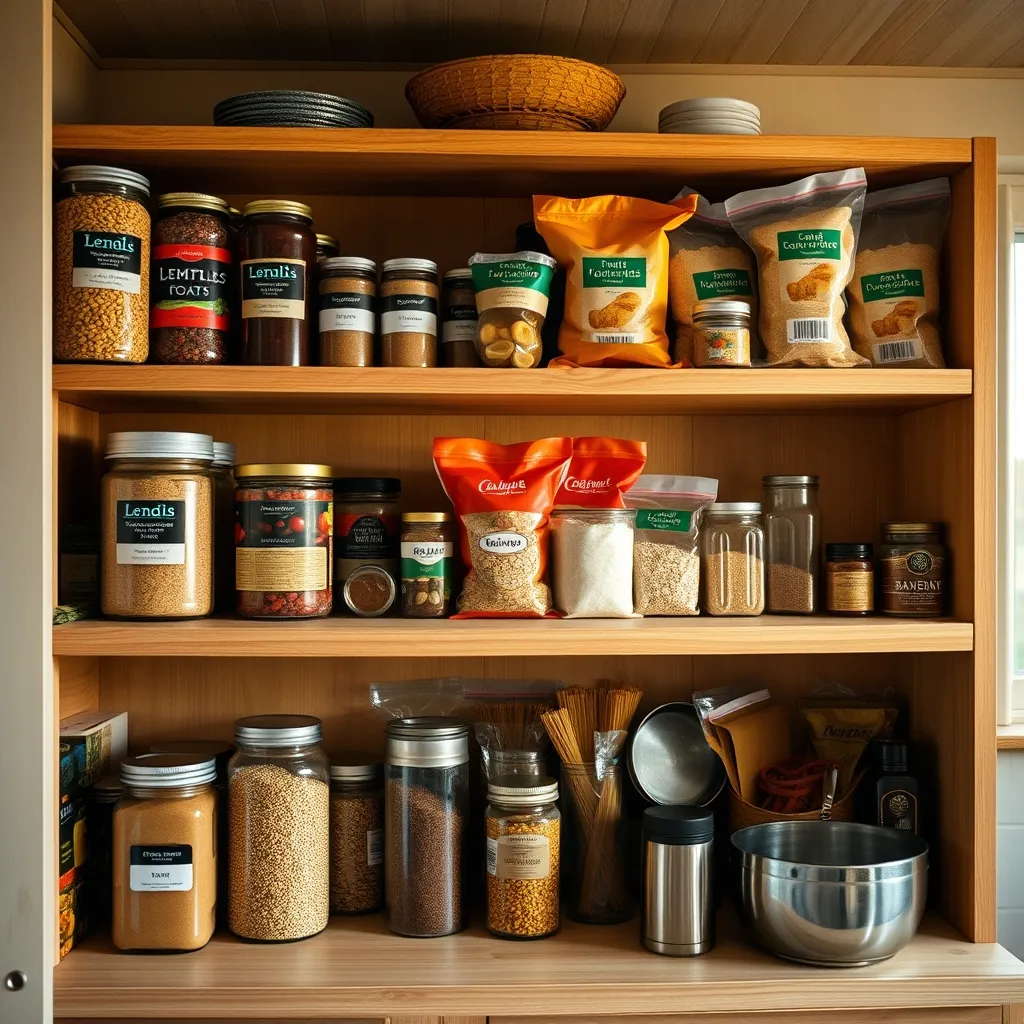
A well-stocked store cupboard is your best defence against expensive takeaways and last-minute convenience meals. I always recommend that families build up their staples gradually, buying one or two extra items each week. Within a month, you will have the foundation for dozens of budget healthy meals.
| Staple Item | Approximate Cost | Cost Per Serving | Nutritional Benefit |
|---|---|---|---|
| Dried red lentils (500g) | £0.75 | £0.08 | High in protein, iron and fibre |
| Tinned chopped tomatoes (400g) | £0.30 | £0.15 | Rich in lycopene and vitamin C |
| Porridge oats (1kg) | £0.85 | £0.06 | Slow-release energy, B vitamins |
| Frozen mixed vegetables (1kg) | £1.00 | £0.13 | Vitamins A, C and K; fibre |
| Tinned chickpeas (400g) | £0.40 | £0.10 | Protein, iron, folate |
| Brown rice (1kg) | £1.10 | £0.09 | Wholegrain carbohydrate, B vitamins |
| Eggs (box of 10) | £1.50 | £0.15 | Complete protein, vitamin D, B12 |
| Tinned sardines (120g) | £0.70 | £0.35 | Omega-3, calcium, vitamin D |
| Peanut butter (340g) | £1.20 | £0.10 | Protein, healthy fats, vitamin E |
| Frozen peas (900g) | £0.90 | £0.08 | Protein, vitamin C, fibre |
Prices above are based on supermarket own-brand products and may vary by region. The important point is that nutrient-dense staples are often the cheapest items in the shop. A bag of dried lentils provides around ten servings of high-quality protein for under a pound. Compare that to a ready meal costing £2 to £3 per person with far less nutritional value.
I also recommend keeping basic spices such as cumin, paprika, mixed herbs and garlic granules. These transform simple ingredients into flavourful meals and cost very little per use. Children are far more likely to enjoy vegetables when they are seasoned well, which is an important consideration when managing fussy eating.
Budget-Friendly Breakfast Ideas for Growing Children
Breakfast sets the tone for the entire day. Children who eat a nutritious breakfast perform better at school, have more stable energy levels and are less likely to reach for sugary snacks mid-morning. Yet many families feel pressured into buying expensive branded cereals that are often loaded with sugar. The good news is that the healthiest breakfasts are also among the cheapest.
Porridge with banana and cinnamon is my top recommendation for families on a budget. A bowl of porridge costs approximately 6p to make and provides slow-release energy that keeps children satisfied until lunchtime. Top with a sliced banana (around 12p) and a pinch of cinnamon for a breakfast that costs under 20p per child.
Other budget breakfast ideas I regularly suggest include:
- Scrambled eggs on wholemeal toast: around 30p per serving, packed with protein and B vitamins
- Overnight oats with frozen berries: prepare the night before for a grab-and-go option at roughly 25p per portion
- Homemade beans on toast: tinned beans (low-sugar variety) on wholemeal bread costs about 25p and counts towards your child’s five-a-day
- Banana pancakes: two-ingredient pancakes using one egg and one banana, cooked in a small amount of oil; approximately 20p per serving
- Natural yoghurt with oats and fruit: far cheaper than flavoured yoghurts when you buy plain yoghurt in larger pots
I always remind parents that creating positive mealtime habits starts at breakfast. Sitting down together, even briefly, helps children develop a healthy relationship with food that will serve them for life.
Affordable Lunches and Packed Lunch Options
Lunchtime can be a significant expense for families, particularly when children need packed lunches for school. Pre-packaged lunchbox items like individually wrapped cheese portions, snack bars and juice boxes are convenient but costly. Making lunches from scratch saves a considerable amount over the school year.
If your family qualifies, free school meals can provide substantial savings. All children in Reception, Year 1 and Year 2 in England receive universal free school meals regardless of income. For older children, eligibility depends on household income and benefits. I encourage every parent to check whether they qualify, as uptake remains lower than it should be.
For those who do need to prepare packed lunches, here are some of my tried and tested healthy packed lunch ideas that cost under £1 per lunchbox:
- Wholemeal pitta stuffed with hummus, grated carrot and cucumber: hummus is incredibly cheap to make at home using tinned chickpeas
- Pasta salad with sweetcorn, peas and tuna: cook extra pasta at dinner and use leftovers for the next day’s lunch
- Cheese and bean wrap: a wholemeal tortilla with grated cheese and refried beans provides protein, calcium and fibre
- Homemade vegetable soup in a flask: particularly good during colder months and ideal for using up leftover vegetables
- Egg mayo sandwich on wholemeal bread with cherry tomatoes: eggs are one of the most affordable complete proteins available
Remember to include a piece of fruit, some vegetable sticks and water rather than a juice carton. This small change alone can save £1 to £2 per week per child while also reducing sugar intake.
Cheap and Nutritious Family Dinners
Dinner is often where families feel the greatest pressure to produce something appealing, filling and nutritious. The secret to affordable family dinners is embracing simple, one-pot meals that stretch ingredients further and reduce washing up. According to the government’s Eatwell Guide, about a third of our plate should be vegetables and fruit, a third starchy carbohydrates and the remaining portion split between protein and dairy.
Here are seven dinner ideas I recommend to families, each costing under £1.50 per person for a family of four:
1. Red lentil dhal with rice. This is possibly the most nutritious meal you can make for the least money. Red lentils cook in 20 minutes without soaking, and combined with onion, garlic, tinned tomatoes, cumin and turmeric, they create a rich, warming dish. Total cost for four servings: approximately £2.00. Children often love this with a dollop of natural yoghurt on top.
2. Vegetable and bean chilli. Using kidney beans and mixed vegetables with tinned tomatoes and spices, this meal is loaded with iron and fibre. Serve with rice or baked potatoes. Cost for four: around £3.50.
3. Pasta with hidden vegetable sauce. Blend tinned tomatoes with cooked carrots, courgette and red pepper for a smooth sauce that even the fussiest eaters will enjoy. Add a handful of grated cheese on top for calcium. Cost for four: roughly £2.50.
4. Chicken drumstick tray bake. Chicken drumsticks are among the most affordable cuts of meat. Roast with chopped sweet potato, peppers and onion seasoned with paprika and mixed herbs. Cost for four: about £4.50.
5. Egg fried rice with frozen vegetables. Use leftover cooked rice, frozen peas, sweetcorn and carrots, scrambled eggs and a splash of soy sauce. Ready in ten minutes and costs approximately £2.00 for four.
6. Jacket potatoes with various toppings. Baked potatoes are incredibly cheap and filling. Top with baked beans and cheese, tuna mayo with sweetcorn, or homemade coleslaw. Cost for four: around £2.50.
7. Simple fish pie. Using frozen white fish (often cheaper than fresh), mashed potato and frozen peas, this provides omega-3 fatty acids and is a meal most children enjoy. Cost for four: approximately £5.00.
Each of these meals aligns with the nutritional balance I advocate in my practice: plenty of vegetables, adequate protein, complex carbohydrates and minimal added sugar. They also support gut health through their fibre content, which is something many convenience foods lack entirely.

Smart Shopping Tips to Save Money on Healthy Food
How and where you shop can be just as important as what you buy. Over the years, I have gathered practical shopping strategies from families who successfully feed their children well on tight budgets. Here are the approaches that consistently work:
Buy own-brand products. Supermarket own-brand tinned vegetables, pasta, rice and pulses are nutritionally identical to branded versions but typically cost 30 to 50 percent less. In my experience, children rarely notice the difference, particularly when ingredients are cooked into meals.
Shop seasonally. Seasonal produce is cheaper and often more nutritious because it has not been transported long distances or stored for extended periods. In winter, root vegetables like carrots, parsnips and swede are excellent value. In summer, take advantage of affordable courgettes, tomatoes and berries. The NHS eat well for less guidance offers further practical advice on seasonal shopping.
Do not overlook frozen and tinned options. There is a persistent myth that fresh is always best. In reality, frozen vegetables are picked and frozen at peak ripeness, retaining up to 90% of their vitamins and minerals. Tinned fish such as sardines and mackerel provide excellent omega-3 fatty acids at a fraction of the cost of fresh fish. Tinned fruit in juice (not syrup) counts towards your child’s five-a-day and is available year-round.
Use yellow-sticker reductions. Most supermarkets reduce prices on items approaching their use-by date during the late afternoon and evening. Bread, meat, fish and dairy products can often be purchased at 50 to 75 percent off and frozen immediately for later use.
Consider budget supermarkets. Aldi and Lidl consistently rank as the cheapest UK supermarkets for a standard family shop. Their fruit and vegetable ranges are excellent quality and significantly less expensive than the major chains. A weekly fruit and vegetable shop at a budget supermarket can save a family of four £10 to £15 per week compared to premium retailers.
Grow your own where possible. Even without a garden, children can grow herbs on a windowsill, tomatoes in a pot or salad leaves in a planter. This is not only free food but also a fantastic way to get children interested in what they eat, supporting obesity prevention through food engagement.
Batch Cooking and Freezer-Friendly Family Meals
Batch cooking is the strategy I most frequently recommend to busy parents. The idea is simple: when you cook, make double or triple the quantity and freeze the extra portions. This means that on days when time is short or energy is low, you have a home-cooked meal ready in minutes rather than reaching for an expensive and often less nutritious takeaway or ready meal.
The meals that freeze best are:
- Soups and stews: vegetable soup, chicken casserole, beef stew
- Sauces: bolognese, tomato and vegetable sauce, dhal
- Baked goods: homemade muffins, flapjacks, bread rolls
- Complete meals: shepherd’s pie, fish pie, lasagne, chilli
- Cooked grains and pulses: rice, lentils, chickpeas (freeze in portion-sized bags)
I suggest dedicating one to two hours on a weekend to batch cooking. Many families I work with find that preparing two large meals on a Sunday gives them enough frozen portions to cover three or four weeknight dinners. This approach not only saves money but also significantly reduces the mental load of deciding what to cook every evening.
Investing in a set of reusable freezer containers is worthwhile. Label each container with the meal name and date. Most home-cooked frozen meals are best used within three months, though they remain safe to eat beyond that point. Defrost thoroughly in the fridge overnight and reheat until piping hot throughout.
For families concerned about the energy cost of cooking, slow cookers are remarkably efficient. They use roughly the same amount of electricity as a light bulb and can produce large quantities of stew, curry or soup from very cheap cuts of meat and root vegetables. A slow cooker meal using diced beef shin, carrots, onions and potatoes can feed a family of four for approximately £4.00 with minimal effort.
It is also worth noting the connection between regular home-cooked meals and children’s mental health. Research suggests that family mealtimes provide emotional benefits beyond nutrition, offering a daily opportunity for connection and conversation. Budget-friendly cooking does not mean compromising on these important moments.
For healthy after-school snacks, batch cooking is equally useful. Homemade oat bars, vegetable muffins and fruit flapjacks can all be made in batches and frozen individually. These cost a fraction of shop-bought snack bars and contain far less sugar and fewer additives, which matters when you consider the impact of junk food marketing on children’s food choices.
Key Points
- Plan five to six meals per week before shopping and write a detailed list to avoid impulse purchases
- Stock your cupboard with affordable staples: lentils, tinned tomatoes, oats, frozen vegetables and eggs form the base of dozens of meals
- Batch cook two large meals per weekend and freeze portions for busy weeknights
- Buy own-brand and seasonal produce to cut your food bill by up to 50% on key items
- Check eligibility for free school meals and use frozen and tinned ingredients without nutritional guilt
Frequently Asked Questions
How much should a family of four spend on healthy food per week in the UK?
Based on my experience and current supermarket prices, a family of four can eat nutritious, balanced meals for approximately £30 to £50 per week by planning meals, buying own-brand products, using seasonal produce and incorporating affordable staples like lentils, eggs and frozen vegetables. The exact amount depends on your location and the ages of your children, but meal planning alone can reduce spending by 20 to 30 percent compared to unplanned shopping.
Yes, in many cases frozen vegetables are equally nutritious or even more so than fresh alternatives. Vegetables destined for freezing are typically harvested at peak ripeness and frozen within hours, which locks in vitamins and minerals. Fresh vegetables, particularly those transported over long distances, can lose nutrients during storage and transit. Frozen peas, sweetcorn, spinach and mixed vegetables are all excellent choices for budget-conscious families and count fully towards your child’s five-a-day.Are frozen vegetables as nutritious as fresh ones?
The most affordable healthy protein sources in the UK include eggs (approximately 15p each), dried or tinned lentils and beans (8 to 10p per serving), tinned sardines or mackerel (around 35p per serving), chicken drumsticks or thighs (cheaper than breast meat), peanut butter and frozen peas (which contain more protein than most people realise). Combining legumes with grains, such as beans with rice, provides a complete protein profile at minimal cost.What are the cheapest healthy proteins for children?
Involve your children in the process. Let them help with age-appropriate tasks like washing vegetables, stirring ingredients or choosing between two meal options. Children who participate in cooking are significantly more likely to eat the finished meal. Season food well with herbs and spices rather than relying on salt or sugar. Present meals attractively, as children eat with their eyes first. Most importantly, be patient and consistent. It can take 10 to 15 exposures to a new food before a child accepts it, so keep offering without pressure.How can I get my children to eat budget meals without complaints?
Cooking from scratch is almost always cheaper than buying ready meals when you compare the cost per serving. A homemade vegetable and lentil dhal feeding four people costs approximately £2.00 in total, or 50p per person. An equivalent ready meal costs £2.00 to £3.50 per person. Over a week, that difference adds up to £30 to £50 in savings for a family of four. Home-cooked meals also contain less salt, less sugar and fewer additives, making them significantly better for your children’s health.Is it cheaper to cook from scratch or buy ready meals?
For fussy eaters, I recommend meals where vegetables can be blended into sauces, such as pasta with hidden vegetable tomato sauce, smooth vegetable soup or shepherd’s pie with mixed vegetables mashed into the meat layer. Simple, familiar foods like jacket potatoes with various toppings, mild chicken and vegetable stir-fry with noodles, and homemade pizzas using pitta bread as the base allow children some choice and control. Gradually introduce visible vegetables alongside the “hidden” ones so children learn to accept them over time.What are the best budget-friendly meals for fussy eaters?