
Key Takeaways
- Children aged 4 to 6 should have no more than 19 grams (5 sugar cubes) of free sugars per day
- Children aged 7 to 10 should consume a maximum of 24 grams (6 sugar cubes) of free sugars daily
- Children aged 11 and over share the adult limit of 30 grams (7 sugar cubes) per day
- UK children currently consume on average three times the recommended amount of free sugars
- Sugars naturally present in whole fruit, vegetables and plain milk do not count towards the daily limit
- Reading nutrition labels for “of which sugars” is the most reliable way to track your child’s intake
In This Article
- What Are Free Sugars and Why Do They Matter?
- Recommended Sugar Limits by Age
- How Much Sugar Are UK Children Actually Consuming?
- Hidden Sugars in Common Children’s Foods
- What Happens When a Child Eats Too Much Sugar?
- How to Read Food Labels for Sugar Content
- Practical Ways to Reduce Your Child’s Sugar Intake
- Healthier Sugar Alternatives and Smart Swaps
- Sugar Guidelines for Babies and Toddlers
What Are Free Sugars and Why Do They Matter?
As a paediatric nutritionist, one of the most common questions I hear from parents is: how much sugar should my child actually have per day? It is a brilliant question, and the answer is more nuanced than most people realise. Before I give you the numbers, it is essential to understand the difference between free sugars and naturally occurring sugars, because this distinction changes everything.
Free sugars are any sugars that have been added to food or drinks by the manufacturer, cook, or consumer. They also include sugars naturally present in honey, syrups, fruit juices and smoothies. According to NHS guidance on sugar and health, it is specifically these free sugars that we need to limit in our children’s diets.
Sugars that are naturally present in whole fruit, vegetables and plain milk are not classified as free sugars. When your child bites into an apple, the sugar comes packaged with fibre, water, vitamins and minerals. This fibre slows digestion, prevents blood sugar spikes, and helps your child feel full. When that same apple is juiced, the fibre is stripped away, and the sugar behaves very differently in the body. This is why a glass of apple juice counts as free sugar, but an actual apple does not.
Understanding this distinction is the foundation for making sense of the daily sugar limits I am about to share with you. It also explains why I never tell parents to worry about the sugar in a banana or a glass of milk; the concern is firmly with added and free sugars.
Recommended Sugar Limits by Age
The Scientific Advisory Committee on Nutrition (SACN) provides the official UK recommendations for sugar intake, and these have been adopted by the NHS and Public Health England. The guidelines are clear and age-specific, which makes them straightforward to follow once you know the numbers.
| Age Group | Maximum Free Sugars Per Day | Equivalent in Sugar Cubes | Percentage of Daily Energy |
|---|---|---|---|
| Under 4 years | No specific figure; avoid as much as possible | As few as possible | Not specified |
| 4 to 6 years | 19 grams | 5 cubes | No more than 5% |
| 7 to 10 years | 24 grams | 6 cubes | No more than 5% |
| 11 years and over | 30 grams | 7 cubes | No more than 5% |
These limits mean that free sugars should account for no more than 5% of total daily energy (calories) for anyone aged 2 and above. To put this into perspective, a single can of a popular fizzy drink contains roughly 35 grams of sugar, which already exceeds the daily limit for every age group, including adults.
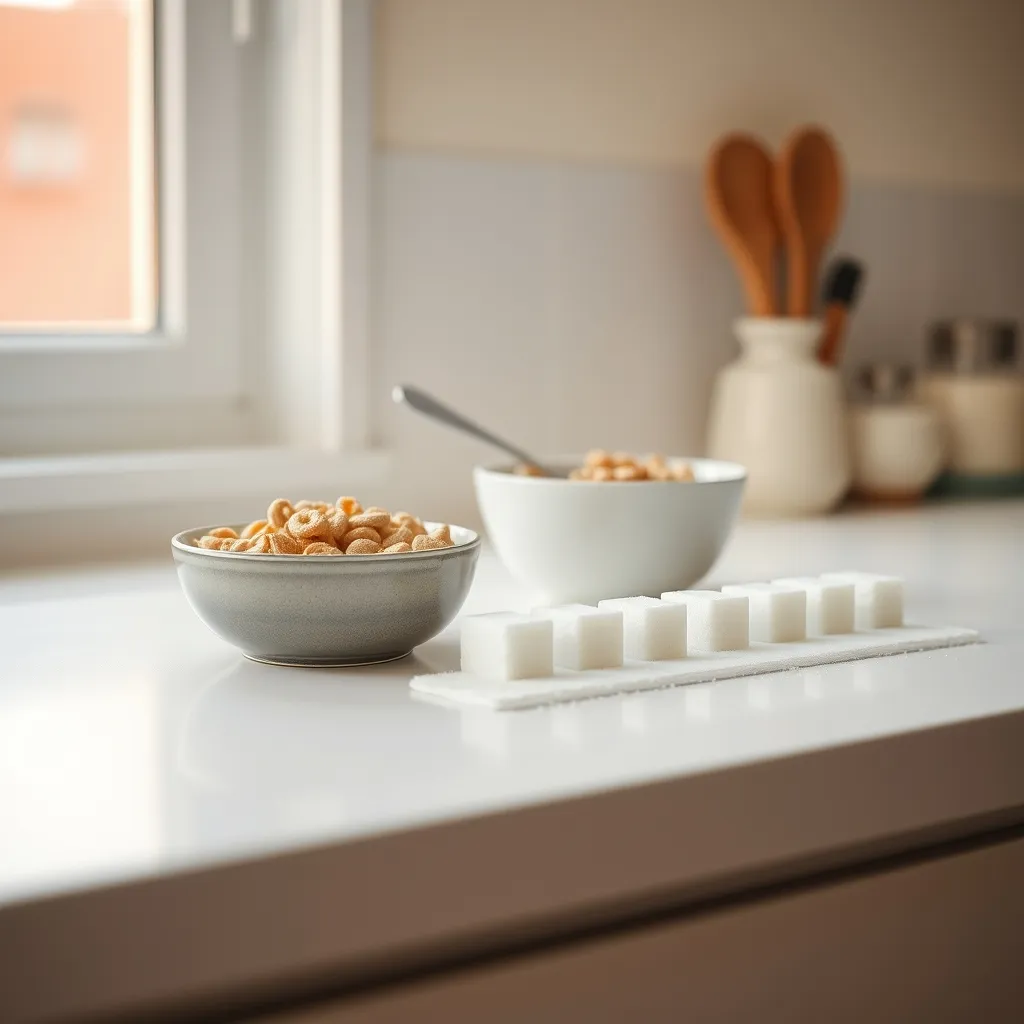
I find that thinking in terms of sugar cubes makes these numbers far more tangible for families. One sugar cube weighs approximately 4 grams, so a 6-year-old’s entire daily allowance of free sugars is just 5 of those small cubes. Once parents visualise that, they often begin to see just how quickly their child’s intake can add up. If you are also thinking about your child’s overall diet and energy needs, my guide on how many calories a child needs by age provides the broader picture.
How Much Sugar Are UK Children Actually Consuming?
The reality is sobering. Data from Public Health England revealed that children in England consume more than a year’s worth of recommended sugar in just six months. By the time a child reaches the age of 10, they have already consumed the equivalent of their entire recommended sugar allowance for an 18-year-old.
The National Diet and Nutrition Survey paints an equally concerning picture. Children aged 4 to 10 are getting approximately 13% of their daily energy from free sugars, which is more than double the 5% maximum. For teenagers aged 11 to 18, the figure is even higher at around 14-15%.
In my clinical practice in Bristol, I see these statistics reflected in the families I work with. Most parents are genuinely surprised when we sit down and calculate their child’s actual sugar intake for a typical day. The culprits are rarely sweets and chocolate alone. Instead, it is the accumulation of sugar across seemingly “healthy” foods like breakfast cereals, yoghurts, fruit juices, cereal bars and pasta sauces that drives the numbers up.
This overconsumption is directly linked to the rising rates of childhood obesity across the UK. For a deeper look at what families can do, I have written about practical childhood obesity prevention strategies that complement sugar reduction efforts.
Hidden Sugars in Common Children’s Foods
One of the biggest challenges for parents is identifying where free sugars are hiding. Many foods marketed at children carry health claims on the front of the pack while containing surprisingly high amounts of sugar. In my experience, these are the most common offenders that catch families off guard.
Breakfast cereals are a major source. Some popular children’s cereals contain up to 37 grams of sugar per 100 grams, meaning a single bowl could deliver more than half your child’s daily allowance before they have even left the house. If mornings are a battle in your household, my article on healthy breakfast ideas for fussy eaters offers practical lower-sugar alternatives.
Fruit juices and smoothies deserve special attention. A 200ml glass of orange juice contains about 18 grams of free sugar, nearly the entire daily limit for a 4 to 6-year-old. Even smoothies made entirely from fruit count as free sugars once the fruit has been blended, because blending breaks down the cell structure and releases the sugars.
Flavoured yoghurts can contain 15 to 20 grams of sugar per pot, with much of that being added sugar rather than the natural lactose in milk. Switching to plain yoghurt with fresh fruit is one of the simplest and most effective swaps I recommend.
Other common hidden-sugar sources include:
- Tomato ketchup: approximately 4 grams of sugar per tablespoon
- Cereal bars and flapjacks: often 8 to 15 grams per bar
- Ready-made pasta sauces: up to 13 grams of sugar per serving
- Baked beans: around 10 grams per half-tin serving
- Dried fruit: concentrated sugars that count as free sugars when processed
These hidden sugars make it surprisingly easy for a child to exceed their daily limit without eating a single sweet or biscuit. When packing school lunches, being aware of these sources is crucial. My guide to healthy packed lunch ideas for children includes plenty of lower-sugar options.
What Happens When a Child Eats Too Much Sugar?
Excess sugar consumption in childhood has consequences that extend far beyond tooth decay, although dental caries remains the number one reason for hospital admissions among young children in England. In my work, I see the effects of high sugar diets manifesting across multiple areas of a child’s health.
Weight gain and obesity are the most visible consequences. Foods and drinks high in free sugars are calorie-dense but nutrient-poor. They provide energy without the fibre and nutrients that help a child feel satisfied, leading to overconsumption. The link between sugar-sweetened beverages and childhood weight gain is particularly well established. For more on this connection, my article on the link between childhood obesity and type 2 diabetes explains the metabolic pathways involved.
Blood sugar instability is something I observe frequently in the children I see. High-sugar foods cause rapid spikes in blood glucose followed by sharp drops. This cycle can lead to energy crashes, irritability, difficulty concentrating at school, and increased hunger. Many parents describe their child as being on a “sugar roller coaster” throughout the day.
Gut health is also affected. Excessive sugar can disrupt the balance of beneficial bacteria in your child’s gut microbiome, which in turn influences immunity, mood, and digestion. I discuss this in greater detail in my article on gut health for children.
There is also growing evidence connecting high sugar diets with mood and behaviour changes. While the idea of a “sugar rush” making children hyperactive is somewhat of a myth, the blood sugar instability caused by excessive sugar can genuinely affect a child’s mood, attention span and emotional regulation. The broader relationship between children’s mental health and nutrition is an area of active research that I follow closely.
How to Read Food Labels for Sugar Content
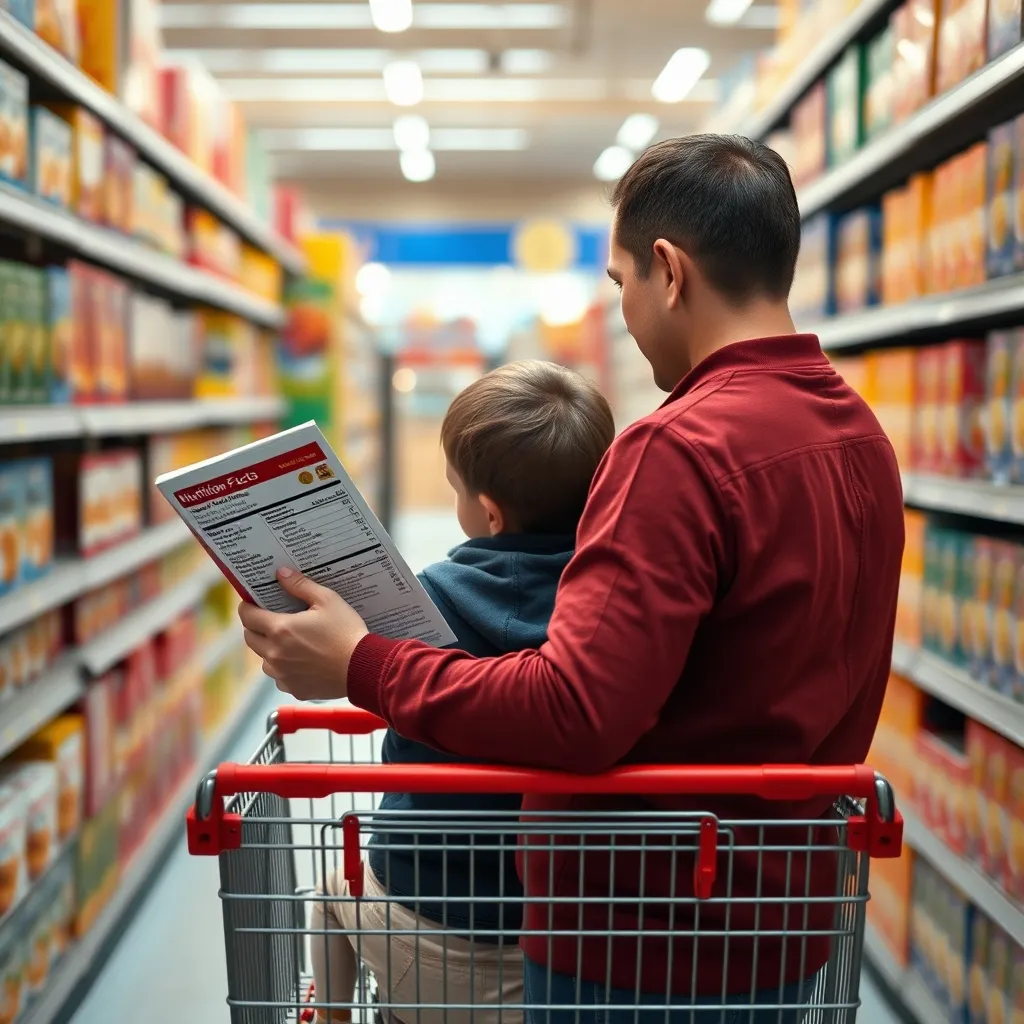
Learning to read food labels is, in my view, the single most powerful skill a parent can develop when managing their child’s sugar intake. It takes a little practice, but once you know what to look for, it becomes second nature.
On UK nutrition labels, you will find a line that reads “Carbohydrates, of which sugars”. This figure tells you the total sugar content per 100 grams (or per serving). However, it is important to note that this number includes both naturally occurring sugars and added sugars, as current UK labelling does not separate the two.
The traffic light labelling system used by many UK manufacturers provides a quick visual guide:
| Traffic Light Colour | Sugar per 100g (Food) | Sugar per 100ml (Drink) | What It Means |
|---|---|---|---|
| Green (Low) | 5g or less | 2.5g or less | A good choice |
| Amber (Medium) | Between 5.1g and 22.5g | Between 2.5g and 11.25g | Acceptable in moderation |
| Red (High) | More than 22.5g | More than 11.25g | Limit or avoid |
I always advise parents to aim for green or amber on the sugar indicator whenever possible. Red does not mean a food is forbidden, but it does mean you need to factor it into your child’s daily allowance carefully.
The ingredients list is equally revealing. Sugar appears under many names, and manufacturers sometimes use several different types in one product to push each one further down the list. Watch out for terms including: sucrose, glucose, fructose, maltose, dextrose, corn syrup, golden syrup, treacle, agave nectar, maple syrup, coconut sugar, and rice syrup. If several of these appear in a single product, the total sugar content is likely significant.
A useful rule of thumb: 4 grams of sugar equals approximately 1 teaspoon. When you see a cereal bar with 12 grams of sugar, picturing 3 teaspoons of sugar helps put that number into context.
Practical Ways to Reduce Your Child’s Sugar Intake
Reducing sugar does not mean eliminating all treats or creating a restrictive environment around food. In fact, I strongly advise against labelling foods as “good” or “bad” in front of children, as this can create an unhealthy relationship with eating. Instead, the approach I recommend is one of gradual reduction and smart substitution.

Start with drinks. This is consistently the area where families see the biggest impact with the least resistance. Swap squash, fizzy drinks and fruit juice for water, plain milk or very diluted squash. If your child is used to fruit juice, begin by diluting it 50/50 with water and gradually increase the water ratio over a few weeks. According to NHS recommendations, water and plain milk are the best drink choices for children.
Rethink breakfast. Swap high-sugar cereals for porridge oats, plain wholegrain cereals (look for those with less than 5g sugar per 100g), or eggs on wholemeal toast. If your child prefers sweeter porridge, try adding sliced banana or a small handful of berries instead of honey or sugar.
Choose snacks wisely. Replace cereal bars and biscuits with options like:
- Vegetable sticks with hummus
- Plain rice cakes with nut butter (where allergies are not a concern)
- A small portion of cheese with oatcakes
- Whole fruit, such as an apple, satsuma or a handful of grapes
- Plain yoghurt with fresh fruit
Cook from scratch when possible. Home-made pasta sauces, soups and meals give you complete control over sugar content. A basic tomato sauce made from tinned tomatoes, garlic, onion and herbs contains a fraction of the sugar found in most shop-bought jars. I recognise this is not always feasible with busy family schedules, so even cooking from scratch a few nights a week makes a meaningful difference.
Be mindful at mealtimes. Creating a positive atmosphere around food helps children develop a healthy attitude to eating. My advice on positive mealtime habits goes into this in depth, covering strategies that support both nutrition and your child’s emotional wellbeing.
Involve your child. Children who help choose and prepare food are more likely to eat well. Take them shopping and let them compare labels. Older children often enjoy the “detective” challenge of finding lower-sugar options. This is also an effective strategy for managing fussy eating.
Healthier Sugar Alternatives and Smart Swaps
Parents often ask me about sugar alternatives, and it is worth being clear about what works and what is simply marketing. Many products labelled as “sugar-free” or “no added sugar” still contain significant amounts of natural sugars or artificial sweeteners that have their own considerations.
Whole fruit is always my top recommendation for adding sweetness. Mashed banana in baking, grated apple in porridge, or blended dates in energy balls all provide sweetness alongside fibre, vitamins and minerals. The sugars in whole fruit are not classified as free sugars (though blended fruit in smoothies does count).
Artificial sweeteners are generally not recommended for young children. While they are considered safe by UK food safety authorities, I prefer to encourage children to gradually adjust to less sweet flavours rather than substituting one sweet taste for another. The goal is to recalibrate their palate so they do not expect everything to taste sweet.
Honey and maple syrup are often perceived as healthier, but they are classified as free sugars and count towards your child’s daily limit just the same as table sugar. They do contain trace minerals, but not in quantities that make a meaningful nutritional difference. It is also vital to remember that honey must never be given to children under 12 months due to the risk of infant botulism.
Here are some effective everyday swaps I recommend to families:
- Flavoured yoghurt → plain yoghurt with fresh berries
- Fruit juice → whole fruit and a glass of water
- Chocolate spread → mashed avocado with a small amount of cocoa powder
- Sugar-coated cereal → plain porridge oats with banana
- Shop-bought cakes → home-baked versions with 30-50% less sugar than the recipe states (most recipes work perfectly well with reduced sugar)
- Fizzy drinks → sparkling water with a squeeze of fresh lemon or lime
Sugar Guidelines for Babies and Toddlers
The advice for babies and very young children is even stricter than for older children. The European Society for Paediatric Gastroenterology, Hepatology and Nutrition (ESPGHAN) recommends that sugar intake in infants and young children should be minimised as much as possible.
For babies under 12 months, there should be no added sugar at all. This means avoiding rusks, baby biscuits, commercial baby desserts, and fruit juices. Breast milk or formula provides all the sweetness a baby needs, and when weaning begins at around 6 months, foods should be offered in their natural unsweetened form.
For toddlers aged 1 to 3, while there is no specific gram limit set by SACN, the guidance is to keep free sugars to an absolute minimum. At this age, children are establishing taste preferences that will influence their eating habits for years to come. Every food choice during this period is shaping their palate. If a toddler becomes accustomed to highly sweetened foods, they will find naturally sweet foods like fruit less appealing.
Practical tips for keeping sugar low in your baby or toddler’s diet:
- Offer water or plain whole milk as drinks (not juice)
- Choose plain, full-fat yoghurt rather than fruit-flavoured varieties
- Read labels on baby and toddler snacks carefully; many contain considerable sugar
- Use fruit purees rather than sugar or honey to add sweetness to foods
- Avoid giving biscuits, cakes or sweets as regular snacks
If you are concerned about whether your young child is getting the right balance of nutrients, or if you are navigating feeding challenges, my article on whether your child might be underweight may also be helpful, particularly if you are worried about removing foods without adequate replacements.
It is worth noting that the UK government’s Change4Life programme offers free resources and apps to help parents track and reduce their children’s sugar intake, including a handy food scanner app that shows sugar content in sugar cube equivalents.
Key Points
- Check the “of which sugars” line and traffic light labels when shopping for your child’s food
- Start reducing sugar with drinks first: swap juice and squash for water or plain milk
- Aim for breakfast cereals with less than 5g sugar per 100g
- Use whole fruit to add sweetness rather than sugar, honey, or syrups
- Reduce sugar in home baking by 30-50% without affecting the recipe
Frequently Asked Questions
How much sugar a day is okay for kids?
The NHS recommends that children aged 4 to 6 have no more than 19 grams (5 sugar cubes) of free sugars per day. Children aged 7 to 10 should have a maximum of 24 grams (6 sugar cubes), and those aged 11 and over should stay within 30 grams (7 sugar cubes). Children under 4 should have as little added sugar as possible. These limits apply to free sugars only, not the natural sugars found in whole fruit, vegetables and plain milk.
UK guidelines from the Scientific Advisory Committee on Nutrition state that free sugars should make up no more than 5% of daily energy intake for anyone aged 2 and above. For a child aged 4 to 6, this equates to roughly 19 grams per day. For 7 to 10-year-olds, the limit is 24 grams. These recommendations are endorsed by the NHS, Public Health England and other UK health bodies.How much sugar per day should a child have in the UK?
The 5 2 1 0 rule is a simple daily health guideline for children. It stands for: 5 or more servings of fruits and vegetables, 2 hours or less of recreational screen time, 1 hour or more of physical activity, and 0 sugary drinks. While this framework originated in the United States, the principles align well with UK health recommendations and provide an easy-to-remember structure for families working towards healthier habits.What is the 5 2 1 0 rule for kids?
A single day of high sugar intake will not cause lasting harm, but it may lead to energy spikes and crashes, irritability, difficulty concentrating, stomach discomfort and disrupted sleep. The real concern is when excessive sugar consumption becomes a regular pattern. Over time, this increases the risk of tooth decay, unhealthy weight gain, type 2 diabetes, and can negatively affect gut health and mood regulation.What happens when a child eats too much sugar in one day?
Whole, fresh fruit does not count towards the free sugar limit. The sugars in whole fruit come packaged with fibre, water and nutrients that slow absorption and provide health benefits. However, fruit juice, smoothies and dried fruit do count as free sugars because processing removes or breaks down the protective fibre structure. The NHS recommends limiting fruit juice to one small 150ml glass per day, consumed with meals.Does fruit count towards my child’s sugar limit?
Artificial sweeteners approved for use in the UK are generally considered safe by food safety authorities. However, most paediatric nutritionists, including myself, recommend limiting their use in young children. Rather than substituting one sweet taste for another, it is more beneficial to gradually reduce overall sweetness in your child’s diet so their palate adjusts to less sweet flavours over time. This approach supports healthier long-term eating habits.Are artificial sweeteners safe for children?