
Key Takeaways
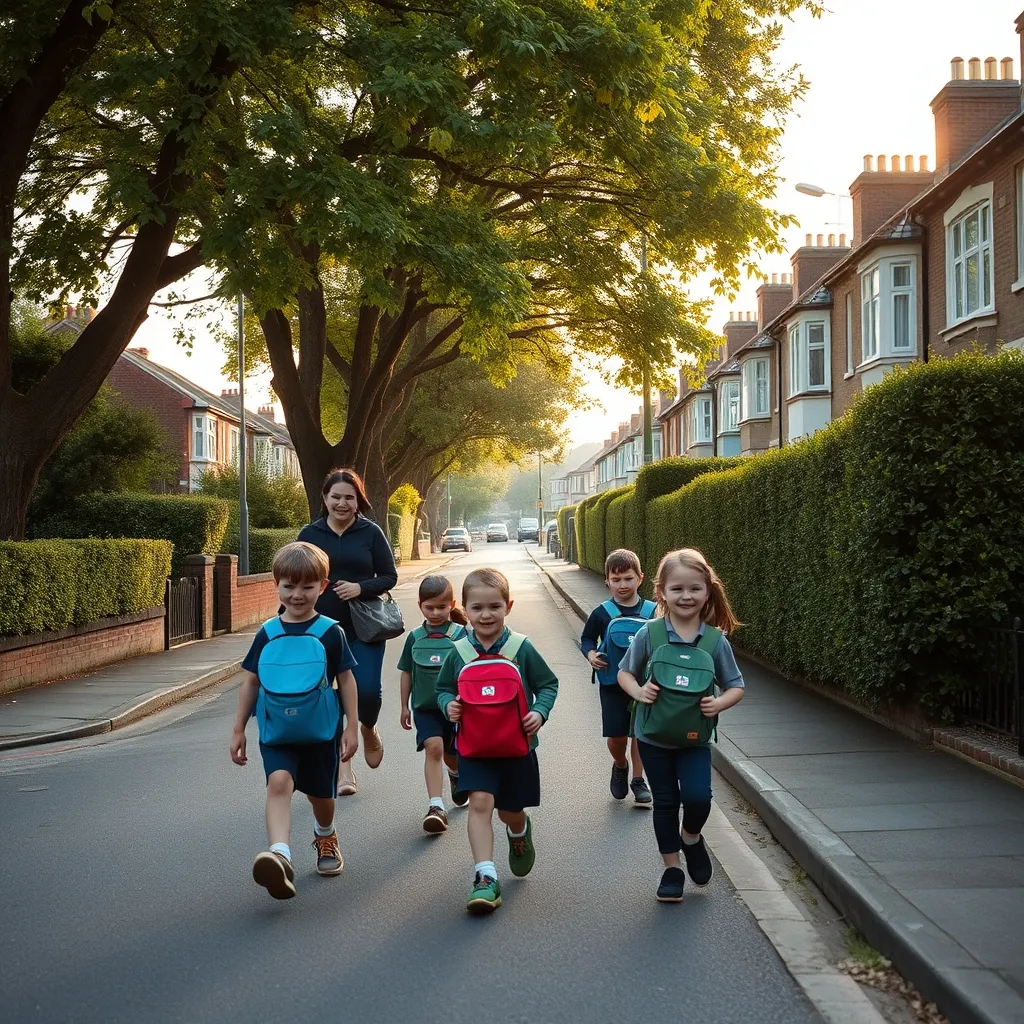
- Children aged 5 to 18 need at least 60 minutes of moderate-to-vigorous physical activity every day, and active travel to school can contribute up to a third of that target
- Research shows that children who walk or cycle to school have a lower BMI and healthier body composition than those who travel by car
- Only 47% of primary school children in England walk to school, down from 70% in the 1970s
- Active commuting to school is linked to improved concentration, mood and academic performance throughout the morning
- Starting with a Park and Stride approach (parking 10 minutes away and walking the rest) is the easiest way to begin
- Children who regularly walk or cycle to school develop better road safety awareness and greater independence as they grow
In This Article
- Why Active Travel to School Matters
- Physical Health Benefits for Children
- Mental Health and Wellbeing Benefits
- Environmental and Social Benefits
- Walking vs Cycling: What Suits Each Age Group
- How to Start Walking or Cycling to School
- Overcoming Common Barriers
- Road Safety and Practical Tips
- The Role Schools Can Play
As a paediatric nutritionist, I spend much of my time talking to families about food. But when it comes to maintaining a healthy weight, what happens before a child sits down at their desk matters just as much as what goes into their lunchbox. Walking and cycling to school is one of the simplest, most effective habits families can build, and the evidence behind it is remarkably strong.
Over the past few decades, the school run has shifted dramatically. More children are driven door to door, and the consequences are showing up in our national health data. In this article, I want to walk you through the research, the real-world benefits, and the practical steps you can take to get your family moving, regardless of how far you live from the school gates.
Why Active Travel to School Matters
In the 1970s, roughly 70% of children in England walked to school. Today, that figure sits at around 47% for primary-aged children and is even lower for secondary pupils. Meanwhile, childhood obesity rates have climbed sharply. According to the NHS National Child Measurement Programme, nearly one in three children leaving primary school in England are overweight or living with obesity.
I am not suggesting that the decline in walking and cycling is the sole cause of rising childhood weight. The picture is far more complex, involving factors such as poverty and deprivation, dietary changes, and increased screen time. However, the loss of daily active travel has removed a built-in source of physical activity from millions of children’s routines, and replacing it is harder than most parents realise.
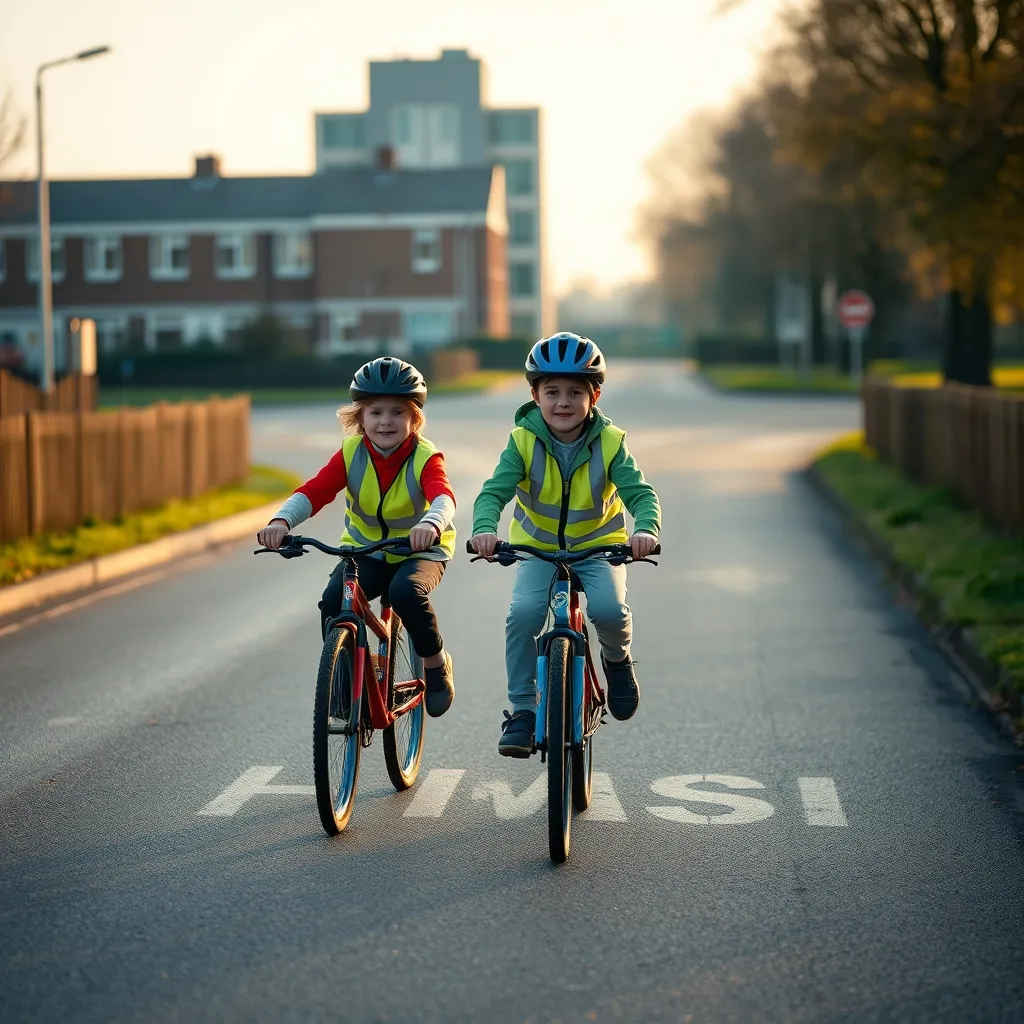
The UK Chief Medical Officers recommend that children and young people aged 5 to 18 accumulate at least 60 minutes of moderate-to-vigorous physical activity every day. A brisk 15-minute walk to school and back provides 30 minutes of that target without any organised sport, gym membership, or special equipment. Cycling achieves the same in less time and at a higher intensity.
Physical Health Benefits for Children
The physical benefits of walking and cycling to school are well documented. A landmark study supported by the National Institute for Health Research (NIHR) found that children who switched from being driven to walking or cycling to school had a measurably healthier body weight compared to those who continued travelling by car.
Weight management and body composition
Regular active commuting helps children burn calories consistently across the week. Unlike weekend sport, which can be sporadic, the school run happens ten times a week during term time. That regularity makes it one of the most reliable contributors to energy balance. In my clinical experience, children who walk or cycle to school tend to have a more stable weight trajectory throughout the year, including over the summer holidays when they often keep the habit going.
If you are concerned about your child’s weight, I have written a separate guide on how to talk to your child about weight without causing harm, which pairs well with encouraging more active travel.
Cardiovascular fitness
Walking at a brisk pace raises a child’s heart rate into the moderate-intensity zone. Cycling pushes it further, often into the vigorous zone, particularly on hills. Studies consistently show that children who actively commute have better cardiovascular fitness, lower resting heart rates, and improved blood pressure profiles compared to their car-travelling peers.
Bone and muscle strength
Walking is a weight-bearing activity, which means it stimulates bone growth and density during a critical developmental window. The impact of each step sends signals to growing bones that encourage them to become stronger. Cycling, while not weight-bearing, develops leg muscle strength, balance, and coordination. Both activities support healthy musculoskeletal development in ways that sedentary travel simply cannot.
Reduced risk of chronic disease
The connection between physical inactivity in childhood and later health problems is increasingly clear. There is strong evidence linking childhood obesity with an increased risk of type 2 diabetes. Building daily activity into a child’s routine from an early age helps establish metabolic health patterns that can last well into adulthood.
Mental Health and Wellbeing Benefits
What surprises many parents is just how powerful the mental health benefits of active school travel can be. I see this regularly in my practice: children who start walking or cycling to school often show improvements that go well beyond the physical.
Improved concentration and learning
Arriving at school after a walk or cycle ride means arriving with a brain that is already primed for learning. Physical activity increases blood flow to the brain and triggers the release of neurotransmitters such as dopamine and serotonin, both of which play key roles in attention and mood regulation. Danish research involving over 20,000 children found that those who cycled or walked to school performed measurably better on concentration tasks than those who were driven, even after controlling for other factors like socioeconomic background.
I often discuss the link between children’s mental health and nutrition with families. Active travel adds another positive layer to that picture, combining physical movement with time outdoors and a sense of routine.
Stress reduction and emotional regulation
The school run by car can be stressful for everyone: traffic jams, running late, rushed drop-offs. Walking or cycling, by contrast, provides a transitional buffer between home and school. Children have time to process their thoughts, chat with a parent or friend, and arrive feeling calmer and more prepared for the day. This gentle transition can be especially helpful for children who experience anxiety around school.
Self-esteem and independence
As children grow older, walking or cycling to school builds confidence and self-reliance. Successfully navigating a familiar route gives children a genuine sense of accomplishment and autonomy. This is closely linked to healthy body image and self-esteem, as children learn to appreciate what their bodies can do rather than focusing on how they look.
Environmental and Social Benefits
The benefits extend beyond your child’s individual health. Active travel to school has meaningful effects on the community and the environment.
Reduced traffic and air pollution
Cars idling near school gates contribute significantly to localised air pollution. Public Health England has highlighted that air quality around schools during drop-off and pick-up times can be markedly worse than at other times of day. Fewer cars on the school run means cleaner air for everyone, including the very children being dropped off.
Stronger community connections
Walking to school creates opportunities for children and parents to interact with neighbours, other families, and local shopkeepers. These small, regular social interactions build a sense of belonging and community cohesion. Children who walk together often form stronger friendships, and parents find it easier to build support networks.
Lower household costs
Fuel, parking, and vehicle wear-and-tear all add up. For families already feeling the pressure of rising living costs, walking or cycling to school can provide a modest but welcome financial saving over the course of a school year.
Walking vs Cycling: What Suits Each Age Group
Not every mode of active travel is appropriate for every age. Here is how I generally advise families to think about it.
| Age Group | Recommended Active Travel | Key Considerations |
|---|---|---|
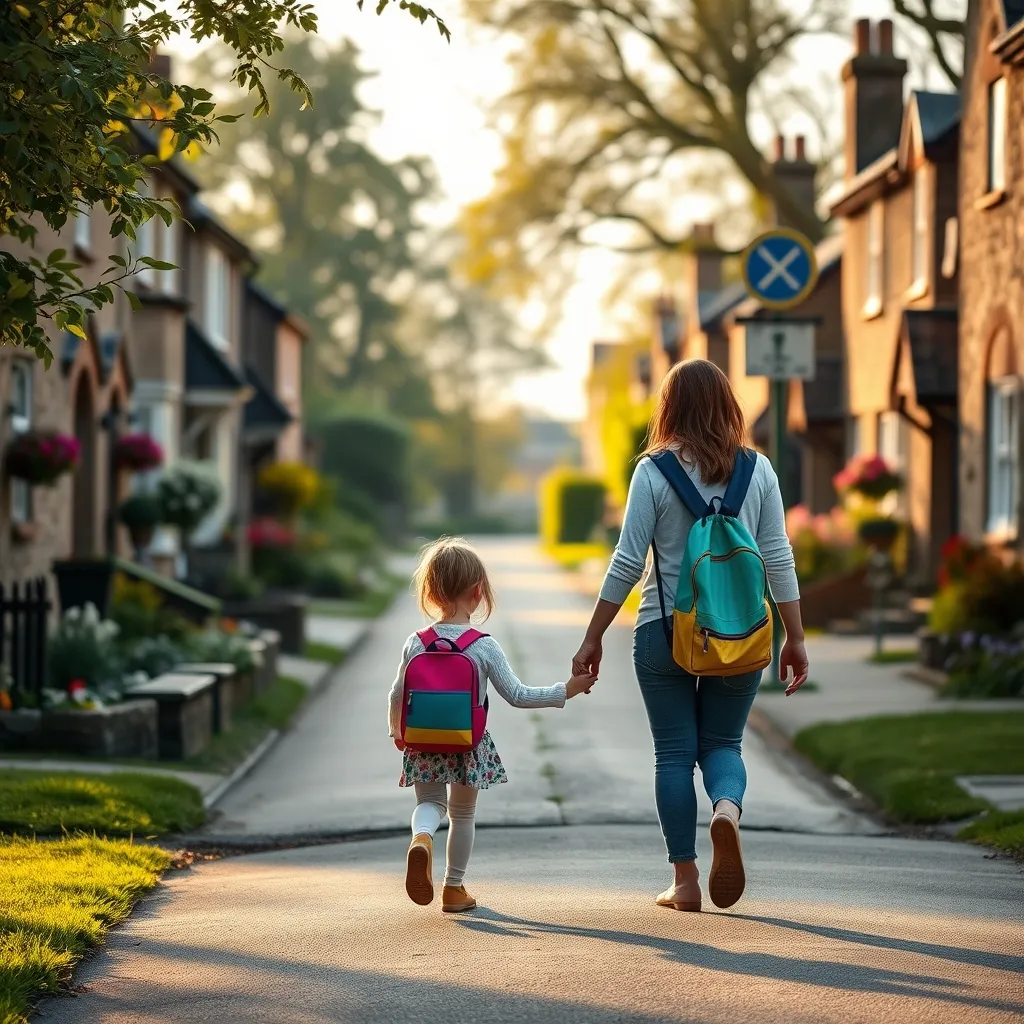
| 4 to 6 years | Walking with an adult; scooting | Short distances (under 1 mile). Always accompanied. Focus on road safety basics. |
| 7 to 9 years | Walking; cycling with an adult | Up to 1.5 miles. Can begin Bikeability Level 1 training. Accompanied at all times on roads. |
| 10 to 11 years | Walking alone (familiar routes); cycling with or without an adult | Bikeability Level 2 recommended before cycling on roads. Walking groups with peers are ideal. |
| 12 to 16 years | Walking or cycling independently | Bikeability Level 3 for complex road environments. Encourage independence while maintaining communication. |
It is worth noting that structured exercise options like gyms have age restrictions in the UK, making active travel an especially valuable form of daily movement for younger children who have limited alternatives.
How to Start Walking or Cycling to School
Getting started does not need to be all or nothing. In fact, the most successful families I work with tend to take a gradual approach.
Step 1: Walk the route at the weekend
Choose a relaxed weekend morning to walk or cycle the route together without the pressure of the school bell. This lets you identify any tricky crossings, steep sections, or areas where visibility is poor. It also gives your child a chance to familiarise themselves with landmarks and feel confident about the journey.
Step 2: Try Park and Stride
If you live too far to walk the entire way, drive part of the distance and park 10 to 15 minutes’ walk from school. This is often the easiest entry point for busy families and still provides meaningful physical activity. Many schools actively promote Park and Stride schemes and can suggest suitable parking locations.
Step 3: Start with one or two days a week
Committing to walking or cycling every day from day one can feel overwhelming, especially when the weather is unpredictable. Start with two days a week, perhaps choosing the days with the lightest schedules or best weather forecasts. Build from there as the habit takes hold.
Step 4: Build a walking bus or cycling train
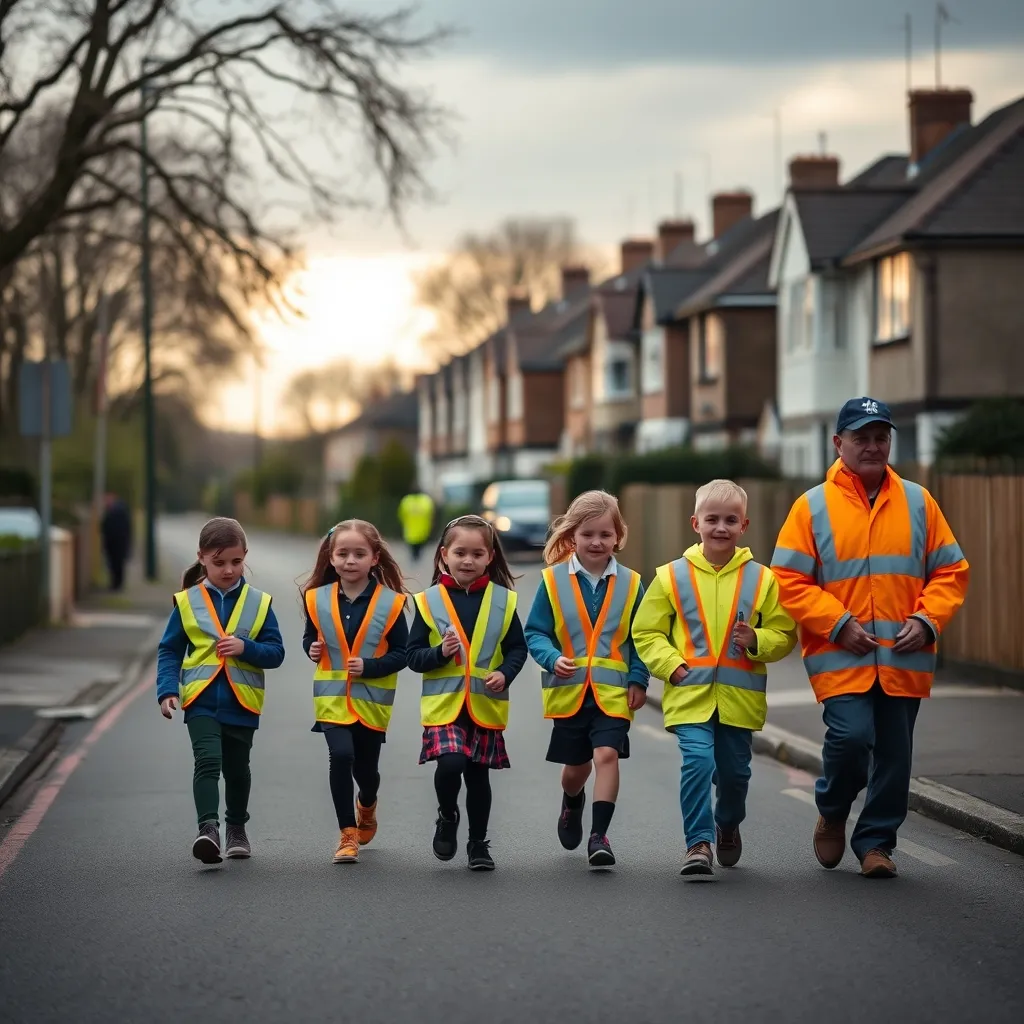
A walking bus is a group of children walking to school together along a set route, supervised by parent volunteers who take turns leading. A cycling train works the same way on bikes. These are brilliant for sharing the responsibility among parents, and children love the social aspect. Ask your school if one already exists or whether there is interest in starting one.
Step 5: Make it enjoyable
The walk or ride should be something your child looks forward to. Play observation games (“spot something beginning with S”), count birds, or simply use the time to chat about the day ahead. Pairing the journey with a good breakfast and a nutritious packed lunch sets the whole day up well.
Overcoming Common Barriers
I hear the same concerns from parents regularly, and most of them have practical solutions.
“We live too far away”
Park and Stride is the answer here. Even if you live five miles from school, parking a short walk away means your child still benefits from active travel at both ends of the day. If your child takes a bus, they can get off a stop early and walk the last section.
“The roads aren’t safe”
This is a valid concern, and one that deserves a measured response. For walking, choosing quieter residential streets rather than main roads can make a significant difference. For cycling, the government-funded Bikeability programme provides free cycle training for children in most areas of England, teaching them how to ride safely on real roads. Over 3 million children have completed Bikeability training since it began.
“We don’t have time in the morning”
This often comes down to adjusting the routine slightly. Walking to school typically takes only 15 to 20 minutes for distances under a mile. Setting the alarm 10 minutes earlier, or preparing bags and clothes the night before, usually makes the difference. Many families find that once the routine is established, mornings actually feel less rushed because they are no longer sitting in traffic.
“The weather is terrible”
I always say there is no bad weather, only inadequate clothing. A good waterproof jacket, sturdy shoes, and a rucksack cover handle most British weather. On genuinely extreme days, driving is absolutely fine. The goal is most days, not every day.
“My child doesn’t want to”
Resistance is common initially, particularly if your child is used to the comfort of a warm car. Involving them in route planning, letting them choose whether to walk or scoot, and inviting a friend to join can all help. Many children who start reluctantly end up genuinely preferring the walk once the habit is established.
Road Safety and Practical Tips
Safety must underpin everything. Here are the practical measures I recommend to every family.
For walking
- Teach the Green Cross Code from an early age: stop, look, listen, think
- Always use designated crossings where available (zebra, pelican, puffin crossings)
- Wear bright or reflective clothing during darker months
- Walk on the pavement, and where there is none, walk facing oncoming traffic
- Avoid headphones or devices that reduce awareness of surroundings
For cycling
- A properly fitted helmet is essential; replace it after any impact
- Complete Bikeability training before cycling on roads
- Ensure the bike has working brakes, lights (front and rear), and reflectors
- Wear high-visibility clothing, especially in winter
- Lock the bike securely at school using a D-lock
Hydration and energy
Children who walk or cycle to school are more physically active, so they need adequate hydration throughout the day. Make sure your child has a filled water bottle in their bag. A balanced breakfast providing enough energy is also important to fuel the journey, particularly on cycling days when energy expenditure is higher.
The Role Schools Can Play
Schools have enormous influence over travel habits. The most effective approaches I have seen combine several strategies.
School travel plans
Many local authorities require or encourage schools to develop a School Travel Plan. These documents set out how the school will promote sustainable travel, reduce car use, and improve road safety around the school gates. If your school does not have one, it is worth raising at a governors’ meeting or through the parent-teacher association.
Incentive programmes
Schemes like WOW (Walk Once a Week), run by Living Streets, reward children with badges for walking to school regularly. These programmes are proven to increase walking rates by an average of 23% in participating schools. Bike to School Week, held annually, similarly motivates families to try cycling.
Infrastructure improvements
Secure bike storage, scooter racks, and clear pedestrian access all make a practical difference. Schools that invest in these facilities send a clear message that active travel is valued and supported. Some schools have also introduced “school streets” schemes, where roads outside the school are closed to through traffic during drop-off and pick-up times.
Curriculum integration
Teaching road safety, navigation skills, and the environmental benefits of active travel within the curriculum helps children understand why walking and cycling matter. This is not just a health issue; it connects to geography, citizenship, science, and personal development.
The UK government’s childhood obesity plan recognises the importance of active travel as part of a broader strategy to support children’s health. Schools are a central part of delivering that vision.
Key Points
- Start with Park and Stride if walking the full distance is not practical: park 10 to 15 minutes away and walk the rest
- Begin with two days a week and gradually increase as the habit develops
- Ensure your child completes Bikeability training before cycling on roads
- Make mornings easier by preparing bags, clothes, and breakfast the night before
- Ask your school about walking bus schemes or WOW incentive programmes to build community support
Frequently Asked Questions
What are the main health benefits of walking and cycling to school?
Walking and cycling to school provide daily physical activity that supports healthy weight management, cardiovascular fitness, and bone strength. Children who actively commute also show improved concentration, better mood regulation, and reduced anxiety. A 15-minute walk each way contributes 30 minutes towards the recommended 60 minutes of daily activity.
There is no specific legal age at which a child can cycle to school alone in the UK. However, most road safety experts recommend that children complete Bikeability Level 2 training before cycling on roads, which is typically offered in Year 5 or 6 (ages 9 to 11). The decision depends on the child’s maturity, the route’s complexity, and the parent’s judgement.At what age can a child cycle to school alone?
Bikeability teaches children practical road cycling skills in real traffic environments. Children learn to observe traffic, signal their intentions, position themselves safely on the road, and handle junctions. The programme builds confidence and competence, making cycling to school significantly safer. It is funded by the government and free for most primary school children in England.How can children benefit from cycle training like Bikeability?
A walking bus is an organised group of children who walk to school together along a planned route, led and supervised by parent volunteers. It operates like a bus service with set “stops” and times. Parents take turns being the “driver” at the front and the “conductor” at the back. Walking buses reduce the burden on individual families while providing a safe, social, and active way for children to travel to school.What is a walking bus and how does it work?
Walking to school is safe for young children when they are accompanied by an adult and the route uses pavements and designated crossings. Teaching the Green Cross Code, choosing quieter streets where possible, and using high-visibility clothing in darker months all improve safety. Walking buses provide additional security through group supervision. As children grow older and demonstrate good road awareness, they can gradually be given more independence.Is walking to school safe for young children?
A balanced breakfast providing slow-release energy is ideal before an active commute. Good options include porridge with fruit, wholemeal toast with peanut butter, or eggs with wholegrain bread. Avoid sugary cereals that cause energy spikes and crashes. On cycling days especially, ensure your child has eaten enough to fuel the ride, and always send them with a water bottle for the journey.What should my child eat before walking or cycling to school?