
Key Takeaways
- Teenagers need between 2,000 and 2,800 calories per day depending on age, sex and activity level, and their packed lunch should provide roughly a third of that
- Only 15% of UK secondary school pupils meet the recommended five-a-day fruit and vegetable target, making lunch a critical opportunity to boost intake
- Including at least 20 g of protein in a teenage lunch box helps sustain concentration and energy through afternoon lessons
- Fussy teenage eaters are more likely to eat food they have helped choose or prepare themselves, according to behaviour-change research
- A well-planned packed lunch can be assembled in under 10 minutes using a simple weekly rotation and batch-prep strategy
- Swapping ultra-processed snacks for whole-food alternatives can reduce a teenager’s daily free sugar intake by up to 30%
In This Article
- Why Teenagers Need a Different Approach to Packed Lunches
- Understanding What Fussy Teenage Eaters Actually Want
- Building a Balanced Teenage Lunch Box: The Nutritional Framework
- 10 Teenage Packed Lunch Ideas That Even Fussy Eaters Will Love
- Hot Lunch Box Options for Secondary School Students
- Snacks and Sides That Round Out a Teenage Lunch
- Meal Prep Strategies to Save Time on School Mornings
- Getting Your Teenager Involved in Lunch Planning
If you have a teenager at home who turns their nose up at anything remotely “healthy,” you are absolutely not alone. In my fifteen years of working with families across Bristol and the wider NHS, I have seen the packed lunch battle play out in thousands of households. The child who happily ate hummus wraps at age seven now refuses anything that is not a supermarket meal deal. The sporty fourteen-year-old who needs fuel but will only consider cheese toasties. The self-conscious fifteen-year-old who skips lunch entirely because they do not want to look different from their mates.
The good news? Preparing teenage packed lunch ideas that are genuinely nutritious and teenager-approved is entirely achievable. It takes a little understanding of adolescent psychology, some smart planning, and a willingness to meet your teen halfway. In this guide, I will walk you through exactly how to do it, drawing on both clinical evidence and the practical strategies that have worked for the families I support.
Why Teenagers Need a Different Approach to Packed Lunches
Adolescence is the second-fastest period of growth after infancy. Between the ages of 11 and 18, teenagers experience rapid changes in height, muscle mass, bone density and brain development. All of this demands significantly more energy and a broader range of nutrients than a primary school child requires.
According to the NHS Eatwell Guide, teenagers should be eating a varied diet that includes starchy carbohydrates, protein, dairy or dairy alternatives, and at least five portions of fruit and vegetables each day. Yet the reality in most secondary schools tells a different story. A packed lunch that worked when your child was in Year 3 simply will not cut it for a Year 10 student who has a 50-minute lunch break, peer pressure to navigate, and possibly a training session after school.
The key differences I focus on when advising parents of teenagers include:
- Higher calorie needs: a teenage boy aged 15 to 18 may need around 2,800 kcal per day, while girls of the same age typically need around 2,200 kcal
- Greater protein requirements: essential for muscle growth, immune function and hormone production
- Iron demands: particularly important for teenage girls once menstruation begins
- Calcium needs: peaking during adolescence to support bone development
- Autonomy and social context: teenagers want food that looks appealing and does not single them out among peers
If you are looking for foundational advice on putting together balanced lunch boxes, my guide on simple healthy packed lunch ideas covers the basics brilliantly.
Understanding What Fussy Teenage Eaters Actually Want
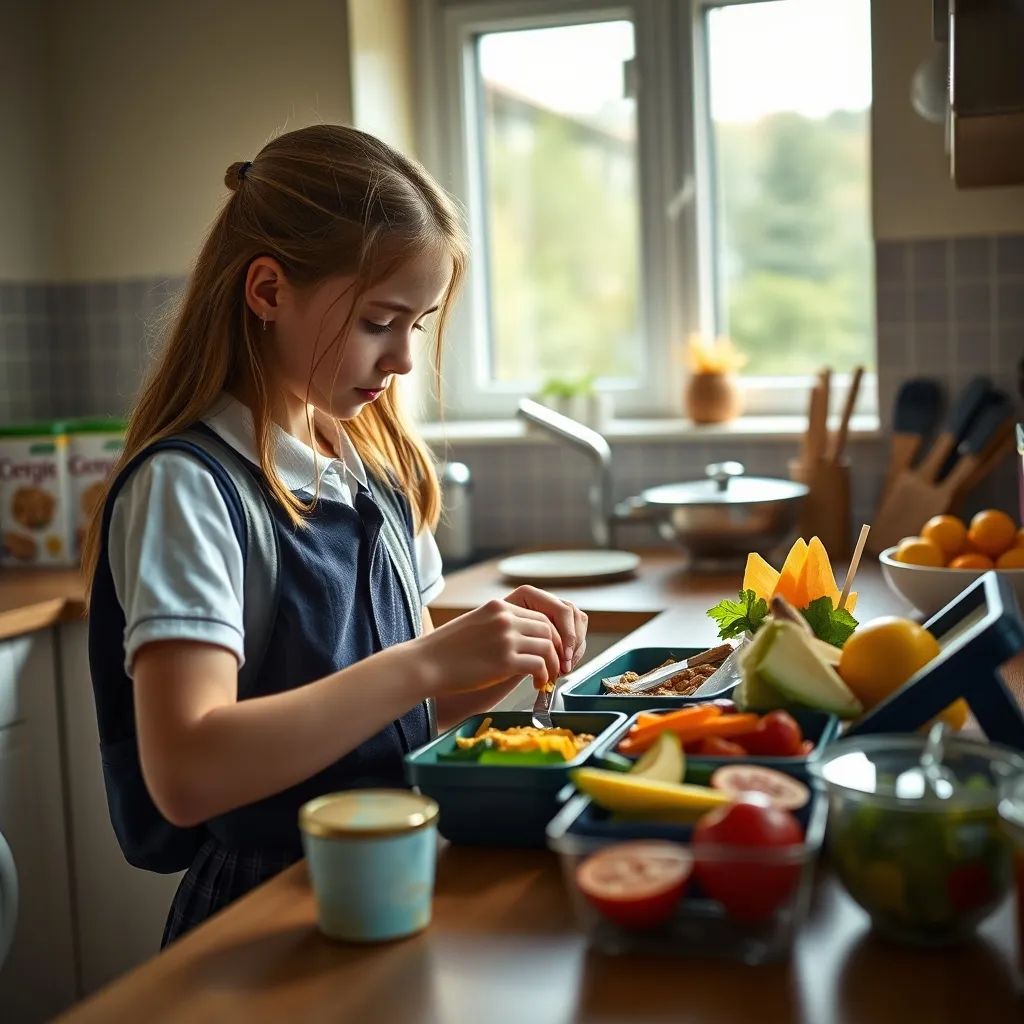
Before we dive into specific recipes and combinations, it is worth pausing to understand why teenagers can be so difficult to feed. In my clinical experience, teenage fussiness is rarely about the food itself. It is about identity, control and social belonging.
During adolescence, the brain’s prefrontal cortex is still developing, which means teenagers are more impulsive, more influenced by peers and more sensitive to perceived social judgement. A packed lunch that looks “babyish” or “weird” can feel genuinely threatening to a teenager’s social standing, even if we adults find that hard to understand.
Here is what I have found teenagers consistently prioritise when it comes to their lunch:
- Convenience: they want food they can eat quickly, ideally with one hand, without needing cutlery or a microwave
- Familiarity: most teenagers prefer variations on foods they already know rather than entirely new dishes
- Temperature flexibility: many teens prefer room-temperature food because they cannot always access a fridge or microwave
- Visual appeal: it needs to look like something they would choose themselves, not something their parent assembled
- Portion control: some teenagers, particularly girls, are sensitive about being seen to eat “too much” in front of peers
Understanding these priorities does not mean surrendering nutritional standards. It means working with your teenager’s preferences rather than against them. The most successful packed lunches I have seen are the ones where the teenager has had genuine input into the planning.
Building a Balanced Teenage Lunch Box: The Nutritional Framework
I use a simple framework with the families I work with that I call the “Four-Quarter” approach. It is not about literally dividing the lunch box into four sections, though bento-style boxes do make this easier. It is about ensuring four nutritional bases are covered in every packed lunch.
| Quarter | What It Provides | Examples | Approximate Amount |
|---|---|---|---|
| Starchy carbohydrates | Sustained energy, fibre | Wholemeal bread, wraps, pasta, rice, pitta, oatcakes | 2 slices bread or equivalent |
| Protein | Growth, repair, satiety | Chicken, tuna, eggs, cheese, beans, hummus, tofu | 20-30 g protein |
| Fruit and vegetables | Vitamins, minerals, fibre | Cherry tomatoes, pepper strips, grapes, apple slices, satsumas | 2 portions (aim for at least 1 veg + 1 fruit) |
| Healthy extras | Calcium, healthy fats, energy | Yoghurt, nuts, seeds, cheese portion, dark chocolate | 1-2 small portions |
This framework is flexible enough to accommodate virtually any dietary preference or restriction. Whether your teenager is vegetarian, dairy-free or simply very particular about textures, the four quarters can be adapted. For plant-based options specifically, have a look at my article on veggie packed lunch ideas which has plenty of inspiration.
The Scientific Advisory Committee on Nutrition (SACN) dietary reference values recommend that lunch provides roughly 30-35% of total daily energy intake. For a teenage girl, that translates to approximately 660-770 kcal at lunch; for a teenage boy, approximately 840-980 kcal. These are not rigid targets, but they give you a useful ballpark when you are assembling the lunch box.
10 Teenage Packed Lunch Ideas That Even Fussy Eaters Will Love
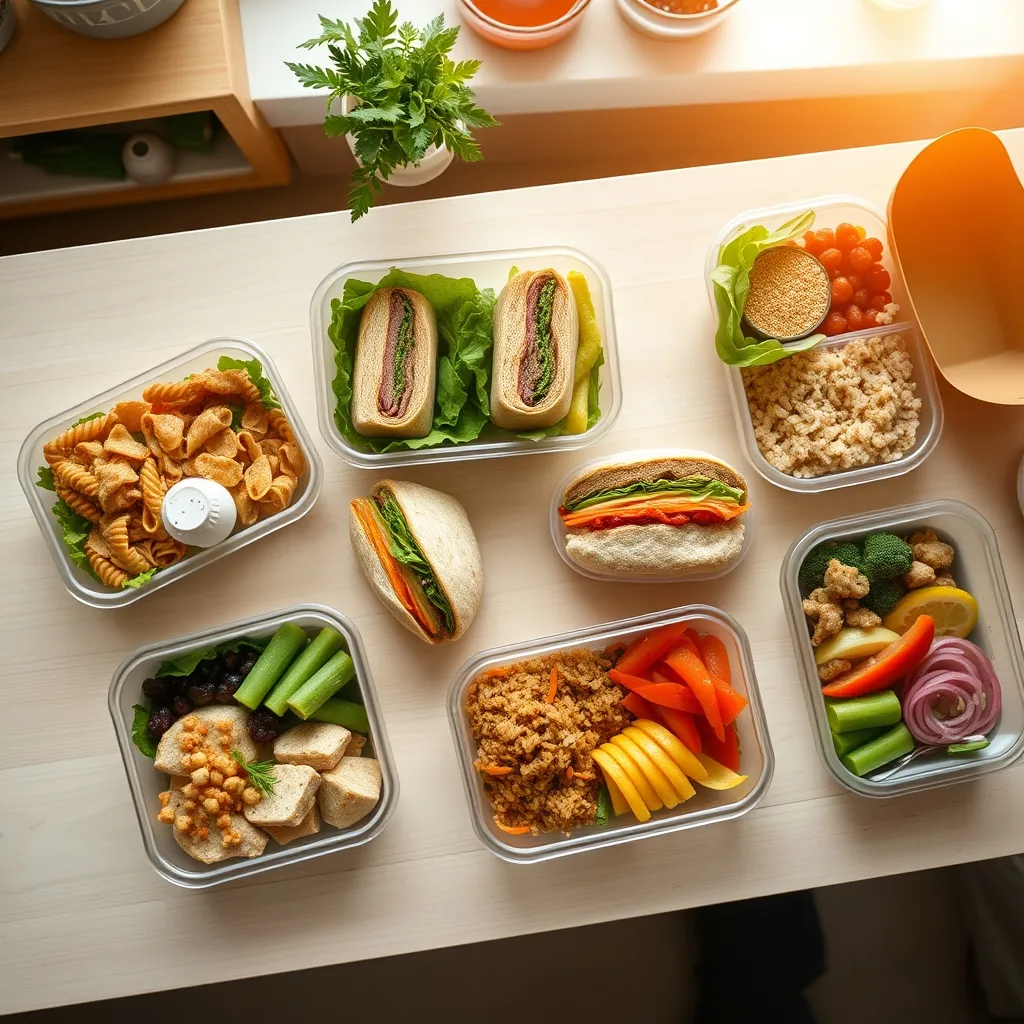
These are my tried-and-tested teenage packed lunch ideas that have consistently gone down well with even the fussiest adolescents in my practice. Each one follows the Four-Quarter framework and can be prepared in under 10 minutes.
1. The Build-Your-Own Wrap Box
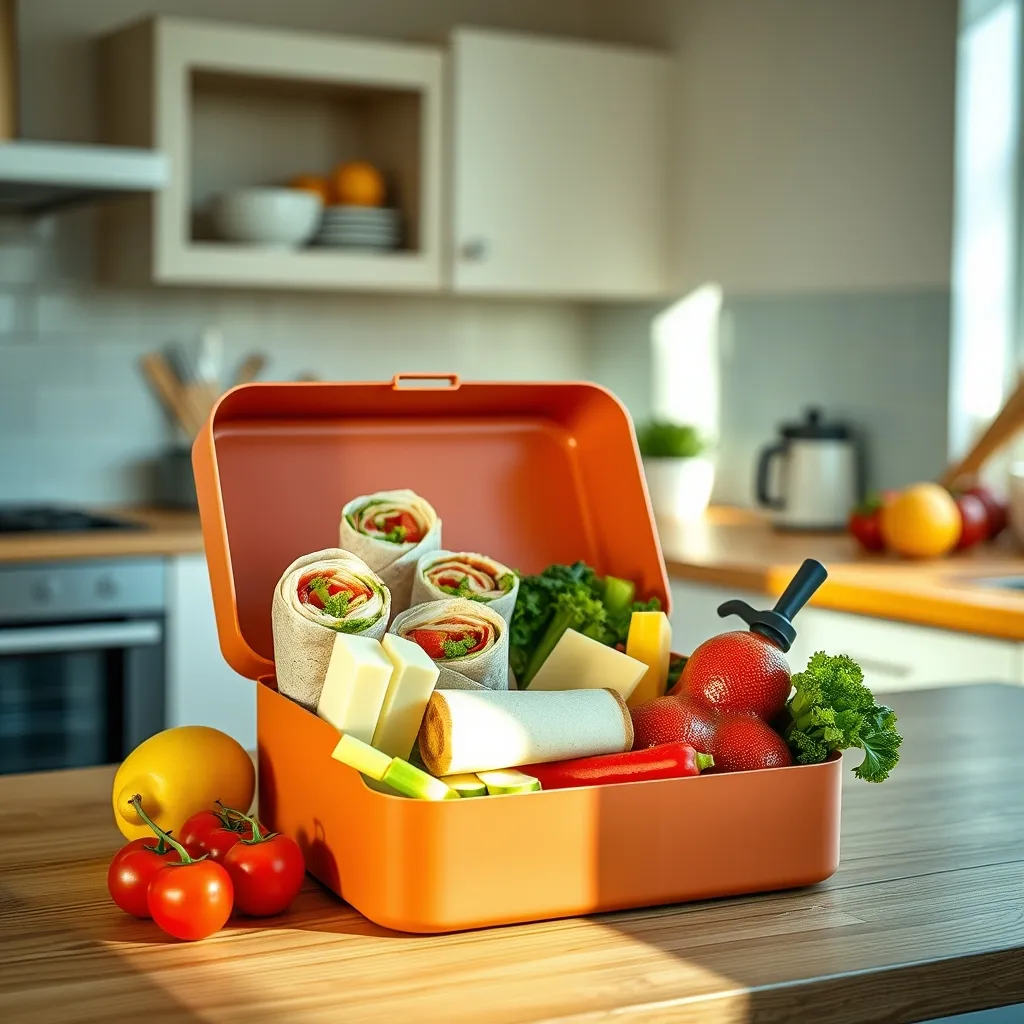
Pack a large flour tortilla, sliced chicken or turkey, grated cheese, shredded lettuce and a small pot of mayonnaise or salsa separately. Your teenager assembles it themselves at lunch. This gives them a sense of control and customisation, which fussy eaters particularly value.
2. Pasta Salad with Hidden Goodness
Cook fusilli or penne the night before and toss with pesto, diced peppers, sweetcorn and cubed mozzarella. The pesto masks the vegetables for reluctant veg eaters, and the pasta holds well at room temperature. For more pasta-based inspiration, see my pasta packed lunch ideas guide.
3. The “Meal Deal” Upgrade
A homemade sandwich on thick-sliced wholemeal bread (tuna mayo, BLT, or ham and cheese), a piece of fruit, and a small bag of lightly salted popcorn or baked crisps. This looks familiar enough to pass the peer-approval test while being significantly more nutritious than the shop-bought version.
4. Pitta Pocket with Hummus and Crudités
Wholemeal pitta stuffed with hummus, cucumber ribbons and grated carrot. Add a boiled egg on the side for extra protein. This works particularly well for teenagers who prefer lighter lunches.
5. Cold Pizza Slices
Homemade pizza made at the weekend, sliced and packed cold. Use a wholemeal base, plenty of tomato sauce and toppings like peppers, mushrooms and chicken. Teenagers rarely turn down pizza, and homemade versions are far lower in saturated fat and salt than takeaway options.
6. The Snack Box (Grazing Style)
For teenagers who dislike “proper meals” at lunch, a grazing box can be a revelation. Include cubes of cheese, sliced ham or salami, oatcakes or breadsticks, cherry tomatoes, grapes, a small pot of nuts and a yoghurt. It feels informal and snack-like but covers all four nutritional quarters.
7. Japanese-Inspired Rice Bowl
Sticky rice, edamame beans, sliced cucumber, shredded carrot and teriyaki chicken strips. Pack soy sauce separately. This is popular with teenagers who enjoy more adventurous flavours and looks impressively different from the standard sandwich.
8. The Classic Club Sandwich
Three slices of bread layered with chicken, bacon, lettuce, tomato and mayo, cut into triangles and secured with cocktail sticks. It feels like a “proper” sandwich and provides excellent protein. Pair with a satsuma and a small flapjack.
9. Mexican Bean Wrap
A tortilla filled with refried beans, grated cheese, salsa and shredded lettuce. This is an outstanding option for vegetarian teenagers or anyone wanting to reduce their meat consumption. The beans provide both protein and fibre. You will find more meatless options in my vegetarian packed lunch ideas article.
10. Bagel with Cream Cheese and Smoked Salmon
A wholemeal bagel spread with cream cheese and topped with smoked salmon, a squeeze of lemon and a few capers if your teenager is feeling adventurous. Rich in omega-3 fatty acids and calcium, this is a nutritional powerhouse disguised as a simple sandwich.
For even more sandwich variations, my packed lunch sandwich ideas article has a comprehensive collection.
Hot Lunch Box Options for Secondary School Students
Investing in a good-quality insulated food flask opens up a whole new world of teenage packed lunch ideas, particularly during the colder months. A hot lunch can be a real comfort on a grey November day, and many teenagers find warm food more satisfying and filling.
Here are five hot lunch options that travel well in a thermos flask:
- Tomato and lentil soup with a crusty bread roll: high in iron and fibre, and most teenagers enjoy tomato-based soups
- Chicken noodle broth: comforting, protein-rich and easy to eat quickly
- Chilli con carne or vegetable chilli: pack rice separately in the lunch box and pour the chilli over it at lunch
- Macaroni cheese: a perennial favourite that can be made with reduced-fat cheese and wholemeal pasta for a healthier twist
- Leftover stir-fry with noodles: simply reheat and pour into the flask first thing in the morning
The key to hot lunches is pre-heating the flask with boiling water for five minutes before adding the food. This keeps the contents hot and safe until lunchtime. For more hot lunch inspiration, you might find my article on hot packed lunch ideas useful; many of the recipes can be adapted for teenagers.
Snacks and Sides That Round Out a Teenage Lunch
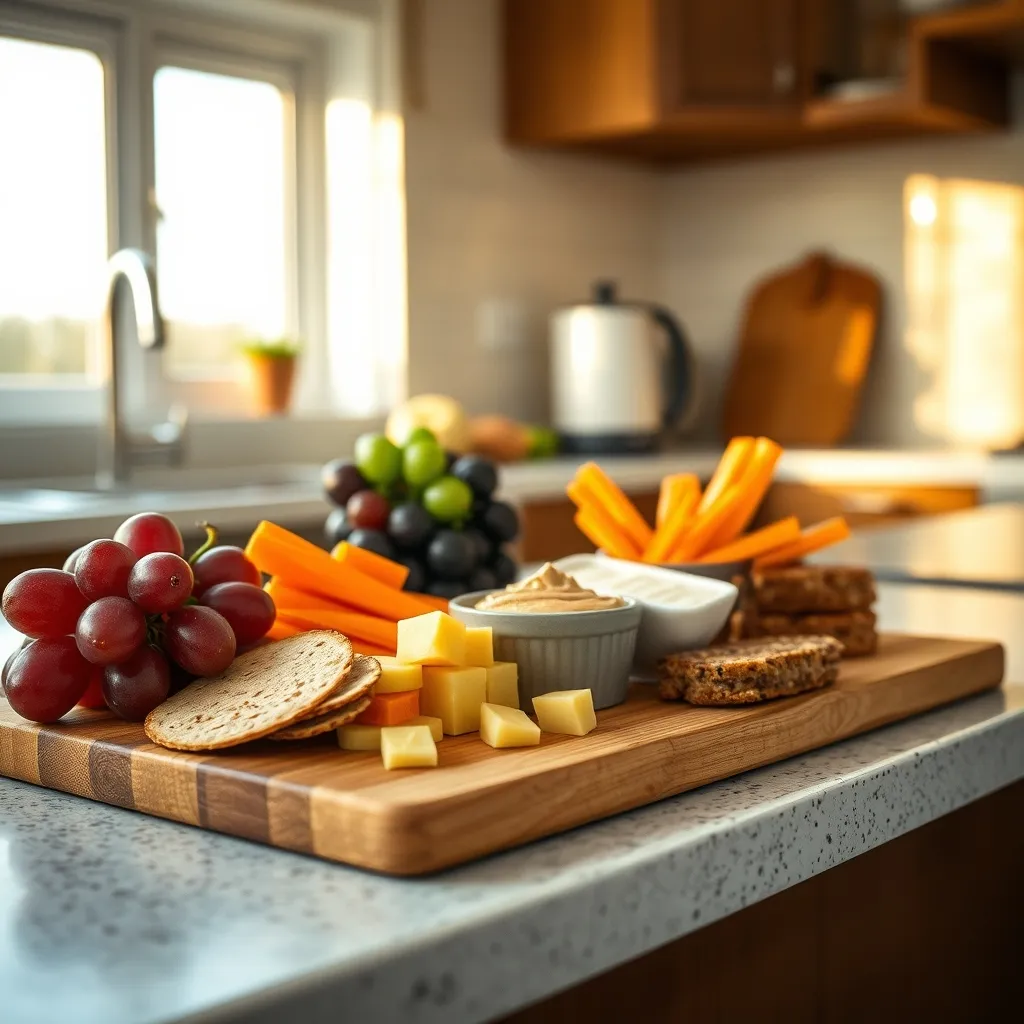
The snacks and sides you include alongside the main component of the lunch box can make or break its nutritional profile. Too many ultra-processed snacks and the sugar and salt content spirals; too many “worthy” options and the whole thing comes home uneaten.
I recommend a “one treat, two nourish” rule for the extras in a teenage lunch box. This means including one item that is purely for enjoyment, such as a small chocolate bar or a packet of crisps, alongside two items that contribute genuine nutrition.
Good “nourish” options include:
- Fresh fruit: satsumas, bananas and grapes are the most reliably popular with teenagers; berries in a small pot work well in summer
- Vegetable sticks with dip: carrot, cucumber and pepper sticks with hummus, guacamole or cream cheese
- Yoghurt: choose plain or low-sugar varieties; Greek yoghurt with a drizzle of honey is popular
- Nuts and seeds: a small bag of mixed nuts, pumpkin seeds or trail mix (check school nut policies first)
- Cheese portions: mini Babybels, cheese strings or cubed Cheddar
- Homemade flapjacks or energy balls: made with oats, dried fruit and a little honey, these are far better than shop-bought cereal bars
- Boiled eggs: an excellent source of protein that many teenagers enjoy, especially with a pinch of salt
Learning to read food labels properly can help you make smarter choices when selecting packaged snacks. Look for options with less than 5 g of sugar per 100 g and pay attention to the traffic light labelling on the front of packaging.
The NHS Healthier Families lunchbox guide recommends limiting sugary drinks and swapping them for water, semi-skimmed milk or sugar-free squash. This is one of the simplest changes you can make to improve a teenager’s overall lunch quality.
Meal Prep Strategies to Save Time on School Mornings
Even the best teenage packed lunch ideas will fall flat if they take too long to prepare on a busy weekday morning. The families I work with who are most consistent with packed lunches almost always use some form of batch preparation and weekly planning.
Here is the system I recommend:
Sunday Evening: The 30-Minute Prep Session
- Cook a batch of pasta, rice or grains that will last three to four days in the fridge
- Roast a tray of chicken thighs or bake a batch of falafels for protein throughout the week
- Wash and chop vegetable sticks and store them in water in sealed containers
- Make a large batch of hummus, pesto or another dip
- Bake a tray of homemade flapjacks or muffins for healthy snack options
Weekday Mornings: The 5-Minute Assembly
With prep done, assembling the lunch box becomes a simple matter of combining pre-prepared components. I suggest creating a written rotation of five lunch options (one for each day of the week) and sticking it on the fridge. This eliminates the daily decision fatigue that often leads to grabbing whatever is easiest.
If you are looking for broader family meal organisation advice, my family meal planning guide provides a comprehensive framework that covers packed lunches alongside evening meals and breakfasts.
Another excellent time-saving strategy is to cook double portions at dinner and set aside the extra for the next day’s lunch box. Leftover roast chicken becomes sandwich filling. Extra stir-fry goes into a thermos flask. Last night’s pasta bake is tomorrow’s cold pasta salad. This approach not only saves time but also reduces food waste, which is an added bonus for environmentally conscious teenagers.
Getting Your Teenager Involved in Lunch Planning
I cannot overstate how important this step is. In my professional experience, the single most effective strategy for improving a teenager’s packed lunch is to involve them in the process. This does not mean handing over all responsibility; it means creating a collaborative approach where they feel heard and respected.
Here are practical ways to involve your teenager:
- Give them a choice within boundaries: present three or four lunch options that you are happy with nutritionally, and let them pick. This respects their autonomy while maintaining your standards.
- Take them shopping: let them choose their own bread, wraps, fruits and snacks within an agreed budget. Teenagers who select their own ingredients are significantly more likely to eat them.
- Teach them to cook one or two simple recipes: even something as basic as making a wrap or assembling a salad gives them ownership. Many of the teenagers I work with take real pride in preparing their own lunch once they have been shown how.
- Discuss rather than dictate: explain why certain foods are important rather than simply banning others. Teenagers respond much better to reasoning than to rules, particularly when it comes to food.
- Respect their social context: if your teenager tells you that a particular food embarrasses them at school, take that seriously. There is almost always a nutritionally equivalent alternative that feels more socially acceptable to them.
Building these habits during adolescence has lasting benefits. Research consistently shows that young people who learn to prepare balanced meals during their teenage years are more likely to maintain healthy eating patterns well into adulthood. The packed lunch is not just about today’s nutrition; it is about building lifelong skills.
For a deeper dive into packed lunches specifically designed for the teenage palate, my articles on packed lunch ideas for teens and packed lunch ideas for teenagers offer additional recipes and strategies.
Key Points
- Use the Four-Quarter framework (carbs, protein, fruit/veg, healthy extras) to ensure every lunch box is nutritionally balanced
- Apply the “one treat, two nourish” rule for snacks to keep sugar and salt in check without making the lunch feel restrictive
- Batch-prep protein, grains and chopped vegetables on Sunday evening to reduce weekday morning assembly to under 5 minutes
- Involve your teenager in choosing and preparing their lunch; autonomy dramatically increases the chance they will actually eat it
- Invest in a good-quality insulated flask to unlock hot lunch options during colder months
Frequently Asked Questions
What can a 14-year-old make for lunch by themselves?
A 14-year-old can comfortably prepare wraps, sandwiches, pasta salads and grazing boxes with minimal supervision. Start by teaching them two or three simple combinations, such as a chicken and salad wrap or a tuna pasta salad. Once they are confident with these, gradually introduce more complex options. The key is ensuring they understand basic food hygiene, particularly around handwashing and keeping perishable items cool.
The best foods combine complex carbohydrates (wholemeal bread, pasta, rice), lean protein (chicken, eggs, beans, cheese), fruit and vegetables (at least two portions), and calcium-rich foods (yoghurt, cheese, fortified plant milk). Oily fish like salmon or mackerel is excellent once or twice a week for omega-3 fatty acids. Avoid relying too heavily on ultra-processed foods, which tend to be high in salt, sugar and saturated fat.What are the best foods for a teenager to include in their packed lunch?
As a general guide, a teenager’s packed lunch should provide roughly 30-35% of their daily energy needs. For girls aged 11-18, this is approximately 660-770 kcal; for boys of the same age, approximately 840-980 kcal. However, these figures vary depending on individual activity levels. A teenager who trains for a sport after school will need more than one who is largely sedentary. Focus on balance rather than precise calorie counting.How many calories should a teenager’s packed lunch contain?
The most effective strategy is involvement. Let your teenager choose from a shortlist of options you are happy with nutritionally, take them shopping for ingredients, and teach them to prepare one or two simple lunches themselves. Avoid criticising their preferences or forcing unfamiliar foods. Instead, introduce new items gradually alongside foods they already enjoy. Presentation matters too: a lunch that looks appealing and is easy to eat in a busy school environment is far more likely to be consumed.How do I get my fussy teenager to eat their packed lunch?
Yes, provided you follow basic food safety guidelines. Use an insulated lunch bag with a small ice pack to keep perishable items like dairy, meat and fish below 8°C. Prepare the lunch box the night before if needed and store it in the fridge overnight. Avoid leaving the lunch box in direct sunlight or near radiators at school. Foods like sandwiches, pasta salads and wraps are perfectly safe at room temperature for the duration of a school day, but items containing mayonnaise or cream should be kept cool.Are cold packed lunches safe for teenagers to eat at school?
Limit items high in free sugars, such as fizzy drinks, sweets, chocolate bars and sweetened cereal bars. Reduce highly processed meats like cheap sausage rolls and processed ham, which are often high in salt and saturated fat. Avoid sending foods that your teenager has told you they find embarrassing or unappealing, as these will simply come home uneaten. Finally, always check your school’s policy on nuts before including any nut-based products.What should I avoid putting in a teenager’s lunch box?