
Key Takeaways
- A well-planned veggie packed lunch can deliver all the protein, iron and calcium children and adults need without any meat
- The NHS Eatwell Guide recommends that fruit and vegetables make up over a third of everything we eat each day
- Only 18% of 5-to-15-year-olds in England currently meet the five-a-day target, making veggie lunch boxes a practical way to close the gap
- Batch-prepping 3 core veggie fillings on Sunday can cover an entire school or work week in under 45 minutes
- Combining a legume with a grain (such as hummus and pitta) provides a complete amino-acid profile comparable to animal protein
- Swapping processed deli meats for veggie alternatives reduces saturated fat intake by up to 60% per lunch, according to British Nutrition Foundation data
In This Article
- Why Veggie Packed Lunches Deserve a Daily Spot
- Essential Nutrients in Every Veggie Lunch Box
- Quick Veggie Packed Lunch Ideas for School
- Veggie Packed Lunch Ideas for Adults
- Batch-Prep Strategies for Busy Weekdays
- A Week of Veggie Lunch Box Menus
- Common Mistakes to Avoid with Veggie Packed Lunches
- How to Get Fussy Eaters on Board
Over the past five years in my Bristol clinic, I have watched a quiet revolution unfold in packed lunches. More and more parents arrive at appointments asking the same question: can my child really thrive on veggie packed lunch ideas alone? The short answer is yes, absolutely. But as with any dietary pattern, the detail matters. In this guide I am going to walk you through exactly how to build nutritionally complete, genuinely appealing veggie packed lunch ideas for children and adults alike, drawing on clinical evidence, practical meal-prep strategies and the recipes that have worked best for the families I support.
Why Veggie Packed Lunches Deserve a Daily Spot
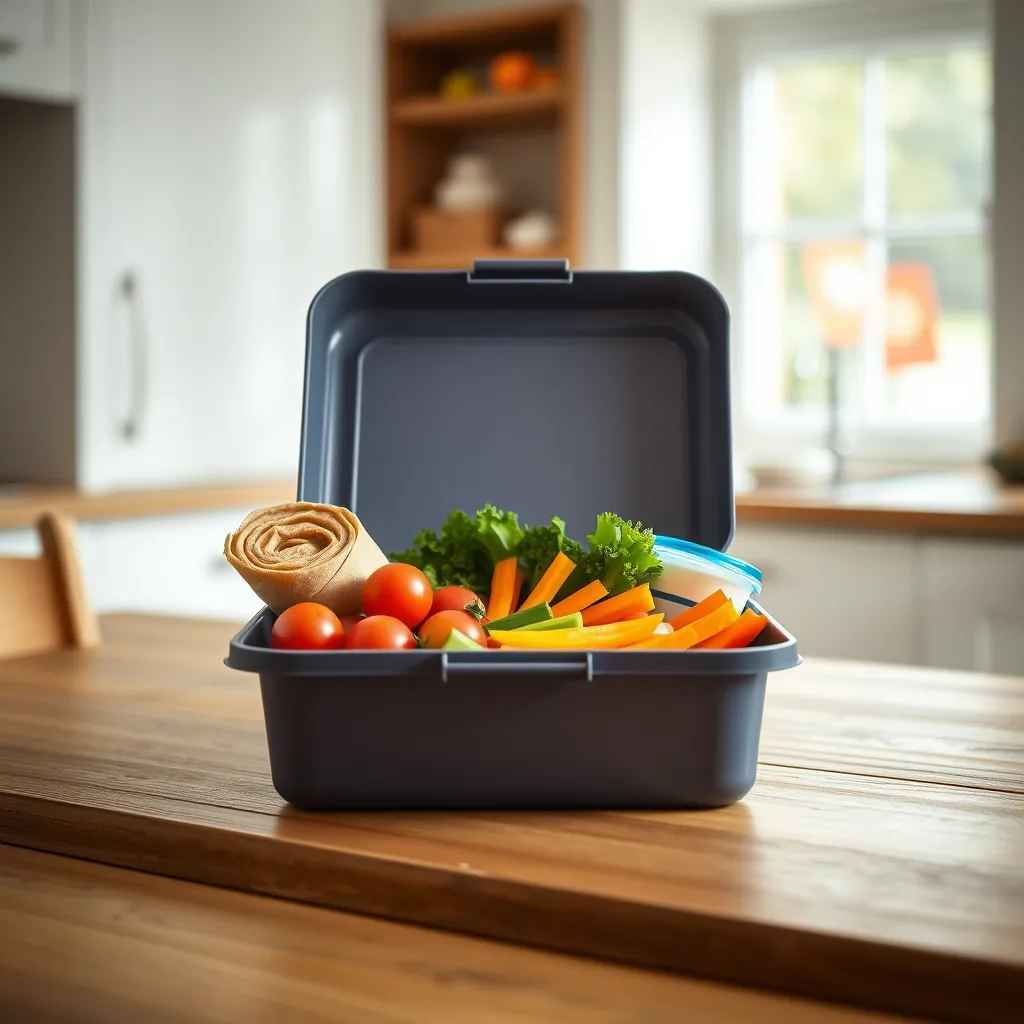
There is strong evidence that increasing plant-based meals benefits both individual health and the environment. The NHS Eatwell Guide recommends that fruit and vegetables should make up just over a third of the food we eat each day, with beans, pulses, fish, eggs and other proteins forming another important segment. A veggie packed lunch is one of the simplest ways to move closer to that target without overhauling your entire kitchen routine.
From a weight-management perspective, plant-based lunches tend to be higher in fibre and lower in saturated fat than their meat-heavy equivalents. A typical ham-and-cheese sandwich on white bread delivers around 14 g of fat, whereas a hummus, roasted pepper and spinach wrap on a wholemeal tortilla comes in at roughly 8 g, with nearly three times the fibre. Over a school term, those differences add up.
I also find that veggie packed lunches encourage variety. When you remove the default ham or chicken filler, you are forced to think creatively, and that creativity tends to introduce new vegetables, grains and flavours that children might never have tried otherwise. If you are looking for a broader starting point, my guide to healthy and easy packed lunch ideas covers the fundamentals of balanced lunch-box building.
Essential Nutrients in Every Veggie Lunch Box
The most common concern I hear from parents is whether a meat-free lunch provides enough protein and iron. Let me put that worry to rest with some numbers. A child aged 7 to 10 needs approximately 28 g of protein per day. A single veggie lunch containing 60 g of cooked red lentils (5 g protein), one boiled egg (6 g), a small pot of Greek yoghurt (10 g) and a wholemeal pitta (5 g) already supplies 26 g, nearly the entire daily requirement, before breakfast and dinner are even counted.
Iron is trickier because plant-based (non-haem) iron is less readily absorbed than the haem iron found in red meat. The solution is straightforward: pair iron-rich foods such as lentils, chickpeas, fortified cereals or dark leafy greens with a source of vitamin C (orange segments, cherry tomatoes, red pepper sticks) to boost absorption. According to the British Nutrition Foundation’s guidance on plant-based diets, this simple pairing can increase non-haem iron uptake by up to threefold.
Calcium is another nutrient to watch, especially if your child does not eat dairy. Fortified plant milks, calcium-set tofu, almonds and sesame seeds (think tahini in hummus) are all excellent sources. For a deeper understanding of how to spot these nutrients on packaging, have a look at our guide to reading food labels in the UK.
| Nutrient | Daily need (child 7-10) | Top veggie lunch-box sources | Portion to hit ~50% daily need |
|---|---|---|---|
| Protein | 28 g | Eggs, lentils, chickpeas, cheese, yoghurt | 1 egg + 60 g lentils + 30 g cheese |
| Iron | 8.7 mg | Fortified cereal, lentils, kidney beans, spinach | 80 g lentils + handful of spinach + vitamin C source |
| Calcium | 550 mg | Cheese, fortified plant milk, yoghurt, tahini | 30 g cheddar + 150 ml fortified milk + tbsp tahini |
| Fibre | 20 g | Wholemeal bread, oats, beans, fruit | 2 slices wholemeal bread + apple + 60 g beans |
| Omega-3 | ~250 mg (ALA) | Walnuts, chia seeds, flaxseed, rapeseed oil | 1 tbsp ground flaxseed or 6 walnut halves |
Quick Veggie Packed Lunch Ideas for School
Children need lunches that are easy to eat without cutlery chaos, survive a few hours in a bag, and actually get eaten rather than traded or binned. Here are ten veggie packed lunch ideas that tick all three boxes, tested and approved by families in my practice.
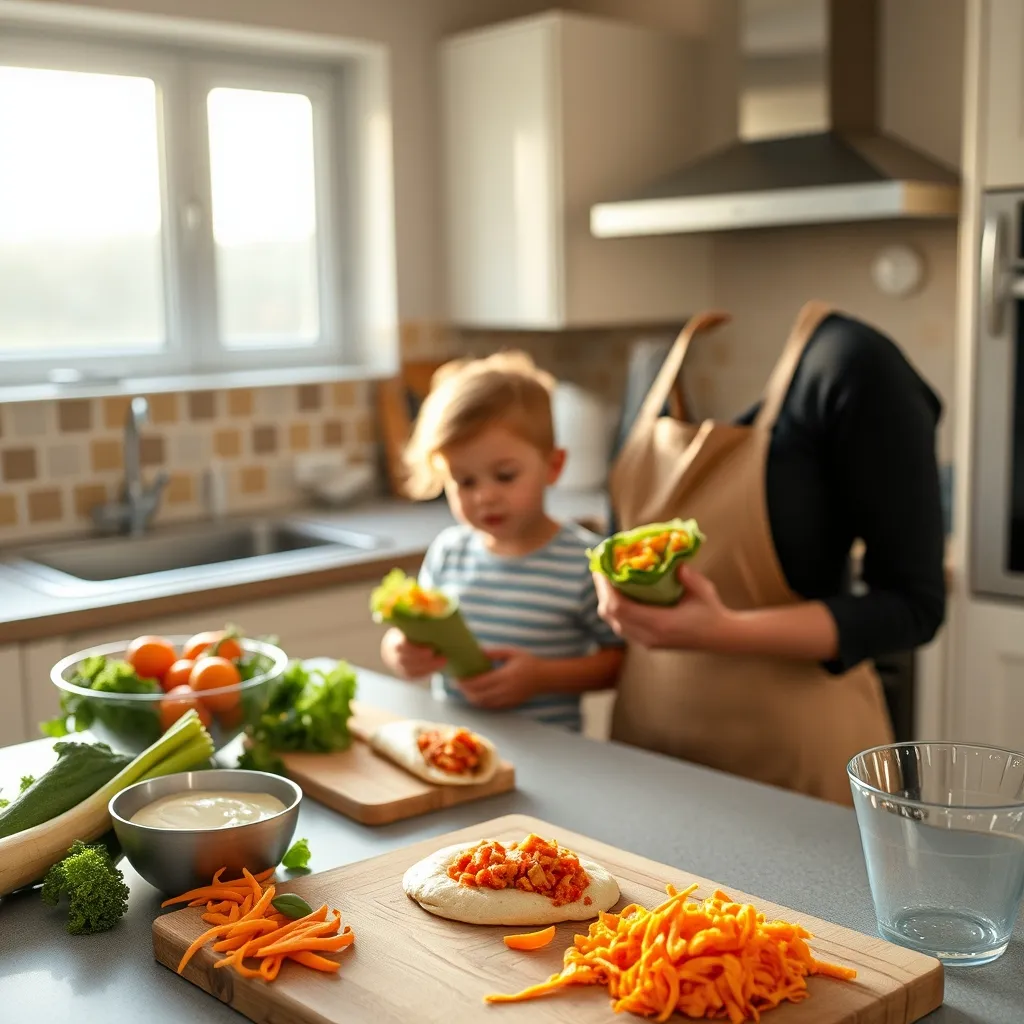
- Hummus and grated carrot wraps with cherry tomatoes and a small banana. Roll the wrap tightly and cut in half for easy handling.
- Mini vegetable frittata muffins made with sweetcorn, peas and cheddar. Bake a batch of twelve on Sunday and refrigerate; they keep well for four days.
- Peanut butter and banana pinwheels on wholemeal tortillas, served alongside cucumber sticks and a few dried apricots.
- Pasta salad with pesto, cherry tomatoes and mozzarella. Use wholemeal fusilli for extra fibre. Find more inspiration in our pasta packed lunch ideas article.
- Bean and cheese quesadilla triangles with mild salsa on the side. Kidney beans or black beans both work well.
- Egg mayo and cress sandwich on seeded bread with a satsuma and a small yoghurt pot.
- Cheese and pickle pitta pockets stuffed with lettuce and grated beetroot for colour.
- Falafel bites (shop-bought or homemade) with tzatziki dip, cucumber and a wholemeal roll.
- Rice cakes topped with cream cheese, cucumber and a sprinkle of seeds, packed alongside a handful of grapes.
- Sweet potato and lentil soup in a flask with a crusty bread roll. Perfect for autumn and winter terms.
Each of these ideas can be assembled in under ten minutes on a weekday morning, especially if you batch-prep key components at the weekend. For even simpler options that work for the whole family, take a look at our simple healthy packed lunch ideas.
Veggie Packed Lunch Ideas for Adults
Adults often tell me they fall into two traps: either they eat the same uninspiring salad every day, or they grab something processed from the nearest shop. Neither is ideal. A well-constructed veggie packed lunch should leave you satisfied until dinner without the mid-afternoon energy slump. The key is balancing complex carbohydrates, plant protein and healthy fats.
Here are some of my favourite grown-up veggie packed lunch ideas:
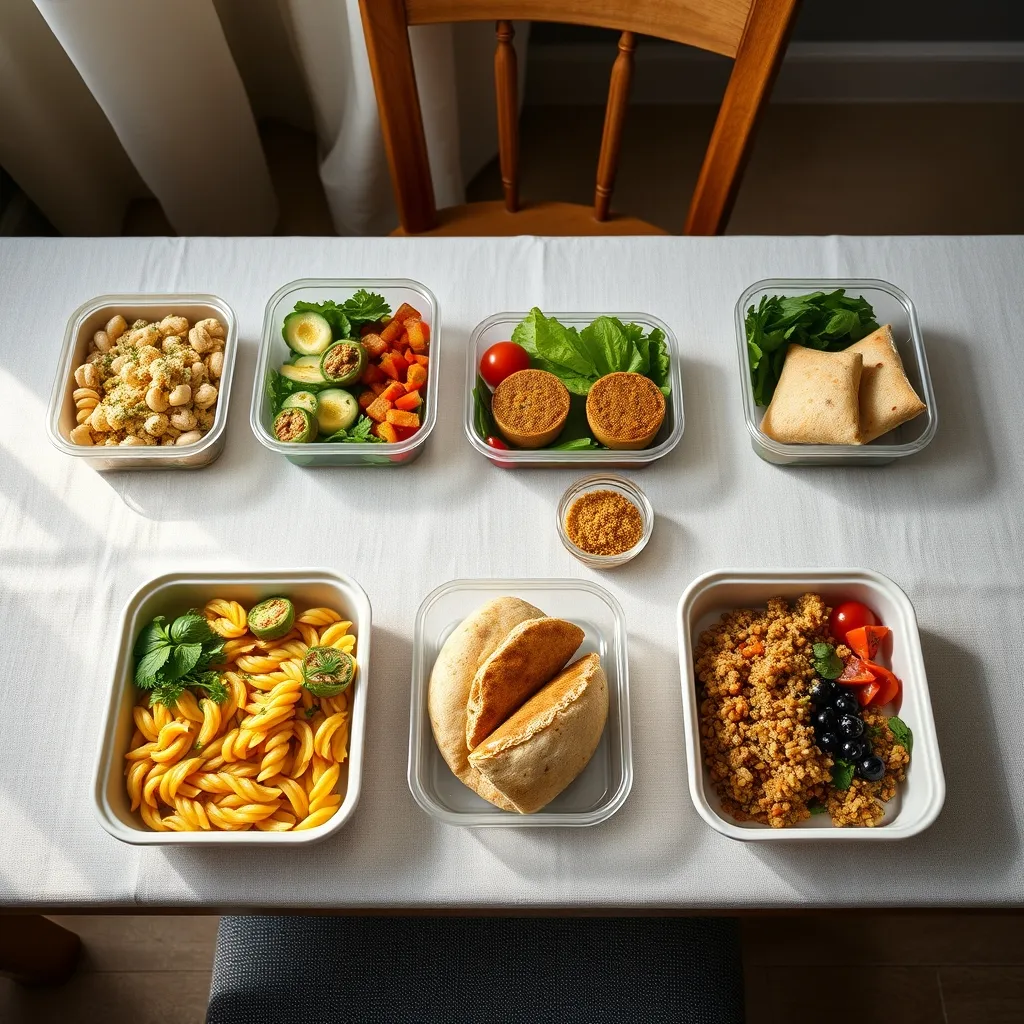
- Grain bowl: cooked quinoa or bulgur wheat, roasted courgette and aubergine, chickpeas dressed with lemon and olive oil, crumbled feta. Keeps well in a sealed container overnight.
- Japanese-inspired bento: edamame beans, avocado maki made with brown rice, pickled ginger, a small pot of miso soup in a flask and a few sesame crackers.
- Stuffed pitta with halloumi: grilled halloumi slices (grill a batch midweek), rocket, sun-dried tomatoes and a drizzle of balsamic glaze.
- Hearty minestrone: a large portion in a vacuum flask, packed alongside a chunk of focaccia and a piece of fruit.
- Mexican-style burrito bowl: black beans, brown rice, sweetcorn, avocado, salsa and a dollop of soured cream.
If you are also following a calorie-conscious plan, our article on easy packed lunch ideas for adults covers portion guidance in more detail. And if you prefer something entirely plant-based without any dairy or eggs, our dedicated vegan packed lunch ideas guide has you covered.
Batch-Prep Strategies for Busy Weekdays
The single biggest barrier to consistent veggie packed lunches is time. I completely understand: mornings are chaotic enough without building a bento box from scratch. That is why I recommend a Sunday batch-prep session lasting no more than 45 minutes. Here is the framework I share with families:
Step 1: Cook two grains. Put a pot of brown rice and a pot of quinoa or pasta on the hob at the same time. Once cooled, divide into five portions each and refrigerate. These form the base of lunch boxes all week.
Step 2: Prepare three fillings. I usually suggest one legume dish (a batch of lentil dal or spiced chickpeas), one egg-based option (a tray of frittata muffins or hard-boiled eggs) and one cheese or dairy component (cubed halloumi, grated cheddar or individual yoghurt pots). Legumes and frittatas keep well in the fridge for up to four days.
Step 3: Wash and chop vegetables. Carrot sticks, cucumber batons, cherry tomatoes, pepper strips and celery can all be prepped in advance and stored in airtight containers with a damp piece of kitchen paper to keep them crisp.
Step 4: Portion snacks. Divide nuts, seeds, dried fruit or crackers into small reusable bags or pots. This prevents over-packing and keeps portions sensible.
On weekday mornings, assembly becomes a five-minute job: pick a grain base, add a filling, throw in vegetables and a snack, and you are done. For families juggling multiple lunch boxes, our family meal planning guide offers a broader planning framework that integrates dinner prep with lunch-box assembly.
A Week of Veggie Lunch Box Menus
To show you how this works in practice, here is a sample five-day veggie lunch box plan suitable for a primary-school child. Each day provides roughly 400 to 500 kcal, which is appropriate for a child aged 7 to 10 at lunchtime.
| Day | Main | Side | Fruit/snack | Drink |
|---|---|---|---|---|
| Monday | Hummus and grated carrot wholemeal wrap | Cherry tomatoes, cucumber sticks | Banana, small oat flapjack | Water |
| Tuesday | Mini veggie frittata muffins (x2) | Pepper strips, breadsticks | Satsuma, handful of raisins | Water |
| Wednesday | Cheese and pickle pitta pocket with lettuce | Carrot sticks, sugar snap peas | Apple slices, yoghurt pot | Water |
| Thursday | Wholemeal pasta salad with pesto and mozzarella | Cherry tomatoes, sweetcorn | Grapes, rice cake | Water |
| Friday | Falafel bites with tzatziki dip and a roll | Cucumber, red pepper sticks | Pear, small handful of cashews | Water |
Notice the variety: no two days share the same main, the vegetable selection rotates, and every lunch includes at least two portions of fruit or vegetables. This approach prevents boredom and covers a broad micronutrient spectrum across the week. If your child is a teenager with bigger appetite needs, our packed lunch ideas for teenagers scale portions appropriately.

Common Mistakes to Avoid with Veggie Packed Lunches
In my experience, most veggie packed lunches fail not because of the concept but because of a few avoidable pitfalls. Here are the ones I see most often:
1. Relying too heavily on cheese. Cheese is a convenient protein source, but if it appears in every component (cheese sandwich, cheese sticks, cheese crackers) the lunch quickly becomes high in saturated fat and sodium. Aim for one cheese element per lunch box and fill the protein gap with eggs, beans or nut butters instead.
2. Forgetting fibre. White bread, white pasta and white rice are common culprits. Swapping to wholemeal or seeded versions is one of the easiest nutritional upgrades you can make. The NHS recommends children aged 5 to 11 consume around 20 g of fibre daily, and most fall well short of that.
3. Over-processing. Veggie does not automatically mean healthy. Ultra-processed veggie sausage rolls, flavoured crisps labelled as “plant-based” and sugary cereal bars can be just as energy-dense and nutrient-poor as their non-veggie counterparts. Always check the calorie and nutrient labels before assuming a product is a good choice.
4. Skipping healthy fats. Children need dietary fat for brain development and energy. Include sources of unsaturated fat such as avocado, a small handful of nuts or seeds, olive oil in a dressing, or a smear of nut butter. These also help your child feel fuller for longer.
5. Making it too complicated. A veggie lunch box does not need to be Instagram-worthy. A simple packed lunch sandwich with a good filling, some vegetable sticks and a piece of fruit is perfectly adequate. Overcomplicating the process leads to burnout and a return to the ham sandwich default.
How to Get Fussy Eaters on Board
If your child currently views anything green with suspicion, switching to a fully veggie lunch box overnight is unlikely to succeed. Here is the approach I recommend, and it has worked with hundreds of families I have supported:
Start with one veggie day per week. Call it “Meat-Free Monday” or whatever name appeals to your household. This normalises the concept without creating confrontation. Once one day is accepted, add a second, then a third.
Involve children in the planning. Give them a simple framework: “You choose one main, one vegetable and one fruit.” Children are far more likely to eat food they have had a say in selecting. Lay out three or four veggie options and let them pick.
Use familiar formats. A veggie lunch does not need to look exotic. Beans on toast soldiers, cheese toasties, egg mayonnaise sandwiches and pasta with tomato sauce are all already vegetarian. Many children are eating veggie lunches without realising it.
Introduce dips. Hummus, guacamole, cream cheese and tzatziki all make raw vegetables more appealing. I have seen reluctant carrot-stick eaters happily munch through a portion when there is a little pot of hummus alongside. The act of dipping adds a sensory element that many children enjoy.
Be patient with new foods. Research consistently shows that children may need 10 to 15 exposures to a new food before they accept it. If your child rejects roasted chickpeas on Monday, try them again the following week in a different form: perhaps blended into a dip or tossed through pasta. Persistence, not pressure, is the key.
For more comprehensive advice on building healthy habits that extend beyond the lunch box, our healthy eating for children UK guide covers the full picture.
Key Points
- Pair plant-based iron sources with vitamin C (tomatoes, peppers, citrus) at every veggie lunch to maximise absorption
- Limit cheese to one element per lunch box and rely on eggs, beans and nut butters for additional protein
- Dedicate 45 minutes on Sunday to batch-cooking grains, legumes and frittata muffins for the entire week
- Start with one meat-free lunch day per week and gradually increase as your child builds acceptance
- Always choose wholemeal or seeded bread, pasta and wraps over white refined versions for extra fibre
Frequently Asked Questions
Can a child get enough protein from a veggie packed lunch alone?
Yes. A lunch containing one egg, a portion of lentils or chickpeas, and a serving of yoghurt or cheese can supply over half of a primary-school child’s daily protein needs. Combining a legume with a grain (for example, hummus with pitta or beans with rice) provides a complete amino-acid profile.
Lentils, chickpeas, kidney beans, fortified breakfast cereals, spinach and pumpkin seeds are all excellent sources. Always pair them with a vitamin C-rich food such as cherry tomatoes, red pepper strips or an orange to enhance iron absorption.What are the best sources of iron for a veggie lunch box?
Use an insulated lunch bag with a small ice pack. Prepare items like pasta salad or wraps the night before and refrigerate them. Most veggie lunch components keep well at cool temperatures for four to five hours, which is sufficient for a school or work morning.How do I keep a veggie packed lunch fresh until lunchtime?
Not always. Many processed veggie products such as plant-based sausage rolls or veggie nuggets can be high in salt, saturated fat and additives. Check the nutrition label and compare products. Whole foods like eggs, beans, cheese and vegetables are almost always the better choice.Are shop-bought veggie products healthy for children?
There is no strict rule, but even two to three meat-free lunches per week can meaningfully increase your child’s vegetable and fibre intake. Many families in my practice eventually move to five veggie lunches a week once they build confidence and a repertoire of recipes.How many veggie lunches per week should I aim for?
Absolutely. Simply replace nut butters with seed butters (such as sunflower seed butter or tahini) and swap nuts for seeds like pumpkin or sunflower seeds. Eggs, cheese, beans and yoghurt provide plenty of protein and healthy fats without any nut exposure.Is a veggie packed lunch suitable for children with nut allergies?