
Key Takeaways
- A well-planned packed lunch for adults should provide roughly 600 to 700 calories and include protein, complex carbohydrates and at least one portion of vegetables
- British adults spend an average of £1,840 per year on shop-bought lunches; meal prepping packed lunches can cut that figure by more than half
- The NHS Eatwell Guide recommends that over a third of your plate comes from starchy carbohydrates, making wholegrain wraps, pasta and bread ideal lunchbox staples
- Batch cooking on Sundays for 3 to 5 days of lunches is the most effective strategy to maintain healthy eating habits throughout the working week
- Food safety matters: perishable packed lunch items should be kept below 8°C with an ice pack or refrigerated bag to prevent bacterial growth
- Swapping processed snacks for homemade protein-rich alternatives such as boiled eggs, hummus pots or mixed nuts can reduce daily sugar intake by up to 30%
In This Article
- Why Packed Lunches Matter for Adults in the UK
- Top 10 Packed Lunch Ideas for Adults UK
- Nutrition Breakdown: Homemade vs Shop-Bought
- Meal Prep Strategies That Actually Work
- Beyond Sandwiches: Creative Alternatives
- Food Safety and Storage Tips
- Budget-Friendly Packed Lunch Tips
- Adapting Packed Lunches for Specific Dietary Needs
Why Packed Lunches Matter for Adults in the UK
I have spent over fifteen years helping families improve their nutrition, and one of the most frequent questions I hear from parents in my Bristol clinic is not about their children at all. It is: “What on earth should I be eating for lunch myself?” As a paediatric nutritionist, I know that adults who eat well set a powerful example for their children. When parents bring balanced, colourful packed lunches to work, those habits naturally filter down to the family table.
The reality is that many UK adults rely on meal deals, takeaway sandwiches or skip lunch altogether. According to the NHS Eatwell Guide, a balanced meal should include starchy carbohydrates, protein, dairy or dairy alternatives, and plenty of fruit and vegetables. Yet research suggests that fewer than 30% of British adults meet their recommended five-a-day target. A thoughtfully prepared packed lunch is one of the simplest ways to close that gap.
Packed lunch ideas for adults UK searches have surged in recent years, reflecting a growing awareness that what we eat at midday directly affects our afternoon energy levels, concentration and long-term health. Whether you work in an office, on a building site or from home, taking control of your lunchtime nutrition is one of the most impactful health decisions you can make.
Top 10 Packed Lunch Ideas for Adults UK
After years of advising patients and personally testing countless recipes (my colleagues in clinic have been willing taste-testers), here are my top 10 packed lunch ideas that balance nutrition, flavour and practicality.
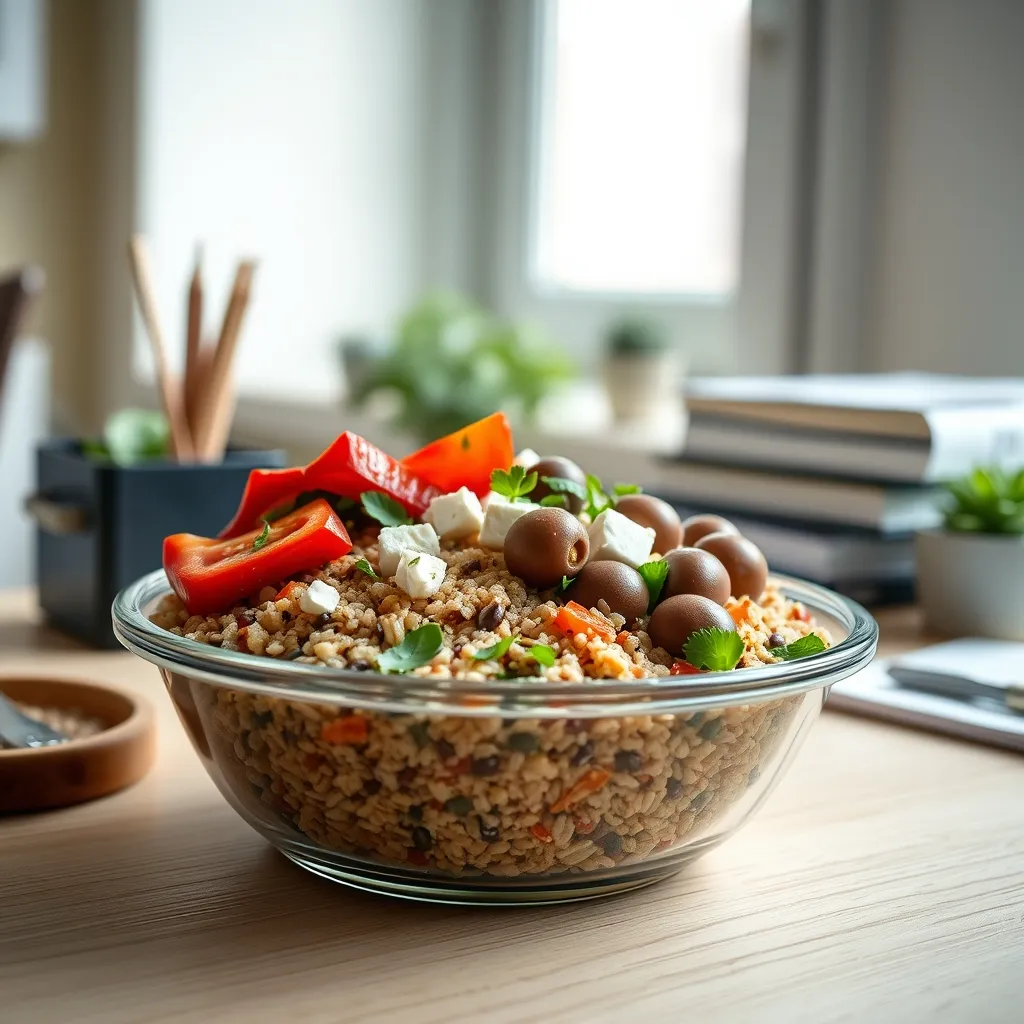
1. Mediterranean Grain Bowl
Start with a base of cooked quinoa or bulgur wheat, then add roasted red peppers, cucumber, cherry tomatoes, crumbled feta and a handful of olives. Dress with extra virgin olive oil and lemon juice. This provides excellent fibre, healthy fats and plant-based protein. It keeps beautifully in the fridge for up to three days.
2. Chicken and Avocado Wholegrain Wrap
Use a wholemeal tortilla wrap filled with shredded leftover roast chicken, sliced avocado, mixed leaves and a squeeze of lime. This is a protein-packed option that travels well. I often recommend this to parents who need something they can eat one-handed during a busy lunch break. For more wrap inspiration, see our guide to easy packed lunch ideas for adults.
3. Japanese-Inspired Bento Box
Fill compartments with sushi rice, edamame beans, pickled ginger, sliced cucumber and a small pot of soy sauce. Add a couple of hard-boiled eggs for protein. This is one of the most visually appealing lunches and encourages mindful eating through portion-controlled compartments.
4. Hearty Lentil and Vegetable Soup
A thermos flask of homemade red lentil soup with carrots, onions and cumin is the ultimate winter warmer. Lentils provide both protein and fibre, making this incredibly satisfying. Pair with a slice of wholemeal bread. For more hot lunch ideas, visit our hot packed lunch guide for adults.
5. Classic Pasta Salad with a Twist
Cook wholemeal fusilli and toss with sun-dried tomatoes, fresh basil, mozzarella pearls and toasted pine nuts. Use a pesto dressing rather than mayonnaise to keep the fat profile healthier. Our pasta packed lunch ideas article has eight more variations to try.
6. Smoked Mackerel and Beetroot Salad
Flaked smoked mackerel over a bed of mixed leaves, cooked beetroot wedges, walnuts and a horseradish yoghurt dressing. Oily fish like mackerel provides omega-3 fatty acids, which are essential for brain function and heart health. This is a genuinely British lunch that deserves more attention.
7. Falafel and Hummus Pitta
Stuff a wholemeal pitta with shop-bought or homemade falafel, a generous spoonful of hummus, shredded red cabbage and grated carrot. This plant-based powerhouse is rich in protein and fibre. It is also one of the most budget-friendly options on this list. If you are exploring plant-based eating, our veggie packed lunch ideas guide goes into much more detail.
8. Coronation Chicken Sandwich (Lighter Version)
Mix cooked chicken breast with Greek yoghurt, mild curry powder, mango chutney and raisins instead of the traditional heavy mayonnaise base. Serve on seeded bread with watercress. This classic British filling gets a nutritional upgrade without sacrificing any of the flavour.
9. Mexican Black Bean Bowl
Combine black beans, sweetcorn, diced peppers, spring onions and fresh coriander with a lime and chilli dressing. Top with a dollop of guacamole. This is incredibly filling and provides an impressive amount of plant-based protein and dietary fibre.
10. Ploughman’s-Style Lunch Box
A modern take on the classic: slices of mature Cheddar, wholegrain crackers, Branston pickle, apple slices, celery sticks and a handful of mixed nuts. This no-cook option is perfect for days when you simply cannot face meal prep. For sandwich-specific inspiration, our sandwich ideas guide offers ten creative recipes.
Nutrition Breakdown: Homemade vs Shop-Bought
One of the questions I hear most often is whether homemade packed lunches truly offer a nutritional advantage over a supermarket meal deal. The answer is a resounding yes, and the numbers speak for themselves.
| Lunch Option | Calories (approx.) | Protein | Saturated Fat | Sugar | Fibre | Cost |
|---|---|---|---|---|---|---|
| Supermarket meal deal (sandwich, crisps, fizzy drink) | 850 kcal | 18 g | 8 g | 42 g | 3 g | £3.50–£4.50 |
| Mediterranean grain bowl (homemade) | 520 kcal | 22 g | 4 g | 8 g | 9 g | £1.50–£2.00 |
| Chicken wrap (homemade) | 480 kcal | 32 g | 3 g | 4 g | 6 g | £1.80–£2.20 |
| Bakery sandwich + muffin (shop-bought) | 920 kcal | 15 g | 12 g | 38 g | 2 g | £5.00–£7.00 |
| Lentil soup + bread (homemade) | 420 kcal | 19 g | 1 g | 9 g | 11 g | £0.80–£1.20 |
| Black bean bowl (homemade) | 490 kcal | 21 g | 2 g | 6 g | 14 g | £1.20–£1.60 |
The difference is striking. Homemade options consistently deliver more protein, more fibre and significantly less sugar than their shop-bought counterparts. They also cost a fraction of the price. Understanding food labels can help you make better choices when you do buy pre-packaged items; our guide to reading food labels explains exactly what to look for.
Meal Prep Strategies That Actually Work
In my experience, the biggest barrier to bringing a packed lunch is not motivation; it is time. Most adults I work with are juggling demanding jobs, family responsibilities and a long commute. The solution is not to spend hours cooking every evening but to adopt a strategic approach to meal preparation.
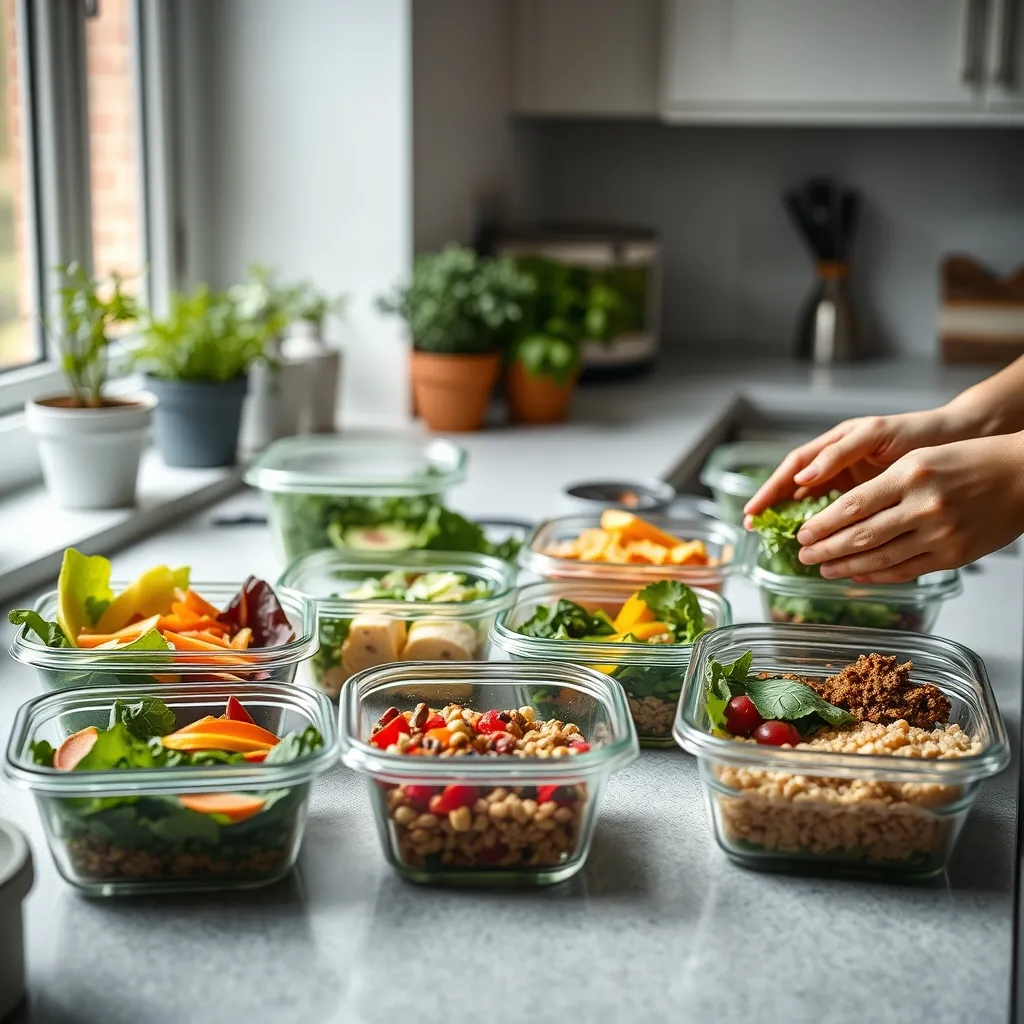
The Sunday batch cook is my most recommended strategy. Set aside 60 to 90 minutes on a Sunday afternoon to prepare the foundations for your week. Cook a large batch of grains (rice, quinoa or couscous), roast a tray of mixed vegetables, and prepare a protein source such as poached chicken, baked tofu or boiled eggs. These three components can be mixed and matched to create different lunches each day.
The “cook once, eat twice” method is even simpler. When preparing dinner, deliberately make extra portions. Last night’s roast chicken becomes today’s chicken wrap. Leftover bolognese becomes a pasta salad. Remaining roasted vegetables are tossed with feta and grains for a Mediterranean bowl. This approach requires virtually no additional effort.
A third option is freezer-friendly batch cooking. Soups, stews and curries freeze beautifully. Prepare a large pot of lentil soup or chickpea curry, portion it into individual containers, and freeze. Simply transfer one to the fridge the night before. By lunchtime, it will be perfectly defrosted and ready to reheat. For broader meal planning advice, our family meal planning guide covers strategies that benefit everyone in the household.
I always remind my patients that perfection is the enemy of consistency. A packed lunch that is 80% nutritious and actually gets eaten is infinitely better than a perfect meal plan that stays on paper.
Beyond Sandwiches: Creative Alternatives
When people think of packed lunch ideas for adults UK, the default image is invariably a sandwich. And whilst there is absolutely nothing wrong with a well-made sandwich (I still love a good prawn mayonnaise on brown bread), the lunchbox world extends far beyond two slices of bread.
Grain bowls are perhaps the most versatile alternative. A base of cooked grains topped with protein, vegetables and a flavourful dressing creates an entirely different eating experience each time you vary the ingredients. Think Thai-inspired with peanut dressing one day and Greek-style with tzatziki the next.
Savoury muffins and frittata slices are brilliant for those who prefer finger food. A batch of vegetable and cheese muffins or a large frittata can be sliced and refrigerated for the week. They taste excellent cold and travel without any fuss. These are particularly popular with adults who eat lunch al desko.
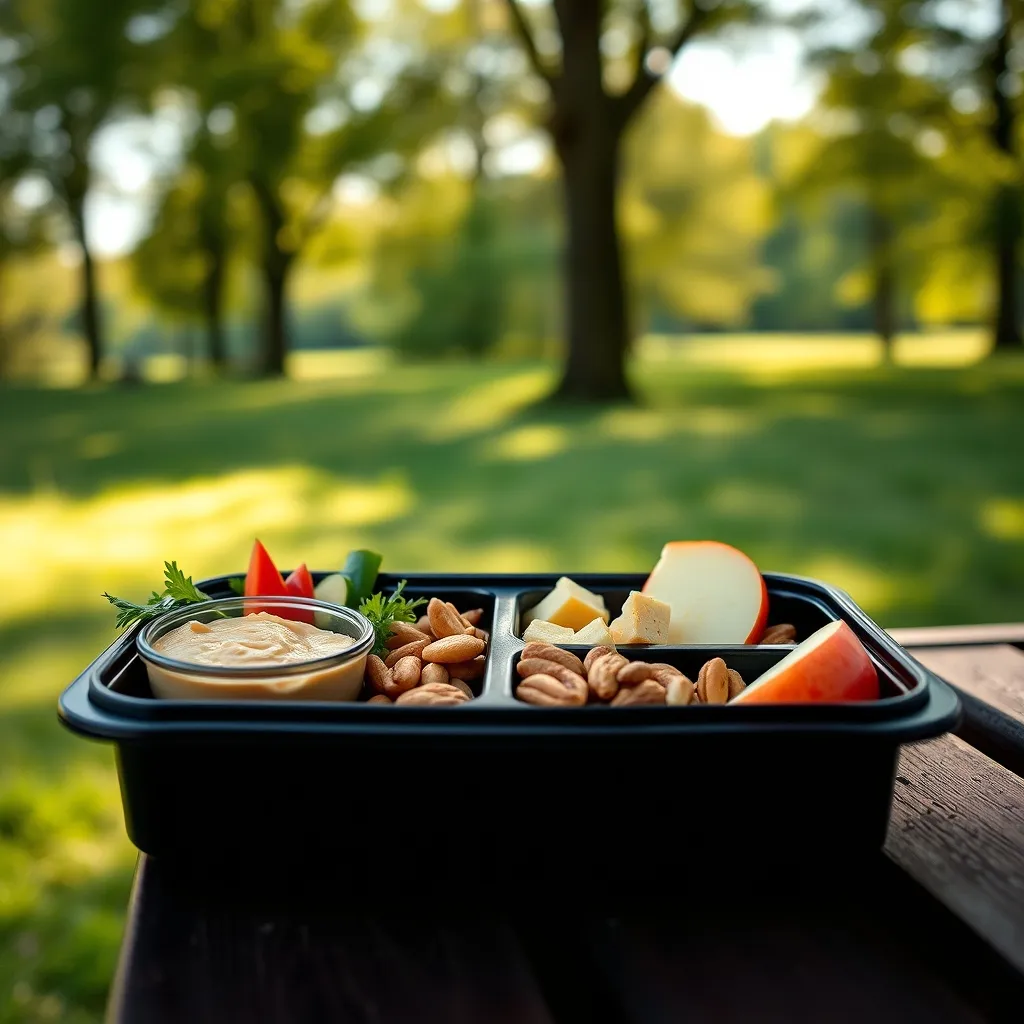
Snack-style bento boxes have gained enormous popularity in recent years. Rather than one main item, you assemble a selection of smaller components: hummus, crudités, cheese cubes, crackers, olives, fruit and a handful of nuts. This approach gives you variety and portion control in a single container. For those watching their calorie intake, our Slimming World packed lunch ideas for adults article offers tailored suggestions.
Cold noodle salads are another option I find myself recommending frequently. Soba noodles with sesame dressing, shredded vegetables and prawns make for a refreshing summer lunch that is light yet satisfying. Similarly, rice paper rolls filled with vermicelli, herbs and chicken or tofu are surprisingly easy to prepare and keep well when wrapped tightly.
Food Safety and Storage Tips
Food safety is something I take very seriously, and it is an area where many adults unknowingly take risks with their packed lunches. The Food Standards Agency recommends keeping perishable food below 8°C to prevent harmful bacterial growth. Here are my essential rules for safe packed lunches.
Invest in a quality insulated bag. A good insulated lunch bag with a reusable ice pack will keep your food at a safe temperature for four to six hours. This is particularly important during the warmer months, from May through September, when ambient temperatures in offices and vehicles can climb rapidly.
Separate hot and cold items. If you are carrying a thermos flask of soup alongside a cold salad, ensure the thermos is genuinely vacuum-sealed and the salad has its own cold pack. Cross-contamination of temperatures can create a breeding ground for bacteria.
Follow the two-hour rule. Any perishable food left at room temperature for more than two hours should be discarded. If your office has a fridge, use it. If not, an insulated bag with ice packs is non-negotiable.
Rice requires special attention. Cooked rice is a common culprit for food poisoning if stored improperly. Cool it within one hour of cooking, refrigerate promptly, and consume within 24 hours. Never reheat rice more than once. When including rice in a grain bowl or bento box, make sure it was cooled and refrigerated properly.
Label and date your containers. This sounds overly cautious, but when you have multiple containers in the fridge from batch cooking, it is surprisingly easy to lose track. A strip of masking tape with the date takes three seconds and prevents you from eating something that has been lurking at the back of the fridge for a week.
Budget-Friendly Packed Lunch Tips
The cost-of-living crisis has made budget-conscious eating more important than ever for UK adults. The good news is that packed lunches are inherently more affordable than buying lunch out. But there are ways to stretch your budget even further.
Tinned pulses are your best friend. A tin of chickpeas costs around 40p and provides enough protein for two lunches. Tinned lentils, kidney beans and butter beans are equally affordable and versatile. They require no soaking, no cooking and can be added directly to salads, wraps and grain bowls.
Buy seasonal vegetables. British-grown seasonal produce is both cheaper and more nutritious than imported alternatives. In winter, root vegetables such as carrots, parsnips and beetroot are excellent for roasting and adding to packed lunches. In summer, courgettes, tomatoes and peppers are at their peak. The BBC Good Food seasonal calendar is an excellent reference for what is in season.
Embrace leftovers strategically. As I mentioned earlier, cooking extra at dinner is the most cost-effective meal prep method. That extra portion of chilli, curry or roasted vegetables costs pennies when divided across a batch.
Use frozen vegetables without guilt. There is a persistent myth that frozen vegetables are nutritionally inferior to fresh. In reality, they are often frozen within hours of harvesting and retain their nutrient content exceptionally well. A bag of frozen peas, sweetcorn or mixed vegetables costs under £1 and lasts for weeks. They are perfect for adding to soups, grain bowls and pasta dishes.
For more ideas on making healthy eating affordable, our simple healthy packed lunch ideas article focuses specifically on straightforward, cost-effective recipes.
Adapting Packed Lunches for Specific Dietary Needs
One of the great advantages of preparing your own packed lunch is complete control over ingredients. This is particularly important for adults managing specific health conditions or following particular dietary patterns.
For diabetes management, focus on lunches with a low glycaemic index. Swap white bread for wholegrain alternatives, include a source of protein with every meal, and prioritise non-starchy vegetables. My lentil soup and black bean bowl recipes are excellent choices, as the high fibre content helps regulate blood sugar levels. Pairing carbohydrates with protein and healthy fats slows glucose absorption and prevents the afternoon energy crash that so many of my patients describe. Our guide to reading calories on food labels can help you understand the nutritional profile of packaged ingredients.
For weight management, packed lunches offer an enormous advantage because you control portion sizes precisely. Using a compartmentalised lunch box naturally limits portions without requiring calorie counting. Aim for half your container filled with vegetables, a quarter with lean protein and a quarter with complex carbohydrates. Our Slimming World cold packed lunch ideas article provides further calorie-conscious inspiration.
For plant-based diets, ensuring adequate protein is the primary concern. Combine legumes with grains (such as beans with rice, or hummus with wholemeal pitta) to create complete protein profiles. Add nuts, seeds and tofu for additional protein. Our vegan packed lunch ideas article is dedicated entirely to this topic.
For gluten-free requirements, replace bread and wraps with rice-based alternatives, corn tortillas or simply build your lunch around naturally gluten-free grains like quinoa and rice. Many of the recipes in this article are naturally gluten-free or can be adapted with minimal substitution.
For those with nut allergies, substitute nuts with seeds such as pumpkin, sunflower or sesame. Seed butters make excellent alternatives to peanut butter in wraps and dressings. Always check labels on shop-bought hummus and pesto, as many brands use nuts in their recipes.
Key Points
- Batch cook grains, proteins and roasted vegetables on Sunday for 3 to 5 days of ready-made packed lunches
- Keep perishable items below 8°C using an insulated bag and ice pack, especially from May to September
- Replace the typical meal deal with homemade alternatives to save over £900 per year and halve your sugar intake
- Use the 50-25-25 rule: fill half your lunchbox with vegetables, a quarter with lean protein and a quarter with complex carbohydrates
- Try at least one sandwich-free lunch per week such as a grain bowl, bento box or soup to add variety and improve nutrient diversity
Frequently Asked Questions
What to put in an adult packed lunch?
A balanced adult packed lunch should include a source of protein (chicken, fish, eggs, beans or cheese), complex carbohydrates (wholegrain bread, pasta, rice or quinoa), at least one portion of vegetables or salad, and a piece of fruit or small healthy snack. Aim for roughly 500 to 700 calories depending on your activity level and overall daily intake. The key is variety: try to avoid eating the same lunch every single day, as nutritional diversity supports better overall health.
Excellent sandwich alternatives include grain bowls (quinoa or bulgur wheat with roasted vegetables and protein), pasta salads with wholemeal pasta and fresh ingredients, bento-style boxes with hummus, crudités, cheese and crackers, thermos soups such as lentil or minestrone, and wraps or pitta pockets filled with falafel or chicken. Cold noodle salads, savoury muffins and frittata slices are also popular options that travel well and taste great at room temperature.What is a good packed lunch instead of sandwiches?
Use an insulated lunch bag with a reusable ice pack to maintain a safe temperature below 8°C. If your workplace has a fridge, store your lunch there as soon as you arrive. For hot items, use a vacuum-insulated thermos flask that keeps food warm for up to six hours. Avoid leaving perishable food at room temperature for more than two hours, and always cool cooked rice within one hour before refrigerating.How can I keep my packed lunch fresh until lunchtime?
The most budget-friendly packed lunches centre around tinned pulses (chickpeas, lentils and beans at around 40p per tin), seasonal vegetables, frozen vegetables and leftover dinner portions. A homemade lentil soup costs approximately 80p per serving, whilst a grain bowl with tinned chickpeas and roasted seasonal vegetables costs under £1.50. Batch cooking on Sundays and using the “cook once, eat twice” method with dinners are the two most effective strategies for keeping costs low.What are some healthy packed lunch ideas for adults on a budget?
For most adults, a packed lunch should provide roughly 600 to 700 calories, which represents about a third of the recommended daily intake of 2,000 calories for women and 2,500 for men. However, this varies depending on your activity level, age, body composition and health goals. If you are physically active or have a manual job, you may need closer to 800 calories. If you are managing your weight, 450 to 550 calories with a higher proportion of protein and fibre will help you feel satisfied without overeating.How many calories should an adult packed lunch contain?
Yes, but with some caveats. Most packed lunches keep well for 3 to 4 days when stored properly in airtight containers in the fridge. Grain bowls, pasta salads and soups are excellent for advance preparation. However, sandwiches tend to become soggy after a day, so prepare those on the morning you plan to eat them. For a full five-day stretch, freeze portions of soup or curry and defrost them overnight in the fridge. Always store dressings separately to prevent salads from wilting.Can I prepare packed lunches in advance for the whole week?