

Key Takeaways
- Children should never follow adult diets; safe weight management focuses on slowing weight gain while they grow taller
- The NHS BMI centile calculator is the recommended tool to check whether your child is a healthy weight for their age and sex
- Aim for at least 60 minutes of moderate-to-vigorous physical activity every day for children aged 5 to 18
- Swapping sugary drinks for water alone can reduce a child’s daily intake by 150 to 300 calories
- Family-based approaches are twice as effective as targeting the child alone, according to NICE guidance
- Around one in three children leaving primary school in England are classified as overweight or living with obesity
In This Article
- Understanding Healthy Weight in Children
- Why Children Should Never Diet Like Adults
- Practical Nutrition Changes That Work
- Building Physical Activity Into Daily Life
- The Role of Sleep, Screens and Stress
- Talking to Your Child About Weight
- Whole-Family Approach: Making Changes Together
- When to Seek Professional Help
- Tracking Progress Without Obsessing
As a paediatric nutritionist who has worked with hundreds of families across the NHS and private practice, I know that discovering your child is above a healthy weight can feel overwhelming. You want to do the right thing, but the internet is full of conflicting advice, quick-fix promises and fear-inducing headlines. Let me reassure you: with the right approach, you can help your child reach a healthier weight without damaging their relationship with food or their self-esteem.
In this guide, I will walk you through evidence-based, practical strategies to help your child lose weight safely. Every recommendation is grounded in current NHS and NICE guidance, and I have seen these approaches work time and again in my own clinic. The key principle throughout is simple: we are not putting children on diets. We are making gradual, sustainable changes as a family that support healthy growth.
Understanding Healthy Weight in Children
Before making any changes, it is important to understand what “overweight” actually means for a child. Unlike adults, children’s body composition changes rapidly as they grow. A child who looks a little chubby at age six may naturally slim down during a growth spurt. That is why we use BMI centile charts rather than standard adult BMI calculations.
The NHS BMI healthy weight calculator for children plots your child’s BMI against other children of the same age and sex. Here is how the results are interpreted:
| BMI Centile | Classification | What It Means |
|---|---|---|
| Below 2nd centile | Underweight | Your child may need nutritional support; see your GP |
| 2nd to 91st centile | Healthy weight | Weight is appropriate for height, age and sex |
| 91st to 98th centile | Overweight | Lifestyle changes are recommended to slow weight gain |
| Above 98th centile | Very overweight (obese) | Professional support is advised alongside family changes |
In England, the National Child Measurement Programme weighs and measures children in Reception (age 4 to 5) and Year 6 (age 10 to 11). The most recent data shows that approximately one in three children leaving primary school are above a healthy weight. If your child falls into this group, you are far from alone, and the fact that you are reading this article shows you are already taking positive steps. For more on the bigger picture, have a look at our guide to childhood obesity in the UK: statistics, trends and what they mean.
Why Children Should Never Diet Like Adults
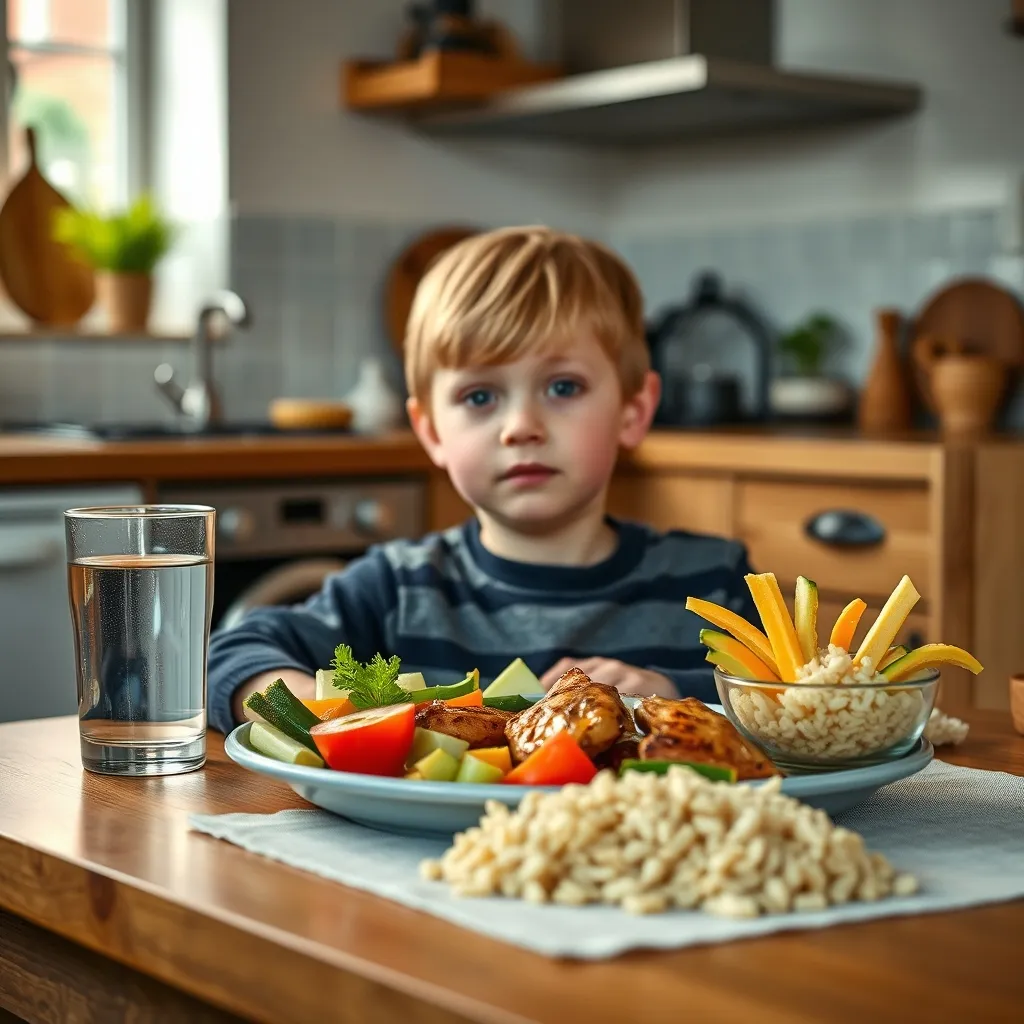
This is the single most important message I give to every family I work with: restrictive diets are not appropriate for growing children. Children need a steady supply of nutrients to support bone development, brain growth, hormonal changes and immune function. Cutting calories dramatically or eliminating entire food groups can lead to nutrient deficiencies, stunted growth and, critically, disordered eating patterns that may persist into adulthood.
The goal for most overweight children is not weight loss in the adult sense. Instead, the aim is to slow the rate of weight gain so that the child gradually “grows into” their weight as they get taller. For children with very high BMIs, a modest and gradual reduction in weight may be appropriate, but this should always be guided by a healthcare professional.
According to NICE clinical guideline CG189 on obesity, weight management programmes for children should be family-based, focus on lifestyle changes rather than calorie counting, and address diet, physical activity and behaviour together. I have seen families try to put a child on a “diet” in isolation, and it almost never works. It singles the child out, creates shame and often triggers secret eating. The evidence is clear: the whole family needs to be involved.
It is also worth being aware of the link between restrictive approaches and eating disorders. Our article on eating disorders in children and teenagers covers the warning signs every parent should know.
Practical Nutrition Changes That Work
Rather than overhauling everything overnight, I recommend making small, incremental changes that the whole family can adopt. Here are the strategies I find most effective in practice:
Start With Drinks
Sugary drinks are often the single biggest source of excess calories in a child’s diet. Fizzy drinks, squash, fruit juice and flavoured milks can add 150 to 300 unnecessary calories per day. Switching to water, sugar-free squash or plain milk makes a significant difference with minimal disruption. For a deeper look at sugar intake, read our guide on how much sugar a child should have per day.
Rethink Portion Sizes
Children do not need adult-sized portions, yet many families serve the same amount to everyone at the table. Using smaller plates for children, serving vegetables first and allowing children to ask for more rather than piling up the plate from the start are all effective strategies. The Eatwell Guide explained for children and families provides a helpful visual breakdown of how a balanced plate should look.
Increase Vegetables and Fibre
Aim for five portions of fruit and vegetables per day, with an emphasis on vegetables. Fibre-rich foods such as wholegrain bread, oats, beans and lentils help children feel fuller for longer. I always suggest adding an extra vegetable to meals you already cook rather than creating entirely new recipes. A handful of sweetcorn stirred into a pasta sauce, some grated courgette in a Bolognese or sliced peppers alongside a sandwich all count.
Smart Snacking
Grazing throughout the day is one of the most common patterns I see in overweight children. Establishing regular meal and snack times helps regulate appetite. Two planned snacks per day (mid-morning and mid-afternoon) are usually sufficient. Swap crisps and biscuits for options like fruit with a small portion of cheese, vegetable sticks with hummus or plain popcorn. For more ideas, see our collection of healthy after-school snack ideas.
Cook More at Home
Takeaways, ready meals and fast food tend to be higher in calories, salt and unhealthy fats than home-cooked alternatives. Cooking at home gives you full control over ingredients and portion sizes. If budget is a concern, our article on budget-friendly healthy meals for families in the UK offers practical meal ideas that will not break the bank.
Building Physical Activity Into Daily Life

The UK Chief Medical Officers recommend that children aged 5 to 18 get at least 60 minutes of moderate-to-vigorous physical activity every day. This does not have to mean organised sport or gym sessions. In fact, the most sustainable activity is the kind that fits naturally into your family’s routine.
Here are some of the approaches I find work best for families:
- Walking or cycling to school is one of the simplest ways to build activity into the day. Even walking part of the journey makes a difference. Our article on walking and cycling to school explains the health benefits and how to get started.
- Active play counts too: playing in the park, riding a scooter, playing tag, dancing in the living room and jumping on a trampoline all contribute to the daily target.
- Reducing sedentary time is just as important as increasing movement. Try to limit recreational screen time and encourage breaks from sitting every 30 minutes.
- Family activities such as weekend walks, bike rides or swimming trips make exercise a shared, enjoyable experience rather than a punishment.
The most important thing is finding activities your child genuinely enjoys. A child who hates football but loves swimming should be encouraged to swim. A teenager who would rather dance than run should be supported to dance. Forcing children into activities they dislike only creates negative associations with exercise. For a detailed breakdown by age group, refer to our guide on UK physical activity guidelines for children by age.
The Role of Sleep, Screens and Stress
Weight management is not just about food and exercise. Three often-overlooked factors play a significant role in children’s weight:
Sleep
Research consistently shows that children who sleep less are more likely to be overweight. Poor sleep disrupts the hormones that regulate hunger (ghrelin and leptin), leading to increased appetite and cravings for high-calorie foods. The recommended sleep durations are:
- Ages 3 to 5: 10 to 13 hours per night
- Ages 6 to 12: 9 to 12 hours per night
- Ages 13 to 18: 8 to 10 hours per night
Establishing a consistent bedtime routine, removing screens from the bedroom and keeping bedtimes regular (even at weekends) can all improve sleep quality.
Screen Time
Excessive screen time contributes to weight gain in two ways: it replaces physical activity, and it exposes children to food advertising that promotes unhealthy choices. Studies have shown that children who watch more than two hours of recreational screen per day consume more snacks and sugary drinks. The upcoming changes outlined in our article on the UK junk food advertising ban 2026 aim to reduce this exposure, but in the meantime, setting household screen limits is important.
Stress and Emotional Eating
Children, like adults, may turn to food for comfort when they feel stressed, anxious, bored or upset. If you notice your child eating when they are not hungry, it is worth exploring what might be driving this behaviour. Open, non-judgemental conversations about feelings, combined with alternative coping strategies such as drawing, playing outside or talking through worries, can help break the cycle. There is a strong link between children’s mental health and nutrition, and addressing emotional wellbeing is a crucial part of any weight management plan.
Talking to Your Child About Weight

How you talk about weight matters enormously. The wrong words, even with the best intentions, can cause lasting damage to a child’s body image and self-worth. Here are the principles I recommend:
- Focus on health, not appearance. Talk about being “strong”, “healthy” and “full of energy” rather than “thin” or “slim”. Avoid commenting on your child’s body shape or comparing them to siblings or peers.
- Never use the word “diet”. Frame changes as the whole family choosing to be healthier together. Saying “we are all going to eat more vegetables and go for more walks” is very different from “you need to lose weight”.
- Watch your own language. Children absorb everything. If you constantly criticise your own body, talk about “being fat” or label foods as “good” or “bad”, your child will internalise these attitudes.
- Avoid using food as a reward or punishment. Promising sweets for good behaviour or withholding pudding as a consequence gives food emotional power it should not have.
- Listen and validate. If your child expresses unhappiness about their weight, listen without minimising. Acknowledge their feelings and reassure them that you are going to work on this together.
Building a positive relationship with food starts at the table. Our article on positive mealtime habits and creating a healthy relationship with food offers more detailed guidance on this important topic.
Whole-Family Approach: Making Changes Together
I cannot stress this enough: the most effective weight management programmes for children are family-based. When everyone at home eats the same meals, follows the same snack routines and gets active together, the child does not feel singled out or punished. It also means that the home environment naturally supports healthier choices.
Here is how to implement a whole-family approach:
- Clear the cupboards. If biscuits, crisps and sweets are not in the house, no one is tempted. You do not need to ban treats entirely, but keep them for occasional, planned enjoyment rather than having them constantly available.
- Eat meals together. Families who eat at a table together (without screens) tend to eat more balanced meals and have better communication about food. Aim for at least one shared meal per day.
- Get everyone involved in cooking. Children who help prepare meals are more likely to eat what they have made. Even young children can wash vegetables, stir ingredients or set the table.
- Lead by example. Your children watch what you eat, how much you move and how you talk about your own body. If you want them to drink water, drink water yourself. If you want them to enjoy vegetables, let them see you enjoying vegetables.
- Make changes gradually. Trying to overhaul everything at once leads to overwhelm and resistance. Pick one or two changes per week and build from there.
For families dealing with fussy eaters, making these changes can feel doubly challenging. Our guide on fussy eating in children: causes, strategies and when to worry may help you navigate this.
When to Seek Professional Help
While lifestyle changes at home are effective for many families, some children benefit from professional support. I would recommend speaking to your GP or practice nurse if:
- Your child’s BMI is above the 98th centile (classified as very overweight or living with obesity)
- You have made consistent changes for three to six months without any improvement
- Your child has related health concerns such as joint pain, breathlessness, skin changes (acanthosis nigricans) or early signs of type 2 diabetes
- You suspect your child may be developing disordered eating patterns such as binge eating, extreme food restriction or secret eating
- Your child is experiencing significant emotional distress related to their weight, including bullying, low mood or social withdrawal
Your GP can refer your child to a specialist paediatric weight management programme. Many areas of England now have specialist NHS clinics that offer structured, multidisciplinary support including dietitians, psychologists and exercise specialists. The NHS England childhood obesity programme has expanded significantly, with digital tools and specialist clinics helping thousands of children and families. Our article on childhood obesity prevention strategies explores some of these services in more detail.
Tracking Progress Without Obsessing
Progress should be measured in positive behaviour changes, not just numbers on a scale. In fact, I generally advise against weighing children at home. Frequent weigh-ins can create anxiety and an unhealthy fixation on numbers. Instead, track progress through:
- Energy levels: Is your child more active and energetic?
- Food variety: Are they eating a wider range of foods, including more vegetables?
- Activity habits: Are they spending more time being active and less time sedentary?
- Sleep quality: Are they sleeping better?
- Mood and confidence: Do they seem happier and more confident?
- Clothing fit: Are clothes fitting more comfortably?
If you do want to monitor BMI, I suggest doing so no more than once every three months, ideally through your GP surgery or school nurse who can plot measurements on the appropriate growth charts. Remember, for growing children, the goal is often to maintain weight while they grow taller, which means the BMI centile gradually moves downward over months and years. This is a marathon, not a sprint.
Celebrate non-scale victories along the way. If your child discovers they love a new vegetable, plays outside for longer than usual, or asks for water instead of squash, acknowledge these wins. Positive reinforcement of healthy behaviours is far more motivating than focusing on weight numbers.
Key Points
- Use the NHS BMI centile calculator to check your child’s weight status rather than guessing or using adult scales
- Focus on slowing weight gain rather than restricting food; never put a child on an adult diet
- Make one or two small changes per week as a family, starting with swapping sugary drinks for water
- Aim for at least 60 minutes of enjoyable physical activity daily, including walking to school and active play
- Talk about health and energy rather than weight or appearance, and never single out the child
Frequently Asked Questions
How do you slim down an overweight child?
The safest approach is not to “slim down” a child through dieting but to slow their rate of weight gain while they continue to grow taller. Focus on gradual changes: swap sugary drinks for water, increase vegetables and fibre, establish regular meal and snack times, reduce portion sizes to child-appropriate amounts, and ensure at least 60 minutes of physical activity daily. These changes should involve the whole family, not just the child. Most children will gradually reach a healthier BMI centile over 6 to 12 months with this approach. If your child’s BMI is above the 98th centile, speak to your GP about specialist support.
The 5-2-1-0 rule is a simple daily guideline used by health professionals to promote healthy weight in children. It stands for: 5 or more portions of fruit and vegetables per day; 2 hours or less of recreational screen time; 1 hour or more of physical activity; and 0 sugary drinks. While originally developed in the United States, the targets align closely with UK recommendations from the NHS and the UK Chief Medical Officers. It is a helpful framework for families who want a straightforward set of daily goals to work towards.What is the 5-2-1-0 rule for children’s health?
Constant hunger in an overweight child is usually linked to what they are eating rather than how much. Foods high in refined sugar and white carbohydrates cause rapid blood sugar spikes followed by crashes that trigger hunger. Focus on including more protein (eggs, beans, lean meat, fish) and fibre (wholegrain bread, oats, vegetables, lentils) at every meal, as these nutrients promote sustained fullness. Ensure regular meal and snack times rather than allowing grazing, and check that your child is drinking enough water, as thirst is often mistaken for hunger. If excessive hunger persists despite a balanced diet, consult your GP to rule out underlying causes.My child is overweight and always hungry. What should I do?
Increasing physical activity alone can help, but combining activity with improved nutrition is far more effective. Exercise burns calories, builds muscle, improves mood and supports metabolic health, but children can easily consume more calories than they burn through activity. For example, a 30-minute bike ride might burn around 150 calories, while a single chocolate bar contains 250 or more. That said, physical activity is absolutely essential for healthy weight management and overall wellbeing. The ideal approach uses both improved nutrition and increased activity together as part of a whole-family lifestyle change.Can a child lose weight just by being more active?
For most overweight children, the goal is not active weight loss but weight maintenance while they grow taller. This means the number on the scale may stay roughly the same for months while their BMI centile gradually improves. For children who are very overweight (above the 98th centile) and where some weight reduction is clinically appropriate, a safe rate is no more than 0.5 kg per month for younger children and up to 0.5 kg per week for older teenagers, always under professional supervision. Rapid weight loss in children is never safe and can compromise growth, bone density and nutritional status.How quickly should a child lose weight?
It can be helpful to involve school in a supportive way. You might speak to the school nurse, who can monitor your child’s growth and offer guidance. You could also discuss school meal options with catering staff. If your child is being bullied about their weight, raising this with the school is important. However, be careful not to single your child out publicly or create embarrassment. Frame conversations with school staff around supporting your child’s overall health and wellbeing rather than focusing on weight. Our guide on whether school meals are healthy can help you evaluate what your child is eating at school.Should I talk to my child’s school about their weight?