As a paediatric nutritionist who has spent over fifteen years helping families across Bristol and the wider NHS, I regularly hear parents ask: can children go to the gym in the UK? It is a perfectly reasonable question, especially when you want to encourage your child to be more active but are unsure where to start. The short answer is yes, many children can access gym facilities, but the rules vary significantly depending on the provider, the child’s age, and the type of equipment involved.
In this guide, I will walk you through the age policies at major UK gym chains, explain what junior memberships typically include, and share safe, effective alternatives for children who are too young or simply prefer something different. Whether your child is 7 or 17, there are excellent options available to help them build healthy habits that last a lifetime.
Key Takeaways
- There is no single legal minimum age for gym use in the UK; policies are set by individual operators, typically starting from age 11 to 16
- Most council-run leisure centres offer junior gym sessions from age 11, often at reduced rates or included in family memberships
- Children aged 5 to 18 should aim for at least 60 minutes of moderate-to-vigorous physical activity every day, according to the UK Chief Medical Officers
- Budget chains like PureGym and The Gym Group generally require members to be at least 16 years old
- For children under 11, active play, swimming, dance, and sports clubs are safer and more developmentally appropriate than gym-based resistance training
- Supervised junior sessions with qualified instructors are the safest way for older children to begin structured exercise
In This Article
- UK Gym Age Rules: What the Law Says
- Age Policies at Major UK Gym Chains
- What Are Junior Gym Sessions?
- Is the Gym Safe for Children? What the Evidence Says
- Age-by-Age Guide to Gym and Exercise
- Alternatives to the Gym for Children
- UK Physical Activity Guidelines for Children
- Tips for Parents: Getting Your Child Started Safely
UK Gym Age Rules: What the Law Says
One of the most common misconceptions I encounter is that there is a legal minimum age for going to the gym in the UK. In fact, there is no specific legislation that sets a universal age limit. Instead, each gym operator sets its own policy based on health and safety assessments, insurance requirements, and the type of equipment available.
The Health and Safety Executive (HSE) provides general guidance on young people in workplaces and activity settings, but the specifics are left to individual operators. This means the age at which your child can access a gym varies enormously, from as young as 11 at many council leisure centres to a strict 16 or even 18 at some private chains.
What you will find consistently, however, is that children under 16 are almost always required to have some form of parental consent. Many facilities also insist on an induction session before allowing young members to use equipment independently. I always recommend checking directly with your chosen facility, as policies can change and vary between branches.

Age Policies at Major UK Gym Chains
To save you the legwork, I have compiled the typical age policies at the most popular gym operators across the UK. Do bear in mind that these can vary by location, so always confirm with your local branch.
| Gym Provider | Minimum Age | Conditions |
|---|---|---|
| Better (GLL) Leisure Centres | 11 years | Junior sessions; parental consent required |
| Everyone Active | 11 years | Junior membership; induction required |
| Places Leisure | 11 years | Supervised junior sessions only |
| David Lloyd Clubs | 11 years | Junior gym with supervision; family membership |
| Village Gym | 16 years | Full membership from 16; some clubs offer junior access from 11 with parent |
| PureGym | 16 years | No junior membership; 16-17 need parental consent |
| The Gym Group | 16 years | Parental consent for 16-17 year olds |
| JD Gyms | 16 years | Parental consent for under 18s |
| Nuffield Health | 12 years | Junior membership; must complete induction |
| Local council leisure centres | 11-14 (varies) | Junior gym sessions; often subsidised |
As you can see, council-run leisure centres tend to be the most accessible option for younger children. Budget gym chains like PureGym and The Gym Group are geared towards adults and typically draw the line at 16. Premium family-focused clubs such as David Lloyd often have the most comprehensive junior programmes, though at a higher price point.
What Are Junior Gym Sessions?
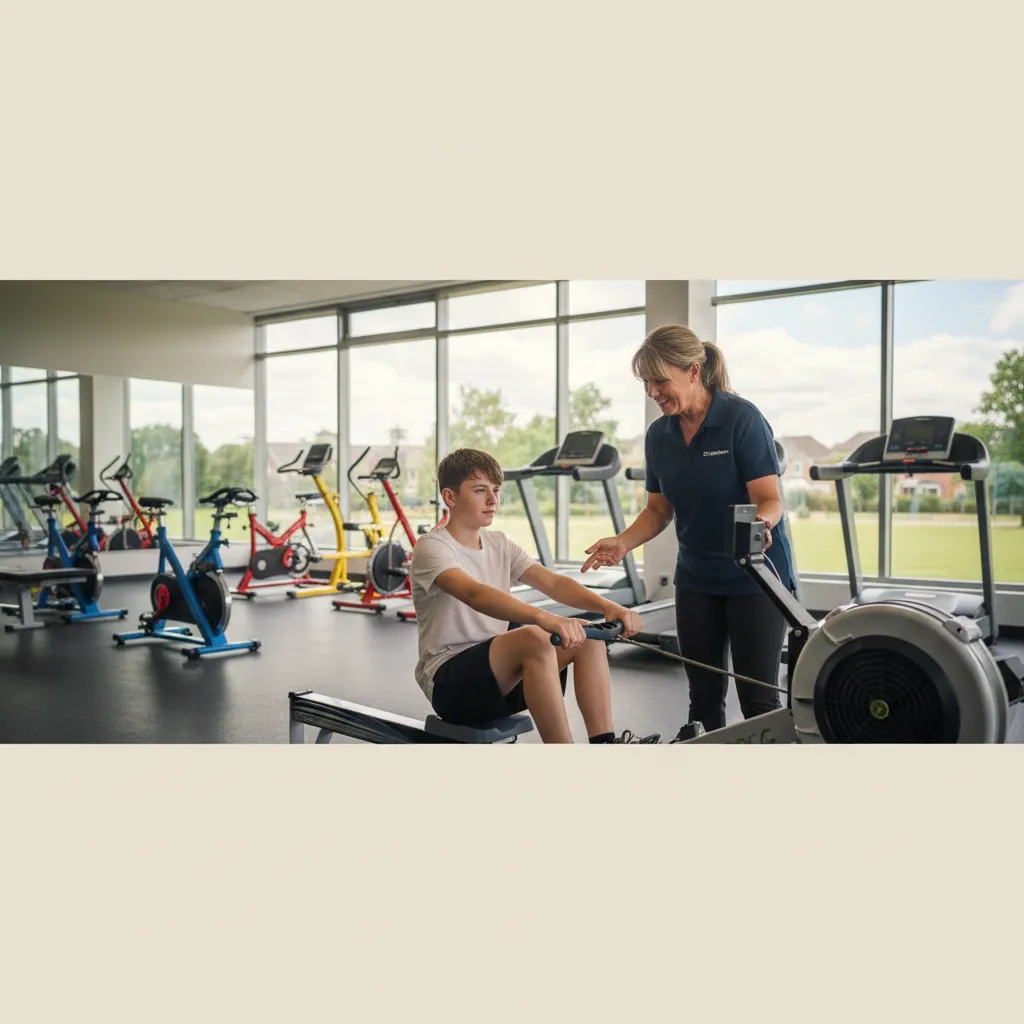
Many leisure centres and family-orientated gym chains offer dedicated junior gym sessions. These are specific time slots where young people, typically aged 11 to 15, can use gym equipment under the supervision of trained staff. I have seen these sessions work brilliantly for children who are curious about exercise but need guidance and a safe environment.
During a junior gym session, children usually receive:
- A structured induction covering how to use each piece of equipment safely
- Supervision from a qualified fitness instructor throughout the session
- Access to age-appropriate equipment, often excluding free weights and certain resistance machines
- Basic guidance on warming up, cooling down, and proper form
Some centres also run family gym sessions where a parent or guardian can exercise alongside their child. I find these particularly valuable because they model healthy behaviour and make physical activity a shared family experience. The cost is often very reasonable; many council-run centres charge as little as £2 to £4 per session or include junior access within a family membership.
If your child is interested in structured exercise, junior gym sessions are an excellent stepping stone. They provide a controlled introduction without the intimidation factor that a busy adult gym floor can present. For more ideas on keeping children moving, take a look at my article on fun ways to keep children active without it feeling like exercise.
Is the Gym Safe for Children? What the Evidence Says
This is the question that concerns most parents, and rightly so. The good news is that supervised, age-appropriate strength training is considered safe for children by leading health organisations. The NHS recommends that children and young people include muscle-strengthening activities at least three days per week as part of their overall physical activity.
However, there are important caveats. The key word is age-appropriate. This means:
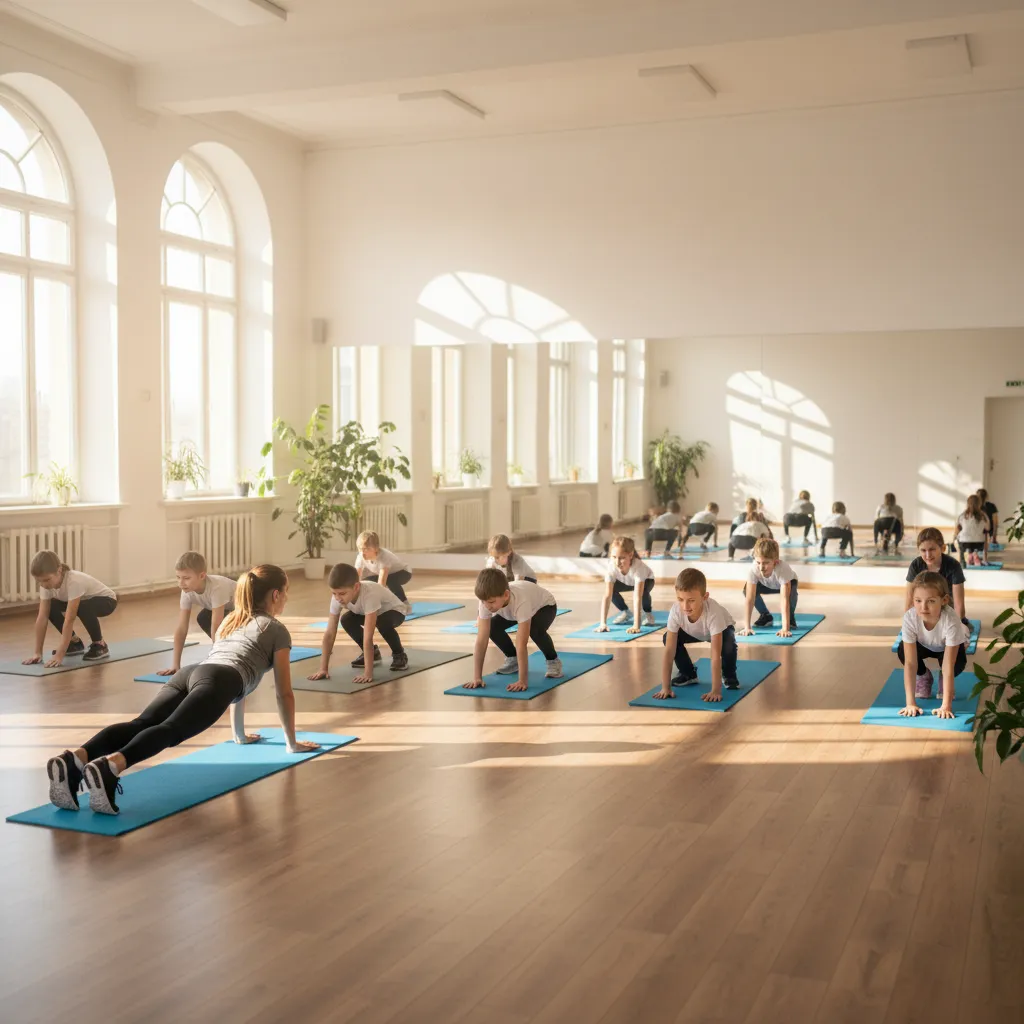
- Bodyweight exercises such as push-ups, squats, and planks are suitable for most children from around age 7 onwards
- Light resistance training with proper supervision can be introduced from around age 11 to 12
- Heavy weightlifting and maximal lifts should be avoided until skeletal maturity, typically around age 16 to 18
- The focus should always be on technique and enjoyment, not on lifting heavy loads
The risks associated with gym use in children are primarily linked to unsupervised access, poor technique, and excessive loading. Growth plate injuries, while relatively rare, can occur when children attempt to lift weights that are too heavy or use equipment designed for adult bodies. This is precisely why supervised junior sessions with proper inductions are so important.
I also want to address a common myth: resistance training does not stunt growth. This has been thoroughly debunked by research. In fact, appropriate strength training can support bone health, improve coordination, and boost confidence. The concern should never be whether your child exercises, but rather how they exercise and whether they are properly supervised.
Physical activity also plays a crucial role in maintaining a healthy weight. If you are concerned about your child’s weight, my article on signs your child may be overweight and when to seek help provides practical guidance.
Age-by-Age Guide to Gym and Exercise
Based on my clinical experience and the latest evidence, here is what I recommend for each age group when it comes to gym-based activity and structured exercise:
Under 5 years
Gyms are not appropriate at this age. Children under five should focus on active play: climbing, running, jumping, tumbling, and exploring. The UK Chief Medical Officers’ guidelines recommend that toddlers and pre-schoolers should be physically active for at least 180 minutes spread throughout the day. For guidance on nutrition at this age, see my article on toddler nutrition for 1 to 3 year olds.
Ages 5 to 10
Still too young for traditional gym equipment. Focus on sports clubs, swimming, dance, martial arts, cycling, and playground activities. Bodyweight exercises like star jumps, bear crawls, and simple yoga poses are wonderful at this age. Children in this range should aim for 60 minutes of moderate-to-vigorous activity daily, with muscle and bone-strengthening activities on at least three of those days.
Ages 11 to 13
This is typically the earliest age at which children can access junior gym sessions at council leisure centres. An induction is essential, and all sessions should be supervised. Light resistance machines and bodyweight circuits are appropriate. Avoid free weights and heavy loads. This is also a great age to try a wide range of activities to find what they genuinely enjoy.
Ages 14 to 15
Many gym chains allow access at this age, usually under supervised junior sessions. Children can begin to explore a wider range of resistance equipment with proper coaching. The emphasis should remain on technique, not on how much they can lift. Some children at this age become interested in fitness for sporting performance, which can be a positive motivator when guided appropriately.
Ages 16 to 17
Most gym operators, including budget chains, permit membership from age 16 with parental consent. At this stage, young people can typically access the full gym floor, though I still recommend starting with a proper programme designed by a qualified instructor. It is worth noting that adolescents have different training needs to adults, and a one-size-fits-all approach is not ideal.
Alternatives to the Gym for Children
If your child is too young for the gym, or simply not interested, there are plenty of brilliant alternatives. In my experience, the best form of exercise for a child is one they actually enjoy, because that is the one they will stick with. Here are some options I frequently recommend:
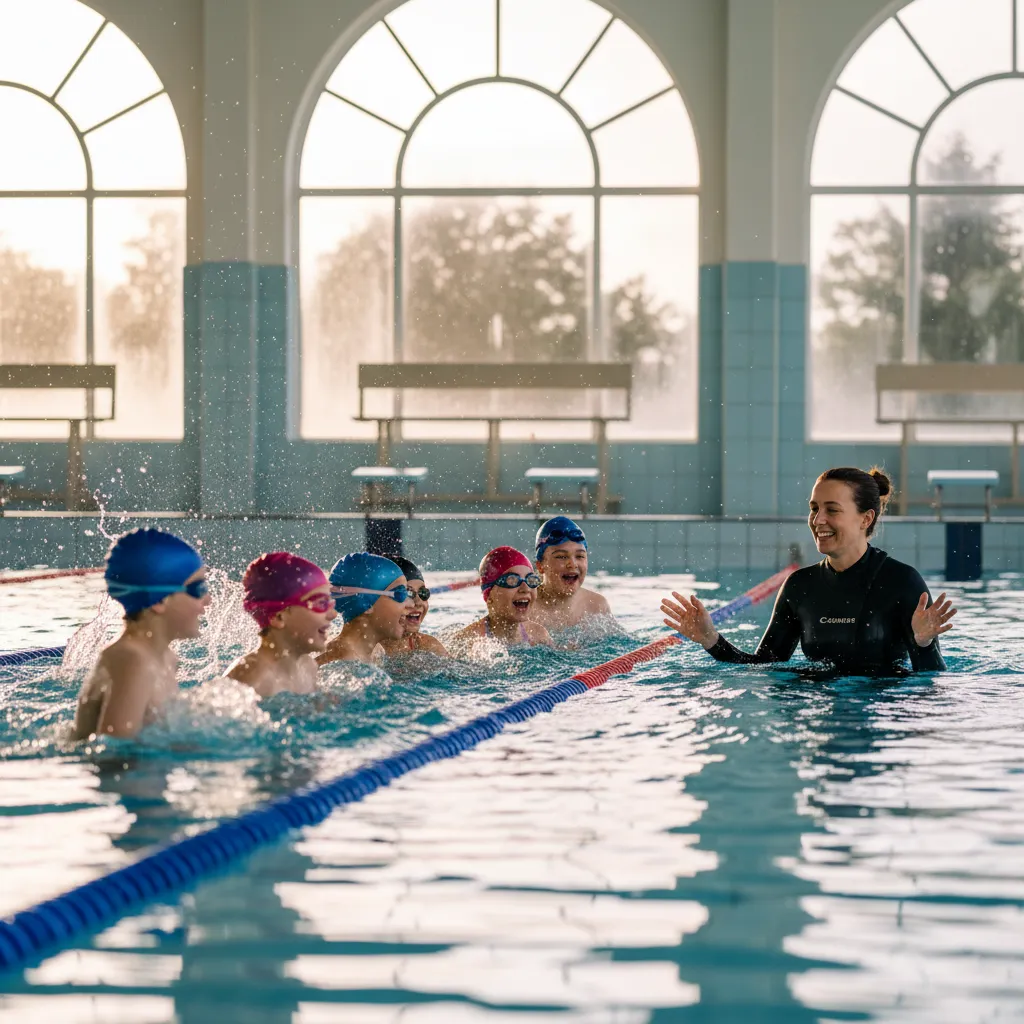
- Swimming: Most pools welcome children from a very young age, and swimming builds cardiovascular fitness, strength, and coordination. Many leisure centres offer lessons from as young as 3
- Football, rugby, netball, and cricket clubs: Team sports teach social skills alongside physical fitness. Your local council or school can usually point you towards clubs
- Dance and gymnastics: Excellent for flexibility, balance, and core strength. Classes are widely available for children from age 3 upwards
- Martial arts: Judo, karate, and taekwondo develop discipline, coordination, and confidence. Most clubs accept children from age 5 or 6
- Parkour and climbing: Indoor climbing walls and parkour classes have become increasingly popular and are a fantastic way for children to build upper-body strength
- Cycling and scooting: Free, accessible, and a great way to build activity into daily routines such as the school commute
- Active play at home or in the park: Never underestimate the value of running around, playing tag, or simply kicking a ball. Unstructured play remains one of the most important forms of physical activity for children
I discuss many more creative ideas in my article on fun ways to keep children active. The key is variety: children benefit from experiencing different types of movement rather than specialising too early.
UK Physical Activity Guidelines for Children
Understanding the official recommendations can help you gauge whether your child is active enough, and whether a gym membership would genuinely add value. Here is a summary of the UK Chief Medical Officers’ physical activity guidelines by age group:
| Age Group | Daily Recommendation | Additional Guidance |
|---|---|---|
| Under 1 year | Active throughout the day; tummy time encouraged | Minimise time in pushchairs and car seats |
| 1 to 4 years | At least 180 minutes of activity spread across the day | Include energetic play such as running and climbing |
| 5 to 18 years | At least 60 minutes of moderate-to-vigorous activity daily | Include muscle and bone-strengthening activities on 3+ days per week |
Research consistently shows that many UK children are not meeting these targets. According to Sport England data, only around 47% of children aged 5 to 16 meet the recommended 60 minutes per day. This is concerning because regular physical activity is closely linked to healthy weight management, better mental health, improved sleep, and stronger bones.
If your child is falling short of these guidelines, adding structured activity, whether through a gym, a sports club, or simply more active play, can make a real difference. Physical activity also works hand in hand with good nutrition and adequate sleep. You might find my articles on risk factors for childhood obesity and why bedtime matters for healthy growth helpful in building a complete picture.
Tips for Parents: Getting Your Child Started Safely
Whether your child is joining a junior gym session or starting a new sport, here are my practical recommendations for making the transition smooth and safe:
- Visit the facility first. Take your child to look around before signing up. A welcoming environment with friendly staff makes all the difference to a young person’s confidence
- Insist on a proper induction. Any reputable facility will offer this. If they do not, I would consider it a red flag
- Check instructor qualifications. Staff supervising junior sessions should hold relevant coaching or fitness qualifications. Look for CIMSPA-registered professionals (the Chartered Institute for the Management of Sport and Physical Activity)
- Start slowly. Two sessions per week is plenty to begin with. Overtraining in young bodies can lead to fatigue, injury, and burnout
- Keep it enjoyable. The moment exercise becomes a chore, children disengage. Let your child have a say in what activities they try
- Ensure proper hydration. Children often forget to drink during activity. Encourage them to bring a water bottle and sip regularly. My guide on how much water a child should drink per day covers this in detail
- Fuel them properly. A balanced snack before and after exercise supports energy and recovery. For ideas, see my list of 30 healthy snack ideas for children
- Watch for warning signs. Persistent pain, reluctance to attend, or signs of excessive fatigue should prompt a conversation with your child and potentially their GP
- Be a role model. Children who see their parents being active are far more likely to be active themselves. Family gym sessions, weekend walks, or cycling together all send a powerful message
It is also worth keeping an eye on your child’s overall health and development. If you are curious about growth benchmarks, my article on average weight and height for children by age in the UK provides useful reference points.
Key Points
- Check your local council leisure centre for junior gym sessions, typically available from age 11 at low cost
- Always ensure your child completes a supervised induction before using any gym equipment
- For children under 11, prioritise active play, swimming, sports clubs, and dance over gym-based exercise
- Aim for at least 60 minutes of physical activity daily, including muscle-strengthening activities three times per week
- Focus on technique and enjoyment rather than heavy weights or intense training, especially for under-16s
Frequently Asked Questions
Can a 10 year old go to the gym in the UK?
Most gyms in the UK do not permit 10 year olds to use standard gym equipment. The typical minimum age for junior gym sessions at council leisure centres is 11 years old. For a 10 year old, I would recommend swimming, sports clubs, dance classes, or active play as more suitable alternatives. Some family-orientated centres may offer supervised activity sessions for this age group, so it is always worth asking locally.
No. PureGym’s minimum membership age is 16 years old. They do not offer junior memberships or family sessions. For a 12 year old, look into your local council leisure centre, Everyone Active, or David Lloyd, all of which typically offer junior gym access from age 11 or 12 with appropriate supervision and parental consent.Can I take my 12 year old to PureGym?
There is no legal minimum age set by UK law for gym use. Each gym operator sets its own age policy based on health and safety assessments and insurance requirements. In practice, the youngest age for supervised junior sessions is typically 11 years at council leisure centres, while budget gym chains usually require members to be at least 16.What is the legal minimum age to go to the gym in the UK?
Supervised, age-appropriate resistance training is considered safe for children and teenagers by leading health organisations, including the NHS. The key is proper supervision, correct technique, and appropriate loading. Heavy weightlifting and maximal lifts should be avoided until around age 16 to 18, when skeletal development is more complete. Contrary to a common myth, appropriate strength training does not stunt growth.Is weightlifting safe for children and teenagers?
The UK Chief Medical Officers recommend that children and young people aged 5 to 18 get at least 60 minutes of moderate-to-vigorous physical activity every day. This should include muscle and bone-strengthening activities on at least three days per week. Examples include running, jumping, climbing, swimming, gymnastics, and bodyweight exercises. For children aged 1 to 4, the target is at least 180 minutes of activity spread throughout the day.How much exercise should my child be getting each day?
Standard gym floors are not suitable for 7 year olds, and most UK gyms would not permit a child of this age to use exercise machines. However, some family-orientated clubs like David Lloyd offer family activity sessions where young children can participate in age-appropriate activities alongside their parents. For a 7 year old, swimming, soft play, sports clubs, and active outdoor play are far more beneficial and enjoyable than gym-based exercise.Can my 7 year old go to the gym with me?
Junior gym memberships vary widely in cost. Council-run leisure centres are typically the most affordable, with pay-as-you-go sessions costing around £2 to £4 or junior memberships from approximately £10 to £20 per month. Premium clubs such as David Lloyd charge considerably more but often include access to swimming, classes, and other facilities. Many councils also offer discounted rates for families receiving certain benefits.Are junior gym memberships expensive?