

As a paediatric nutritionist who has worked with hundreds of families across Bristol and the wider NHS, I can tell you that one of the most common concerns parents raise in my clinic is how to feed their children well without breaking the bank. Cheap family meal planning is not about cutting corners on nutrition; it is about being strategic, creative, and organised so that every pound you spend delivers maximum nourishment for your growing children.
Key Takeaways
- A well-structured weekly meal plan can reduce a family of four’s grocery bill by up to £1,400 per year
- The average UK family wastes around £60 worth of food every month, much of which meal planning can prevent
- Building meals around store-cupboard staples like lentils, oats, and tinned tomatoes keeps costs consistently below £1.50 per portion
- Batch cooking just two or three recipes per week can halve both your time in the kitchen and your energy costs
- Children who help plan and prepare family meals are more likely to eat a wider variety of vegetables
- Following the NHS Eatwell Guide does not require expensive ingredients; budget-friendly swaps exist for every food group
In This Article
- Why Cheap Family Meal Planning Matters for Your Children’s Health
- Getting Started with Weekly Meal Planning on a Tight Budget
- Store-Cupboard Essentials Every Family Should Stock
- A Sample 7-Day Family Meal Plan Under £30
- Batch Cooking and Freezer Strategies That Save Time and Money
- Getting Children Involved in Cheap Family Meal Planning
- Nutritional Balance on a Budget: What to Prioritise
- Common Mistakes to Avoid When Planning Family Meals
Why Cheap Family Meal Planning Matters for Your Children’s Health
I have seen first-hand how the cost-of-living crisis has pushed many families towards ultra-processed convenience foods simply because they seem cheaper and easier. However, this short-term saving often leads to longer-term health consequences for children, including increased risk of obesity, dental problems, and nutritional deficiencies. What many parents do not realise is that planning meals in advance almost always works out cheaper than buying food on impulse.
Research from DEFRA’s Family Food Statistics shows that UK households spend an average of £64.90 per week on food and non-alcoholic drinks. Yet a significant portion of that spending goes on items that are never eaten. WRAP estimates that the average family throws away the equivalent of £60 per month in wasted food. A simple meal plan can dramatically reduce this waste.
When I talk about cheap family meal planning, I mean a system where you decide in advance what your family will eat for the week, create a shopping list based on those meals, and shop with intention. It does not need to be rigid or complicated. Even a loose plan covering five evening meals and a few lunch ideas makes a remarkable difference to both your budget and your children’s nutrition.
If you are already thinking about how to organise healthier eating for your household, you might find our guide on how to organise healthy meals for the whole family a useful companion to this article.
Getting Started with Weekly Meal Planning on a Tight Budget
The biggest barrier I hear from parents is simply not knowing where to begin. Let me walk you through the approach I recommend in my clinic, which has helped families reduce their weekly food spend by 25 to 40 per cent within just a few weeks.

Step one: audit what you already have. Before writing any plan, check your fridge, freezer, and cupboards. I am always amazed at how much perfectly good food families already have sitting at home. Build at least two of your weekly meals around ingredients you already own.
Step two: choose a planning day. I find Sunday afternoons work well for most families, but any consistent day will do. Sit down for fifteen minutes and map out your main meals for the coming week. Write them on a whiteboard, a piece of paper stuck to the fridge, or use a free app on your phone.
Step three: build your shopping list from the plan. Only add items you genuinely need for the meals you have chosen. This single habit eliminates impulse purchases, which account for an estimated 40 per cent of supermarket spending according to consumer research.
Step four: shop with flexibility. Take your list but be prepared to swap ingredients based on what is reduced or on special offer. If chicken thighs are cheaper than chicken breast, adjust your recipe. If courgettes are on offer but you planned for peppers, make the switch. The plan gives you structure; flexibility keeps costs down.
For families who pack lunches for school or work, combining your meal plan with lunch preparation is a powerful money-saver. Our article on healthy and easy packed lunch ideas can help you integrate lunches into your weekly plan.
Store-Cupboard Essentials Every Family Should Stock
A well-stocked store cupboard is the backbone of cheap family meal planning. When you have a reliable collection of long-lasting staples, you can always put together a nutritious meal even when the fridge looks bare. I recommend building this stock gradually, adding a few items each week rather than purchasing everything at once.
| Store-Cupboard Staple | Approximate Cost | Meals It Supports | Shelf Life |
|---|---|---|---|
| Dried pasta (500g) | £0.50 | Bolognese, pasta bake, soup | 2+ years |
| Rice (1kg) | £0.45 | Stir-fry, curry, rice pudding | 2+ years |
| Tinned chopped tomatoes (x4) | £1.20 | Chilli, curry, soup, sauce base | 2+ years |
| Red lentils (500g) | £0.75 | Dhal, soup, bolognese extender | 2+ years |
| Tinned beans (x4 mixed) | £1.20 | Chilli, casserole, bean salad | 2+ years |
| Porridge oats (1kg) | £0.75 | Breakfast, flapjacks, crumble topping | 1+ year |
| Plain flour (1.5kg) | £0.65 | Pancakes, pizza dough, sauces | 1+ year |
| Stock cubes (x10) | £0.60 | Soups, risotto, gravy, casseroles | 1+ year |
| Frozen mixed vegetables (1kg) | £1.00 | Any meal needing vegetables | 12+ months |
| Tinned tuna (x4) | £2.80 | Pasta, sandwiches, jacket potatoes | 3+ years |
Notice that every item on this list costs under £3 and supports multiple meals. Frozen vegetables are nutritionally equivalent to fresh ones and often superior because they are frozen within hours of picking, locking in vitamins. I always tell parents in my clinic that there is absolutely no shame in using frozen or tinned produce; it is a smart, nutritious choice.
Understanding food labels helps you make better value choices too. If you want to become more confident reading packaging, have a look at our guide to reading food labels in the UK.
A Sample 7-Day Family Meal Plan Under £30
This is a realistic cheap family meal planning example I have put together for a family of four, using supermarket own-brand prices from 2024. It assumes you already have basic store-cupboard items like oil, salt, pepper, and dried herbs. Every meal provides a balanced combination of protein, carbohydrates, and vegetables.
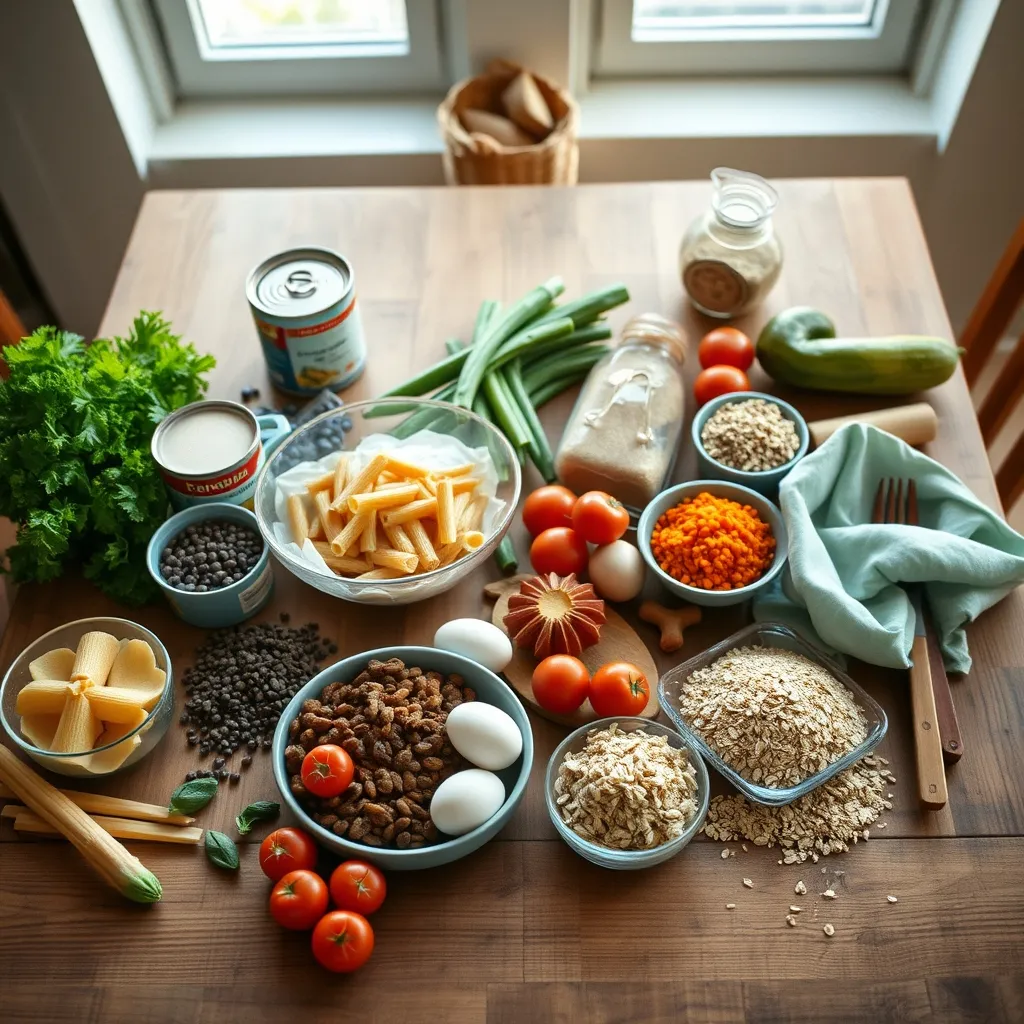
Monday: Vegetable lentil soup with crusty bread. The lentils provide excellent plant-based protein and iron, and a large pot costs under £2 for the entire family.
Tuesday: Chicken thigh traybake with roasted root vegetables (carrots, parsnips, potatoes). Chicken thighs are significantly cheaper than breasts and stay wonderfully moist. Budget: approximately £4.50.
Wednesday: Spaghetti bolognese made with half minced beef and half red lentils. This is one of my favourite tricks: the lentils stretch the mince, add fibre, and most children cannot tell the difference. Total cost: around £3.50.
Thursday: Egg fried rice with frozen peas, sweetcorn, and soy sauce. This is a brilliant use of leftover rice if you have any, or simply cook fresh. At roughly £1.50 for the family, it is one of the cheapest balanced meals you can make.
Friday: Homemade pizza using the simple flour-and-yeast dough method, topped with passata, cheese, and whatever vegetables you have. Children love making these, and the total cost is about £3.
Saturday: Bean and vegetable chilli with rice. Using two tins of mixed beans and a tin of tomatoes as the base, this hearty meal costs under £2.50 and provides more than half the daily fibre requirement for children.
Sunday: Slow-cooked whole chicken with roast potatoes and frozen vegetables. A whole chicken from a supermarket costs around £3.50 to £4.50, and the carcass can be used to make stock for Monday’s soup the following week. Total meal cost: approximately £5.
Estimated weekly total: £22 to £28, leaving room in a £30 budget for breakfast items like oats and milk, plus fruit for snacks. This proves that cheap family meal planning does not mean sacrificing variety or nutrition.
If you need inspiration for packing leftovers as next-day lunches, our pasta packed lunch ideas article is full of practical suggestions.
Batch Cooking and Freezer Strategies That Save Time and Money
Batch cooking is, in my professional opinion, the single most effective tool for making cheap family meal planning work long-term. The principle is simple: when you cook, make double or triple the quantity and freeze the extra portions for future meals.
Here are the meals I find batch best for families:
- Bolognese sauce: freezes beautifully for up to three months
- Chilli con carne or bean chilli: actually improves in flavour after freezing and reheating
- Soups: freeze in individual portions for quick lunches
- Curry base sauces: make a large batch of onion and tomato base, then simply add protein when reheating
- Shepherd’s pie filling: freeze without the mash topping, add fresh mash when cooking
I recommend investing in a set of reusable freezer containers rather than disposable bags. The upfront cost of about £10 to £15 pays for itself within a month. Label everything with the date and contents using masking tape and a permanent marker.
From an energy-saving perspective, batch cooking also reduces how often you use your oven. With energy prices remaining high, cooking one large batch uses far less energy than cooking three separate meals on different days. Many families I work with dedicate a couple of hours on a Sunday to batch cooking, then simply reheat meals during the busy weekday evenings.
For adults looking to take batch-cooked meals to work, our article on hot packed lunch ideas for adults has some great reheatable options.
Getting Children Involved in Cheap Family Meal Planning

One thing I always emphasise to parents is that children who participate in meal planning and preparation eat better. Research consistently shows that children are more willing to try foods they have helped choose or cook. This is not just about nutrition; it is about building lifelong skills and a healthy relationship with food.
Here are age-appropriate ways to involve your children:
Ages 3 to 5: Let them choose between two options you have pre-selected. “Shall we have pasta or rice tonight?” They can also wash vegetables, tear lettuce, and stir cold ingredients.
Ages 6 to 9: Give them a section of the meal plan to fill in. Teach them to look through recipe books or simple online recipes. They can measure ingredients, peel vegetables with a safe peeler, and help set the table.
Ages 10 to 13: Involve them in the shopping list and even take them to the supermarket to compare prices. At this age, they can learn to cook simple meals like scrambled eggs, pasta with sauce, or jacket potatoes. Our guide to packed lunch ideas for teenagers offers recipes that older children can prepare independently.
Ages 14 and above: Teenagers can take responsibility for planning and cooking one family meal per week. This teaches budgeting, time management, and practical cooking skills. I have seen this approach transform fussy teenage eaters into confident, adventurous cooks.
Making meal planning a family activity rather than a chore dramatically increases the chances of it becoming a sustainable habit. Put on some music, gather around the kitchen table, and make it part of your weekly routine.
Nutritional Balance on a Budget: What to Prioritise
Parents often worry that cheap family meal planning means compromising on nutritional quality. I want to reassure you that this is absolutely not the case. In fact, some of the most nutrient-dense foods available are also among the cheapest. The key is knowing what to prioritise.
According to the NHS Eatwell Guide, a balanced diet should include:
- Starchy carbohydrates making up just over a third of your plate (potatoes, bread, rice, pasta): these are consistently cheap
- Five portions of fruit and vegetables daily: frozen and tinned varieties count and are often cheaper than fresh
- Protein from varied sources: beans, lentils, eggs, and tinned fish are far cheaper than fresh meat and equally nutritious
- Dairy or dairy alternatives: own-brand milk and yoghurt are affordable staples
- Small amounts of unsaturated oils and spreads
The biggest nutritional concern I see in budget-conscious families is insufficient vegetable intake. Children in the UK already fall well short of the five-a-day target, with only around 18 per cent meeting it. On a tight budget, I recommend prioritising frozen vegetables over fresh ones that might wilt and end up in the bin. Frozen peas, sweetcorn, spinach, and mixed vegetables are all excellent value.
Eggs are the unsung hero of budget nutrition. At roughly 15p each, a single egg provides high-quality protein, vitamin D, B12, and essential fats. I encourage families to use eggs in at least three to four meals per week, whether scrambled for breakfast, in fried rice, baked into frittatas, or boiled for simple healthy packed lunches.
Understanding how to read nutritional information helps you spot the best value products. Our detailed guide on reading calories on food labels can help you make informed comparisons.
Common Mistakes to Avoid When Planning Family Meals
Over my fifteen years of practice, I have seen the same mistakes come up repeatedly when families attempt cheap family meal planning. Being aware of these pitfalls will help you avoid them from the start.
Mistake one: being too ambitious. Planning seven elaborate meals from scratch when you have never meal-planned before is a recipe for burnout. Start with planning just three to four dinners and build up gradually. Include at least one “easy night” such as beans on toast or omelette and salad.
Mistake two: ignoring what your family actually enjoys. The cheapest meal plan in the world is useless if nobody eats it. Start with meals your family already likes and find ways to make them cheaper or more nutritious, rather than introducing entirely unfamiliar dishes every night.
Mistake three: not accounting for leftovers. If Wednesday’s chicken traybake will produce leftovers, plan to use those leftovers on Thursday, perhaps in wraps or a stir-fry. Intentional leftover use is one of the most powerful money-saving strategies in meal planning.
Mistake four: shopping at only one supermarket. While convenience matters, checking the prices at discount supermarkets like Aldi or Lidl for your staples can save 15 to 20 per cent compared to the big four supermarkets. Many families I work with do a monthly stock-up at a discounter and then top up with fresh items at their nearest shop.
Mistake five: forgetting snacks and breakfasts. Many parents plan dinners meticulously but then spend heavily on packaged snacks and breakfast cereals. Budget-friendly alternatives include porridge, toast with peanut butter, homemade flapjacks, and fruit. A bunch of bananas costs roughly 70p and provides five nutritious snacks.
Mistake six: not reviewing and adjusting. Your meal plan should evolve. Keep a note of which meals worked well and which did not. Over time, you will build a personal rotation of 15 to 20 reliable family meals that you can cycle through with minimal effort.
If you are exploring vegetarian options to keep costs down further, our article on veggie packed lunch ideas provides excellent plant-based inspiration that works for both lunchboxes and family dinners.
Key Points
- Start small by planning three to four meals per week and build your confidence gradually
- Stock your cupboard with 10 budget staples like lentils, tinned tomatoes, pasta, and oats to always have a meal ready
- Batch cook at least two meals per week in double quantities and freeze the extras for busy evenings
- Involve children in planning and cooking to improve their willingness to eat varied foods
- Use frozen and tinned vegetables freely as they are nutritionally equivalent to fresh and significantly reduce waste
Frequently Asked Questions
What are the cheapest meals to feed a family in the UK?
The cheapest meals for families consistently include vegetable soup with lentils (under £1.50 for four), egg fried rice with frozen vegetables (around £1.50), pasta with a homemade tomato and vegetable sauce (approximately £2), bean chilli with rice (about £2.50), and jacket potatoes with beans and cheese (roughly £2). All of these provide balanced nutrition with protein, carbohydrates, and vegetables. I recommend building your meal plan around five or six of these ultra-affordable meals and then adding one or two slightly more expensive options like a chicken traybake for variety.
How can I feed a family of four on a budget in the UK?
To feed a family of four on a budget, start by planning your meals weekly and shopping with a strict list. Use own-brand products, buy frozen vegetables instead of fresh where possible, and extend meat with lentils or beans. Cook in batches and freeze portions for busy nights. Choose cheaper protein sources like eggs, tinned fish, and pulses for at least half your weekly meals. Many families I work with successfully feed four people nutritious meals for between £25 and £35 per week by following these strategies consistently.
What is the 5 4 3 2 1 meal plan?
The 5 4 3 2 1 meal plan is a simple framework where you plan 5 weeknight dinners, 4 side dishes or accompaniments, 3 snack options, 2 breakfasts (that you rotate), and 1 treat or special meal for the week. This structure prevents over-planning while ensuring variety. I find it particularly useful for families new to meal planning because it provides enough structure to save money and reduce waste without feeling overwhelming. You can adapt the ratios to suit your family’s needs.
How do I stop wasting food when meal planning?
Food waste drops significantly when you plan meals that share ingredients across the week. For example, if you buy a whole chicken for Sunday roast, plan to use the leftovers in Monday’s wraps and the carcass for Tuesday’s soup. Store perishable items correctly: keep bread in the freezer and slice off what you need, store bananas separately from other fruit, and move older items to the front of the fridge. I also recommend a weekly “use it up” meal, typically on Friday or Saturday, where you create a meal from whatever needs eating. Stir-fries, frittatas, and soups are perfect for this purpose.
Are frozen vegetables as nutritious as fresh ones?
Yes. Frozen vegetables are typically frozen within hours of harvesting, which locks in their nutritional content at peak freshness. Studies have shown that frozen peas, spinach, sweetcorn, and broccoli retain comparable or even higher levels of vitamins and minerals than their fresh counterparts, which may have spent days in transit and on shop shelves. As a paediatric nutritionist, I actively encourage families to use frozen vegetables. They are cheaper, produce zero waste since you only use what you need, and count fully towards your children’s five-a-day.
How much should a family of four spend on food per week in the UK?
According to government data, the average UK family of four spends approximately £65 to £80 per week on food and non-alcoholic drinks. However, with careful cheap family meal planning, many families successfully reduce this to £30 to £50 per week without sacrificing nutritional quality. The key factors are planning meals in advance, reducing food waste, choosing budget-friendly protein sources, and cooking from scratch rather than relying on pre-prepared meals. Families spending under £40 per week typically batch cook regularly and build meals around affordable staples like pasta, rice, potatoes, eggs, and pulses.