
Key Takeaways
- Around 1 in 5 UK children are classified as fussy eaters at some point during their primary school years
- A balanced packed lunch should include items from at least 4 of the 5 food groups: starchy carbohydrates, protein, dairy, fruit, and vegetables
- Offering 5 to 8 small, varied items in a compartmentalised lunch box increases acceptance rates among selective eaters
- Children are up to 3 times more likely to try a new food when it is presented alongside familiar favourites
- Swapping traditional sandwiches for wraps, pitta pockets, or rice-based options can break lunchtime resistance in as little as one week
- The NHS recommends that packed lunches contain no more than one item high in fat, sugar, or salt per day
In This Article
- Why Fussy Eaters Reject Packed Lunches
- What a Balanced Packed Lunch Looks Like
- Sandwich-Free Packed Lunch Ideas That Work
- A Five-Day Lunch Box Plan for Fussy Eaters
- Cold Packed Lunches That Don’t Need a Fridge
- How to Add Nutrition Without Triggering Refusal
- Lunch Box Formats Compared: What Suits Fussy Eaters Best
- Common Mistakes Parents Make With Fussy Eater Lunch Boxes
If you have ever opened your child’s lunch box at the end of the school day to find an untouched sandwich, a squashed banana, and a defeated-looking yoghurt tube, you are far from alone. As a paediatric nutritionist who has worked with hundreds of families across the NHS and in private practice, I can tell you that packed lunch ideas for fussy eaters uk is one of the most common topics parents ask me about. The daily pressure to create something nutritious that will actually be eaten, within a tight budget and an even tighter morning schedule, is genuinely stressful.
In this article, I am going to walk you through evidence-based strategies, practical meal ideas, and a full weekly plan designed specifically for children who push back at lunchtime. Every suggestion has been tested with real families in my clinics, and I will explain the reasoning behind each recommendation so you can adapt confidently.
Why Fussy Eaters Reject Packed Lunches
Before diving into solutions, it helps to understand why so many children refuse what we pack. Fussy eating is a normal developmental phase, but it becomes particularly visible at school because parents cannot supervise or encourage eating. According to the NHS guidance on fussy eating, selective eating typically peaks between the ages of 2 and 6, though for many children it persists well into Key Stage 2.
From my clinical experience, the main reasons children reject packed lunches fall into four categories:
- Texture sensitivity: Soggy bread, slimy fruit, or foods that have changed texture between morning and lunchtime are major triggers.
- Visual overwhelm: A single large item (like a whole sandwich) can feel intimidating. Children often respond better to several smaller components.
- Temperature changes: Foods that were meant to be cold but have warmed up, or vice versa, can provoke refusal in sensitive eaters.
- Social pressure: Children compare lunches. If your child’s lunch box looks very different from their peers’, they may feel self-conscious and simply not eat.
Understanding these triggers means we can design packed lunches that work with your child’s sensitivities rather than against them. If your child’s fussy eating extends beyond lunchtime and affects family meals, you might find our guide on family meal planning on a budget helpful for building consistency across the day.

What a Balanced Packed Lunch Looks Like
The NHS Healthier Families lunchbox guidance recommends building each packed lunch around these core components:
- Starchy carbohydrate: bread, wrap, pasta, rice, couscous, or pitta
- Protein: chicken, tuna, egg, cheese, beans, hummus, or lentils
- Dairy or calcium-rich alternative: yoghurt, cheese portion, or calcium-fortified plant milk
- Fruit: at least one portion (roughly a small handful)
- Vegetables or salad: at least one portion, though two is ideal
For fussy eaters, I recommend not insisting on perfection every single day. If your child reliably eats three of the five groups, that is a solid foundation. Over the course of a week, aim for variety rather than trying to tick every box at every meal. This approach reduces pressure on both you and your child, which in turn makes them more likely to experiment when they feel ready.
A practical rule I share with parents: pack two safe foods (items you know your child will eat) alongside one bridging food (something similar to a safe food but slightly different) and one exposure food (something genuinely new). This ratio keeps nutrition on track while gently expanding their range.
Sandwich-Free Packed Lunch Ideas That Work
One of the most common complaints I hear from parents is: “My child won’t eat sandwiches.” This is incredibly normal. Sandwiches combine multiple textures, they go soggy, and the fillings can shift around, creating a sensory experience that many fussy eaters find unpleasant. The good news is that there are dozens of alternatives that are just as quick to prepare.
Wraps and Roll-Ups
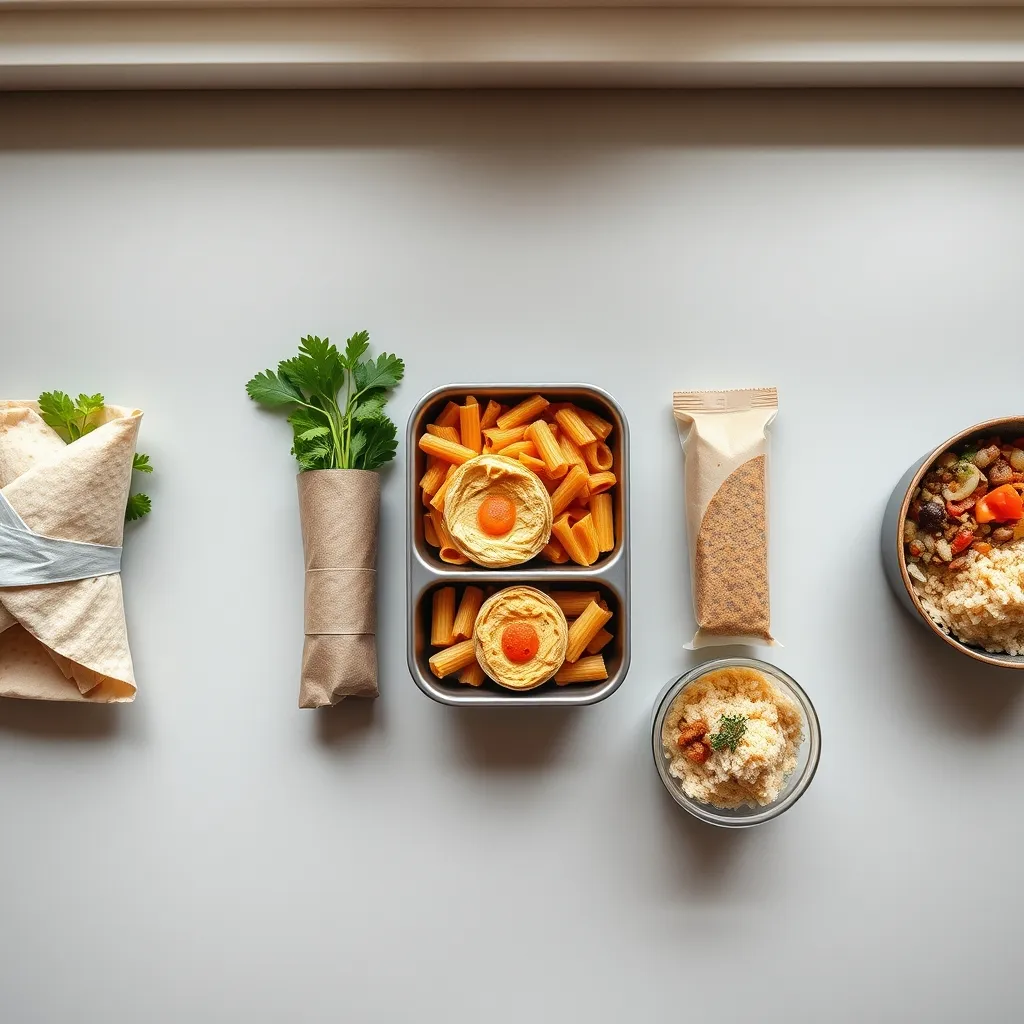
Tortilla wraps are more forgiving than bread. They hold their structure, don’t go soggy, and children can eat them with one hand. Try:
- Cheese and ham pinwheels: spread cream cheese on a wrap, add a slice of ham, roll tightly, and cut into rounds
- Peanut butter and banana wrap (check school allergy policy first)
- Hummus and grated carrot roll-up with a sprinkle of mild cheddar
Pasta Pots
Cold pasta is a surprisingly popular option with fussy eaters. The key is to keep sauces separate or very light. Fusilli or penne with a drizzle of olive oil, some sweetcorn, and cubed cheese works brilliantly. For more pasta-based inspiration, have a look at our pasta packed lunch ideas guide.
Pitta Pockets
Mini pitta breads can be stuffed or served alongside dips. Children who reject sandwiches will often happily dip pitta strips into hummus or cream cheese. The act of dipping gives them control, which is psychologically important for selective eaters.
Rice and Grain Bowls
A small pot of cold rice with soy sauce, shredded chicken, and cucumber sticks can work well for children who enjoy Asian-inspired flavours. Couscous with roasted vegetables (prepared the evening before) is another excellent option.
Grazing Boxes
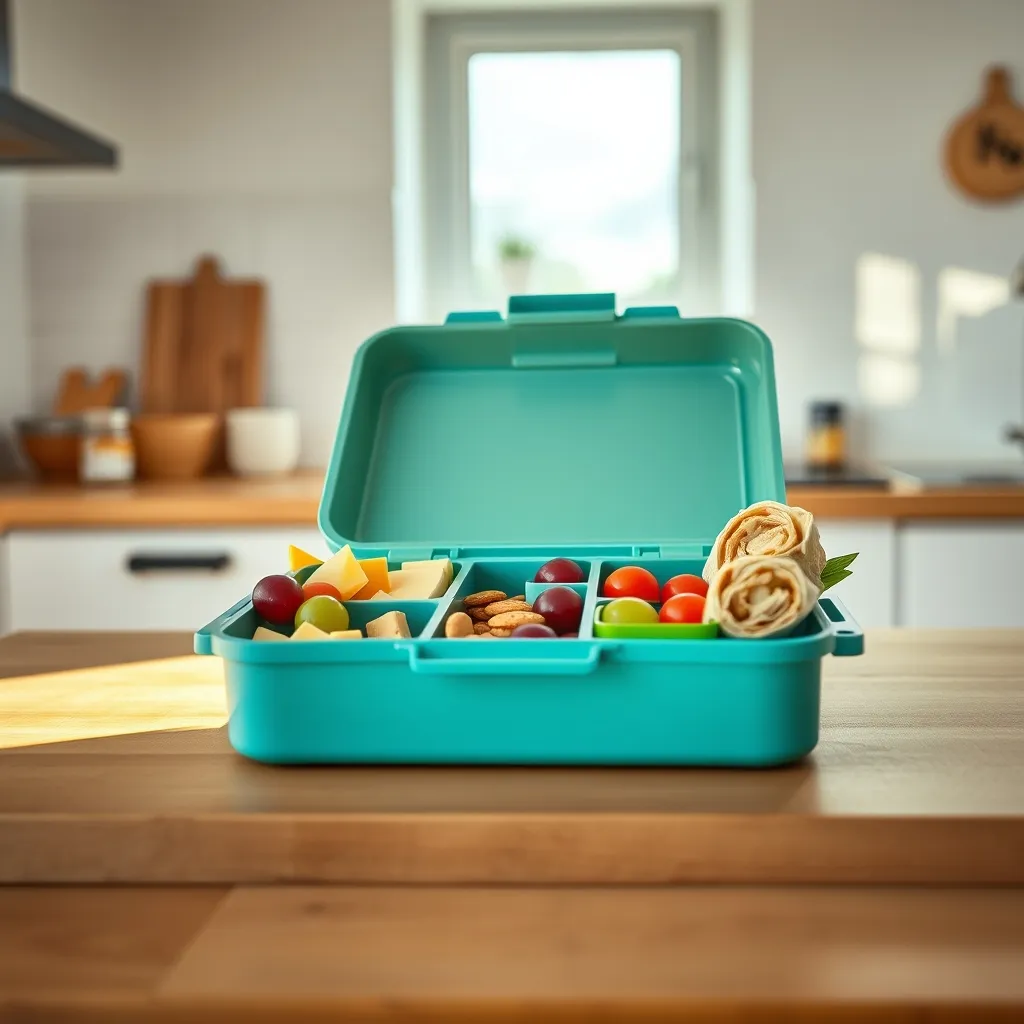
This is perhaps the single most effective format I recommend for fussy eaters. Rather than one main item, pack 6 to 8 small portions of different foods in a compartmentalised box: crackers, cheese cubes, cherry tomatoes, sliced apple, a few breadsticks, a small pot of hummus, some cooked pasta, and a couple of slices of turkey. The child chooses what to eat and in what order, which dramatically reduces anxiety around mealtime.
A Five-Day Lunch Box Plan for Fussy Eaters
I have designed this plan around the realities of busy school mornings. Most items require less than 10 minutes of preparation, and several can be batch-prepared on a Sunday evening. Each day includes at least three food groups and respects the common sensory preferences of selective eaters.
| Day | Main Item | Protein | Fruit/Veg | Extra |
|---|---|---|---|---|
| Monday | Cheese and ham pinwheel wraps | Ham, cream cheese | Cucumber sticks, apple slices | Plain yoghurt pouch |
| Tuesday | Cold pasta with sweetcorn and mild cheddar | Cheddar cheese | Cherry tomatoes, satsuma | Rice cake |
| Wednesday | Mini pitta with hummus dip | Hummus (chickpea protein) | Carrot batons, grapes (halved) | Cheese string |
| Thursday | Grazing box: crackers, cheese cubes, breadsticks | Turkey slices | Pepper strips, blueberries | Small flapjack |
| Friday | Tortilla wrap with tuna mayo | Tuna | Sugar snap peas, banana | Plain popcorn |
This plan is deliberately repetitive enough to feel safe but varied enough to encourage gentle exposure to different tastes and textures. You can swap any item for a similar alternative without disrupting the nutritional balance. If your child responds well to one format (say, the grazing box), there is absolutely nothing wrong with using that format three or four days a week and varying only the contents.
For additional lunchtime ideas beyond the fussy eater context, our healthy and easy packed lunch ideas article offers a broader range of recipes.
Cold Packed Lunches That Don’t Need a Fridge
Most UK primary schools do not offer refrigerated lunch storage. This means your child’s food will sit at room temperature for three to four hours between drop-off and lunchtime. For fussy eaters, this creates an additional challenge: foods that have warmed up or changed consistency may trigger refusal.
Here are my top fridge-free strategies:
- Use a quality insulated bag with an ice pack. This keeps food below 8°C for the entire morning. Invest in a reusable ice pack rather than relying on a frozen drink, which thaws unevenly.
- Choose naturally stable foods: crackers, breadsticks, dried fruit, hard cheese (cheddar, Edam), whole fruit with skin (apples, bananas, satsumas), and nut-free cereal bars.
- Avoid mayonnaise-heavy fillings unless you are confident about temperature control. Opt for cream cheese or butter as a base instead.
- Freeze sandwiches or wraps the night before. They will defrost by lunchtime and stay cool throughout the morning. This works particularly well with cheese, ham, and chicken fillings.
Our guide to cold packed lunch ideas goes into further detail on temperature management and food safety for school lunches.
How to Add Nutrition Without Triggering Refusal
I want to be honest about something: I am cautious about the word “sneaking” when it comes to children’s food. Research from the British Dietetic Association suggests that hiding food can sometimes backfire, eroding trust if a child discovers the deception. However, there is a meaningful difference between hiding food and incorporating ingredients seamlessly.
Here are my clinically tested approaches:
Blending Vegetables Into Sauces
A smooth tomato sauce with blended courgette, red pepper, or butternut squash tastes almost identical to plain tomato sauce. Use this on cold pasta or as a dip. Over time, you can gradually make the texture less smooth to build tolerance.
Fortifying Familiar Foods
Add ground flaxseed to flapjack batter for omega-3 fatty acids. Stir a tablespoon of full-fat Greek yoghurt into mashed avocado for extra calcium. Mix finely grated courgette into muffin recipes; it adds moisture and fibre without altering the taste.
Using Colour Strategically
Many fussy eaters are visual eaters. They eat with their eyes first. If your child avoids green foods, start with pale-coloured vegetables: cauliflower, sweetcorn, parsnip crisps, or white beans. These are less visually threatening and can serve as a bridge to more challenging colours.
The Exposure Principle
Include a tiny amount (even a single piece) of a new food in every lunch box, placed in its own small compartment. There is no expectation to eat it. Research consistently shows that children may need between 10 and 15 exposures to a new food before they accept it. Simply seeing the food regularly, without pressure, builds familiarity.
Understanding food labelling can also help you choose packaged items wisely. Our article on how to read food labels in the UK explains what to look for when selecting lunch box snacks.

Lunch Box Formats Compared: What Suits Fussy Eaters Best
Not all lunch boxes are created equal, and the format you choose can significantly influence whether your fussy eater actually eats. I have compiled a comparison based on the feedback from families I work with.
| Lunch Box Format | Best For | Drawbacks | Fussy Eater Rating |
|---|---|---|---|
| Traditional single-compartment | Children who eat sandwiches reliably | Foods touch each other; can cause refusal in sensitive eaters | 2/5 |
| Bento-style (multi-compartment) | Fussy eaters who prefer variety and separation | Can be bulky; some compartments are small | 5/5 |
| Thermos/insulated jar | Children who prefer warm food (soup, pasta) | Limited to one item; needs pre-heating | 3/5 |
| Snack pot system (multiple small pots) | Extreme fussy eaters; maximum separation | More items to wash; can be fiddly to open | 4/5 |
| Insulated bag with ice pack | Any child; essential for food safety | Takes up space; ice pack can leak if damaged | 4/5 |
In my experience, the bento-style lunch box is the single most impactful change parents can make. When foods are separated into their own compartments, children who typically refuse mixed dishes will often eat each component individually. The visual presentation also matters: small, colourful portions arranged neatly are far more appealing than a jumbled pile.
A good bento box does not need to be expensive. Several UK retailers stock them from around £8 to £15, and they typically last the entire school year. Look for boxes with a secure seal to prevent leaks, as a leaked lunch box will almost certainly come home uneaten.
Common Mistakes Parents Make With Fussy Eater Lunch Boxes
Over 15 years of practice, I have noticed several recurring patterns that unintentionally make fussy eating worse rather than better. Being aware of these can save you considerable frustration.
Mistake 1: Packing Too Much
An overfull lunch box is overwhelming. Children look at it and shut down before they have even started. Pack less than you think they need. A child who finishes a small lunch feels successful; a child who faces a mountain of food feels defeated. You can always adjust portions upward once they are eating confidently.
Mistake 2: Removing All Treats
Banning anything sweet or “fun” from the lunch box can create feelings of deprivation and shame, particularly if peers have treats in their lunches. The Eatwell Guide from Public Health England acknowledges that small amounts of foods high in fat, sugar, or salt can fit within a balanced diet. One small biscuit, a few squares of chocolate, or a homemade flapjack alongside nutritious foods is perfectly reasonable.
Mistake 3: Changing Everything at Once
If your child currently eats only white bread with butter, do not suddenly switch to a bento box full of unfamiliar foods. Change one element per week. Week one: swap white bread for a wrap. Week two: add a new vegetable alongside a familiar one. Week three: introduce a dip. Gradual change is sustainable change.
Mistake 4: Interrogating After School
Asking “Did you eat your lunch?” the moment your child comes through the door creates anxiety around food. Instead, check the lunch box privately and note what was eaten without commenting. Over time, patterns emerge that help you adjust without creating pressure.
Mistake 5: Not Involving Your Child
Children who help choose and prepare their lunches are significantly more likely to eat them. Offer two or three options for each component: “Would you like apple or grapes? Crackers or breadsticks?” This gives them ownership without overwhelming them with unlimited choice.
If your teenager is also a selective eater, the dynamics are slightly different. Our article on packed lunch ideas for teenagers addresses the additional social pressures that older children face.
For those looking at sandwich alternatives in more depth, our sandwich ideas for lunch boxes piece offers creative variations that even reluctant eaters may accept.
Key Points
- Use a bento-style compartmentalised lunch box to separate foods and reduce sensory overwhelm
- Pack two safe foods, one bridging food, and one exposure food to balance nutrition with acceptance
- Replace sandwiches with wraps, pitta pockets, pasta pots, or grazing boxes if your child refuses bread
- Change only one element per week to avoid triggering wholesale refusal
- Involve your child in choosing lunch components to give them a sense of control over what they eat
Frequently Asked Questions
What should I put in a lunch box for a fussy eater?
Focus on a grazing-style approach with 5 to 8 small items rather than one large main. Include two foods you know your child will eat (safe foods), one food that is similar but slightly different (a bridging food), and one tiny portion of something new (an exposure food). Good staples include crackers, cheese cubes, cucumber sticks, breadsticks, plain pasta, fruit pieces, and a small pot of hummus or cream cheese for dipping. Keep foods separated in a compartmentalised box so nothing touches.
Wraps and pinwheel roll-ups are the most popular sandwich alternative among the families I work with. Cold pasta pots with cheese and sweetcorn, mini pitta breads with dips, rice pots with soy chicken, and grazing boxes with a variety of finger foods all work well. The key is choosing formats that hold their texture throughout the morning, as soggy food is the number one reason children reject their lunch.What is a good packed lunch instead of sandwiches?
The NHS recommends including a starchy carbohydrate (bread, pasta, rice, or wraps), a source of protein (chicken, tuna, cheese, eggs, beans, or hummus), a dairy item or calcium-rich alternative (yoghurt, cheese, or fortified plant milk), at least one portion of fruit, and at least one portion of vegetables. Limit items high in fat, sugar, or salt to no more than one per day. Water or semi-skimmed milk are the best drink choices.What should I put in a child’s packed lunch in the UK?
Choose naturally shelf-stable items such as hard cheeses (cheddar, Edam), whole fruits with skin (apples, bananas, satsumas), crackers, breadsticks, dried fruit, nut-free cereal bars, and plain popcorn. If including sandwiches or wraps, freeze them the night before so they defrost gradually and stay cool until lunch. An insulated bag with a reusable ice pack is the safest option if you are including dairy, meat, or fish.What is a packed lunch that doesn’t need refrigeration in the UK?
Start by reducing the volume of food you pack; a smaller lunch is less overwhelming. Use a bento box so foods are separated and visually appealing. Involve your child in choosing what goes in their lunch, offering two or three options per category. Avoid questioning them about what they ate; instead, check the box privately and adjust over the following days. Be patient: it can take 10 to 15 exposures before a child accepts a new food, so consistency matters more than any single day.How do I get my fussy child to eat their packed lunch at school?
In my clinical experience, yes. Grazing boxes outperform sandwiches for most fussy eaters because they offer choice, control, and variety without requiring the child to commit to one large item. Children can eat components in any order and skip items without the entire meal feeling like a failure. The visual appeal of several small, colourful portions also makes the lunch box more inviting. The only consideration is ensuring you still include items from multiple food groups so nutrition remains balanced.Are grazing boxes better than sandwiches for fussy eaters?