Key Takeaways
- Constipation affects up to 1 in 3 children in the UK at some point during childhood
- Children aged 2 to 5 need around 15g of fibre per day, rising to 20g for ages 5 to 11 and 25g for ages 11 to 16
- Drinking 6 to 8 glasses of fluid daily is just as important as fibre for preventing constipation
- Simple dietary changes can resolve most cases of childhood constipation within 2 to 4 weeks
- Regular physical activity helps stimulate healthy bowel movements in children
- You should see your GP if constipation lasts longer than 2 weeks despite dietary changes or if you notice blood in your child’s stool
In This Article
- What Is Constipation in Children?
- Why Do Children Get Constipated?
- How Fibre Helps Your Child’s Digestion
- How Much Fibre Do Children Need?
- Best High-Fibre Foods for Children
- The Role of Fluids and Hydration
- Practical Meal Ideas to Boost Fibre Intake
- Lifestyle Habits That Support Healthy Bowels
- When to See Your GP
As a paediatric nutritionist, constipation is one of the most common concerns parents bring to me in clinic. It might not be the most glamorous topic, but I can assure you it matters enormously. A child who is regularly constipated can become irritable, lose their appetite, and even start avoiding the toilet altogether. The good news is that in most cases, the right dietary changes can make a genuine, lasting difference. In this guide, I will walk you through exactly how diet, fibre, and fluid intake play a role in keeping your child’s bowels healthy, and share practical strategies that I use with families every day.
What Is Constipation in Children?
Constipation in children means passing stools less frequently than usual, or passing stools that are hard, dry, and difficult or painful to push out. Every child is different, so there is no single “normal” number of bowel movements per week. However, as a general guide, most children over the age of one should be having a bowel movement at least three times per week. For younger children still in nappies, particularly those who are breastfed, patterns can vary widely.
The signs I ask parents to watch for include:
- Fewer bowel movements than your child’s usual pattern
- Hard, pellet-like or unusually large stools
- Straining, crying, or visible discomfort when trying to go
- Tummy pain that comes and goes
- Loss of appetite or feeling full quickly
- Soiling (overflow soiling, where loose stool leaks around a hard blockage)
- Avoiding the toilet or holding behaviours, such as crossing legs or clenching
It is worth noting that constipation is extremely common. According to NICE clinical guidelines, up to 30% of children experience constipation at some point. In my experience, the problem is often diet-related, which means it is something we can address without medication in many cases.
Why Do Children Get Constipated?
Understanding the cause helps us find the right solution. In my practice, I see several common triggers for constipation in children:
Not enough fibre in the diet. This is by far the most frequent factor I encounter. Many children in the UK eat well below the recommended daily fibre intake. Diets heavy in processed foods, white bread, and sugary snacks tend to be low in the fibre that keeps stools soft and moving through the gut.
Not drinking enough fluids. Fibre needs water to work properly. Without adequate fluid, fibre can actually make constipation worse by creating bulky, dry stools that are hard to pass.
Changes in routine or diet. Starting nursery, beginning school, travelling, or transitioning from milk to solid foods can all disrupt bowel habits. If you are navigating the weaning stage, my guide on healthy weaning and introducing solid foods covers how to get fibre into your little one’s diet from the start.
Holding behaviours. Some children actively avoid using the toilet because they are too busy playing, feel anxious about school toilets, or have had a painful experience passing a hard stool in the past. This creates a cycle: the longer stool stays in the bowel, the more water is absorbed, making it harder and more painful to pass.
Emotional factors. Stress, anxiety, and emotional upset can also affect bowel habits. Children who are experiencing emotional eating patterns may also have shifts in their dietary balance that contribute to constipation.
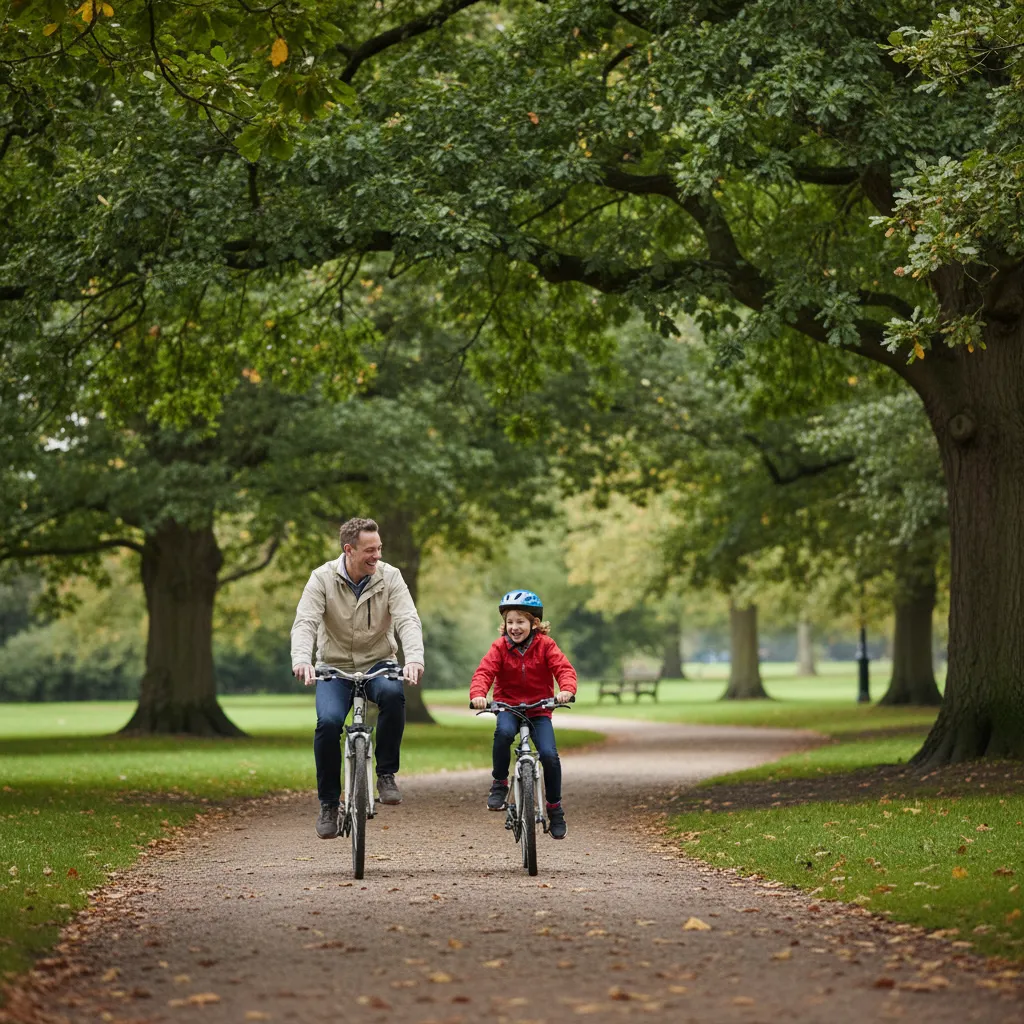
Low physical activity levels. Movement stimulates the muscles of the digestive tract. Children who spend long periods sitting, particularly in front of screens, may be more prone to sluggish digestion. The NHS recommends that children aged 5 to 18 get at least 60 minutes of moderate to vigorous physical activity every day.
How Fibre Helps Your Child’s Digestion
Fibre is essentially the part of plant foods that the body cannot fully digest. Rather than being broken down and absorbed, it passes through the digestive system, and this is precisely what makes it so useful for preventing constipation.
There are two main types of fibre, and both play a role:
Insoluble fibre adds bulk to stools and helps them move through the intestines more quickly. Think of it as the “roughage” that keeps things moving. Good sources include wholemeal bread, bran cereals, vegetable skins, and nuts.
Soluble fibre dissolves in water to form a gel-like substance, which softens stools and makes them easier to pass. You will find this in oats, beans, lentils, fruits like apples and pears, and root vegetables such as carrots and sweet potatoes.
For children with constipation, I generally recommend increasing both types gradually. A sudden jump in fibre can cause bloating and wind, which might put your child off. A steady increase over one to two weeks, paired with plenty of fluids, is the approach that works best in my experience.
How Much Fibre Do Children Need?
The UK government’s Scientific Advisory Committee on Nutrition (SACN) sets clear recommendations for daily fibre intake in children. I find that most parents are surprised by these figures, largely because their children are not getting anywhere near enough.
| Age Group | Recommended Daily Fibre (g) | Common Actual Intake (g) |
|---|---|---|
| 2 to 5 years | 15g | 8 to 11g |
| 5 to 11 years | 20g | 11 to 14g |
| 11 to 16 years | 25g | 13 to 16g |
| 16 to 18 years | 30g | 15 to 18g |
As you can see, there is a significant gap between what children need and what they actually consume. According to the National Diet and Nutrition Survey (NDNS), only around 4% of children aged 4 to 10 meet the recommended fibre target. That statistic alone tells me that many cases of childhood constipation could be prevented with better dietary awareness.
When I see parents who are monitoring their child’s weight or who have received an NCMP letter about their child’s weight, I always discuss fibre as part of the conversation. Increasing fibre-rich whole foods can support both healthy weight management and regular bowel function at the same time.
Best High-Fibre Foods for Children
The best approach to boosting your child’s fibre intake is to incorporate a variety of high-fibre foods throughout the day, rather than relying on a single “super food.” Here are the food groups I recommend focusing on:
Fruits
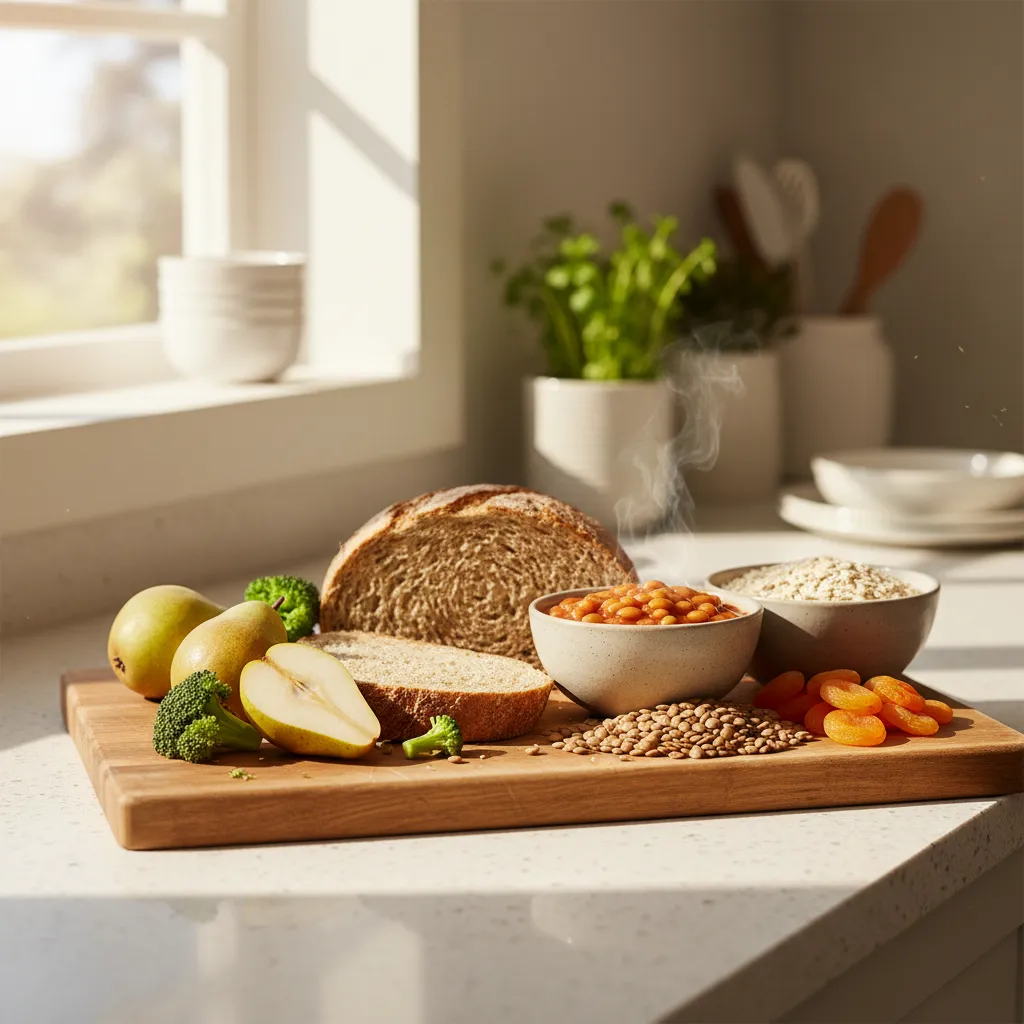
Fruits with edible skins are particularly good sources of fibre. Pears, apples (with skin on), raspberries, and bananas are all excellent choices. Dried fruits like prunes, apricots, and figs are especially helpful for constipation because they contain both fibre and natural compounds called sorbitol that help draw water into the bowel. I often suggest 2 to 3 prunes a day for children who are struggling with hard stools.
Vegetables
Peas, broccoli, sweetcorn, carrots, and sweet potatoes are all well-accepted vegetables that happen to be rich in fibre. Serving vegetables with their skins where possible (think baked potatoes and roasted carrots) adds extra fibre. Aim for your child to have vegetables at both lunch and dinner.
Wholegrain Foods
Swapping refined grains for wholegrain alternatives is one of the simplest changes families can make. Wholemeal bread, brown rice, wholewheat pasta, and porridge oats all provide significantly more fibre than their white counterparts. For instance, two slices of wholemeal bread provide around 3.5g of fibre, compared with just 1.2g from white bread.
Beans and Pulses
Baked beans, chickpeas, lentils, and kidney beans are fibre powerhouses. A small portion of baked beans (around 80g) provides roughly 3.7g of fibre. Pulses are also affordable and versatile, making them an ideal addition to soups, stews, and pasta sauces.
Nuts and Seeds
For children over five (or younger children under supervision, as whole nuts can be a choking hazard), almonds, chia seeds, and flaxseeds are excellent fibre sources. I often suggest sprinkling ground flaxseed onto porridge or yoghurt as an easy way to add an extra 2 to 3g of fibre per serving.
If you are looking at your child’s overall dietary balance, understanding what a healthy weight and height looks like for their age can help put nutritional goals into context.
The Role of Fluids and Hydration
I cannot stress this enough: fibre without adequate fluid is a recipe for worse constipation, not better. Fibre works by absorbing water, which softens stools and gives them the bulk needed to move through the bowel efficiently. If your child is eating more fibre but not drinking enough, the result can be dry, bulky stools that are even harder to pass.
The NHS recommends that children drink 6 to 8 glasses of fluid per day. Water and milk are the best choices. Diluted fruit juice (one part juice to ten parts water) can also be helpful, particularly prune juice, which has a mild natural laxative effect.
Drinks to limit or avoid include:
- Sugary drinks and squashes with high sugar content, which can contribute to poor dietary patterns
- Caffeinated drinks like cola and energy drinks, which can have a mild dehydrating effect
- Excessive milk intake in toddlers; while milk is nutritious, drinking more than around 350ml per day can fill children up and reduce their appetite for fibre-rich foods
I advise parents to keep a water bottle accessible to their child throughout the day and to offer water with every meal and snack. Many children simply forget to drink unless prompted, especially during busy school days.
Practical Meal Ideas to Boost Fibre Intake
Knowing the theory is one thing; putting it into practice with a child who might be a fussy eater is quite another. Here are some of the strategies I share with families in my clinic that consistently work well:
Breakfast Ideas
- Porridge made with oats and topped with berries provides around 4 to 5g of fibre. Add a teaspoon of ground flaxseed for an extra boost.
- Wholemeal toast with peanut butter and sliced banana combines protein, healthy fats, and fibre in a way most children enjoy.
- A high-fibre cereal (such as bran flakes or shredded wheat) with milk and a handful of dried fruit. Check the label for at least 3g of fibre per serving.
Lunch Ideas
- Wholemeal pitta bread stuffed with hummus and grated vegetables makes a fibre-rich lunch that is easy to pack for school.
- Baked beans on wholemeal toast is a simple classic that can deliver over 7g of fibre.
- Vegetable soup with lentils served alongside a wholemeal bread roll. Batch-cook at the weekend and freeze portions for the week.
Dinner Ideas
- Wholewheat pasta with a tomato and vegetable sauce, loaded with peppers, courgettes, and mushrooms. Adding a tin of lentils to the sauce is an easy way to increase fibre without changing the flavour noticeably.
- Baked sweet potato with chilli con carne (using kidney beans) provides a substantial amount of fibre from multiple sources.
- Chicken stir-fry with brown rice and plenty of vegetables such as broccoli, mangetout, and sweetcorn.
Snack Ideas
- Apple slices with a small portion of nut butter
- Carrot and cucumber sticks with hummus
- A small handful of dried apricots or figs
- Oat-based flapjacks (homemade, to control sugar content)
- Popcorn (plain, for children over four) is actually a wholegrain and a surprisingly good source of fibre
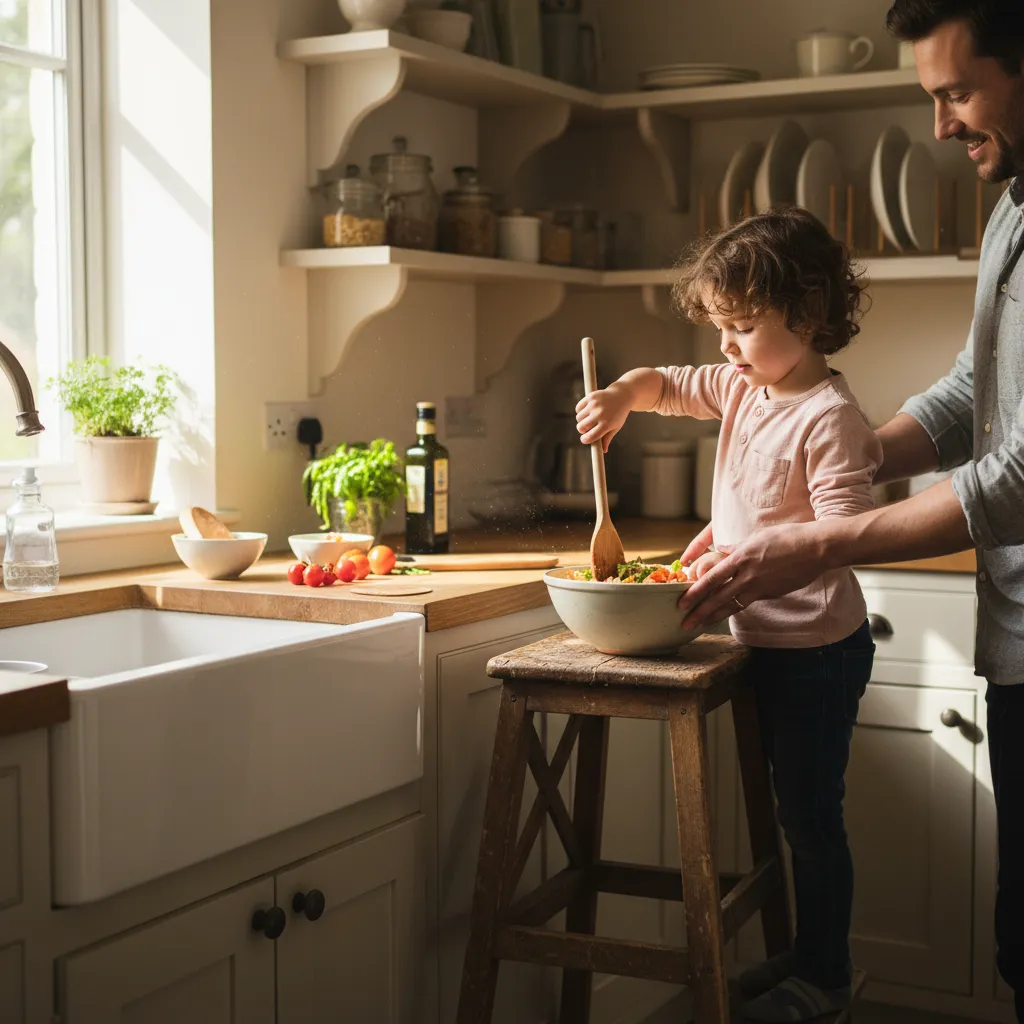
The key is to make changes gradually and to involve your child where possible. Children who help choose and prepare food are more likely to eat it. If your child tends to eat for emotional comfort rather than hunger, my article on emotional eating in children has practical advice for building a healthier relationship with food.
Lifestyle Habits That Support Healthy Bowels
Diet is the foundation, but there are several other habits that work alongside fibre and fluids to keep your child’s bowels functioning well.
Establish a toilet routine. Encourage your child to sit on the toilet for a few minutes after meals, particularly after breakfast. This takes advantage of the gastrocolic reflex, a natural increase in bowel activity that occurs after eating. Make sure their feet are supported (a step stool is essential for smaller children) and that they can sit comfortably without feeling rushed.
Encourage regular physical activity. Exercise stimulates the natural contractions of the intestinal muscles, helping to move food and waste through the digestive system. Even moderate activities like walking, cycling, or playing in the park make a meaningful difference. Children who are above a healthy weight may benefit particularly from increased activity, as both weight management and bowel health improve together.
Never punish or shame. If your child has soiling accidents or avoids the toilet, respond with patience and understanding. Shame and punishment only increase anxiety, which worsens the problem. Let your child know that constipation is common, treatable, and absolutely nothing to be embarrassed about.
Be patient with changes. It can take several weeks of consistent dietary changes before you see a meaningful improvement. The bowel needs time to adjust to higher fibre intake, and if your child has been constipated for a while, the bowel may have become stretched, which takes time to recover.
Regular monitoring of your child’s overall health, including their growth, can provide reassurance that they are on the right track. If you would like to understand where your child sits on the growth charts, have a look at my guide to understanding centiles and percentiles or use a BMI calculator designed for children.
When to See Your GP
While most cases of childhood constipation respond well to dietary and lifestyle changes, there are situations where you should seek medical advice. I recommend booking a GP appointment if:
- Your child’s constipation has not improved after two weeks of dietary changes
- You notice blood in your child’s stool or on the toilet paper
- Your child is in significant pain or distress
- Your baby under one year old is constipated (always seek advice for infants)
- Your child is losing weight or failing to gain weight appropriately
- Constipation is accompanied by vomiting or a swollen abdomen
- Your child has persistent soiling accidents despite trying to go to the toilet
Your GP may prescribe a gentle osmotic laxative such as Movicol Paediatric Plain (macrogol), which works by drawing water into the bowel to soften stools. This is safe for children and is often used alongside dietary changes rather than as a replacement for them. According to NICE guidelines on constipation in children, laxatives should be continued for several weeks after regular bowel habits have been established, then gradually reduced. Stopping too early is one of the most common reasons for constipation returning.
In rare cases, constipation may have an underlying medical cause such as Hirschsprung’s disease, thyroid problems, or coeliac disease. Your GP can arrange appropriate investigations if they suspect an underlying condition.
If you have received a letter through the National Child Measurement Programme and have concerns about your child’s health more broadly, discussing diet and bowel habits at the same appointment can be a productive way to address multiple concerns at once.
Key Points
- Gradually increase fibre by swapping white bread, pasta, and rice for wholegrain alternatives
- Include at least 2 to 3 portions of fruit and vegetables with every main meal
- Ensure your child drinks 6 to 8 glasses of water or milk each day alongside the extra fibre
- Establish a regular toilet routine after breakfast, with feet supported on a step stool
- See your GP if constipation does not improve after 2 weeks of dietary changes or if you notice any warning signs
Frequently Asked Questions
How long does it take for dietary changes to relieve constipation in children?
In most cases, you should start to see an improvement within 2 to 4 weeks of consistently increasing fibre and fluid intake. However, if your child has been constipated for a long time, it can take longer for the bowel to return to its normal function. Be patient and maintain the changes; if there is no improvement after two weeks, speak to your GP.
Yes, increasing fibre too quickly or giving very large amounts without enough fluid can cause bloating, wind, and tummy discomfort. I always recommend a gradual increase over one to two weeks. It is also important that young children are not filled up on fibre-rich foods to the point where they do not have room for other essential nutrients. Balance is key.Can too much fibre cause problems for children?
Prunes are one of the most effective natural remedies I recommend. They contain fibre, sorbitol (a natural sugar alcohol that draws water into the bowel), and phenolic compounds that stimulate bowel contractions. Two to three prunes per day, or a small glass of diluted prune juice, can make a noticeable difference. Most children accept them well, especially when chopped into porridge or yoghurt.Are prunes really effective for children’s constipation?
I generally prefer to increase fibre through whole foods rather than supplements, because whole foods also provide vitamins, minerals, and other nutrients that supplements do not. However, if your child is an extremely fussy eater and you are struggling to get enough fibre from food alone, speak to your GP or a paediatric dietitian. They may recommend a supplement as a short-term measure while you work on broadening your child’s diet.Should I give my child a fibre supplement?
This is very common. Start by mixing half white and half wholemeal flour in homemade recipes, or try brands that make “50/50” bread which blends white and wholemeal flour. For pasta, try wholewheat shapes with a flavourful sauce so the taste difference is less noticeable. You can also focus on getting fibre from other sources such as fruits, vegetables, beans, and oats rather than relying solely on wholegrain bread and pasta.My child refuses wholemeal bread and brown pasta. What can I do?
Most childhood constipation is functional, meaning there is no underlying disease. However, you should seek medical advice if your child has constipation from birth or very early infancy, if they are not growing well, if there is blood in the stool, or if constipation is accompanied by vomiting or a very distended abdomen. Your GP can carry out assessments and refer to a specialist if needed. The NHS page on constipation in children provides further guidance on warning signs.When should I worry that my child’s constipation is something more serious?